
Medieval gardens mixed food, remedies, work, symbolism, and pleasure. Here is what the evidence really shows—and what modern gardeners can borrow.
Read more about Medieval gardens: where usefulness met delight

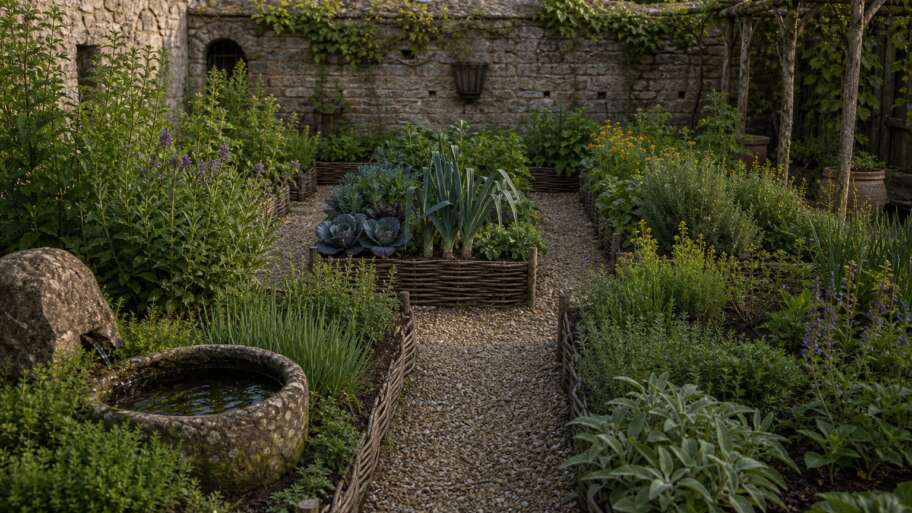
Medieval gardens mixed food, remedies, work, symbolism, and pleasure. Here is what the evidence really shows—and what modern gardeners can borrow.
Read more about Medieval gardens: where usefulness met delight
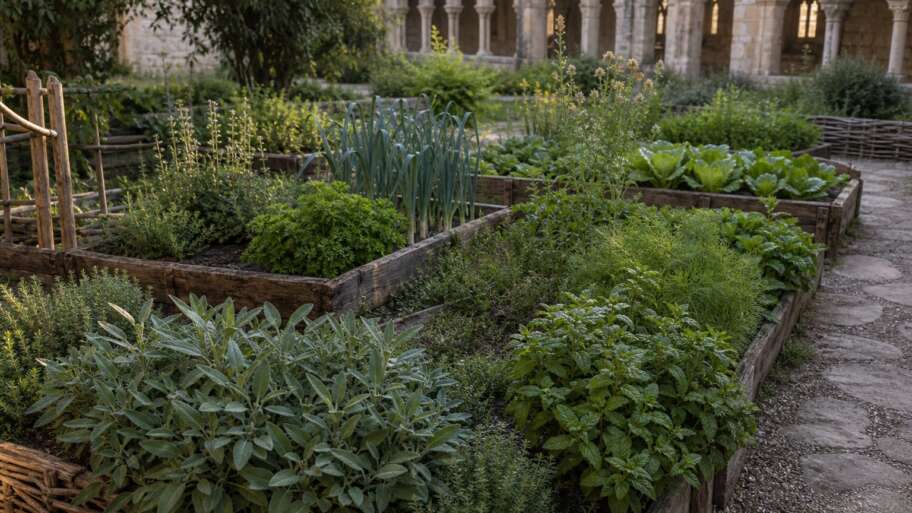
A monastic herb garden was not a quaint collection of scented plants. It could serve the kitchen, infirmary, storeroom, and classroom, while also providing fragrance and beauty. Monks, nuns, and other workers needed to recognize plants, tend them, harvest the right part, and keep one bundle distinct from another. The same sage or fennel might enter food, household work, and…
Read more about Monastic herbs, kitchen plants, and the medieval medicine bed
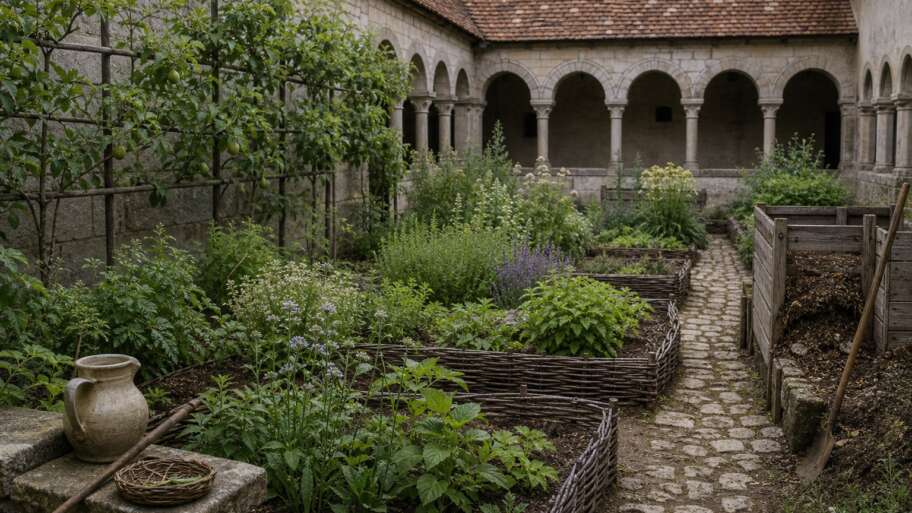
Monastic gardens matter because they remind us that gardening is also a form of record keeping. A religious community needed food, materials, places for reflection, and care for sick members. Beds, orchards, and enclosed courts brought some of those needs into a landscape that had to be weeded, watered, harvested, and renewed. In unsettled centuries, the quiet continuity of that…
Read more about Monastic gardens and the careful keeping of useful plants