
Mosaiculture is a modern public-garden art with older roots in topiary and carpet bedding: plants become pixels, sculpture, and seasonal performance.
Read more about Mosaiculture is not just topiary with better colors

Evidence-based stories of horticulture, crops, gardens, and cultivation traditions across time and place.
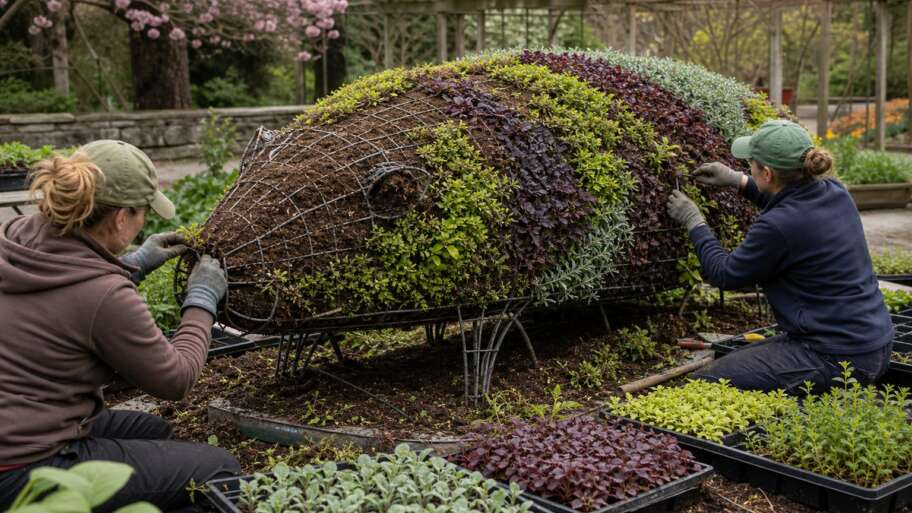
Mosaiculture is a modern public-garden art with older roots in topiary and carpet bedding: plants become pixels, sculpture, and seasonal performance.
Read more about Mosaiculture is not just topiary with better colors
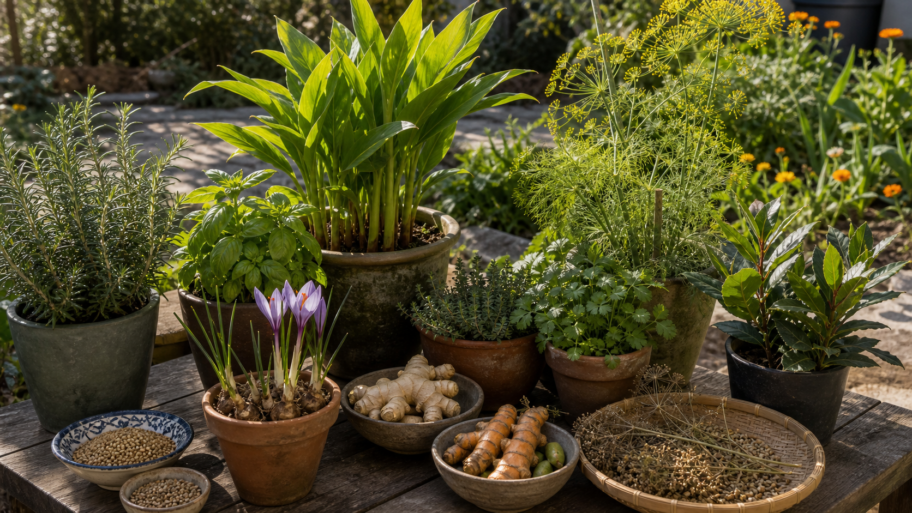
A spice-route garden sounds like a passport stamped in cinnamon, cardamom, saffron, ginger, pepper, coriander, and turmeric. The real garden is more useful than that fantasy. Some spice plants are ordinary annual herbs that will happily ripen seed in a temperate back yard. Some are rhizomes that need a long, warm season. Some are tropical forest plants that may survive…

A surrealist garden is not simply a weird garden. It is a garden where the familiar becomes unstable. A staircase rises into leaves and stops. A doorway frames nothing but sky. A clipped shrub looks too deliberate beside a plant that seems to have arrived from a dream. The effect can be playful, uneasy, beautiful, or all three at once.…
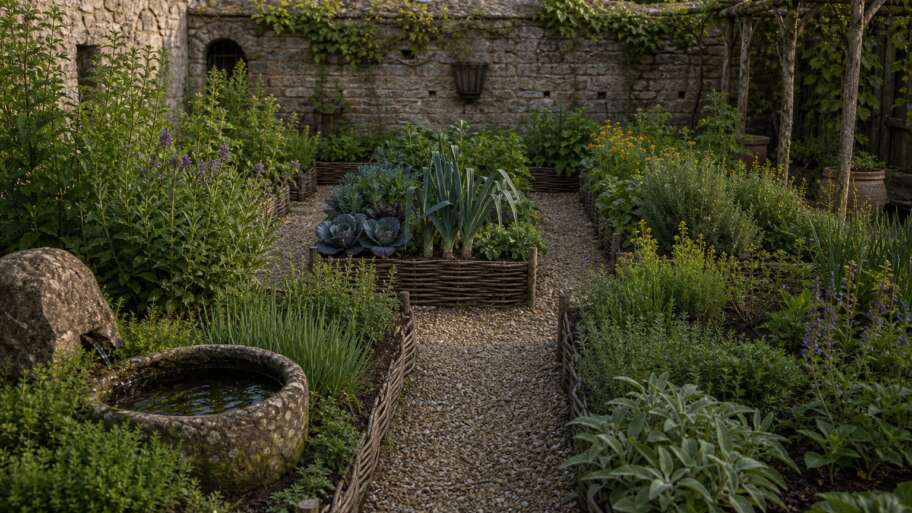
Medieval gardens mixed food, remedies, work, symbolism, and pleasure. Here is what the evidence really shows—and what modern gardeners can borrow.
Read more about Medieval gardens: where usefulness met delight
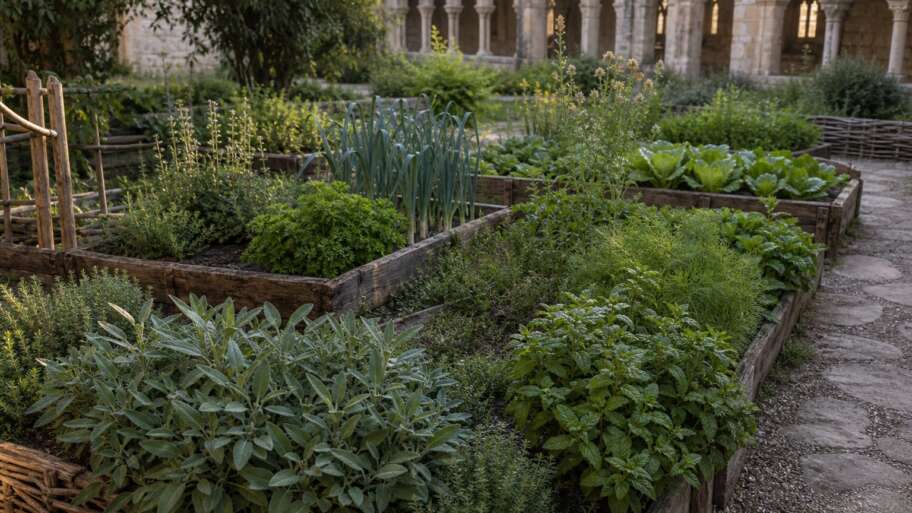
A monastic herb garden was not a quaint collection of scented plants. It could serve the kitchen, infirmary, storeroom, and classroom, while also providing fragrance and beauty. Monks, nuns, and other workers needed to recognize plants, tend them, harvest the right part, and keep one bundle distinct from another. The same sage or fennel might enter food, household work, and…
Read more about Monastic herbs, kitchen plants, and the medieval medicine bed
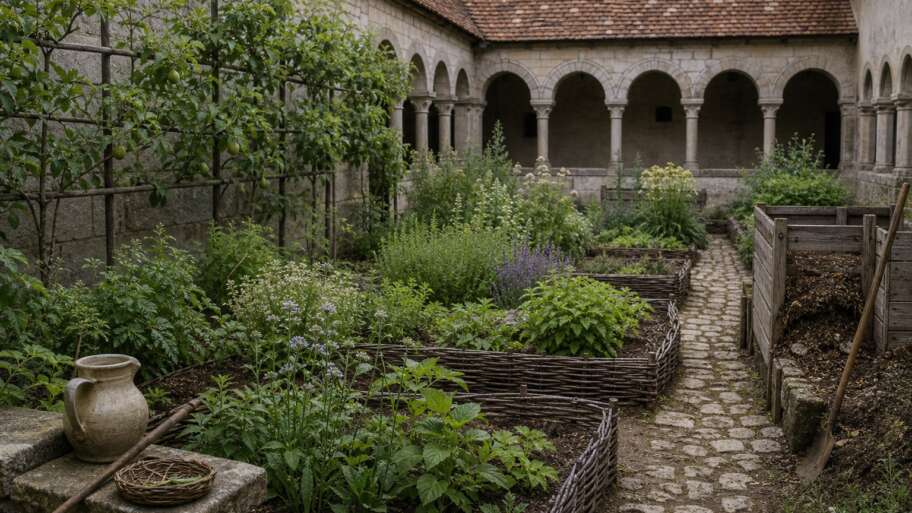
Monastic gardens matter because they remind us that gardening is also a form of record keeping. A religious community needed food, materials, places for reflection, and care for sick members. Beds, orchards, and enclosed courts brought some of those needs into a landscape that had to be weeded, watered, harvested, and renewed. In unsettled centuries, the quiet continuity of that…
Read more about Monastic gardens and the careful keeping of useful plants
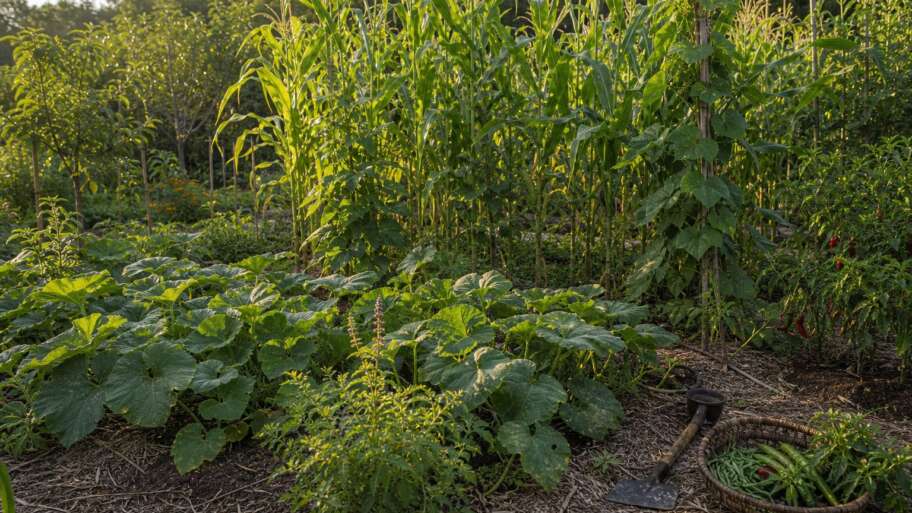
A milpa is easy to flatten into a diagram: maize in the middle, beans climbing its stems, squash spreading below. The real lesson is less tidy and more useful. Maya farmers have worked with different soils, rainfall patterns, elevations, crop varieties, forest stages, household needs, and markets. The planting is one moment in a system shaped by observation and labor.…
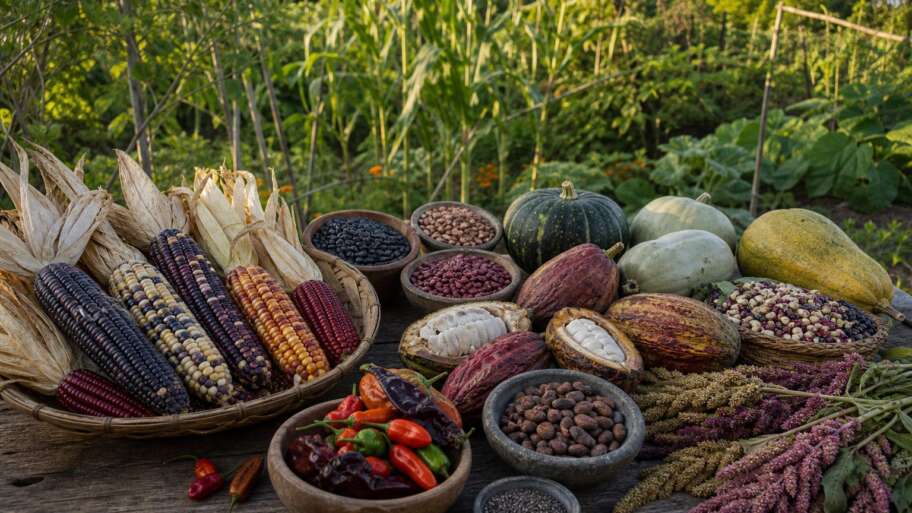
Discover how Maya communities shaped maize, beans, squash, cacao, and manioc through milpa farming, and what modern gardeners can learn.
Read more about Maya crops beyond “superfoods”: how the milpa works
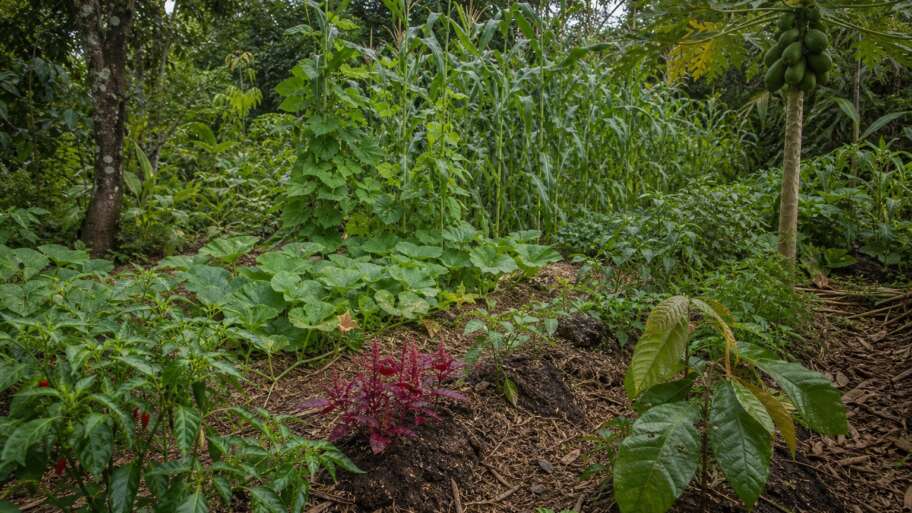
Maya horticulture is often reduced to a picture of maize in a clearing, but the better word is relationship. A milpa was not simply a field carved out of forest and then forgotten. It was part of a cycle of annual crops, useful trees, managed regrowth, soil memory, and household knowledge. The forest edge was not the opposite of the…
Read more about Maya horticulture, the milpa, and the forest edge
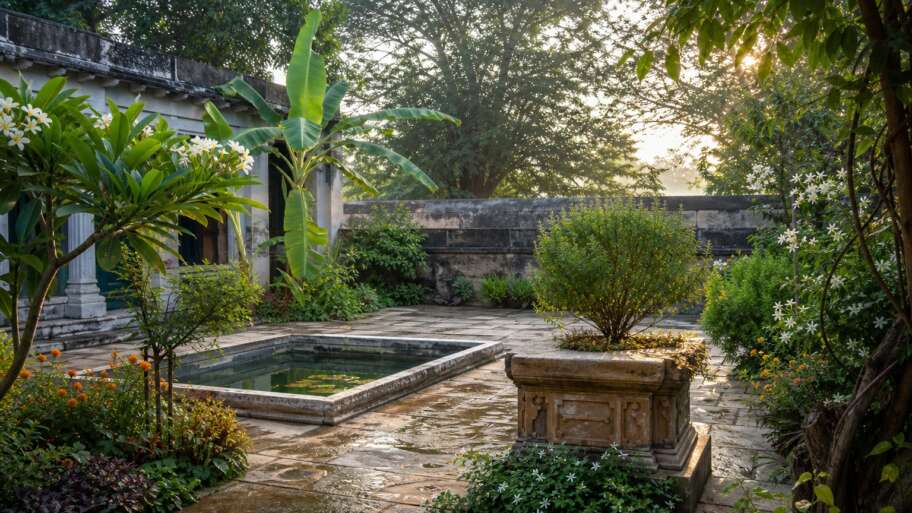
India does not have one sacred-garden tradition. The phrase can point to a community-protected forest patch, a Mughal garden-tomb, a temple enclosure, or a planted domestic courtyard. Those places arose in different regions, religions, political histories, and climates. Treating them as one decorative “Indian style” erases the distinctions that make each landscape worth understanding. There is still a useful thread…
Read more about Sacred gardens in India, from grove to courtyard