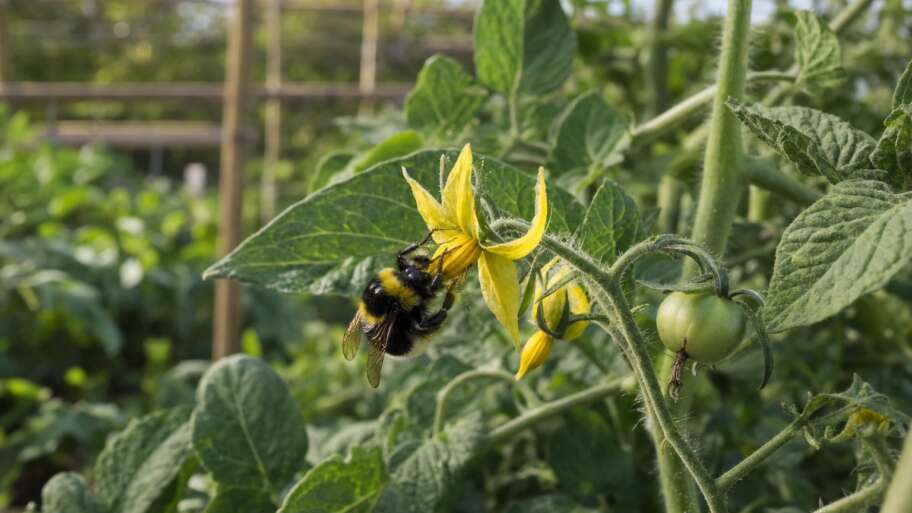

On a warm July morning, a tomato flower can look too small for the job ahead of it. Five yellow petals bend backward around a pointed center. The flower hangs from a hairy green stem, facing slightly down, while the plant puts most of its visual effort into leaves and swelling fruit. Then a bumblebee arrives, grips the yellow cone,…
Edible Garden
Vegetables, herbs, fruit, and edible flowers—from cultivation and harvest to thoughtful food-safety context.
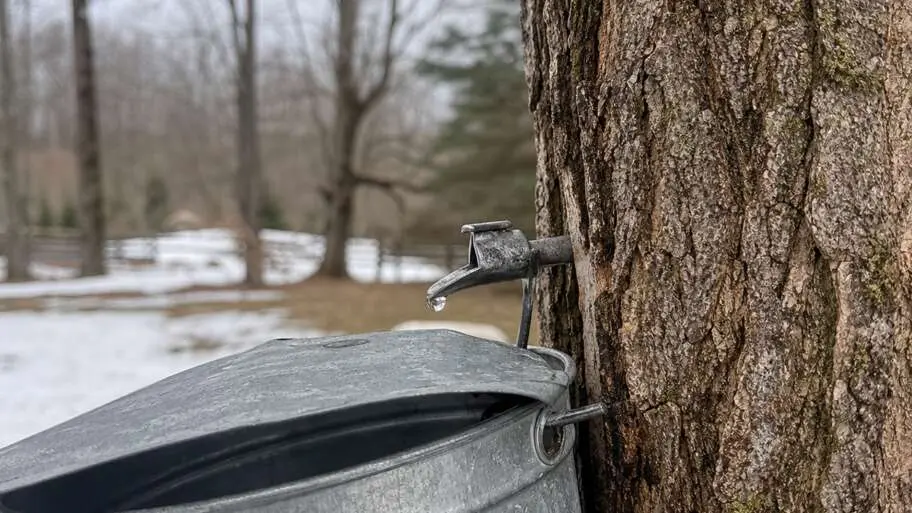
On a cold February morning, a maple with a bucket on it can sound more awake than the rest of the garden. The beds are still flat. The lawn is patched with old snow. The buds on the branches look tight and undecided. Then, from a small metal spout in the bark, a clear drop gathers, falls, and ticks against…
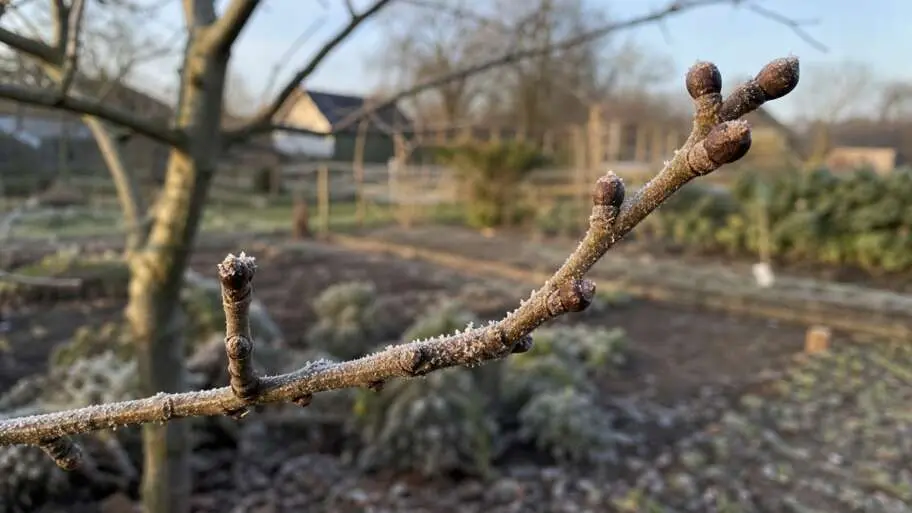
On a cold January morning, a fruit tree can look almost empty. The leaves are gone, the grass is flattened, and the branch tips seem to be holding nothing more interesting than brown dots. It is easy to walk past an apple, peach, plum, cherry, pear, or blueberry and think the garden has become a diagram of waiting. But those…
Read more about Why fruit trees count winter before they bloom
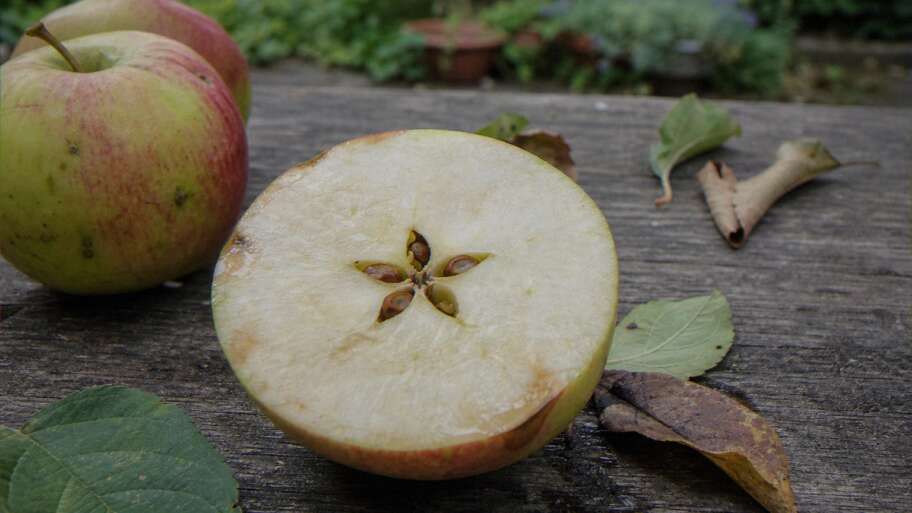
Slice an apple from stem to blossom end and it behaves the way apples usually behave in kitchens: two shoulders, a pale core, a neat place for the knife to pass. Slice it across the middle instead, and the fruit shows a different map. In the center is a small star, five little rooms arranged around a point, each one…
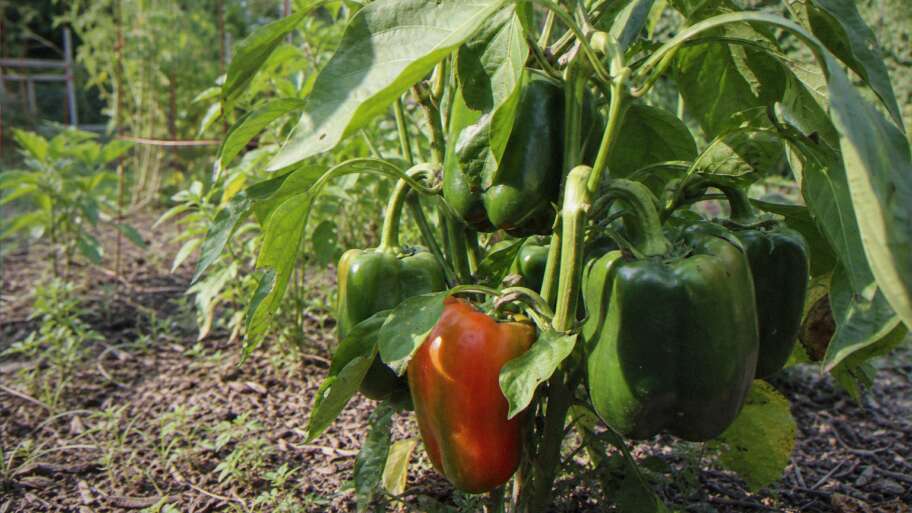
By August, a pepper plant can look as if it has misplaced its calendar. The fruit is full sized. The shoulders are glossy. The plant has done the hard work of flowering, setting fruit, and swelling those green walls into something that already feels like a harvest. Then the gardener waits for red, and the pepper seems to consider the…
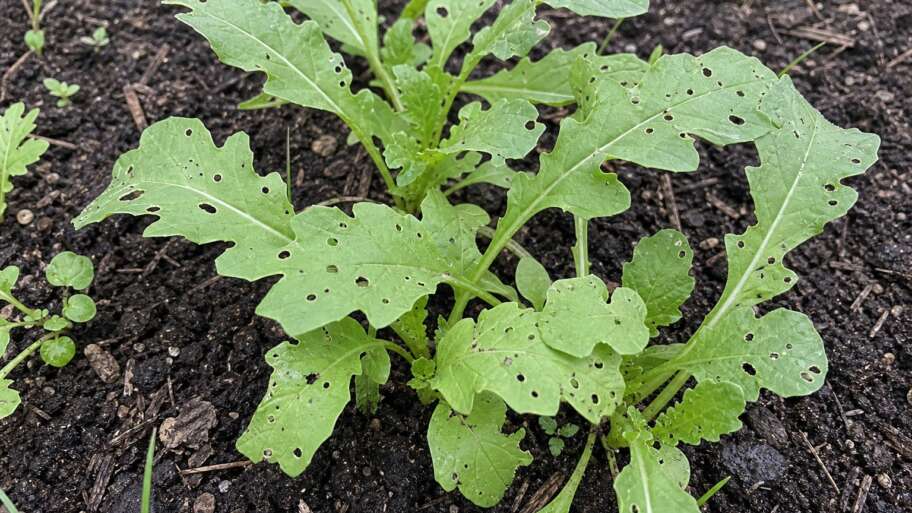
In late April, a bed of young greens can look perfect at breakfast and peppered by lunch. The arugula leaves are still bright and tender. The mustard seedlings are standing. The radish tops look cheerful. But every leaf has acquired tiny round holes, as if someone spent the morning tapping them with a miniature paper punch. The damage is so…
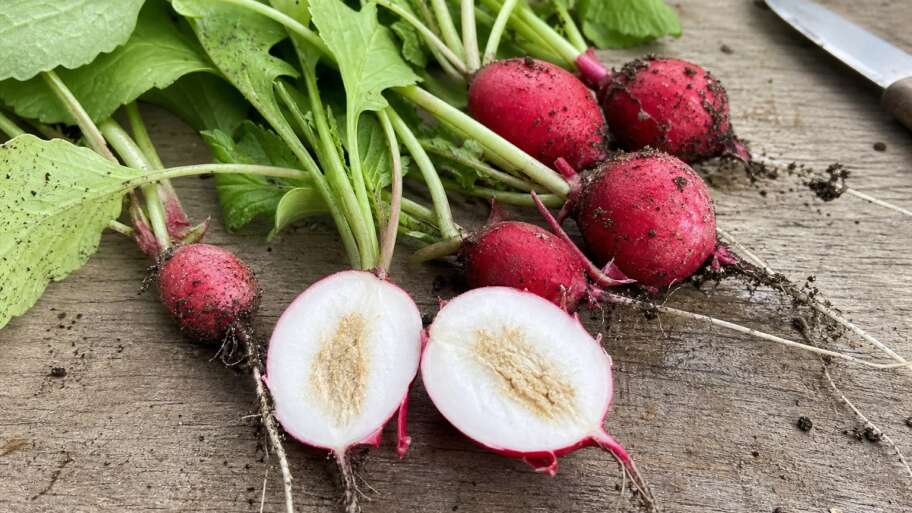
A good spring radish should feel almost impossible for something so quick: crisp, juicy, sharp enough to wake up a salad, and gone from seed to harvest before slower vegetables have settled into their stride. Then, some years, the first bite is a disappointment. The root looks fine from the outside, but inside it is dry, spongy, woody, or hollow.…
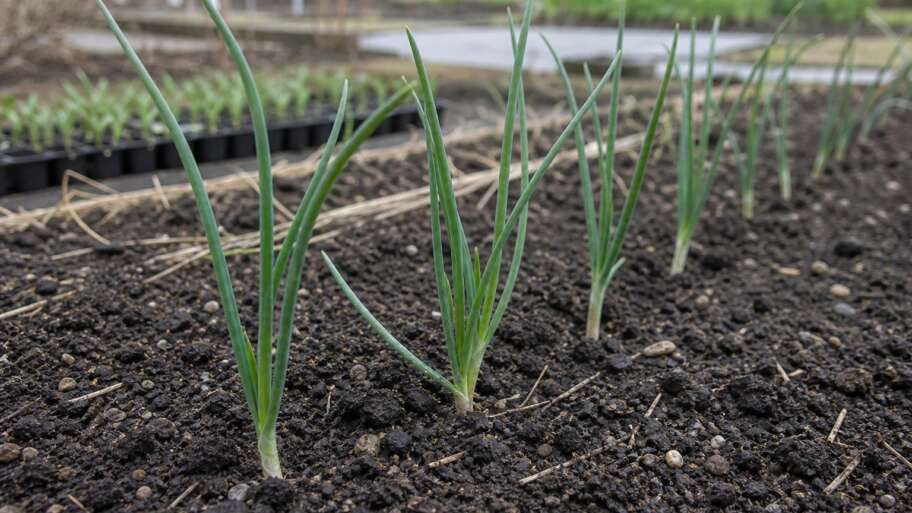
An onion row in March does not look like much to brag about. The plants are thin, blue-green, and a little awkward, each one a narrow tuft set into cold soil. They do not sprawl like squash, gleam like peppers, or make the quick promises of radishes. A young onion looks almost underbuilt for the job ahead. Then summer arrives…
A March delivery of bare-root plants can feel like an accusation. You open the box expecting a garden, and what you find looks more like a bundle of sticks that spent the winter in a shed: no leaves, no soil, pale roots wrapped in damp paper or shavings, a few tight buds along the stems if you are lucky. This…
Read more about Why bare-root plants look dead before they grow
An asparagus bed can look empty in a way that tests a gardener’s memory. In late winter it is just a strip of soil, a little straw, perhaps a few cut stalks from last year if cleanup was delayed. Then a mild spell passes through. You walk by in the morning and see nothing. By evening, a green point has…
Read more about Why asparagus spears seem to appear overnight