

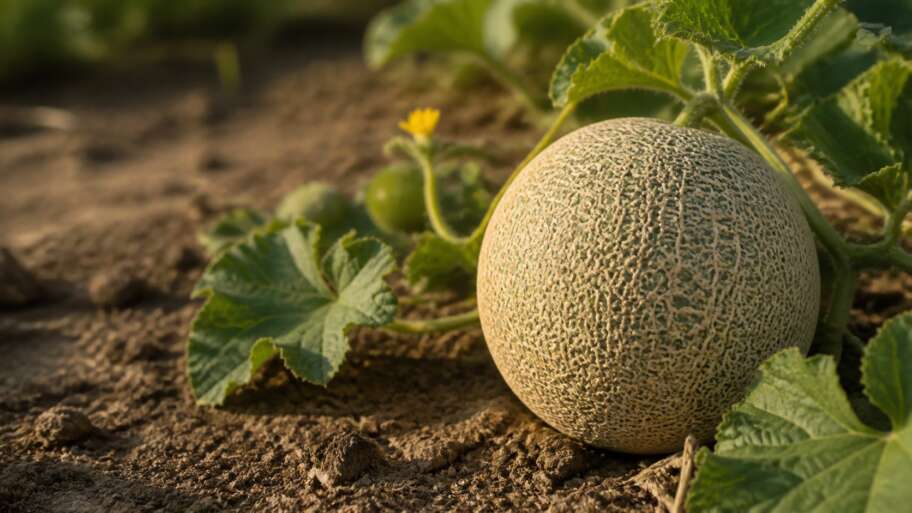
A young cantaloupe can look almost unfinished: green, firm, and surprisingly smooth. Then pale lines appear near the blossom end. They lengthen, branch, cross one another, and rise until the fruit is wrapped in the rough beige lattice that makes it recognizable from across a market. The pattern is not painted onto the rind, and it is not a mat…
Latest articles
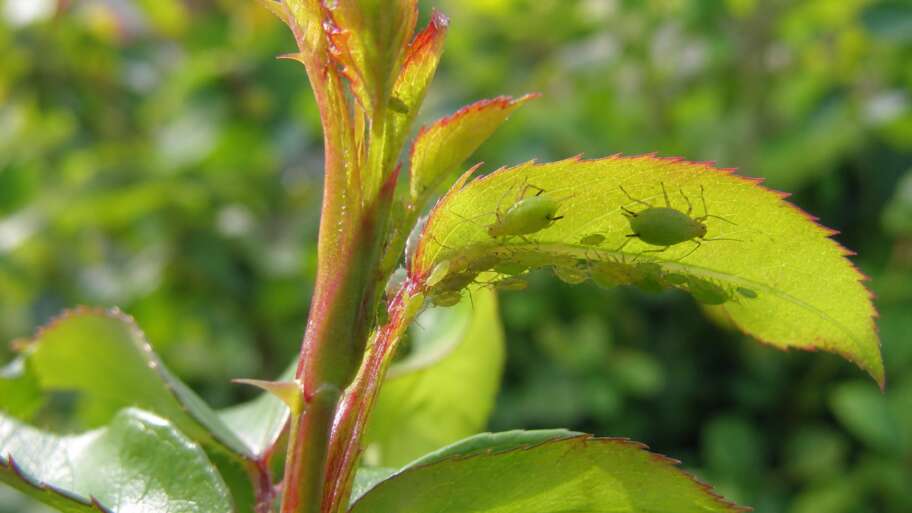
Many summer aphids bear live daughters without mating—and those daughters may already carry developing embryos. Telescoped generations help explain how one quiet shoot becomes a colony.
Read more about The generations nested inside a summer aphid
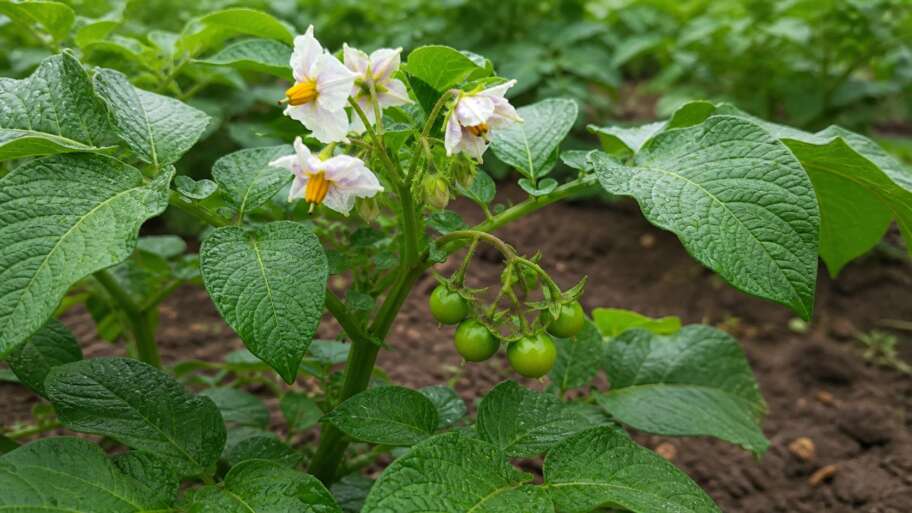
In a potato row in late July, the flowers may be gone but something round is still hanging from their stalks. It is green, smooth, and about the size of a marble. At first glance it looks exactly like a cherry tomato that has wandered onto the wrong plant. It is not a tomato cross, a gall, or a potato…
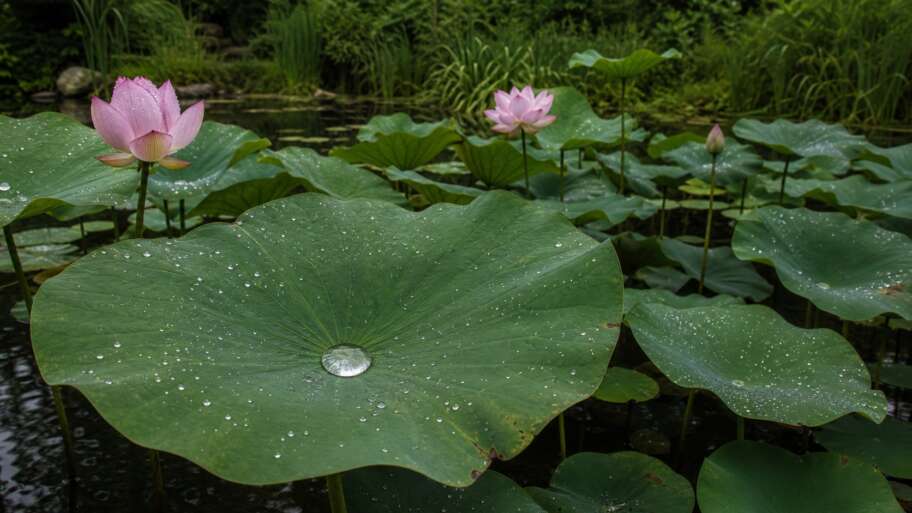
After a July shower, a sacred lotus pond seems to hold a second, smaller weather system. Bright beads sit on the leaves without spreading. A breath of wind sends them skittering toward an edge, gathering dust as they go. Where a droplet has passed, the green can look newly polished. The leaf is not secreting soap, and water is not…
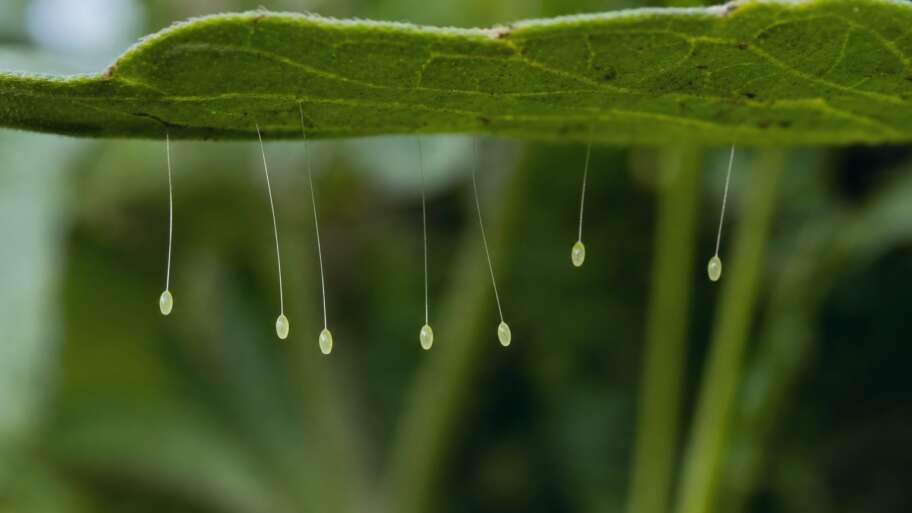
Turn over a bean leaf in July and you may find a row of white pinheads hovering beneath it. They are too orderly for dust and too widely spaced for mold. Each one hangs at the end of a filament so fine that the egg seems to be floating a fraction of an inch away from the leaf. The obvious…
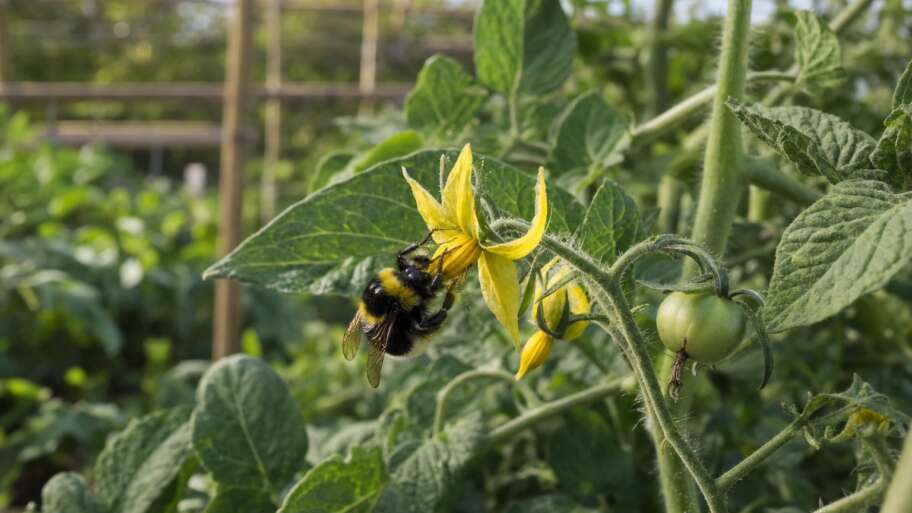
On a warm July morning, a tomato flower can look too small for the job ahead of it. Five yellow petals bend backward around a pointed center. The flower hangs from a hairy green stem, facing slightly down, while the plant puts most of its visual effort into leaves and swelling fruit. Then a bumblebee arrives, grips the yellow cone,…
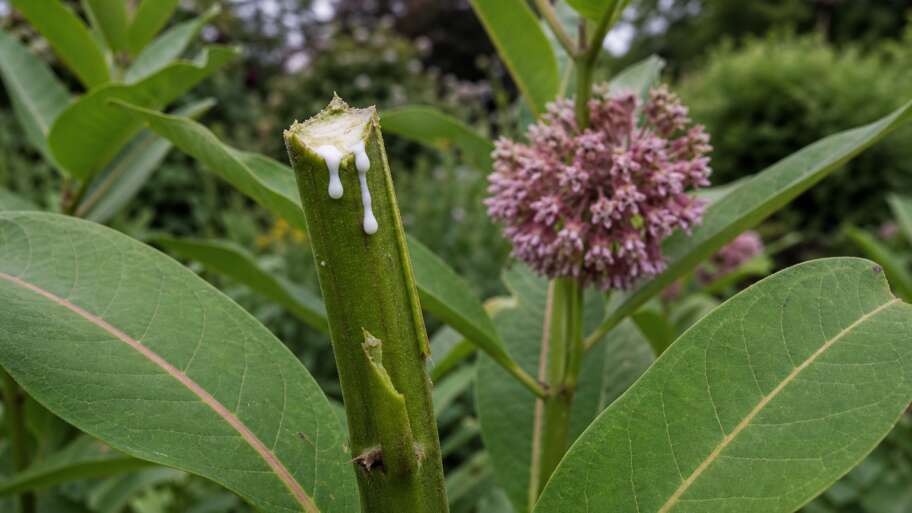
On a warm June evening, deadheading a garden spurge can reveal a hidden part of the plant. The cut end wells white almost at once. A broken lettuce stalk or dandelion stem does something similar, forming a pale bead that turns tacky while you watch. It is easy to call the liquid sap and leave the explanation there. Sap is…
Read more about The white sap in a broken stem is not ordinary sap
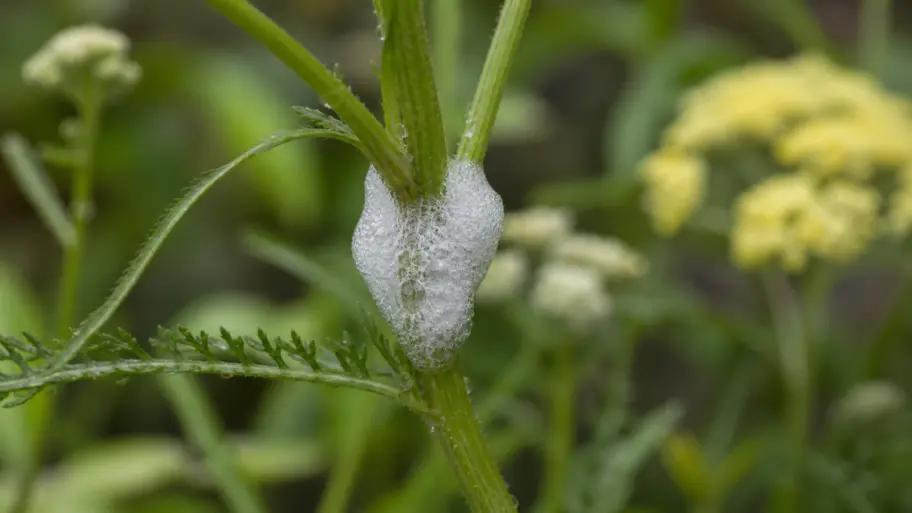
On a June morning, a garden can seem to have developed a strange habit. White froth appears around a lavender stem, in the fold of a strawberry leaf, or where a blade of grass meets its sheath. It looks freshly blown. Rain does not wash it into streaks, and no snail trail explains how it arrived halfway up a plant.…
Read more about The white foam on garden stems is a spittlebug nursery
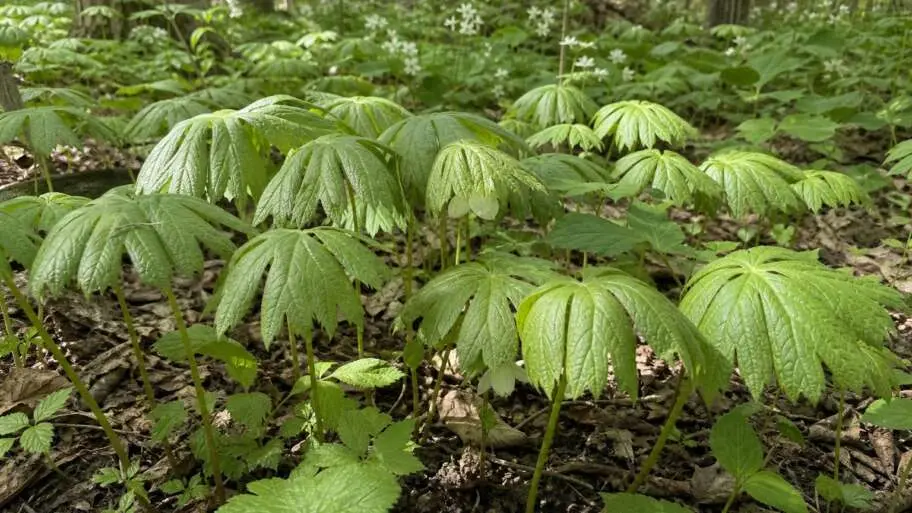
By early May, a mayapple patch can look less like a group of wildflowers and more like a small green weather event. Smooth stems rise from the leaf litter, each one holding a pale, lobed leaf like an umbrella that has just opened after rain. The effect is so architectural that it is easy to miss the plant’s real trick:…
Read more about The mayapple hides its flower under an umbrella
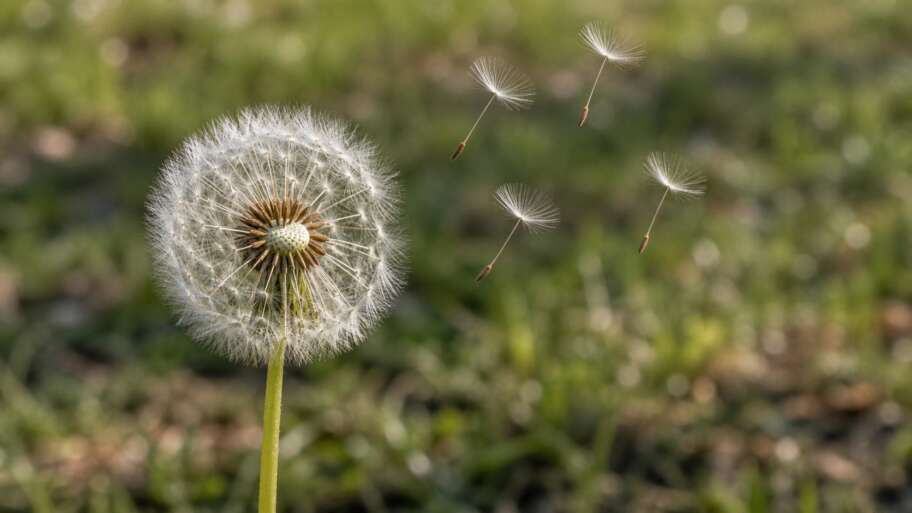
Each dandelion fruit carries a porous parachute that narrows when wet and releases differently with wind direction—turning spring weather into selective flight.
Read more about How a dandelion clock turns weather into flight