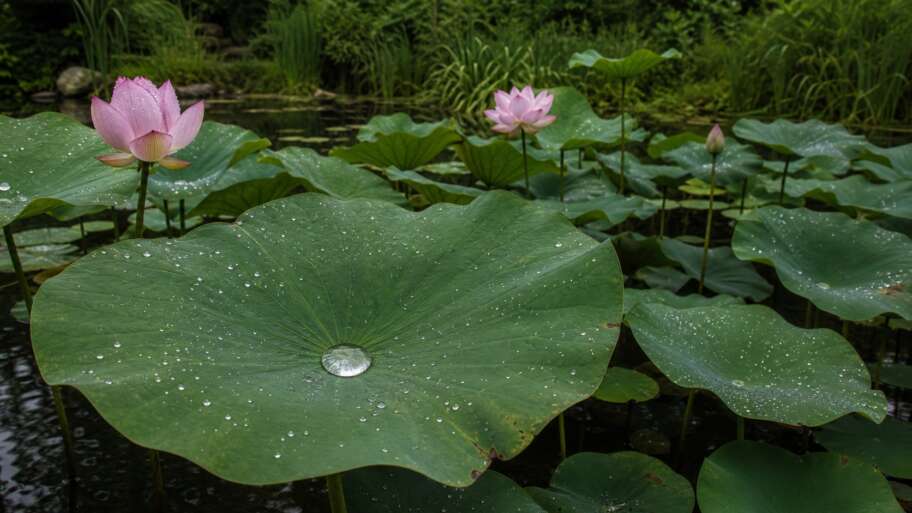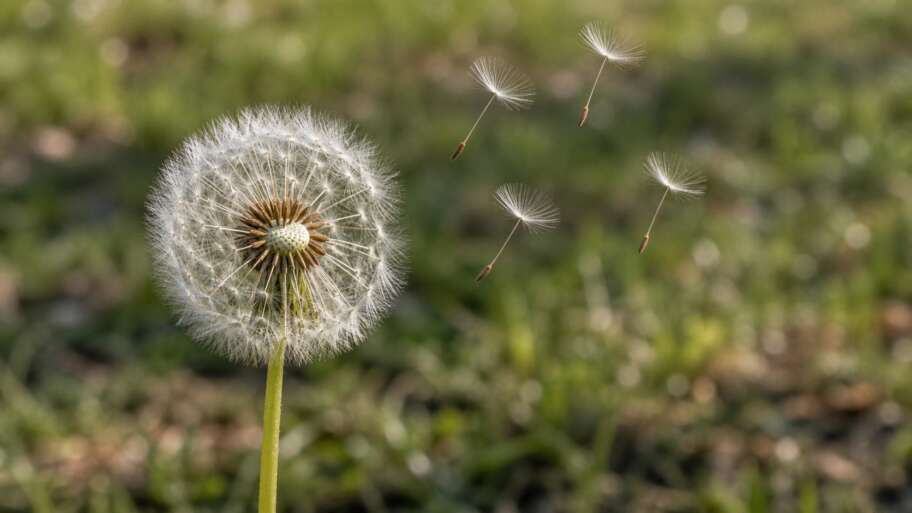

After a July shower, a sacred lotus pond seems to hold a second, smaller weather system. Bright beads sit on the leaves without spreading. A breath of wind sends them skittering toward an edge, gathering dust as they go. Where a droplet has passed, the green can look newly polished. The leaf is not secreting soap, and water is not…
Plant Guides
Close looks at garden and houseplants: their identifying features, growth habits, uses, limitations, and site-specific care.
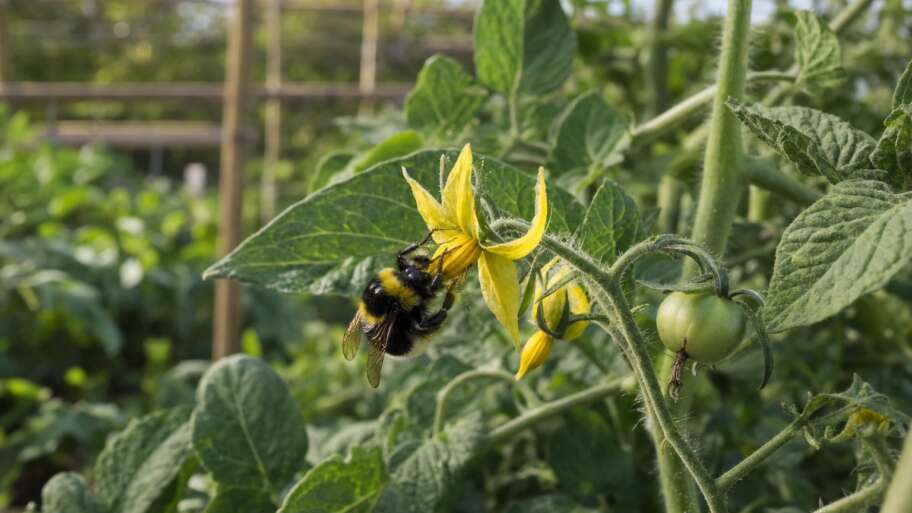
On a warm July morning, a tomato flower can look too small for the job ahead of it. Five yellow petals bend backward around a pointed center. The flower hangs from a hairy green stem, facing slightly down, while the plant puts most of its visual effort into leaves and swelling fruit. Then a bumblebee arrives, grips the yellow cone,…
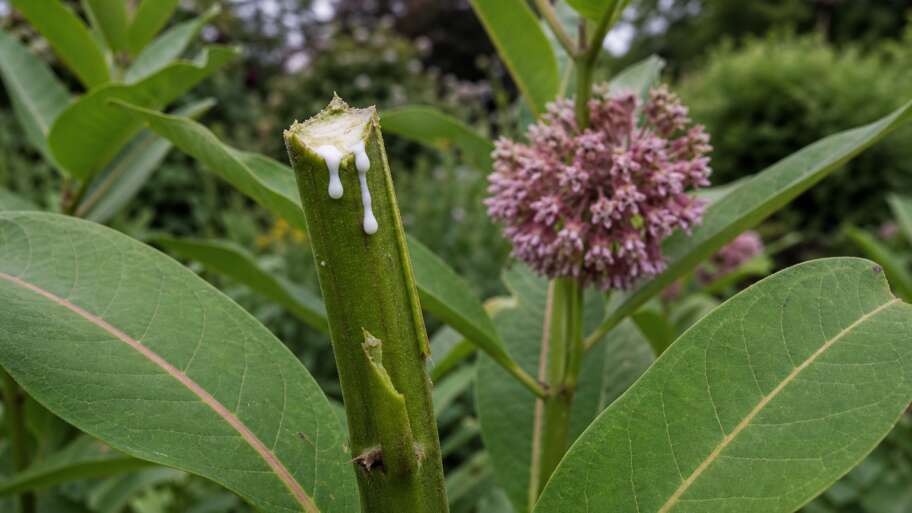
On a warm June evening, deadheading a garden spurge can reveal a hidden part of the plant. The cut end wells white almost at once. A broken lettuce stalk or dandelion stem does something similar, forming a pale bead that turns tacky while you watch. It is easy to call the liquid sap and leave the explanation there. Sap is…
Read more about The white sap in a broken stem is not ordinary sap
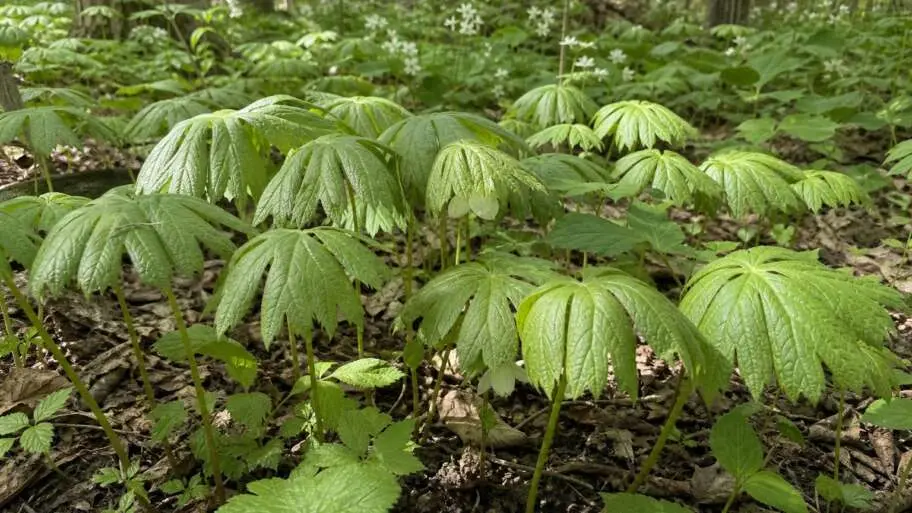
By early May, a mayapple patch can look less like a group of wildflowers and more like a small green weather event. Smooth stems rise from the leaf litter, each one holding a pale, lobed leaf like an umbrella that has just opened after rain. The effect is so architectural that it is easy to miss the plant’s real trick:…
Read more about The mayapple hides its flower under an umbrella
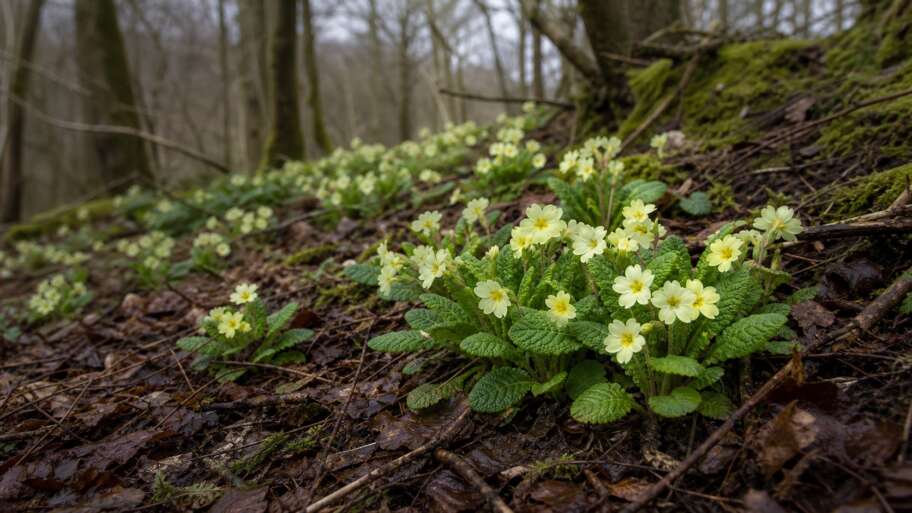
A bank of primroses can look almost uniform from the path: low wrinkled leaves, pale yellow flowers, and a scatter of gold across the last brown leaves of winter. Kneel down, however, and look into the flowers. Some have a small green button at the center. Others have a ring of yellow anthers. The difference is not age, weather, or…
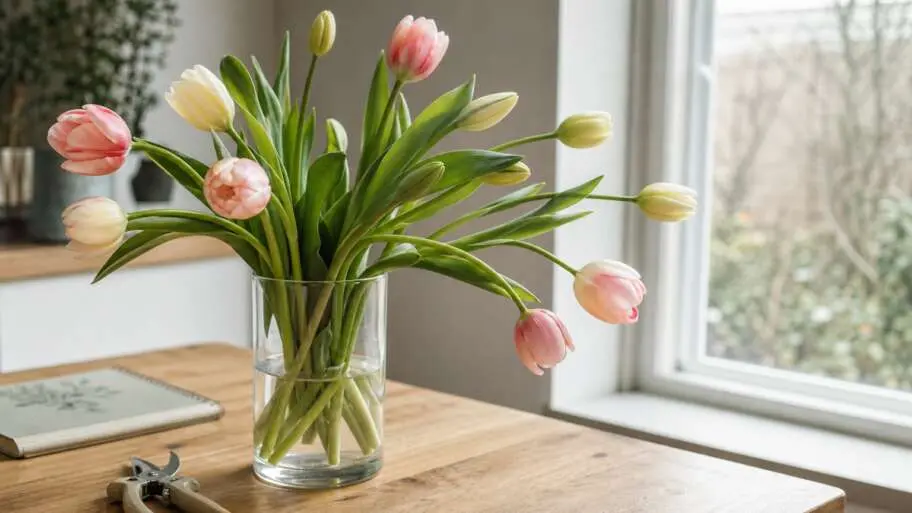
A vase of tulips rarely stays where you put it. Arrange it in the evening and the stems may look composed: upright enough, tidy enough, each flower holding its own small cup of color. By the next morning, one bloom has leaned toward the window, another has climbed above the rest, and a third has made a soft curve over…
On a cold February morning, a maple with a bucket on it can sound more awake than the rest of the garden. The beds are still flat. The lawn is patched with old snow. The buds on the branches look tight and undecided. Then, from a small metal spout in the bark, a clear drop gathers, falls, and ticks against…
On a January morning, a rhododendron can look as if it has lost its nerve. Yesterday the leaves were broad, glossy, and almost tropical in their confidence. Today they hang like narrow green cigars, each one drooping from the twig and curled along its length as if the whole shrub has tightened itself against the cold. It is an alarming…
On a January windowsill, a fern can look like the most innocent plant in the house. Green fronds, soft shadows, a pot that asks mostly for humidity and restraint. Then you turn one frond over and find rows of brown dots underneath. They can look alarming if you were not expecting them. The dots may be round, rusty, tan, black,…
Read more about The brown dots under fern leaves are not pests
On a cold January morning, a fruit tree can look almost empty. The leaves are gone, the grass is flattened, and the branch tips seem to be holding nothing more interesting than brown dots. It is easy to walk past an apple, peach, plum, cherry, pear, or blueberry and think the garden has become a diagram of waiting. But those…
Read more about Why fruit trees count winter before they bloom