
Many summer aphids bear live daughters without mating—and those daughters may already carry developing embryos. Telescoped generations help explain how one quiet shoot becomes a colony.
Read more about The generations nested inside a summer aphid

Layouts, planting combinations, small-space ideas, wildlife habitat, and gardens that remain workable after planting day.
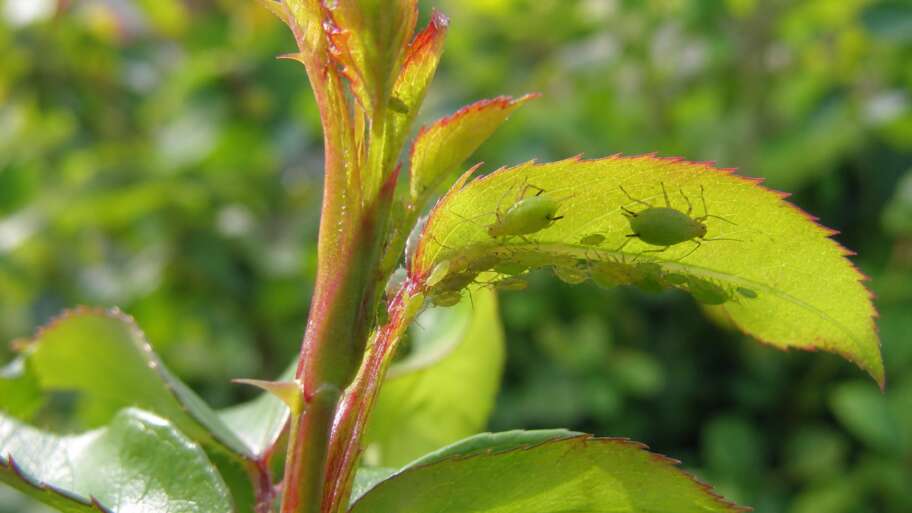
Many summer aphids bear live daughters without mating—and those daughters may already carry developing embryos. Telescoped generations help explain how one quiet shoot becomes a colony.
Read more about The generations nested inside a summer aphid
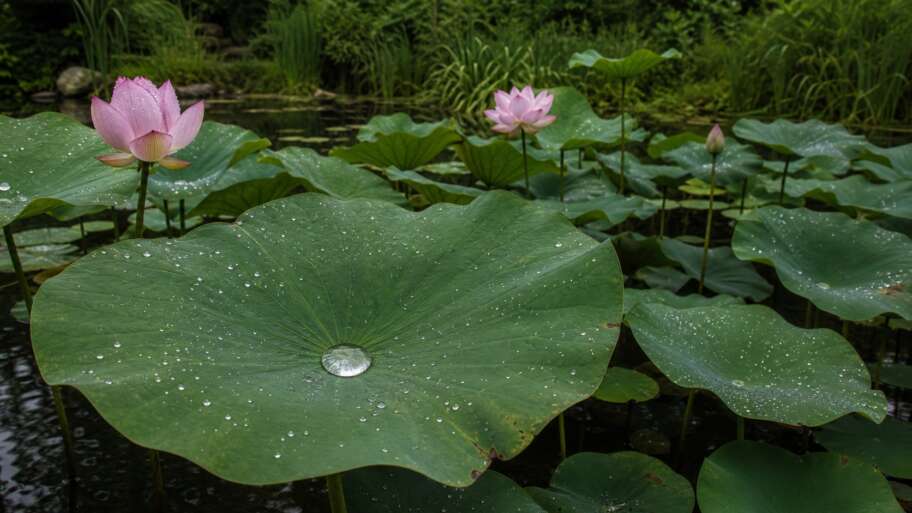
After a July shower, a sacred lotus pond seems to hold a second, smaller weather system. Bright beads sit on the leaves without spreading. A breath of wind sends them skittering toward an edge, gathering dust as they go. Where a droplet has passed, the green can look newly polished. The leaf is not secreting soap, and water is not…
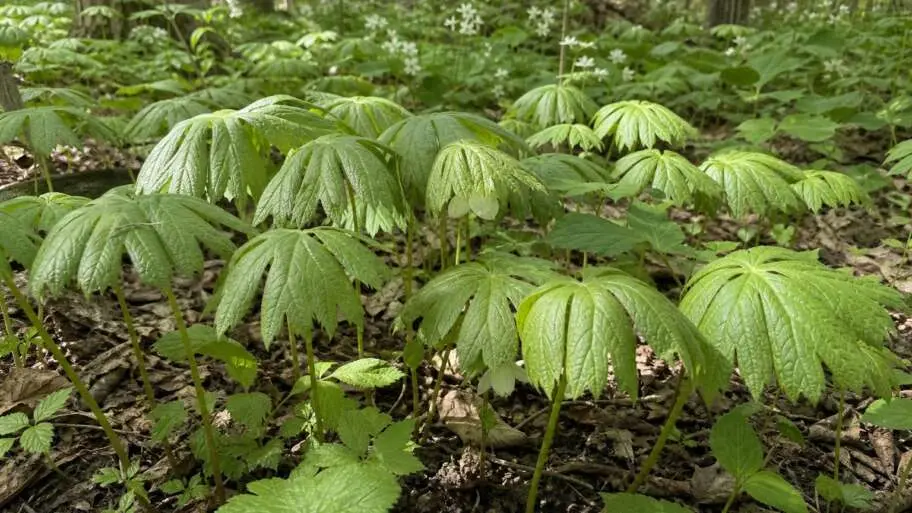
By early May, a mayapple patch can look less like a group of wildflowers and more like a small green weather event. Smooth stems rise from the leaf litter, each one holding a pale, lobed leaf like an umbrella that has just opened after rain. The effect is so architectural that it is easy to miss the plant’s real trick:…
Read more about The mayapple hides its flower under an umbrella
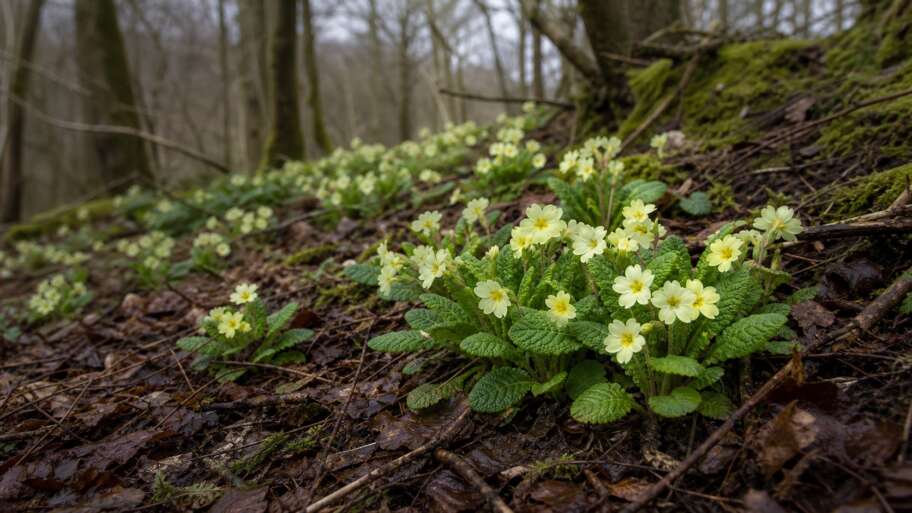
A bank of primroses can look almost uniform from the path: low wrinkled leaves, pale yellow flowers, and a scatter of gold across the last brown leaves of winter. Kneel down, however, and look into the flowers. Some have a small green button at the center. Others have a ring of yellow anthers. The difference is not age, weather, or…
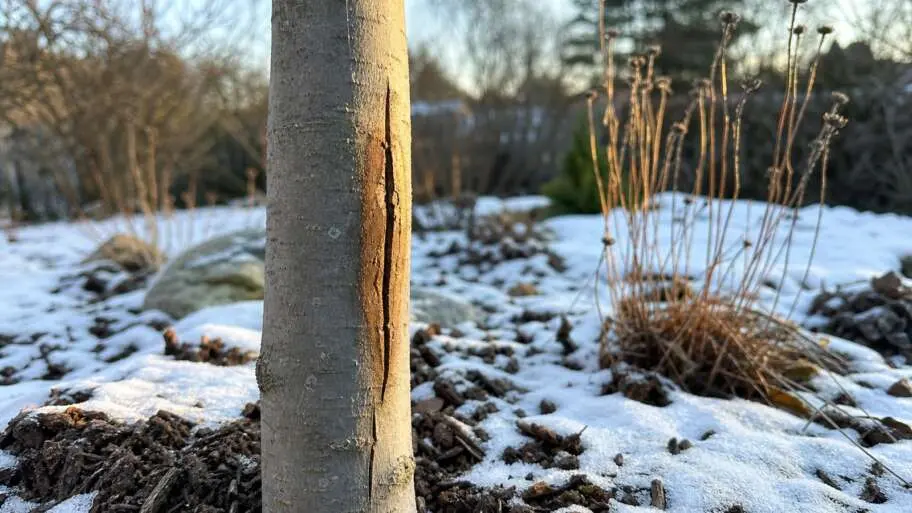
On a bright December afternoon, a young tree trunk can seem to be enjoying the only warm thing in the garden. The beds are flat, the hose is asleep, and the mulch is edged with frost, but the low sun lands on one side of the bark with surprising force. If there is snow on the ground, the light comes…
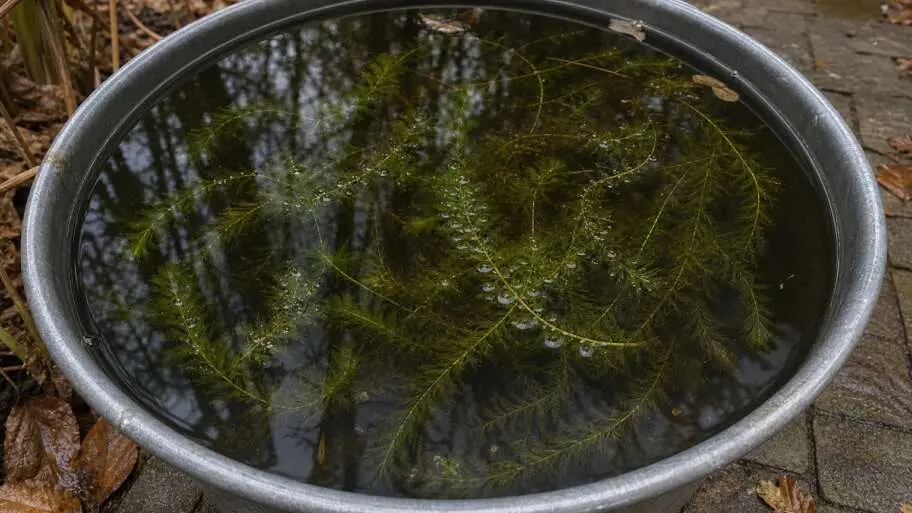
Most winter garden work happens above ground: cutting back blackened stems, emptying pots, gathering leaves, pretending the hose should have been put away last week. But one of the strangest small gardens you can keep is almost entirely hidden from that view. It sits in a tub, a half barrel, or a small pond, and its leaves do their work…
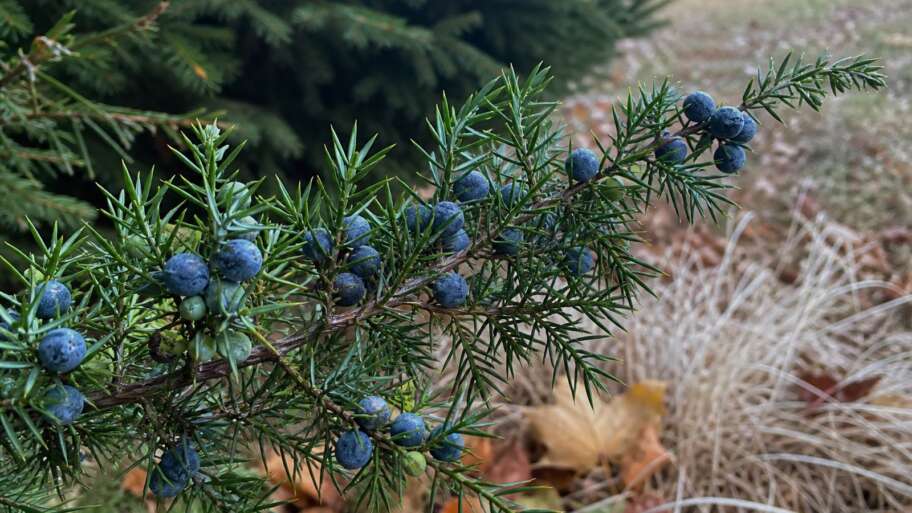
In early October, a juniper can make a liar out of ordinary words. The shrub looks evergreen in the most literal way: prickly, resinous, and built for weather. Then you notice the blue beads tucked along the twigs, as round and matte as tiny blueberries. They look like fruit. They are usually called berries. They even turn up in kitchens…
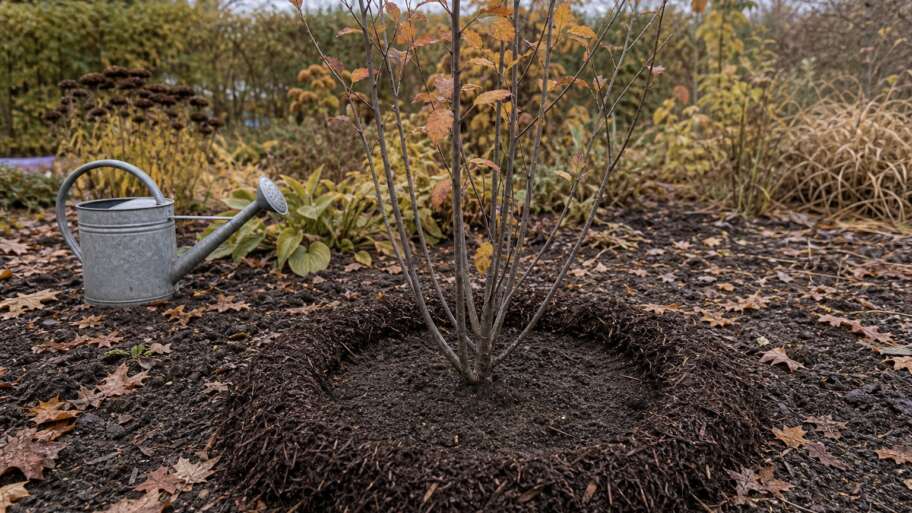
By October, the visible garden starts behaving as if the year is almost filed away. Leaves thin out. Annuals lose their nerve. The tomato vines look tired, the border gets looser at the edges, and the first serious leaf rake begins to sound reasonable. But the garden has a poor sense of human endings. Above ground, many plants are slowing…
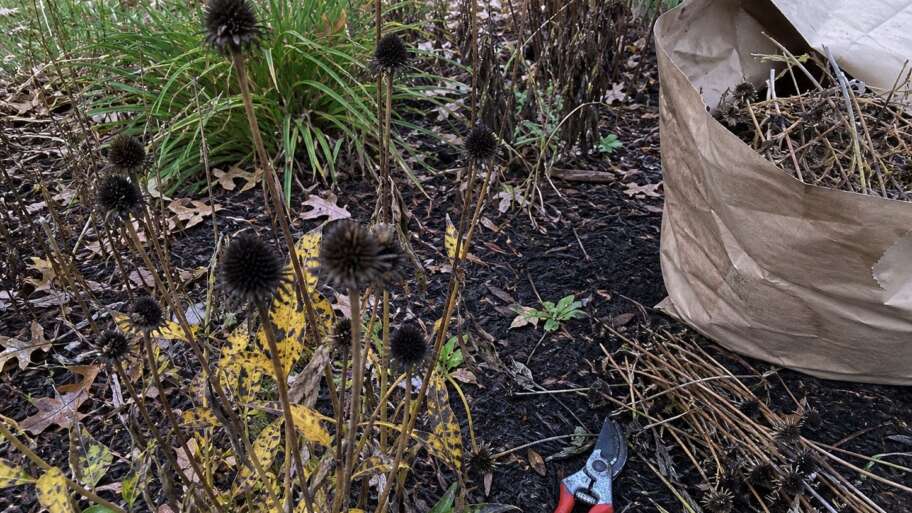
A spotless October garden has excellent public relations. The stems are gone. The leaves are bagged. The beds are shaved down to mulch and labels. From the sidewalk, it looks responsible, almost moral, as if the gardener has defeated decay itself and sent it away in kraft paper sacks. Here is the irritating truth: a garden that clean is often…
Read more about Your spotless fall garden is not the virtue you think it is
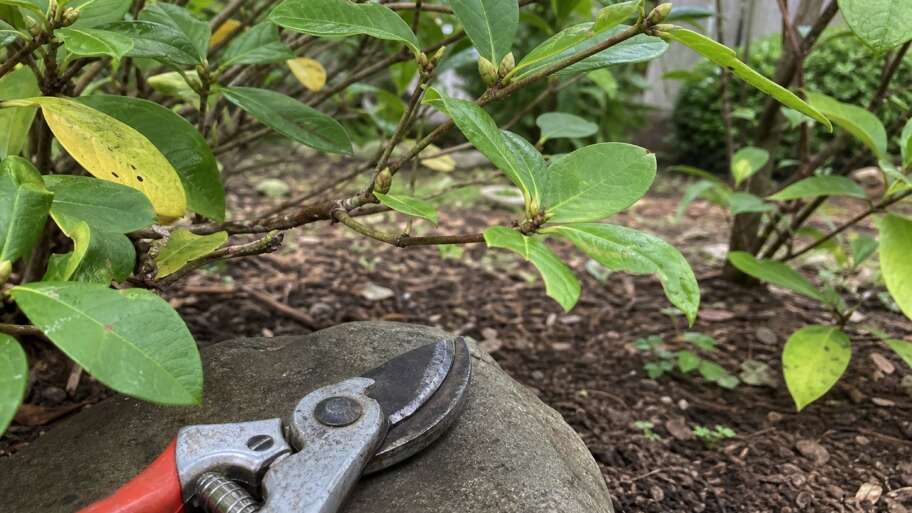
There is a particular kind of September energy that makes gardeners dangerous. The tomatoes are tired. The borders are shaggy. The paths are disappearing under late growth. Suddenly the pruners feel like a reasonable answer to everything. Then comes the satisfying cut. A lilac gets rounded. A forsythia gets shortened. A bigleaf hydrangea is made tidy for fall. The shrub…
Read more about The September pruning mistake that can erase next spring’s flowers