
Skip to content

Christian Hägg

Christian writes about the hidden structures of the natural world: spirals, symmetries, adaptations, and the oddities that make plants fascinating. His interests include carnivorous plants, mathematical patterns in nature, and the science behind everyday garden life.

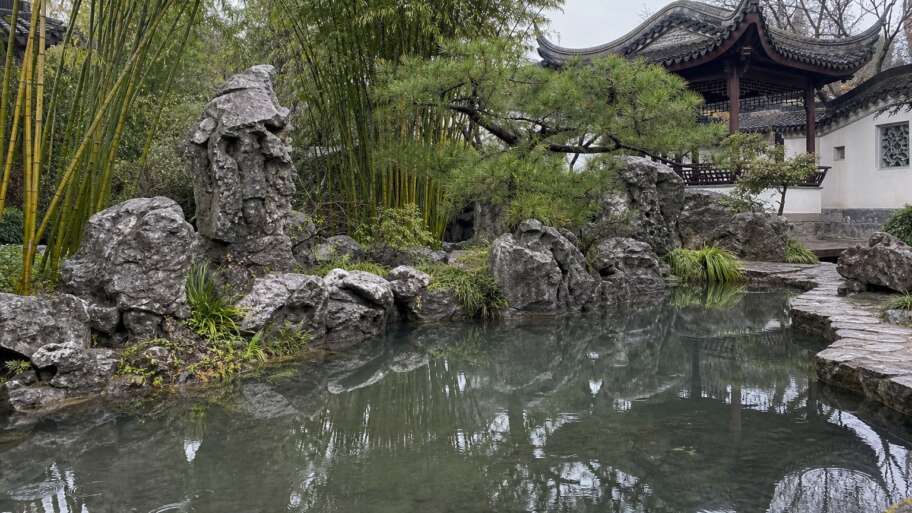
Chinese gardens, built as landscapes for the mind

Chinese gardens, built as landscapes for the mind

“Classical Chinese garden” is useful shorthand only when its limits are clear. This article focuses on the urban private-garden tradition associated with Jiangnan and Suzhou, not on every garden in China. Imperial parks, temple grounds, farms, village plots, and modern public landscapes had different owners and purposes. The surviving Suzhou gardens are a particularly refined branch of a much larger…

Read more about Chinese gardens, built as landscapes for the mind

Roman Mediterranean gardening without the myth

Roman Mediterranean gardening without the myth

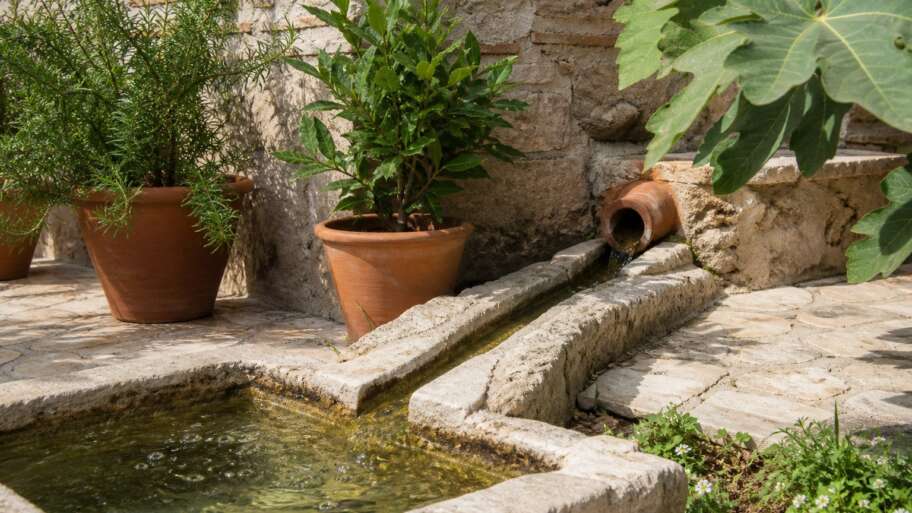
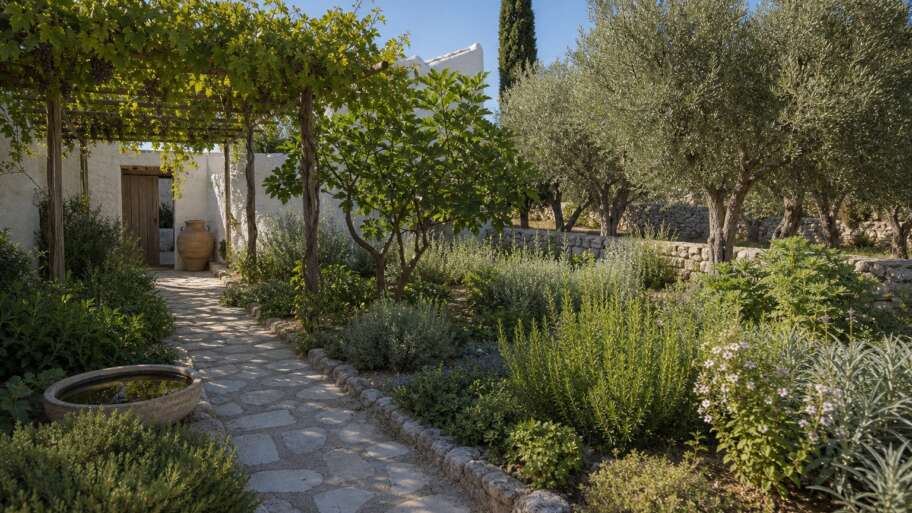
Roman Mediterranean gardening did not happen in a postcard climate of endless lavender and polished stone. It happened in heat, winter rain, dust, trade, food production, household display, and unequal access to land, water, and labour. There was no single Roman garden style: a farm villa, an urban vineyard, a shop-house plot, and a wealthy peristyle court did different work.12…

Read more about Roman Mediterranean gardening without the myth

Ancient Roman gardens, built for shade, status, and supper

Ancient Roman gardens, built for shade, status, and supper

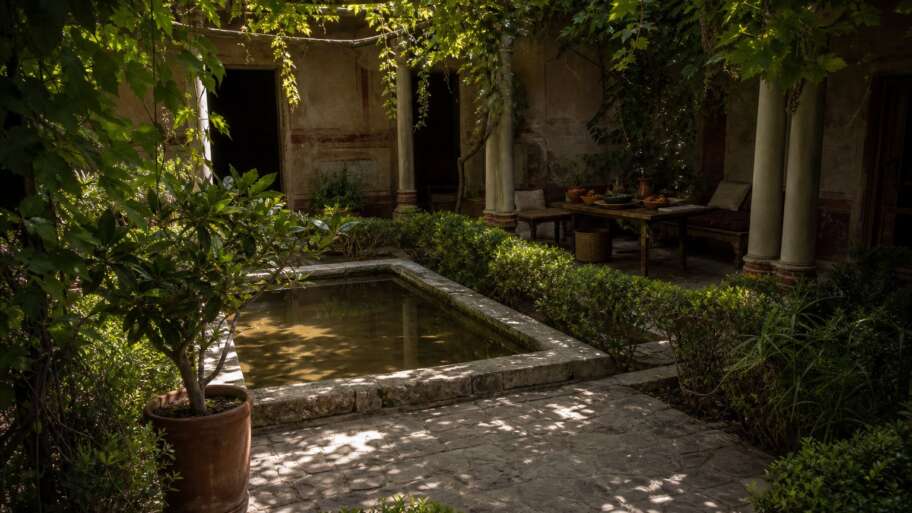
A Roman garden could be a room without a roof—but only one kind of Roman garden. In some town houses, a colonnaded peristyle framed an open court where planting, water, shade, and doorways worked together. Elsewhere a hortus was a productive plot, while an open court might support circulation, storage, craft, dining, or very little planting. The evidence resists a…

Read more about Ancient Roman gardens, built for shade, status, and supper

Ancient Greek garden design, where the grove mattered more than the lawn

Ancient Greek garden design, where the grove mattered more than the lawn

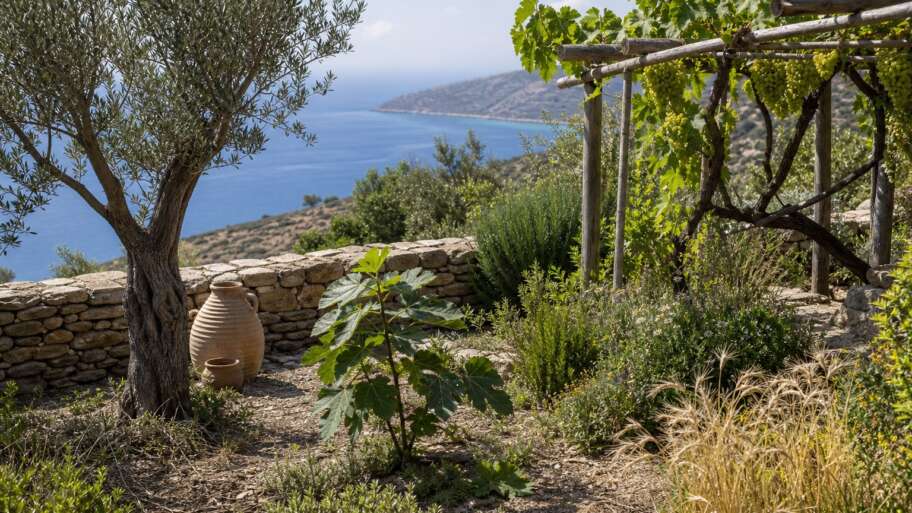
Ancient Greek garden design is easy to misread if we begin with clipped lawns, symmetrical borders, and a row of replica statues. Plant meaning in Greek life occupied many kinds of ground: sacred precincts, groves, orchards, market plots, courtyards, gymnasia, roadsides, springs, and agricultural estates. The grove, rather than the lawn, is the more revealing starting point. Even that phrase…

Read more about Ancient Greek garden design, where the grove mattered more than the lawn