
Discover how Maya communities shaped maize, beans, squash, cacao, and manioc through milpa farming, and what modern gardeners can learn.
Read more about Maya crops beyond “superfoods”: how the milpa works

Vegetables, herbs, fruit, and edible flowers—from cultivation and harvest to thoughtful food-safety context.
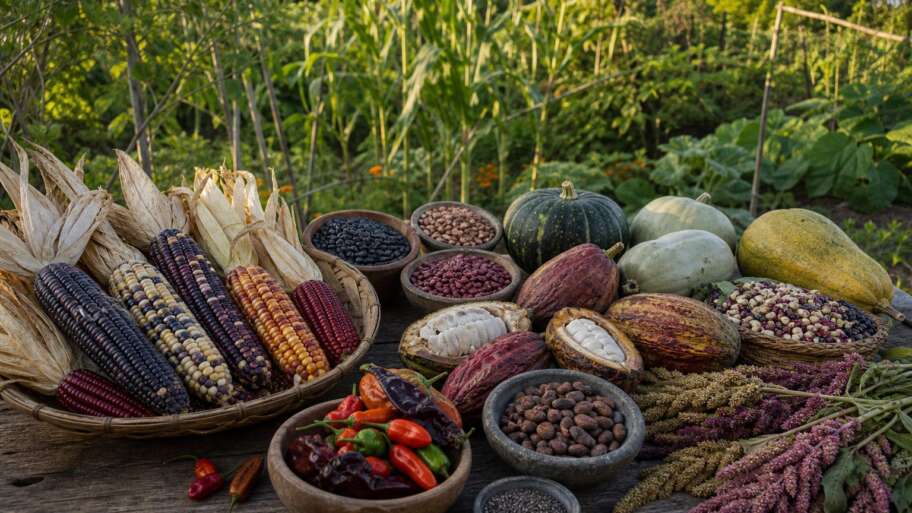
Discover how Maya communities shaped maize, beans, squash, cacao, and manioc through milpa farming, and what modern gardeners can learn.
Read more about Maya crops beyond “superfoods”: how the milpa works
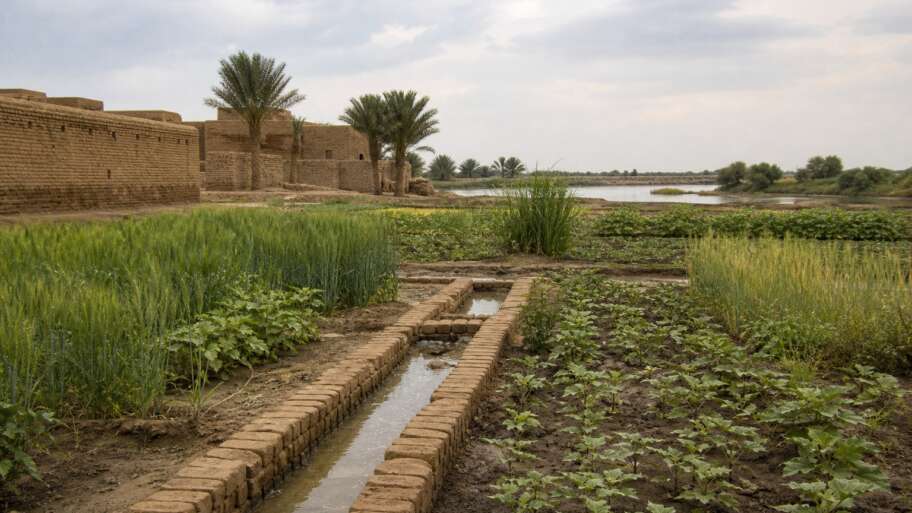
The Indus, or Harappan, world was not fed by one miracle crop or one irrigation system. Its settlements extended across parts of present-day Pakistan, north-western India, and Afghanistan, through landscapes that ranged from river plains to semi-arid margins. Even the term “Indus Valley” can hide that scale. The urban Harappan phase flourished broadly between about 2600 and 1900 BCE, but…
Read more about What Indus Valley farmers grew with river and monsoon
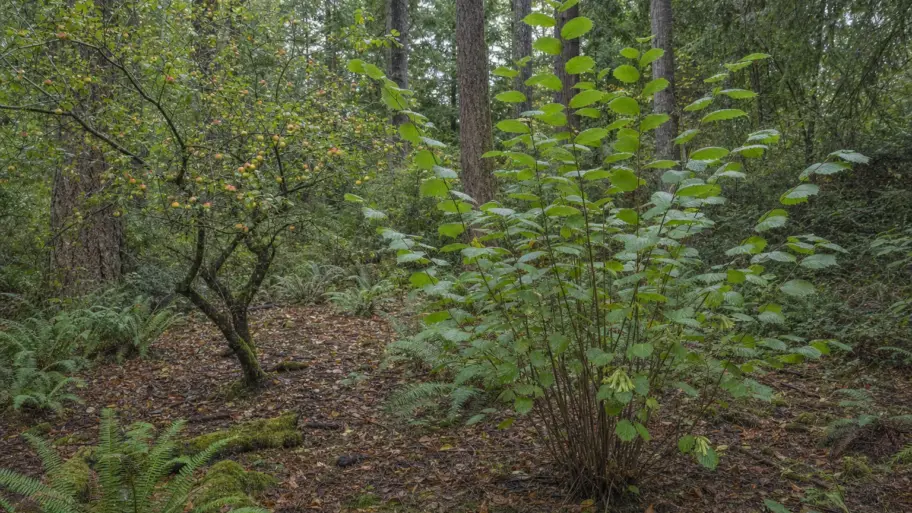
“Native American food forests” is a broad search phrase, not the name of one continent-wide tradition. This article focuses on forest gardens documented in the territories of several First Nations in what is now British Columbia, especially Sts’ailes. Their histories, responsibilities, and current decisions belong to particular communities. They should not be flattened into a planting recipe for outsiders. A…
Read more about Indigenous forest gardens, without the fantasy of wilderness
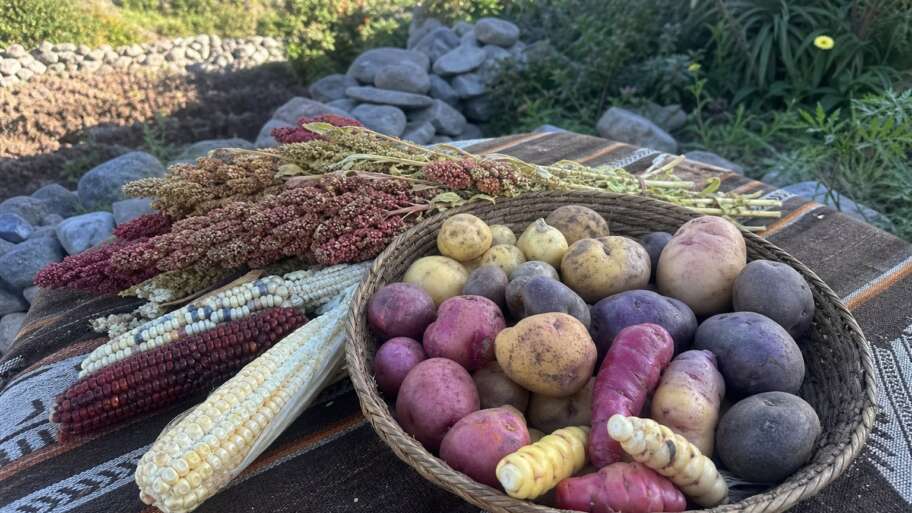
The Andean pantry is a lesson in edible insurance. It does not bet everything on one staple, one elevation, or one season. Potatoes, oca, ulluco, mashua, quinoa, kaniwa, maize, beans, peppers, lupines, and fruit from warmer valleys all belong to a food system shaped by thin air, frost, sun, slope, and distance. The potato is the obvious star, but a…
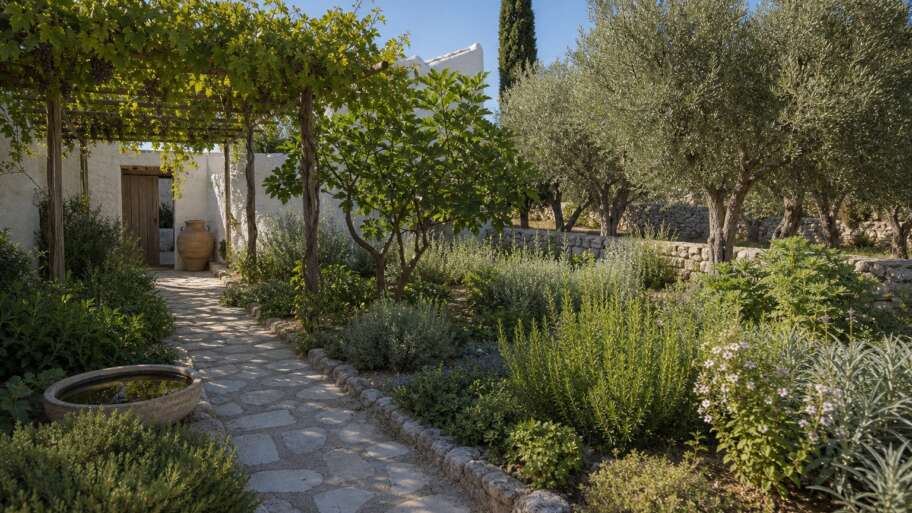
Ancient Greek garden design is easy to misread if we begin with clipped lawns, symmetrical borders, and a row of replica statues. Plant meaning in Greek life occupied many kinds of ground: sacred precincts, groves, orchards, market plots, courtyards, gymnasia, roadsides, springs, and agricultural estates. The grove, rather than the lawn, is the more revealing starting point. Even that phrase…
Read more about Ancient Greek garden design, where the grove mattered more than the lawn
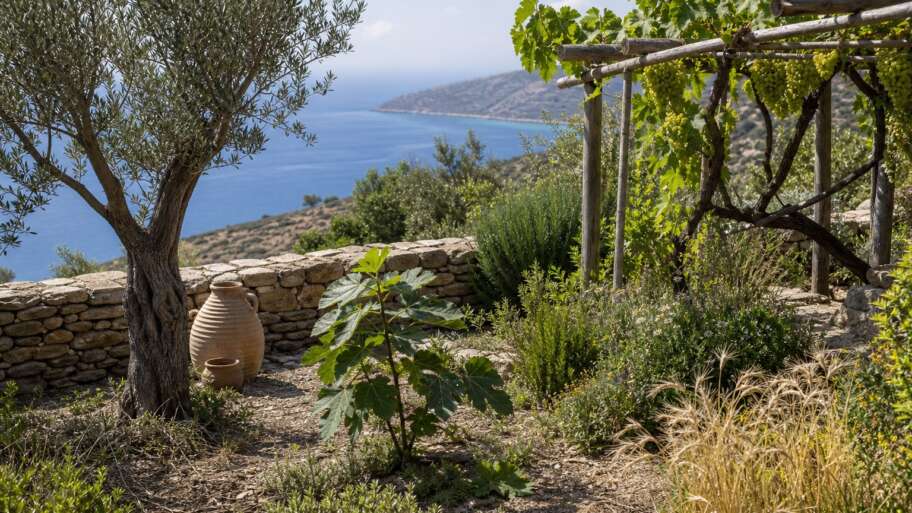
Olives and grapes can become so symbolic that their horticulture disappears. In ancient Greek stories and art, the olive may stand for Athena, victory, or peace, while the vine evokes Dionysus and wine. On actual cultivated ground, both were perennial woody plants. Someone had to establish them, prune them, judge a harvest, move the crop, and turn bitter fruit or…
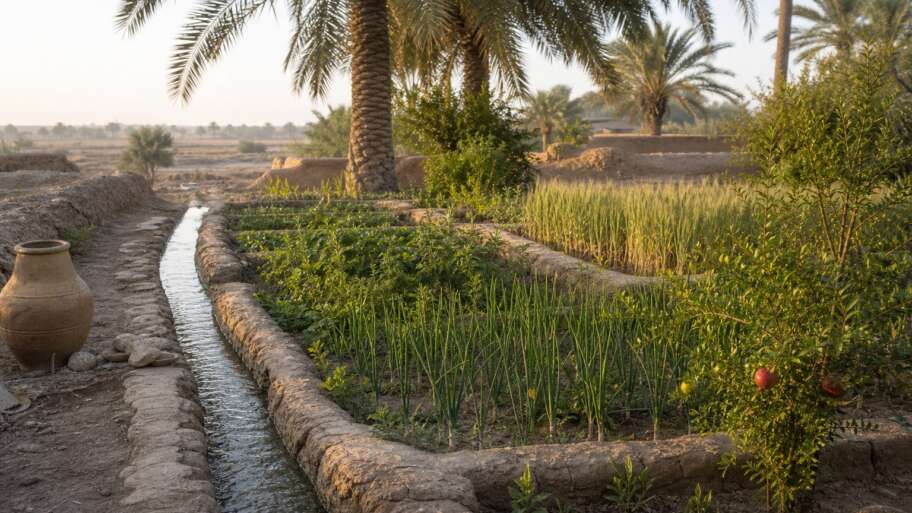
Ancient Mesopotamia covered many centuries and environments, so there was never one timeless “Mesopotamian garden.” A useful modern interpretation has to be more precise. This one takes its cue from the irrigated lowlands of southern Mesopotamia and from crops documented elsewhere in the region, while treating the Hanging Gardens as an unresolved historical question. The aim is not to build…
Read more about Ancient Mesopotamian plants for a modern dry garden
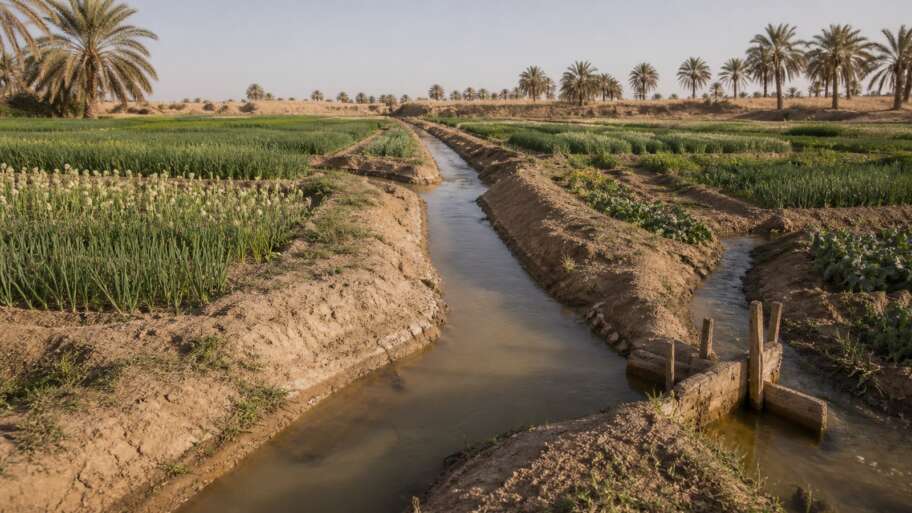
Mesopotamian irrigation was less a single invention than a living system of canals, gates, soil, labor, and shared water decisions.
Read more about Mesopotamian canals and the garden made by water
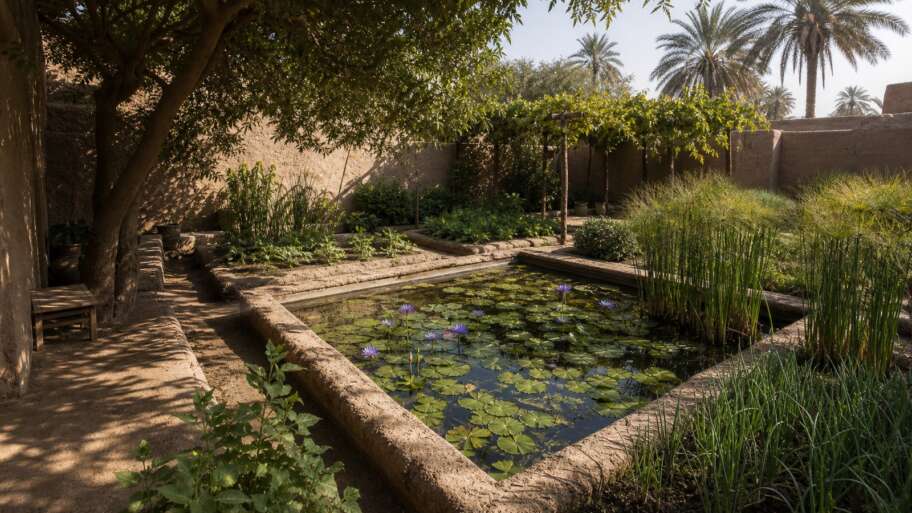
A fact-checked guide to ancient Egyptian garden design: Nile irrigation, rectangular ponds, sycomore figs, papyrus, water lilies, date palms, kitchen crops, and the tomato myth to avoid.
Read more about Egyptian gardens, from Nile mud to temple pond