
Skip to content

Edible Garden

Vegetables, herbs, fruit, and edible flowers—from cultivation and harvest to thoughtful food-safety context.

Keeping an edible landscape productive after the pretty plan

Keeping an edible landscape productive after the pretty plan

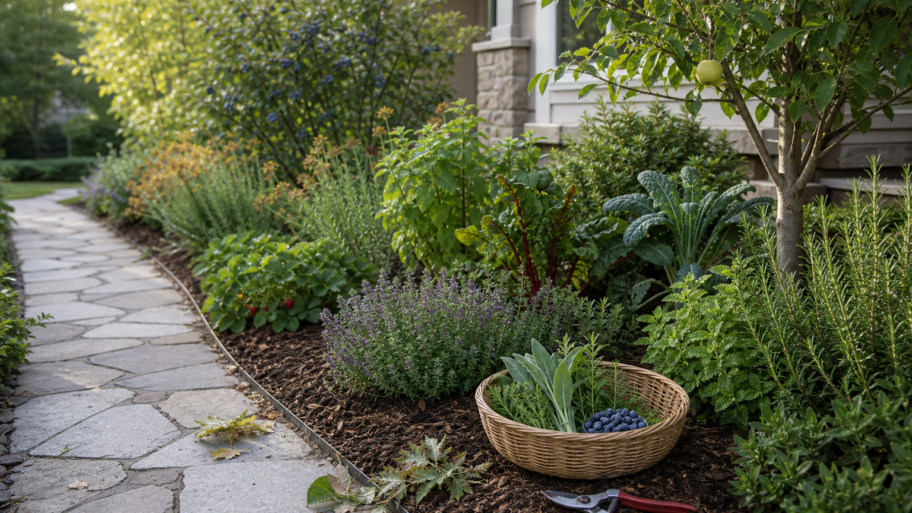
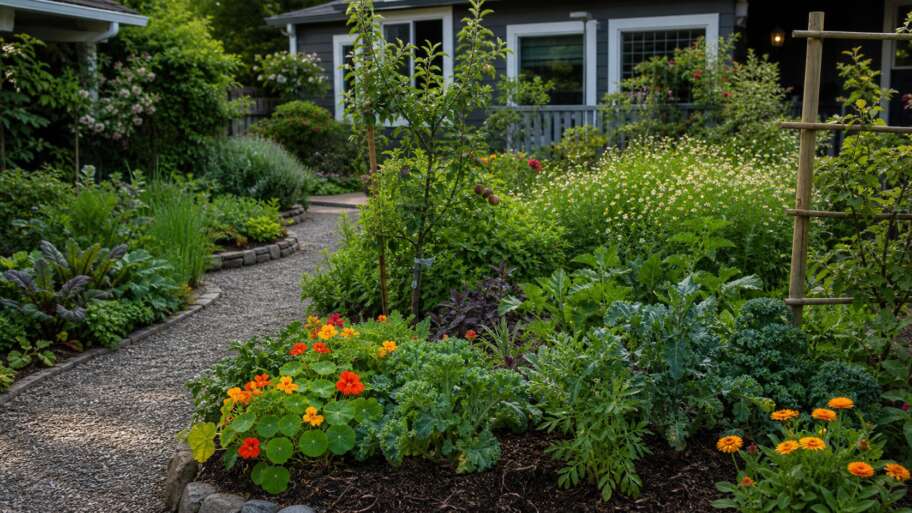
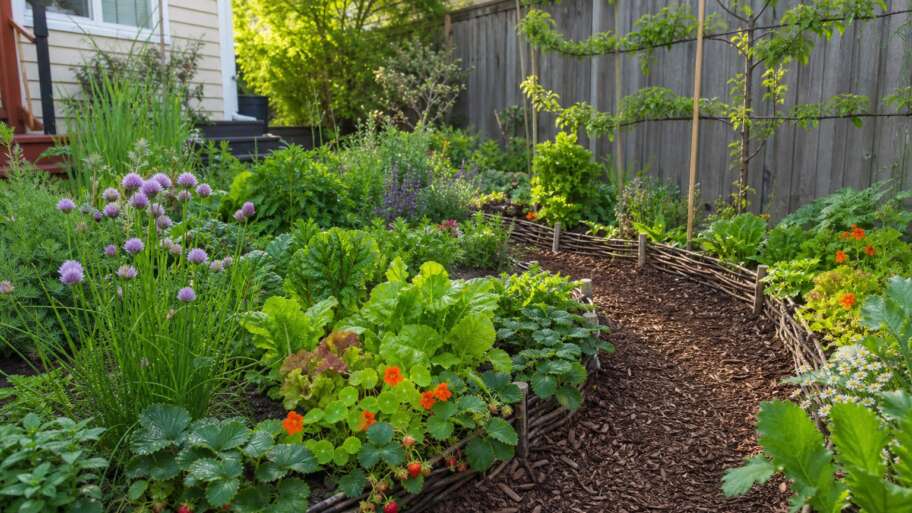
An edible landscape is easy to love when it is newly planted. The paths are clean, the herbs are tidy, the berry shrubs are promising, and the vegetables are still politely inside their allotted space. The real test comes later, when harvest, pests, drought, weeds, and tired crops arrive together. That is not a sign that the idea has failed.…

Read more about Keeping an edible landscape productive after the pretty plan

Using seaweed in the kitchen and garden without guesswork

Using seaweed in the kitchen and garden without guesswork

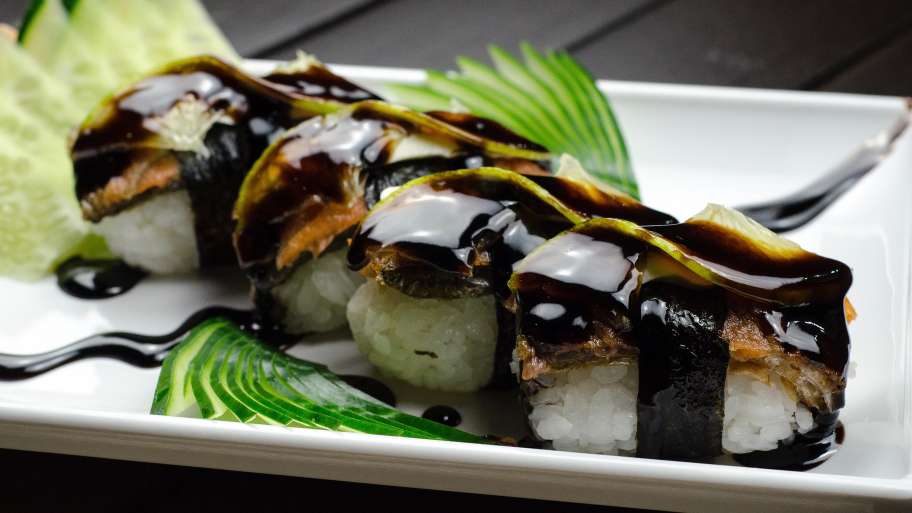
Seaweed is one of those materials that tempts gardeners into overclaiming. It can be food, a compost ingredient, mulch, a commercial plant product, and a coastal curiosity. It is also a marine organism that can concentrate iodine, salts, and contaminants from its surroundings. The useful approach is not to treat seaweed as magic. It is to decide what material you…

Read more about Using seaweed in the kitchen and garden without guesswork

Seaweed gardening starts with the coast, not a pot

Seaweed gardening starts with the coast, not a pot

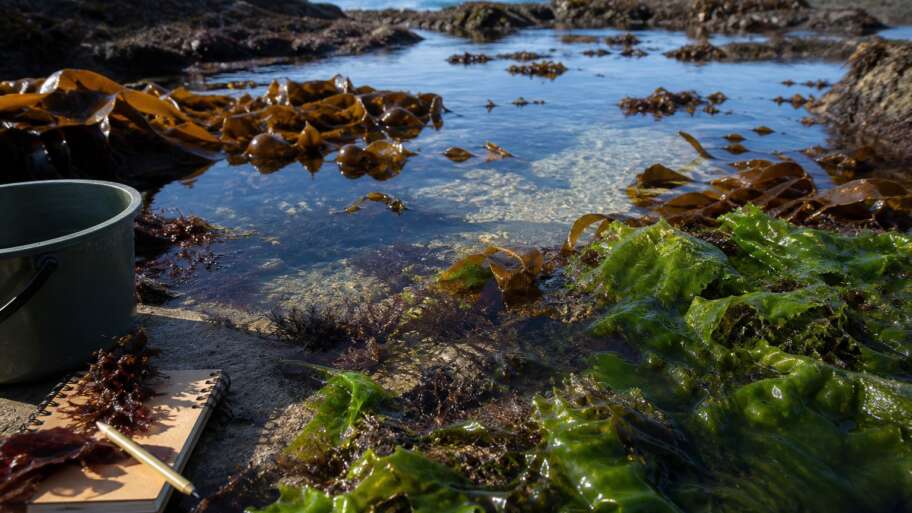
The phrase seaweed gardening can be misleading. It suggests a tray on a windowsill, a bucket of seawater, or a tidy underwater bed that behaves like lettuce. Real seaweed belongs first to the coast. It lives in tides, light gradients, currents, salinity, temperature, and marine food webs. To understand it as a gardener, begin there. Seaweeds are marine macroalgae rather…

Read more about Seaweed gardening starts with the coast, not a pot

Monastic herbs, kitchen plants, and the medieval medicine bed

Monastic herbs, kitchen plants, and the medieval medicine bed

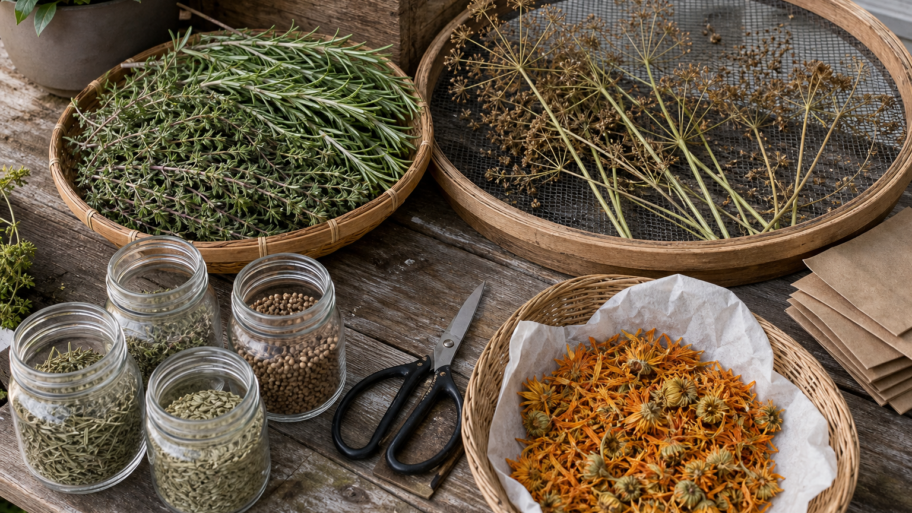
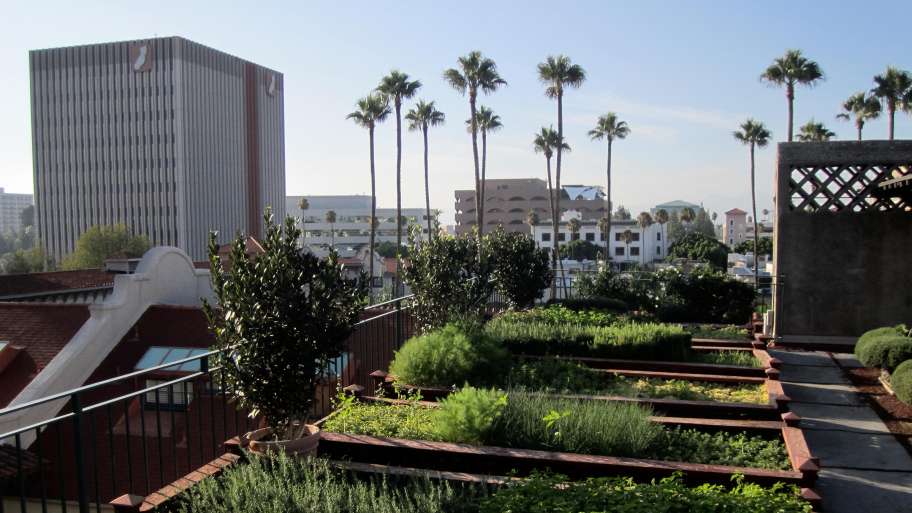
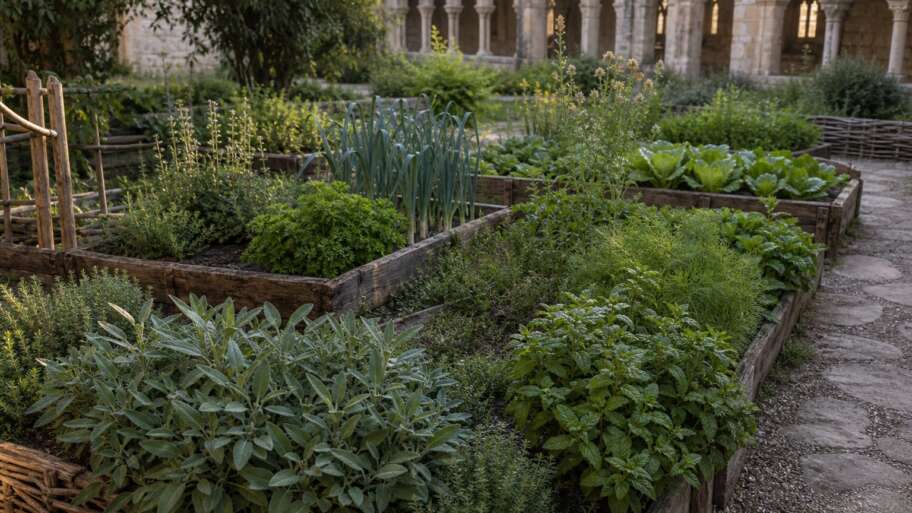
A monastic herb garden was not a quaint collection of scented plants. It could serve the kitchen, infirmary, storeroom, and classroom, while also providing fragrance and beauty. Monks, nuns, and other workers needed to recognize plants, tend them, harvest the right part, and keep one bundle distinct from another. The same sage or fennel might enter food, household work, and…

Read more about Monastic herbs, kitchen plants, and the medieval medicine bed

What Indus Valley farmers grew with river and monsoon

What Indus Valley farmers grew with river and monsoon

The Indus, or Harappan, world was not fed by one miracle crop or one irrigation system. Its settlements extended across parts of present-day Pakistan, north-western India, and Afghanistan, through landscapes that ranged from river plains to semi-arid margins. Even the term “Indus Valley” can hide that scale. The urban Harappan phase flourished broadly between about 2600 and 1900 BCE, but…

Read more about What Indus Valley farmers grew with river and monsoon