
Skip to content

Outdoor Gardening

The Three Sisters garden still knows what it is doing

The Three Sisters garden still knows what it is doing

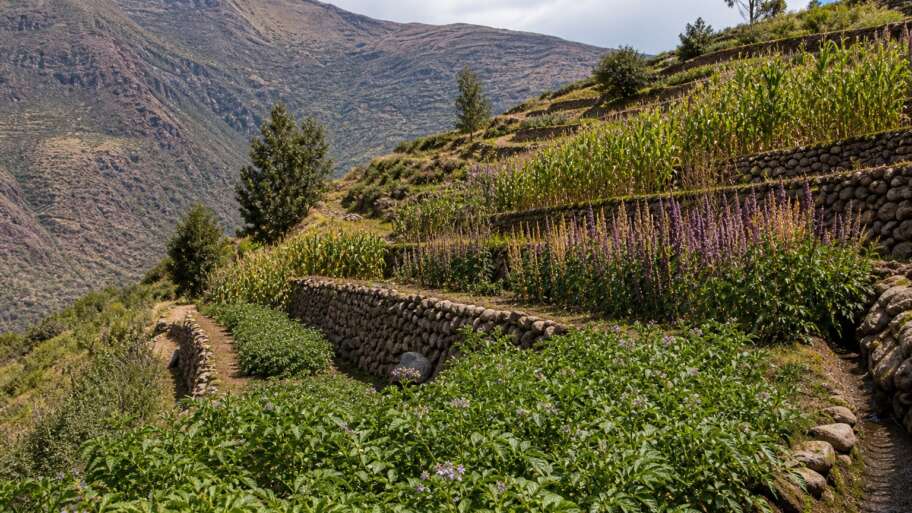
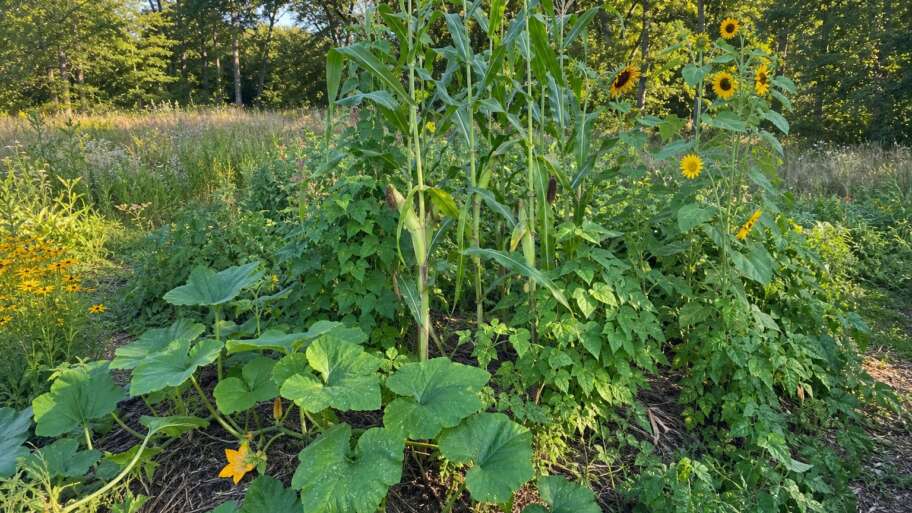
The Three Sisters garden is often reduced to a companion-planting diagram: corn as a pole, beans as fertilizer, squash as living mulch. Those relationships are real, but the diagram is too tidy. Corn, beans, and squash belong to living Indigenous food systems, and the name carries cultural meanings that a garden hack cannot hold. The USDA National Agricultural Library notes…

Read more about The Three Sisters garden still knows what it is doing
Roman Mediterranean gardening without the myth

Roman Mediterranean gardening without the myth

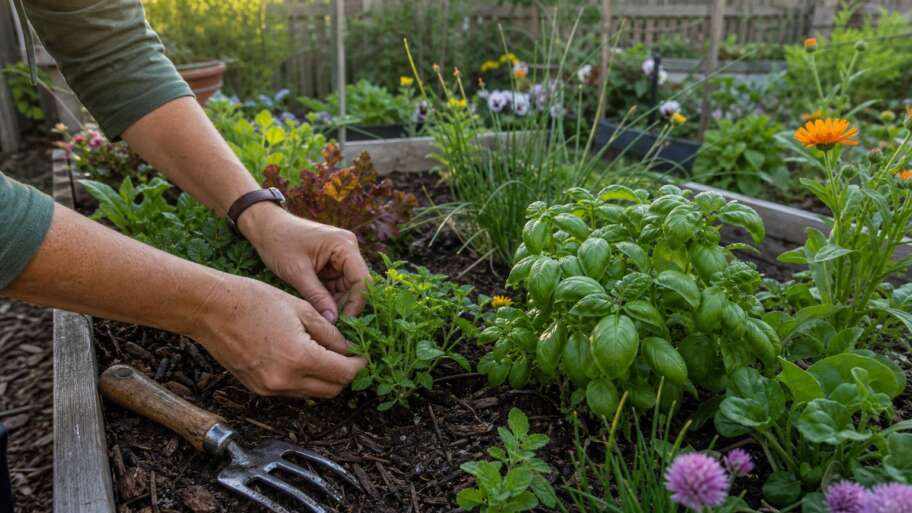
Roman Mediterranean gardening did not happen in a postcard climate of endless lavender and polished stone. It happened in heat, winter rain, dust, trade, food production, household display, and unequal access to land, water, and labour. There was no single Roman garden style: a farm villa, an urban vineyard, a shop-house plot, and a wealthy peristyle court did different work.12…

Read more about Roman Mediterranean gardening without the myth

Ancient Mesopotamian plants for a modern dry garden

Ancient Mesopotamian plants for a modern dry garden

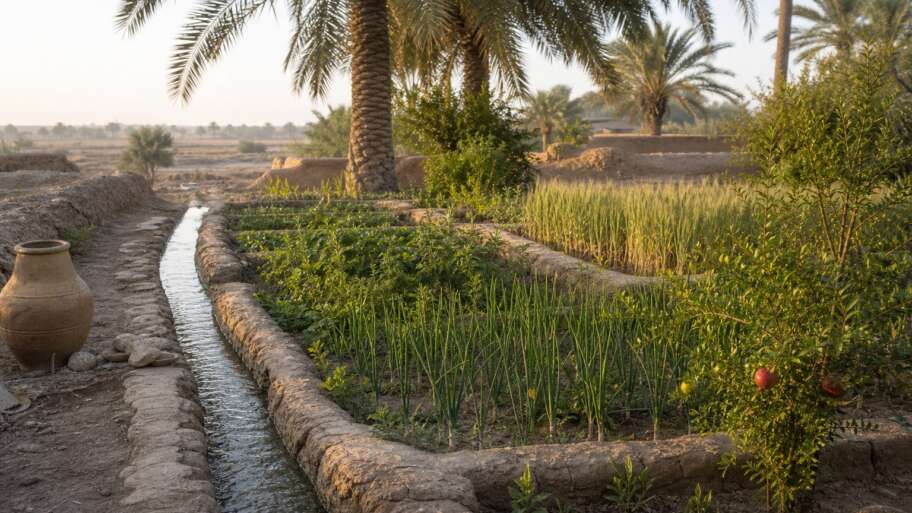
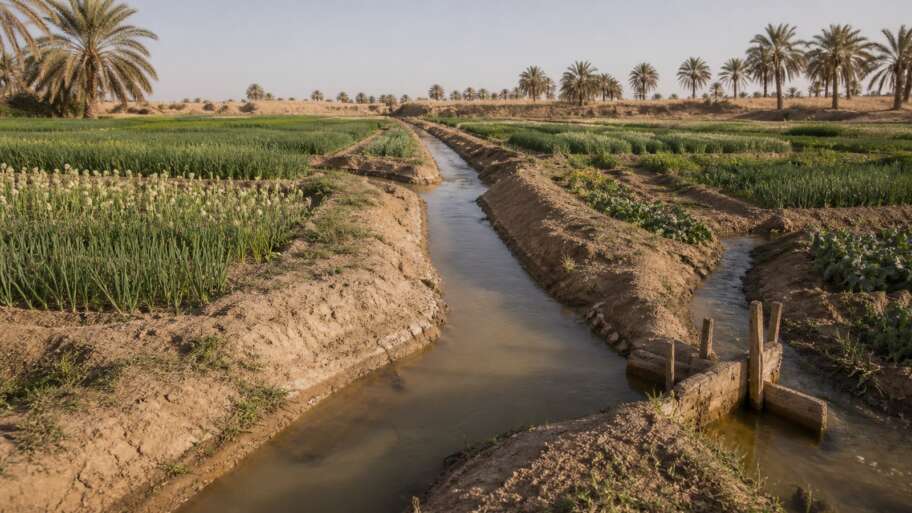
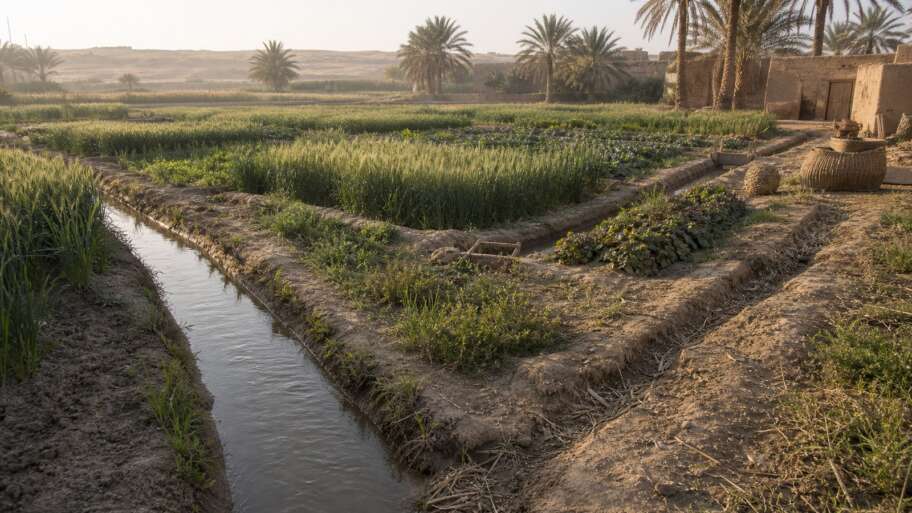
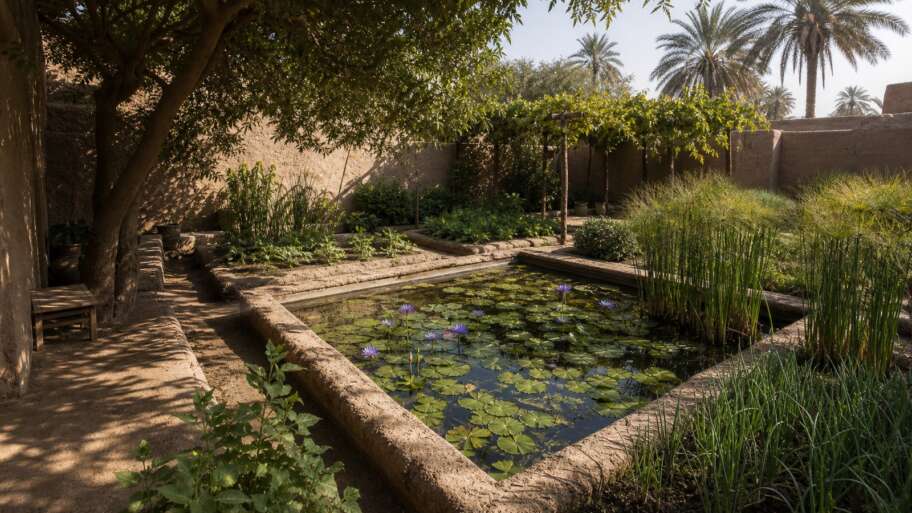
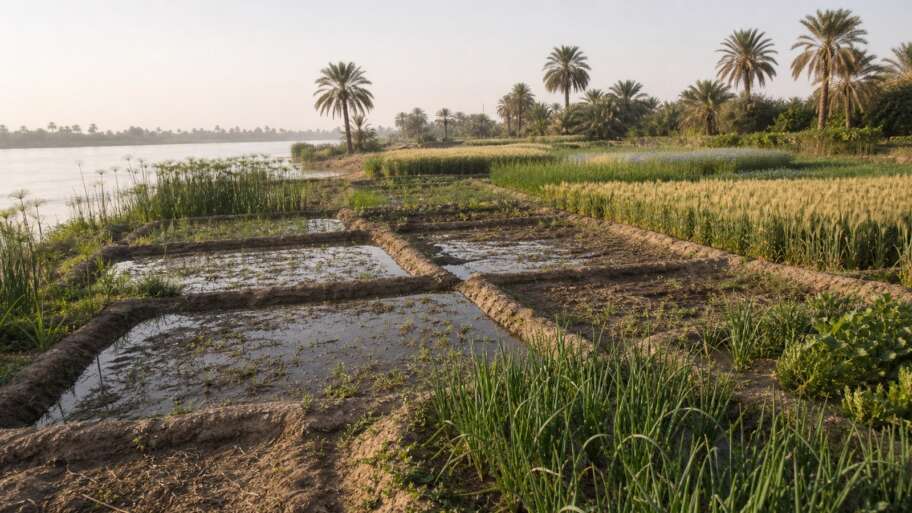
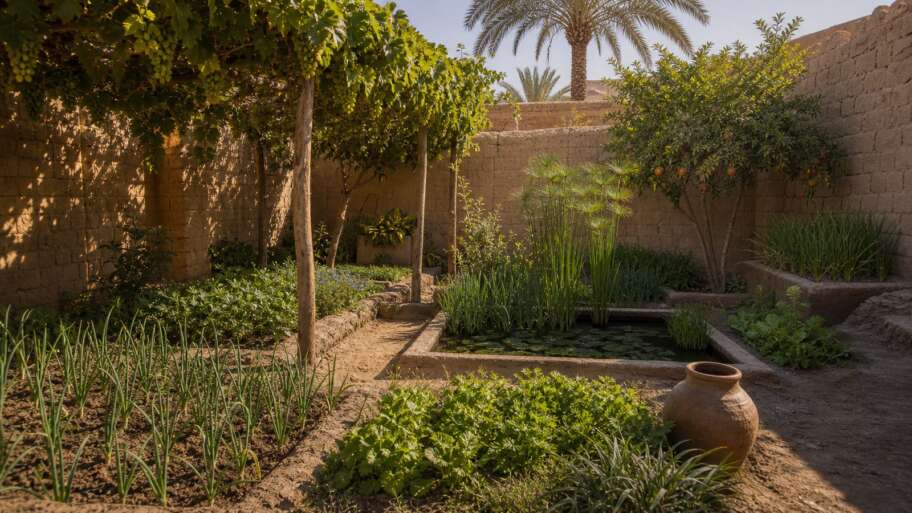
Ancient Mesopotamia covered many centuries and environments, so there was never one timeless “Mesopotamian garden.” A useful modern interpretation has to be more precise. This one takes its cue from the irrigated lowlands of southern Mesopotamia and from crops documented elsewhere in the region, while treating the Hanging Gardens as an unresolved historical question. The aim is not to build…

Read more about Ancient Mesopotamian plants for a modern dry garden