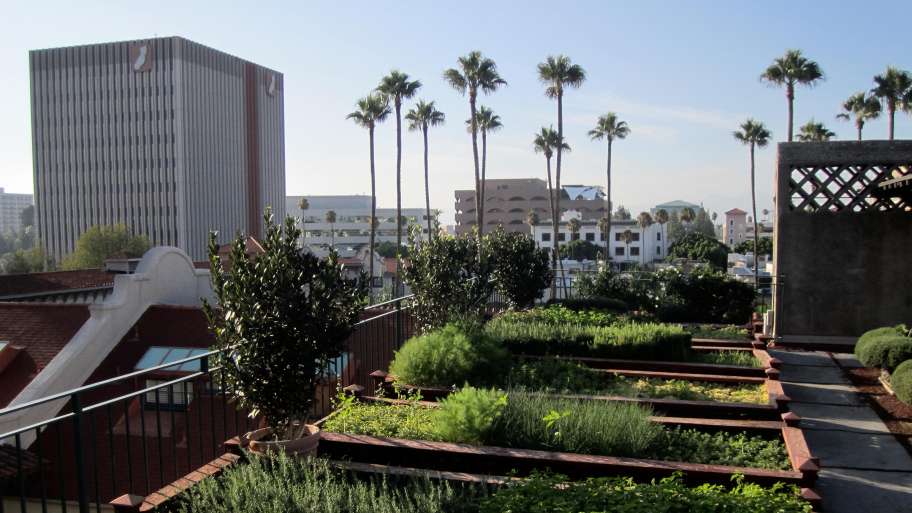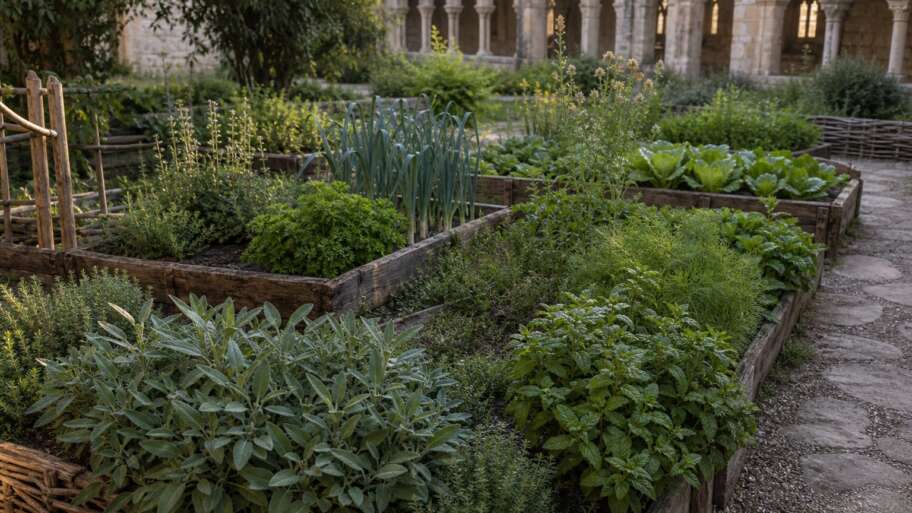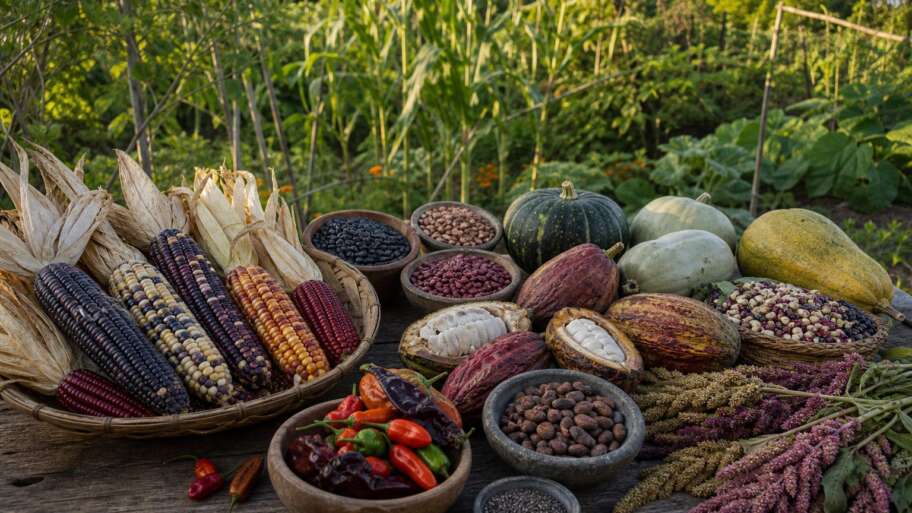

Inca terrace farming begins with a simple problem that still defeats many hillside gardens: water moves downhill faster than soil can hold it. The Andean answer was not one invention but a whole way of reading a mountain. A slope became a set of shelves, drains, paths, walls, planting pockets, and microclimates. It is more accurate to call this an…
Roman Mediterranean gardening did not happen in a postcard climate of endless lavender and polished stone. It happened in heat, dust, winter rain, social hierarchy, cooking, medicine, shade, water management, and display. The result was not one timeless style. It was a habit of making outdoor rooms useful. The Getty Villa, modeled on ancient Roman examples, is useful because it…
Mesopotamia is often introduced through kings, cities, writing, and canals, but its plant world deserves equal attention. A dry garden inspired by the region should not chase fantasy Babylon. It should begin with heat, river silt, controlled water, drainage, shade, and useful plants: barley, wheat, dates, onions, garlic, lentils, chickpeas, sesame, flax, grapes, figs, and pomegranates. The Metropolitan Museum of…
Mesopotamian irrigation was less a single invention than a living system of canals, gates, soil, labor, and shared water decisions.
Mesopotamia was not the single birthplace of farming, but it shows how water, silt, crops, animals, labor, and records became one of the first urban food systems.
A fact-checked guide to ancient Egyptian garden design: Nile irrigation, rectangular ponds, sycomore figs, papyrus, water lilies, date palms, kitchen crops, and the tomato myth to avoid.
A fact-checked look at Nile basin irrigation, shadufs, silt, flood timing, and what modern gardeners can borrow from Egypt’s old water logic.
A fact-checked guide to ancient Egyptian gardening: Nile floodwater, basin irrigation, useful plants, ponds, shade, and what modern gardeners can borrow without repeating old crop myths.