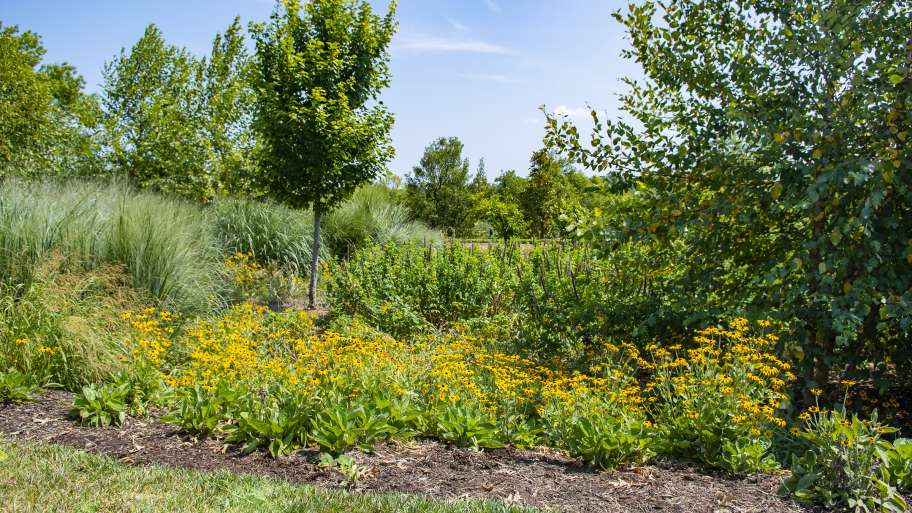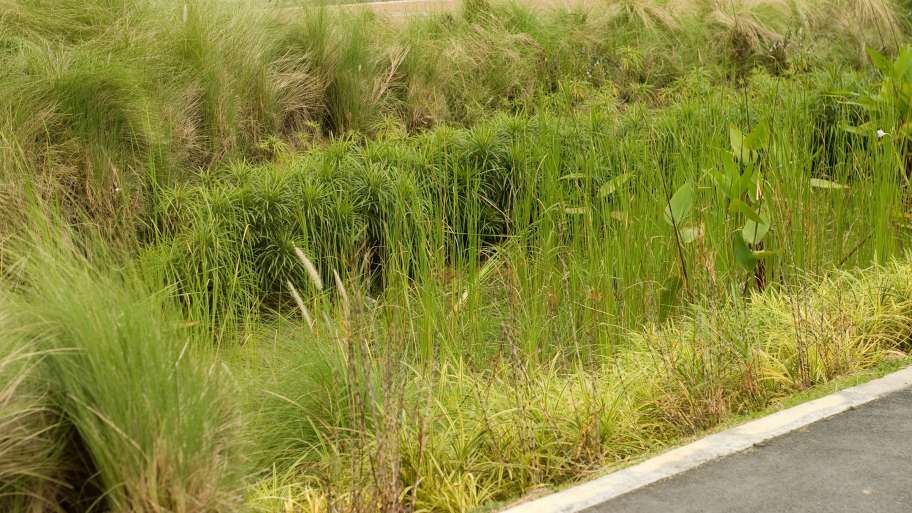

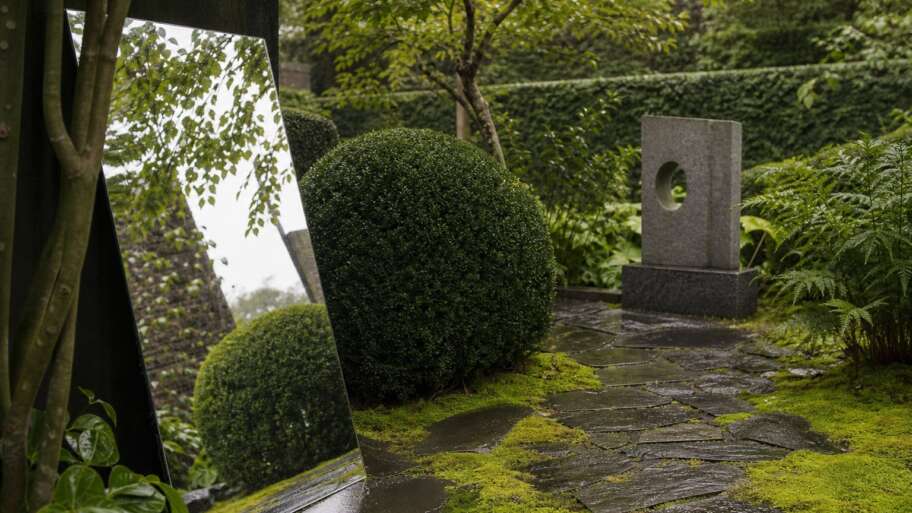
The least interesting xeriscape is a yard that looks punished for needing less water. A good xeriscape feels alive. It has shade, bloom, scent, movement, seasonal seed heads, and enough open ground for the plants to read clearly. The water savings come from design discipline, not from removing pleasure. Colorado State University PlantTalk describes xeriscaping as a water-conserving approach built…
Xeriscaping has suffered from a bad photograph: a house surrounded by gravel, a few lonely plants, and the faint feeling that the garden has been erased. That is not the idea. Xeriscaping is a method for designing landscapes that use water carefully. It can be spare, lush, modern, wild, edible, or pollinator-rich. What it cannot be is careless about water.…
A rooftop garden lives in a harsher garden climate than the address suggests. Wind dries leaves. Containers heat and cool quickly. Water drains fast, then becomes difficult to carry. Reflected sun can turn a mild day into a small oven. The maintenance plan has to be designed for those pressures, not borrowed from a backyard border. EPA describes green roofs…
The most important rooftop garden decisions happen before the first planter is purchased. A roof is not a patio that happens to be higher. It has load limits, drainage paths, waterproofing, wind exposure, access issues, and safety edges. Design begins with those facts, then moves toward plants. EPA notes that green roofs can help manage stormwater and reduce heat, but…
Rooftop gardens are seductive because they seem to create land out of air. A bare roof becomes herbs, grasses, tomatoes, sedums, shade, and a place to sit above the street. The transformation is real, but the roof is still a roof. Structure, wind, water, drainage, and access decide what kind of garden is possible. EPA describes green roofs as vegetated…
A monastic herb garden was not a quaint collection of scented plants. It was part kitchen, part infirmary, part classroom, and part memory system. Monks and lay workers grew plants for flavor, preservation, comfort, dye, fragrance, and medicine. The same sage or fennel could belong to a meal, a remedy, and a manuscript margin. The Met Cloisters gardens include plants…
The story of Maya crops is not a museum story. Maize, beans, squash, chiles, cacao, amaranth, root crops, fruit trees, and herbs still shape gardens and kitchens across the Americas and beyond. They carry food value, ceremony, trade, memory, and ecological intelligence. Kew describes the milpa as a crop system in which maize is grown with beans, squash, and other…
A medicinal garden can be one of the most satisfying ways to grow history, but it is worth keeping the romance on a short leash. India’s medical traditions include sophisticated plant knowledge, culinary habits, ritual uses, and written systems such as Ayurveda. They do not turn every leaf in the herb bed into a harmless home pharmacy. Good gardening can…
The Three Sisters garden is often introduced as a neat companion-planting diagram: corn for a pole, beans for nitrogen, squash for shade. That summary is useful, but it is thinner than the real practice. For many Indigenous communities, corn, beans, and squash are foods, relatives, stories, and agricultural partners at once. A gardener can learn from the ecology while remembering…
Rice is easy to picture as a bowl of grain and harder to picture as a landscape. In the wet fields of ancient China, rice was not only a crop but a geometry of water: small basins, bunds, channels, seedlings, mud, and human timing. The plant’s biology made that system possible, but the system made the harvest dependable. Archaeological and…