
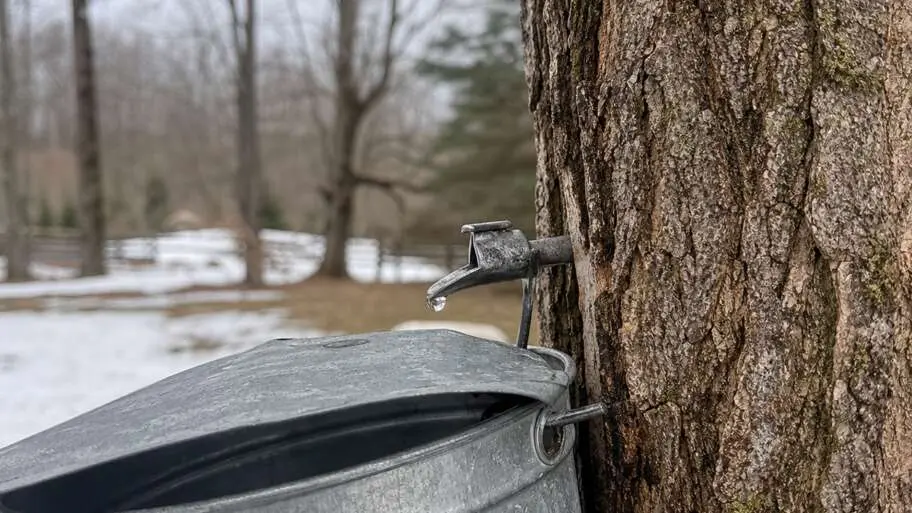
On a cold February morning, a maple with a bucket on it can sound more awake than the rest of the garden. The beds are still flat. The lawn is patched with old snow. The buds on the branches look tight and undecided. Then, from a small metal spout in the bark, a clear drop gathers, falls, and ticks against…
nature patterns
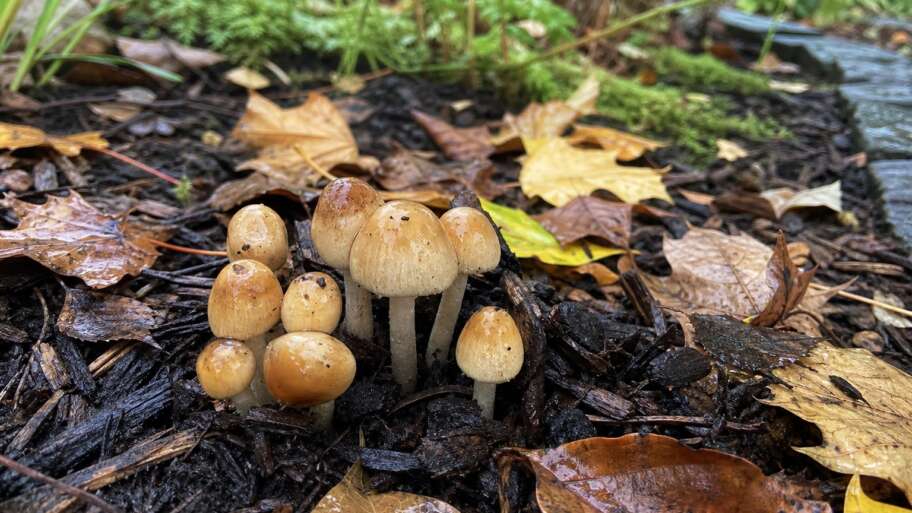
After a night of October rain, a garden bed can look as if someone has quietly moved in furniture. Yesterday there was only dark mulch under the asters, a few yellow leaves, and the damp edge of the path. This morning, a cluster of pale caps is standing there on thin stems, glossy with rain, arranged with the confidence of…
Read more about Why mushrooms rise overnight after autumn rain
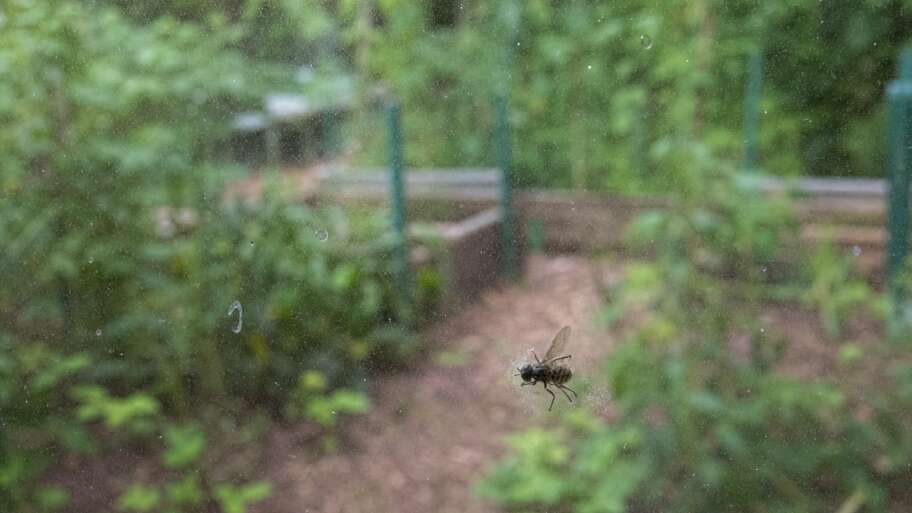
If you ever find a dead fly glued to a window, a fence rail, or the tip of a late-summer plant stem, do not wipe it away too quickly. Look at the wings first. If they are lifted like tiny glass doors, and a pale dusting sits around the body, you may be looking at one of the strangest deaths…
Read more about The fungus that turns flies into launch pads
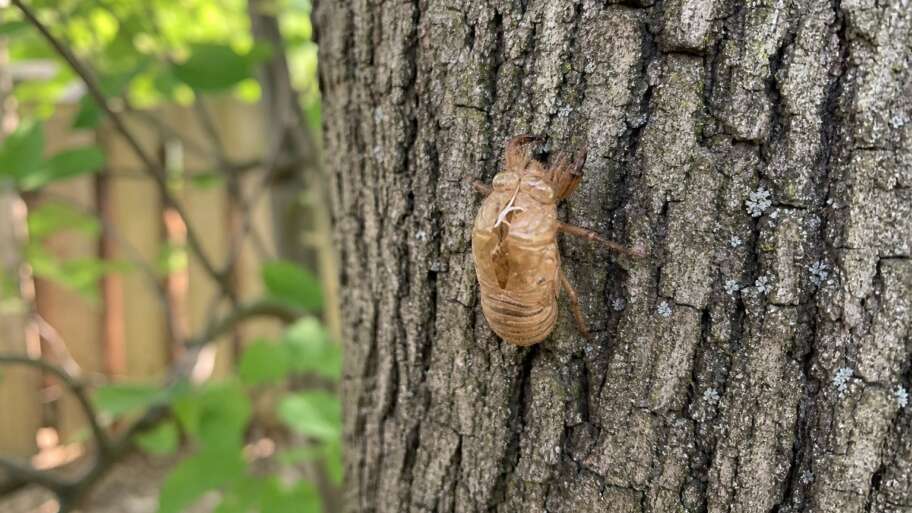
By early August, a tree trunk can start to look faintly haunted. A dry amber husk grips the bark at eye level. Another clings to a fence post beside the compost heap. One turns up on the underside of a hydrangea leaf, still shaped like a creature, but light as old paper. These are not dead cicadas. They are the…
Read more about The empty shells cicadas leave on summer bark
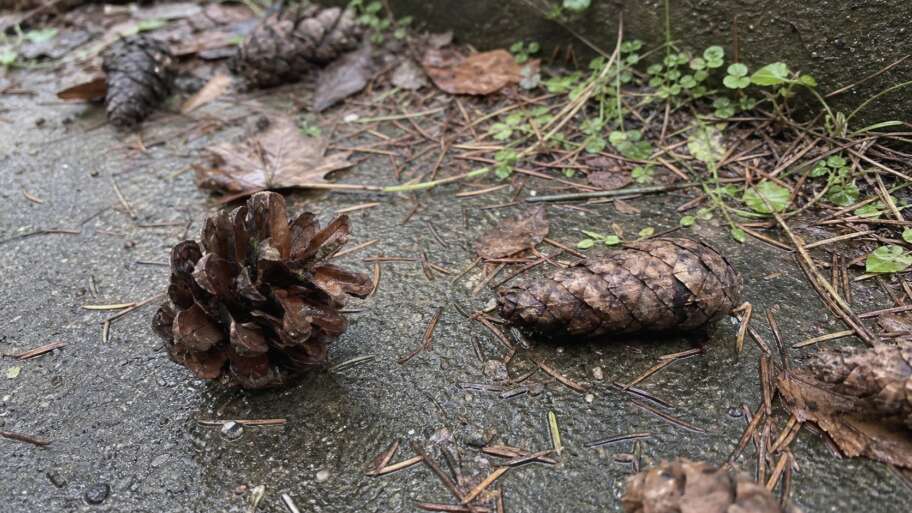
A pine cone on a December path can look like a small piece of carved weather. On a dry afternoon, its scales flare outward and cast little shadows. After rain, the same cone tightens into a darker, neater shape, as if it has tucked itself away from the cold. It is tempting to read this as a kind of plant…
Read more about Why pine cones open and close with the weather