

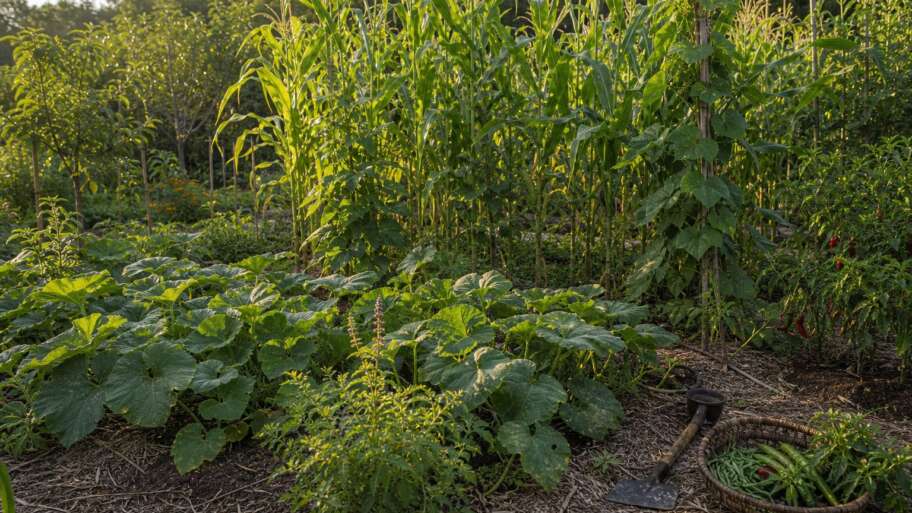
A milpa is easy to flatten into a diagram: maize in the middle, beans climbing its stems, squash spreading below. The real lesson is less tidy and more useful. Maya farmers have worked with different soils, rainfall patterns, elevations, crop varieties, forest stages, household needs, and markets. The planting is one moment in a system shaped by observation and labor.…
Latest articles
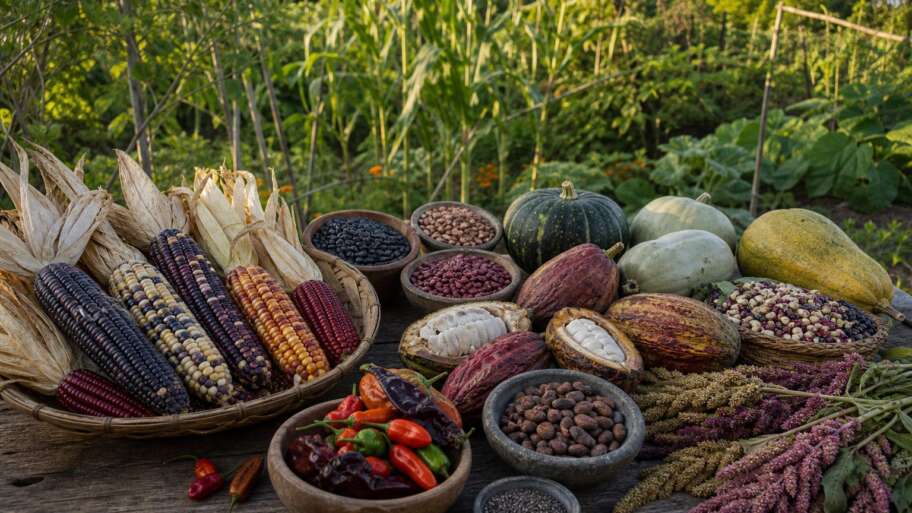
Discover how Maya communities shaped maize, beans, squash, cacao, and manioc through milpa farming, and what modern gardeners can learn.
Read more about Maya crops beyond “superfoods”: how the milpa works
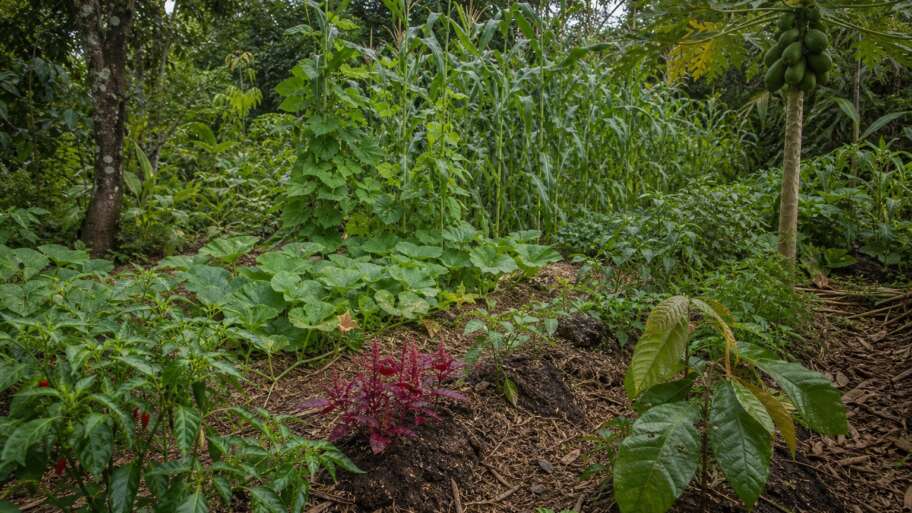
Maya horticulture is often reduced to a picture of maize in a clearing, but the better word is relationship. A milpa was not simply a field carved out of forest and then forgotten. It was part of a cycle of annual crops, useful trees, managed regrowth, soil memory, and household knowledge. The forest edge was not the opposite of the…
Read more about Maya horticulture, the milpa, and the forest edge
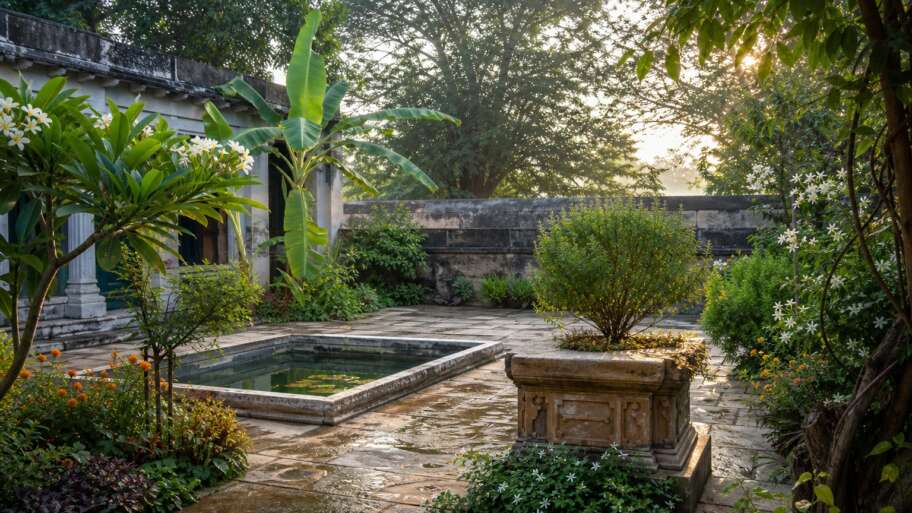
India does not have one sacred-garden tradition. The phrase can point to a community-protected forest patch, a Mughal garden-tomb, a temple enclosure, or a planted domestic courtyard. Those places arose in different regions, religions, political histories, and climates. Treating them as one decorative “Indian style” erases the distinctions that make each landscape worth understanding. There is still a useful thread…
Read more about Sacred gardens in India, from grove to courtyard
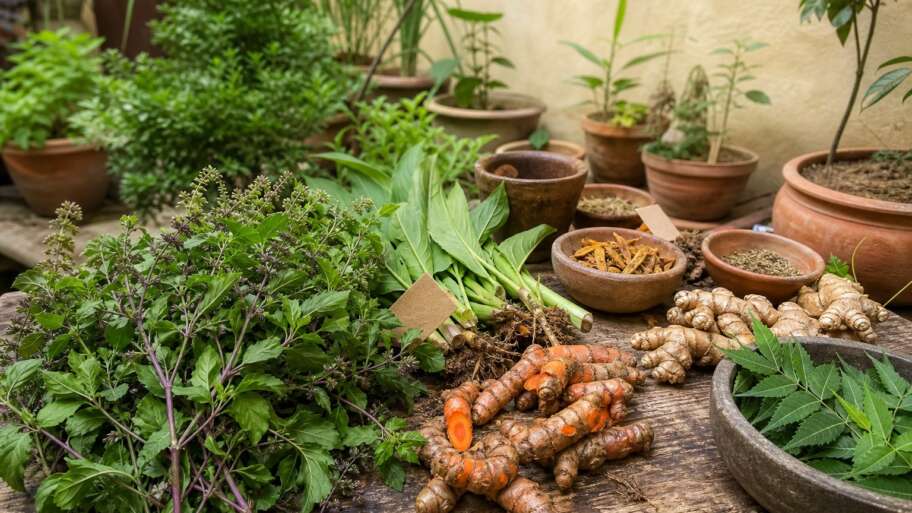
A garden of Indian healing plants can hold several kinds of history at once. Tulsi leaves release a clove-like scent when brushed. Turmeric disappears below the soil and returns at harvest as a startling orange rhizome. Ashwagandha finishes the season as a small, grey-green shrub rather than the anonymous powder seen on a shop shelf. Growing these plants makes their…
Read more about Ancient India’s healing plants, with the claims kept honest
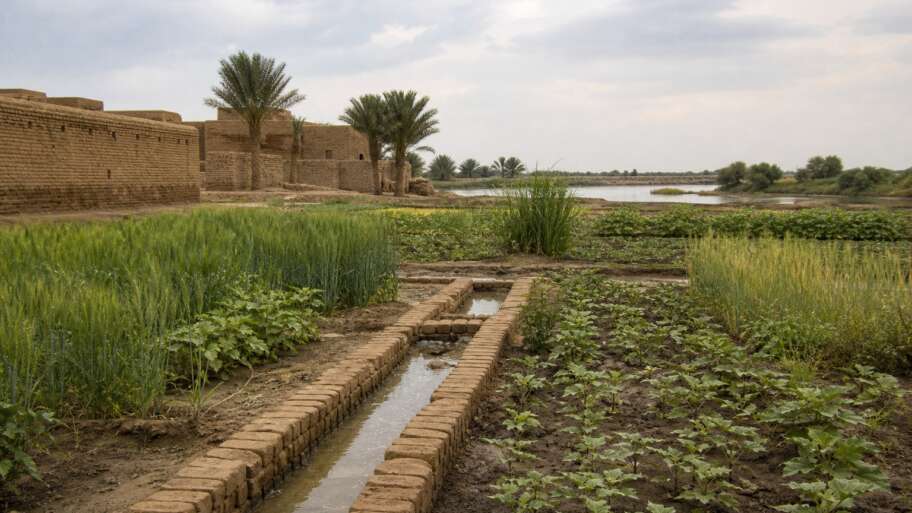
The Indus, or Harappan, world was not fed by one miracle crop or one irrigation system. Its settlements extended across parts of present-day Pakistan, north-western India, and Afghanistan, through landscapes that ranged from river plains to semi-arid margins. Even the term “Indus Valley” can hide that scale. The urban Harappan phase flourished broadly between about 2600 and 1900 BCE, but…
Read more about What Indus Valley farmers grew with river and monsoon
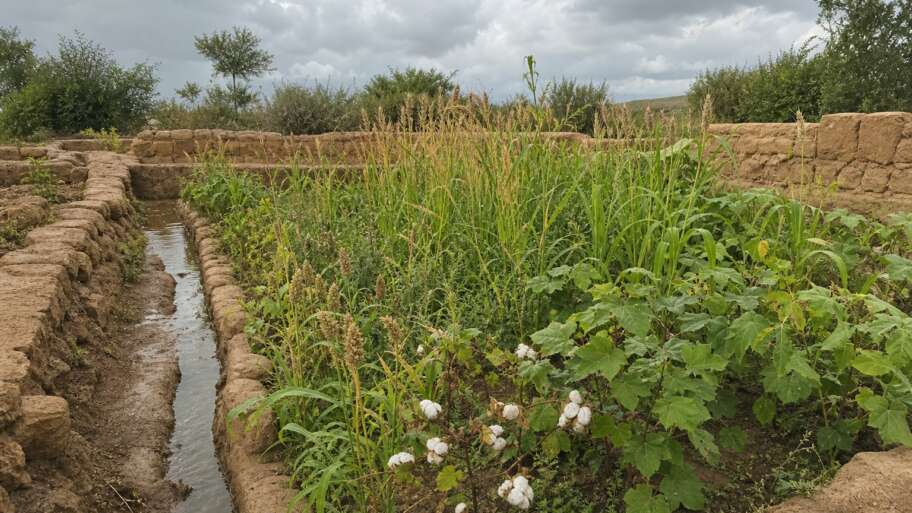
“Native American gardening” is an umbrella phrase, not a method. Many distinct nations have developed food and land practices in different climates, from humid Great Lakes country to the high desert. A crop combination, mound, or water-harvesting shape cannot be lifted from one place and presented as continental tradition. The useful starting point is the one the title promises: attention…
Read more about Native American gardening and the wisdom of place
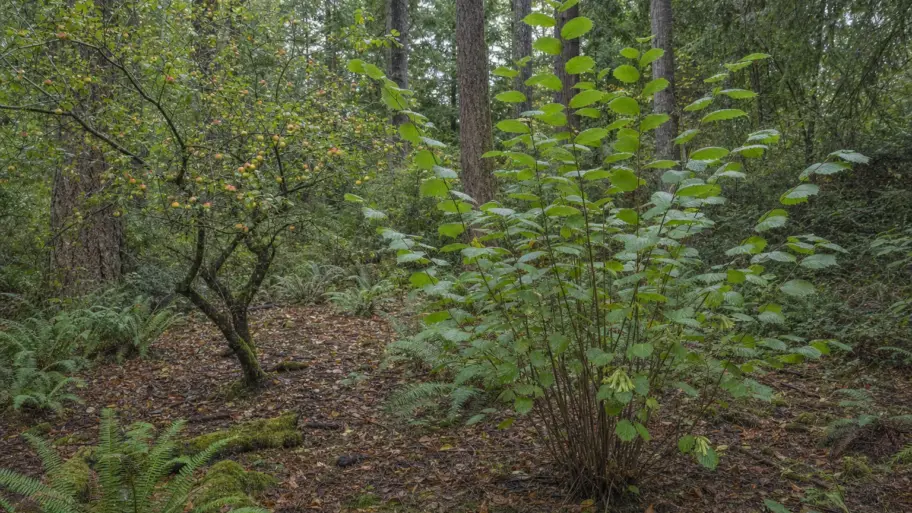
“Native American food forests” is a broad search phrase, not the name of one continent-wide tradition. This article focuses on forest gardens documented in the territories of several First Nations in what is now British Columbia, especially Sts’ailes. Their histories, responsibilities, and current decisions belong to particular communities. They should not be flattened into a planting recipe for outsiders. A…
Read more about Indigenous forest gardens, without the fantasy of wilderness
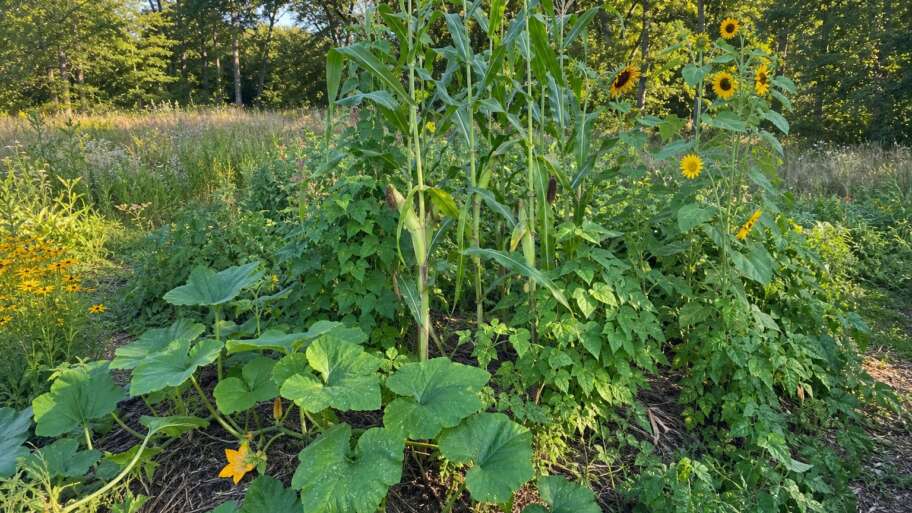
The Three Sisters garden is often reduced to a companion-planting diagram: corn as a pole, beans as fertilizer, squash as living mulch. Those relationships are real, but the diagram is too tidy. Corn, beans, and squash belong to living Indigenous food systems, and the name carries cultural meanings that a garden hack cannot hold. The USDA National Agricultural Library notes…
Read more about The Three Sisters garden still knows what it is doing
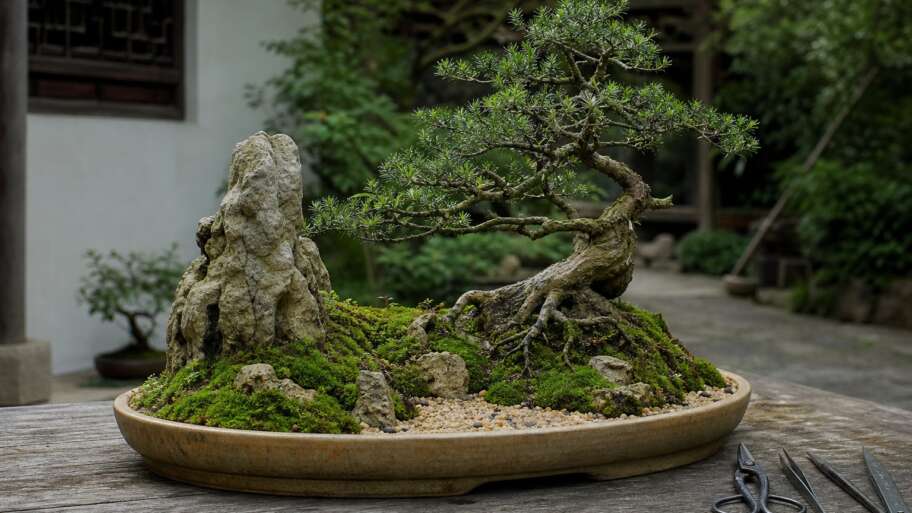
Penjing asks the gardener to think like a landscape painter with wet soil under the fingernails. A single tree may be the main character, but the tray, stone, moss, exposed root, and empty space can matter just as much. Keeping a plant small is only the starting constraint; the composition suggests age, weather, distance, and terrain through living material that…
Read more about Penjing, the miniature landscape with a mountain’s memory