
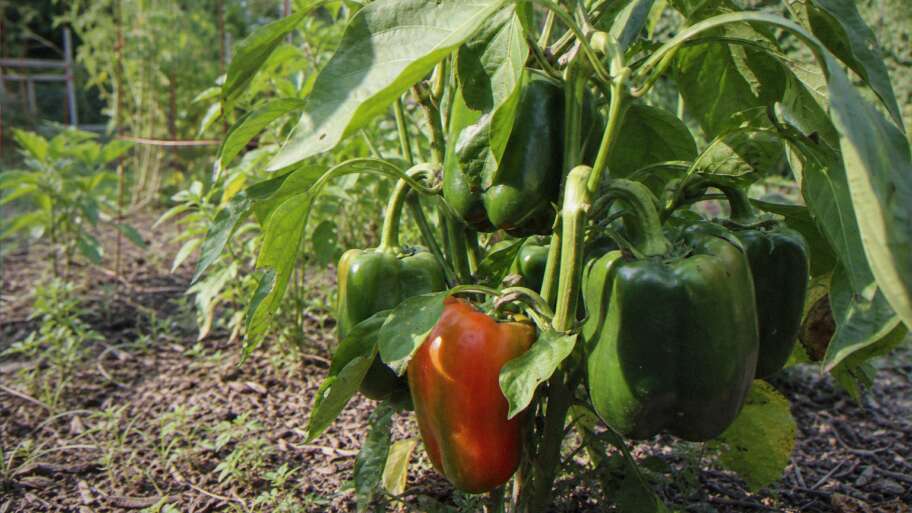
By August, a pepper plant can look as if it has misplaced its calendar. The fruit is full sized. The shoulders are glossy. The plant has done the hard work of flowering, setting fruit, and swelling those green walls into something that already feels like a harvest. Then the gardener waits for red, and the pepper seems to consider the…
Christian Hägg
Christian writes about the hidden structures of the natural world: spirals, symmetries, adaptations, and the oddities that make plants fascinating. His interests include carnivorous plants, mathematical patterns in nature, and the science behind everyday garden life.
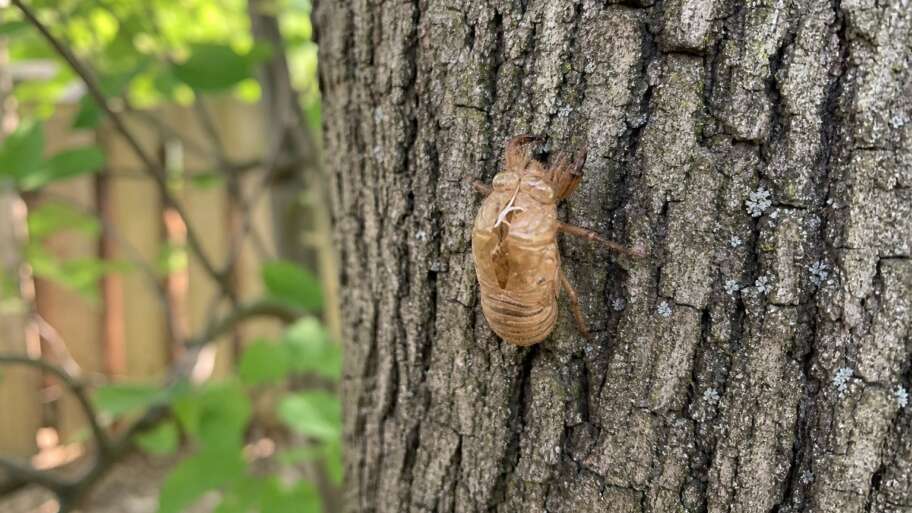
By early August, a tree trunk can start to look faintly haunted. A dry amber husk grips the bark at eye level. Another clings to a fence post beside the compost heap. One turns up on the underside of a hydrangea leaf, still shaped like a creature, but light as old paper. These are not dead cicadas. They are the…
Read more about The empty shells cicadas leave on summer bark
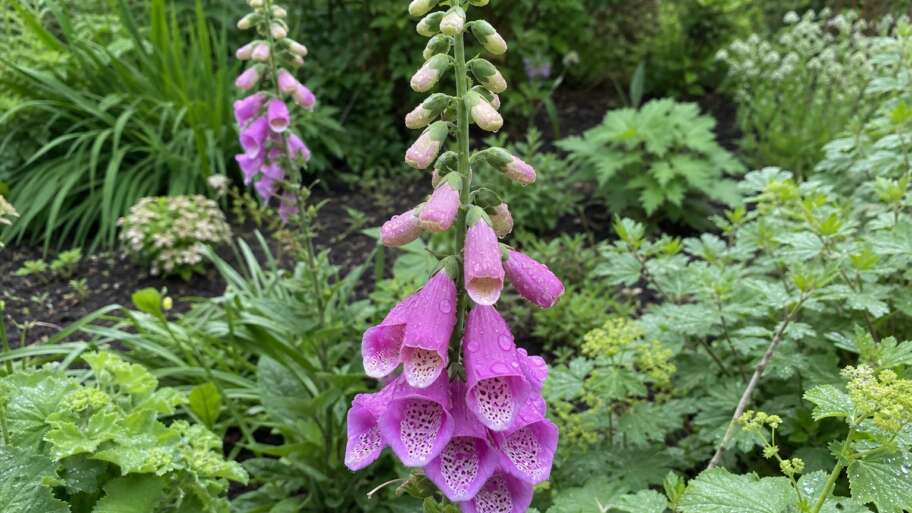
In late May, a foxglove spike can look as though it is keeping two calendars at once. The lowest bells are open, freckled, and deep enough for a bumblebee to disappear into. Halfway up the stem, the flowers are still folded tubes. At the tip, a queue of green buds waits, as if the plant is saving tomorrow’s color for…
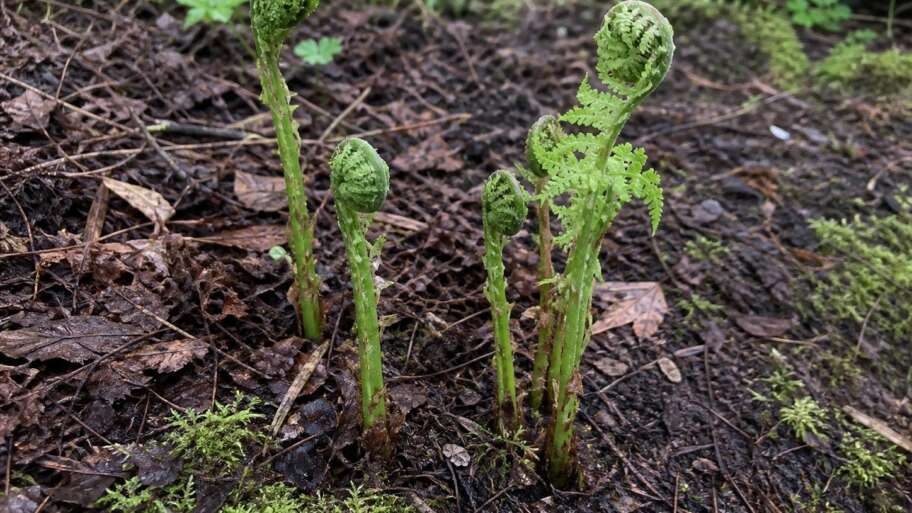
In the soft weather of May, ferns can make a shaded bed look as if it has invented a new kind of spring. One week there is only leaf litter, damp soil, and the brown remains of last year’s stems. Then little green scrolls rise from the crown, tucked inward like the heads of violins, each one holding a whole…
Read more about Why fern fiddleheads unroll instead of unfolding
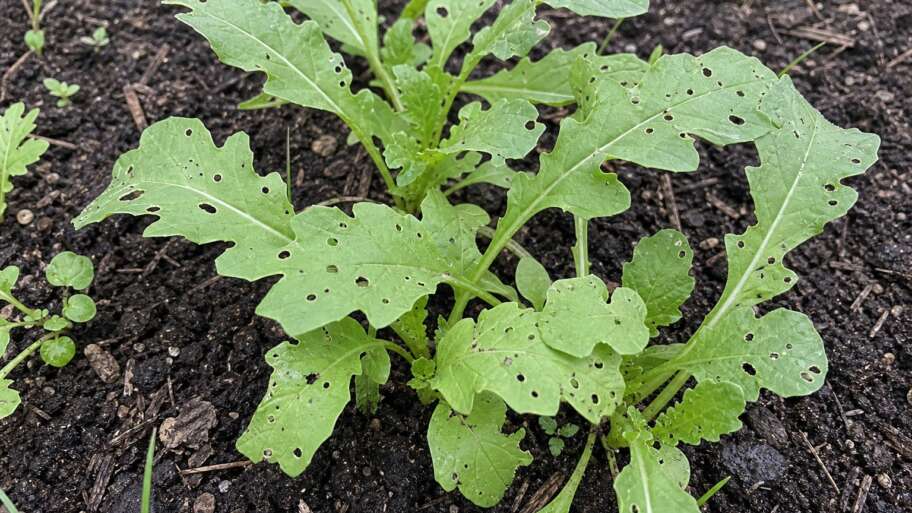
In late April, a bed of young greens can look perfect at breakfast and peppered by lunch. The arugula leaves are still bright and tender. The mustard seedlings are standing. The radish tops look cheerful. But every leaf has acquired tiny round holes, as if someone spent the morning tapping them with a miniature paper punch. The damage is so…
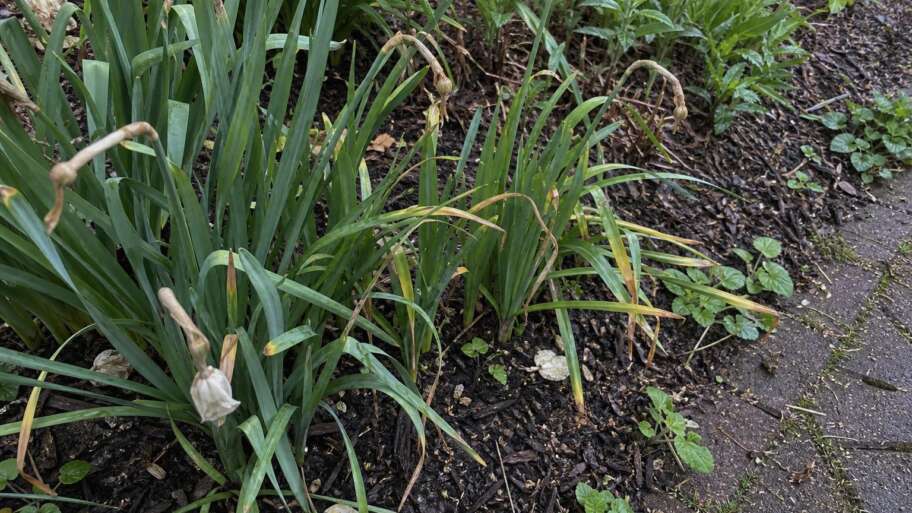
Late April is when spring bulbs start to lose the argument with taste. A daffodil that looked almost heroic two weeks ago now has a collapsed flower head, a papery stem, and a thick fountain of leaves leaning over the path. Tulips drop their petals and leave behind cups of green foliage that seem to take up more space than…
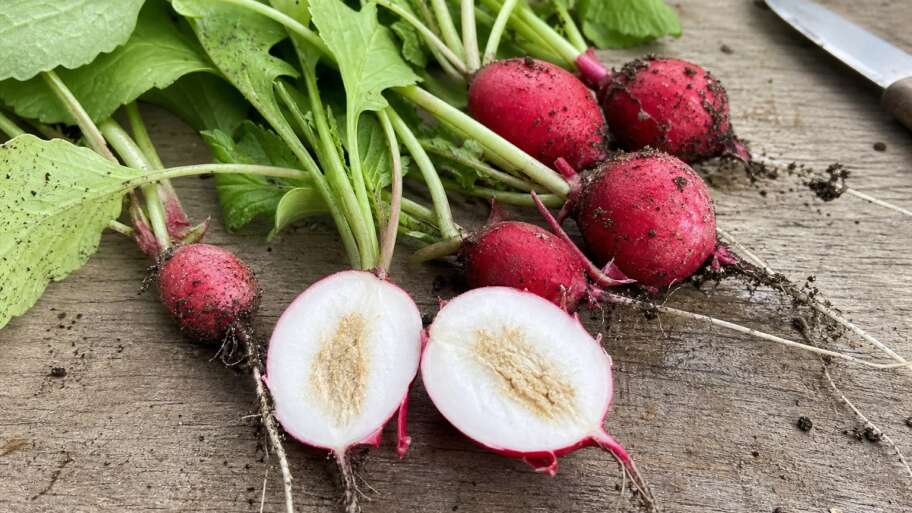
A good spring radish should feel almost impossible for something so quick: crisp, juicy, sharp enough to wake up a salad, and gone from seed to harvest before slower vegetables have settled into their stride. Then, some years, the first bite is a disappointment. The root looks fine from the outside, but inside it is dry, spongy, woody, or hollow.…
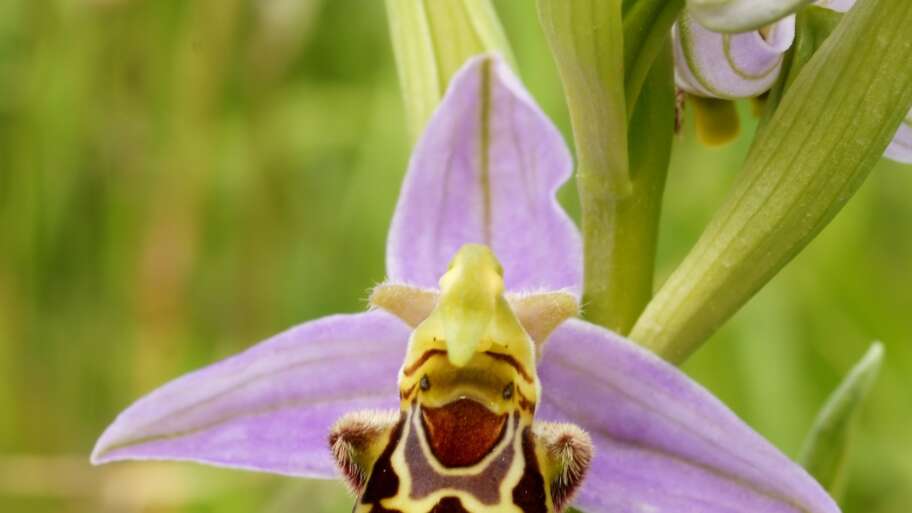
April Fools’ Day belongs to whoopee cushions, fake announcements, and suspiciously confident advice from people who should know better. The garden does not need any of that. It has been running its own jokes for millions of years, and some of the best ones are flowers. Not joke flowers in the novelty sense. Real flowers. Carefully built flowers. Flowers that…
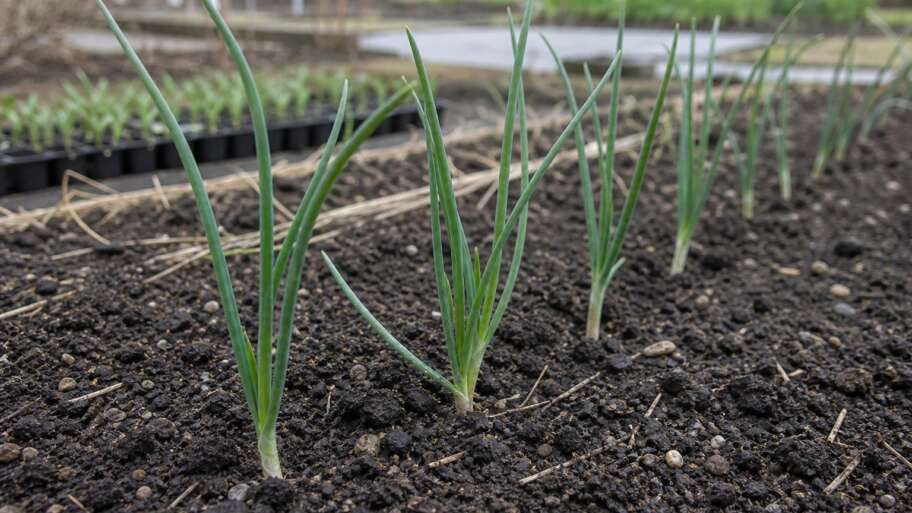
An onion row in March does not look like much to brag about. The plants are thin, blue-green, and a little awkward, each one a narrow tuft set into cold soil. They do not sprawl like squash, gleam like peppers, or make the quick promises of radishes. A young onion looks almost underbuilt for the job ahead. Then summer arrives…
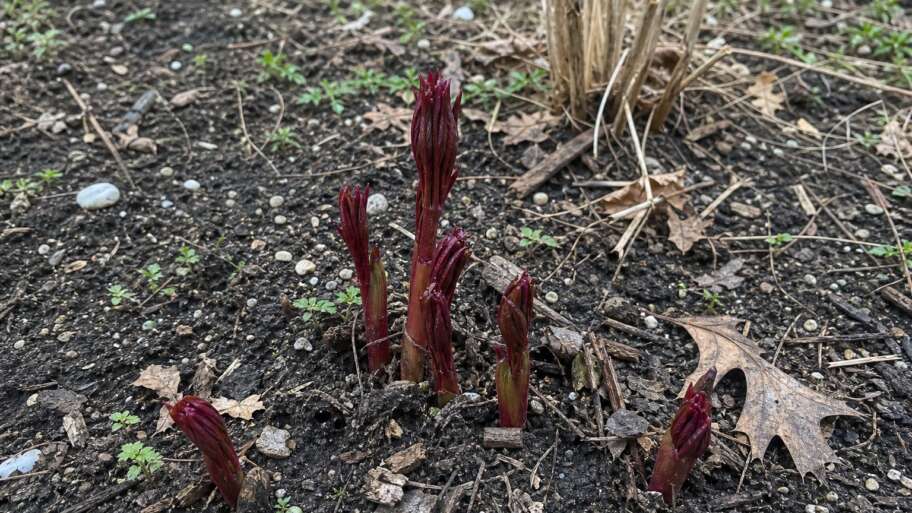
In mid-March, a peony bed can look empty until it suddenly does not. The soil is still dark and cold. Last year’s stems have been cut away. Mulch lies flat, and the rest of the border is only beginning to loosen. Then, from the crown, a cluster of red points breaks the surface. They do not look like the flowers…