
Gardening is not a cure, but research suggests it can support wellbeing through attention, movement, routine, sensory contact, and the gentle work of caring for living things.


Close looks at garden and houseplants: their identifying features, growth habits, uses, limitations, and site-specific care.
Gardening is not a cure, but research suggests it can support wellbeing through attention, movement, routine, sensory contact, and the gentle work of caring for living things.
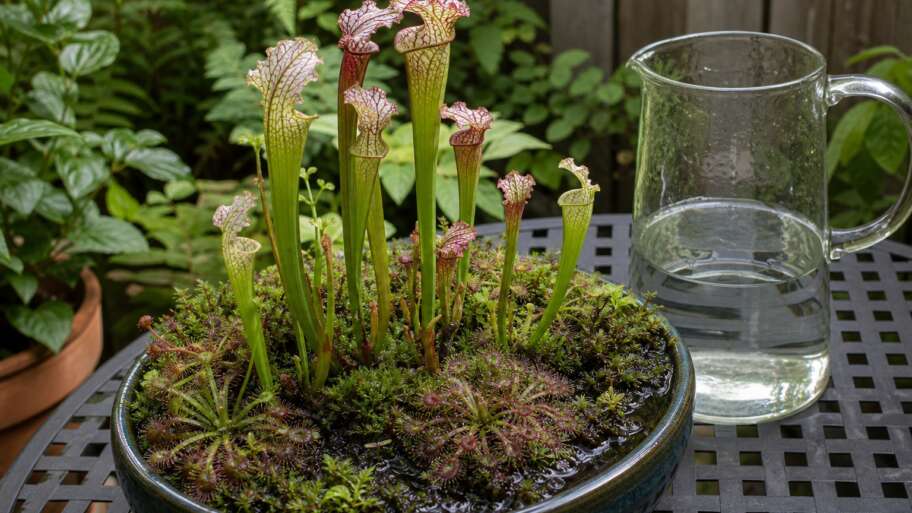
A carnivorous plant garden is not a horror movie in miniature. It is a wetland problem solved by leaves. Venus flytraps, sundews, and pitcher plants still photosynthesize. They still need light more than drama. What makes them strange is that they evolved in places where the soil gives very little back. The United States Botanic Garden summarizes the basic rule…
Read more about Carnivorous plant gardening: growing a small bog that works

A basket of marigold heads or madder roots does not become cloth color by romance alone. Plant dyeing is practical chemistry. The pigment has to leave the plant, meet the fiber, and stay there through rinsing, light, and use. That is where many beginner dye baths disappoint: the color looks rich in the pot, then fades into a polite memory.…
Read more about Extracting plant dyes without losing the color
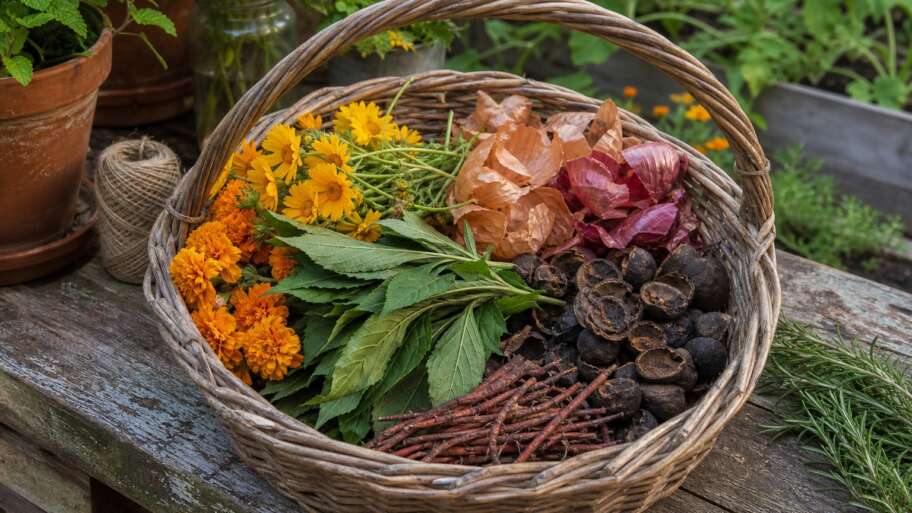
A dye garden changes how you look at plants. A flower is no longer only a flower. A root is not only storage. A leaf may be a blue waiting for the right chemistry. Even onion skins, walnut hulls, and fallen leaves begin to look like a second harvest. People used plant, mineral, and insect dyes for centuries before synthetic…
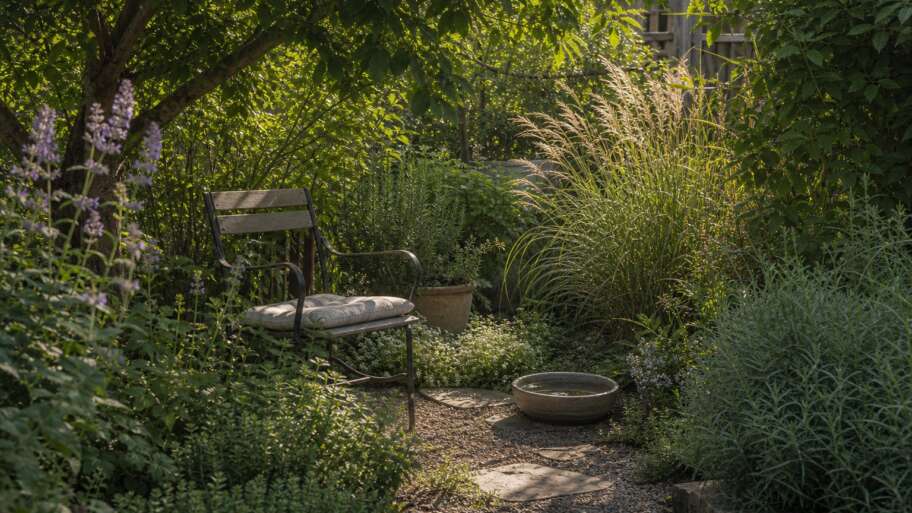
A garden sanctuary succeeds when it is usable on an ordinary difficult day. The seat is dry enough to sit on, the path is clear, shade arrives when it is needed, and the plants offer something specific to notice. Nothing has to look ceremonial. The space earns its calm through practical details. Research gives this idea support, but not a…
Read more about Designing a garden that gives the mind somewhere to land
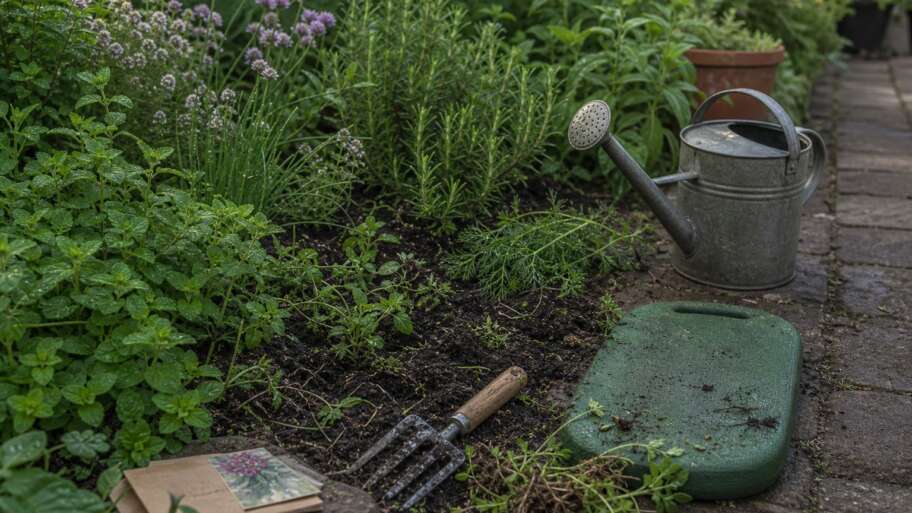
Mindful gardening begins when the task becomes small enough to feel. Not the whole garden. Not the whole season. Just the next seedling, the next breath, the weight of the watering can, the sound of water entering dry soil. Mindfulness is often described as keeping attention on the present moment without judging what appears.1 In a garden, that can be…
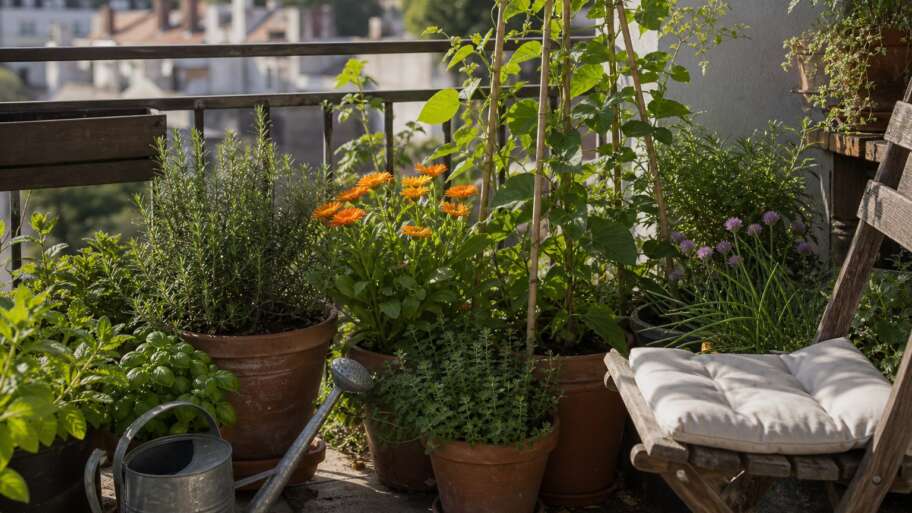
Mindful gardening can sound more complicated than it is. You do not need special clothing, a perfect courtyard, or a vocabulary of serenity. You need a living thing, a little attention, and enough patience not to turn every task into a race. The National Center for Complementary and Integrative Health describes mindfulness as keeping attention or awareness on the present…
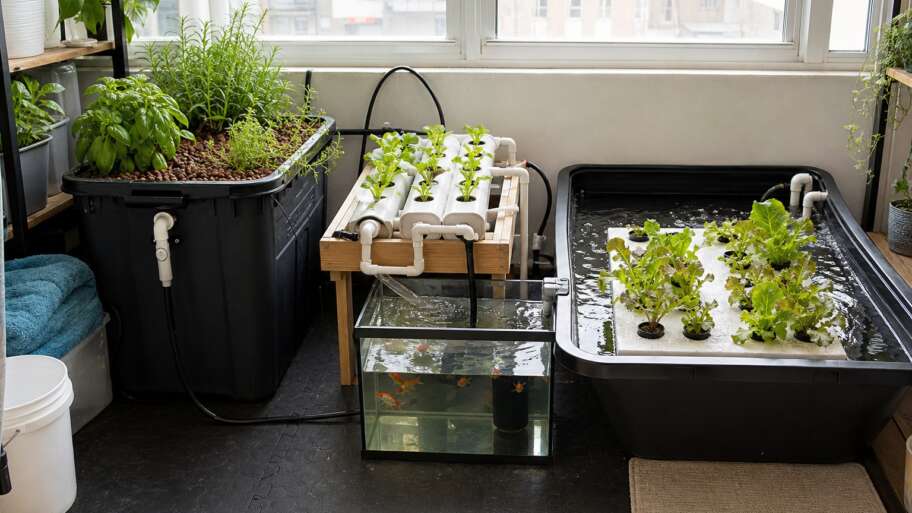
The second temptation in apartment aquaponics is equipment. Once the basic loop makes sense, it is easy to compare media beds, nutrient film technique, raft trays, towers, fish species, pumps, lights, and plumbing until the project becomes larger than the room it is supposed to fit. Aquaponics combines aquaculture with hydroponic plant production in one recirculating system, as USDA’s National…
Read more about Choosing an apartment aquaponics system without overbuilding it
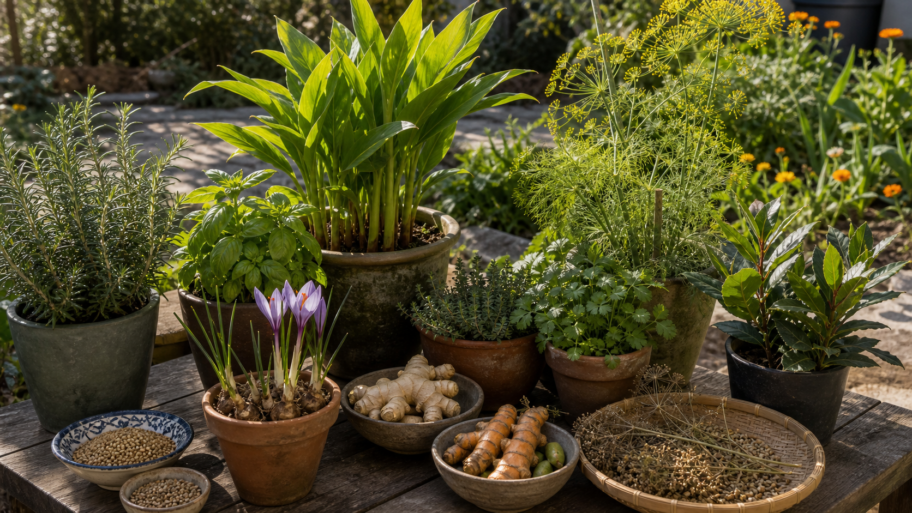
A spice-route garden sounds like a passport stamped in cinnamon, cardamom, saffron, ginger, pepper, coriander, and turmeric. The real garden is more useful than that fantasy. Some spice plants are ordinary annual herbs that will happily ripen seed in a temperate back yard. Some are rhizomes that need a long, warm season. Some are tropical forest plants that may survive…
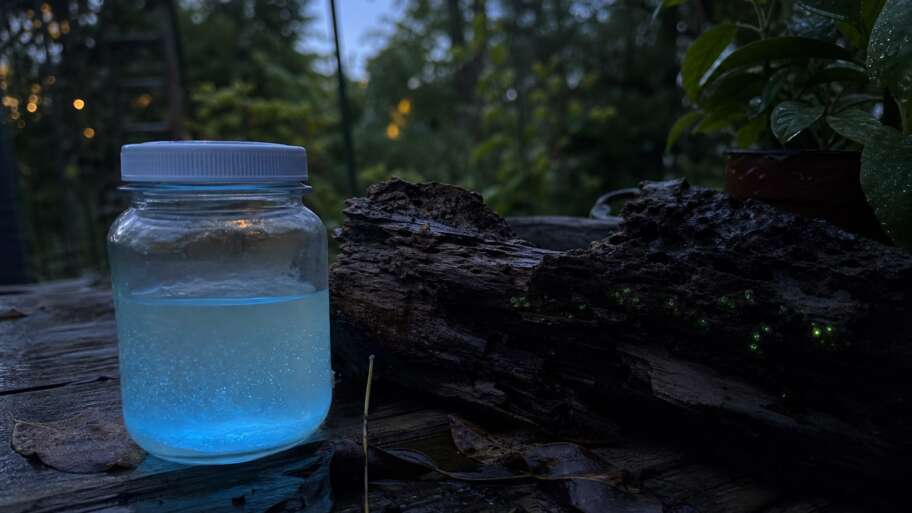
A glowing garden is a seductive idea. It sounds as if the night border might be coaxed into shining by itself, with blue sparks in a bowl of water and green light coming from damp wood under the bench. The wonder is real. The trouble begins when we ask living light to behave like a lamp. Bioluminescence is light made…
Read more about Bioluminescent fungi and algae, with the wonder kept honest