
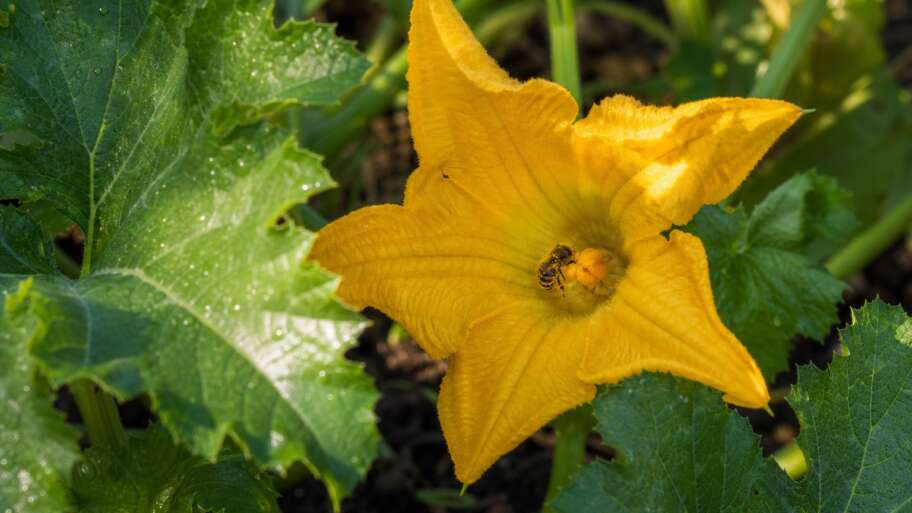
A squash blossom is not a flower that lingers. It opens like a little lantern in the cool part of the morning, spends its best hours in the company of bees, and by afternoon begins to fold, soften, and give itself back to the plant. If you walk the vegetable garden at breakfast, the flowers look generous. If you wait…
Plant Guides
Close looks at garden and houseplants: their identifying features, growth habits, uses, limitations, and site-specific care.
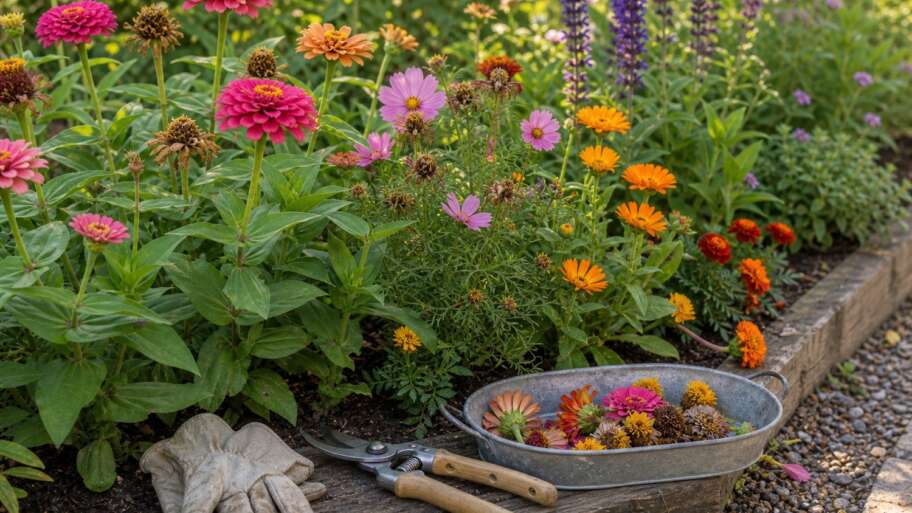
By early July, a flower border begins to show its decisions. Some stems are still in full color. Some are carrying petals that have curled, browned, and collapsed around the center. Others have already moved on, quietly swelling seed heads where a bloom used to be. The garden is not finished, but it is changing its mind. Deadheading is the…
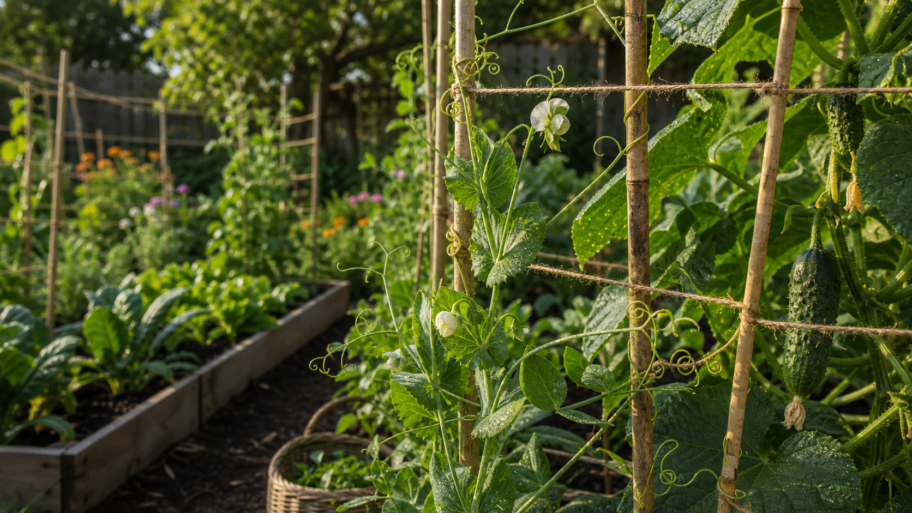
A climbing plant begins with an apparent problem: it wants light, but it has not paid the full woody price of a tree. Rather than relying on a self-supporting trunk, it borrows the garden. A pea finds netting. A cucumber finds twine. A clematis catches a wire with a curling leafstalk. A grapevine reaches, touches, tightens, and turns a fence…
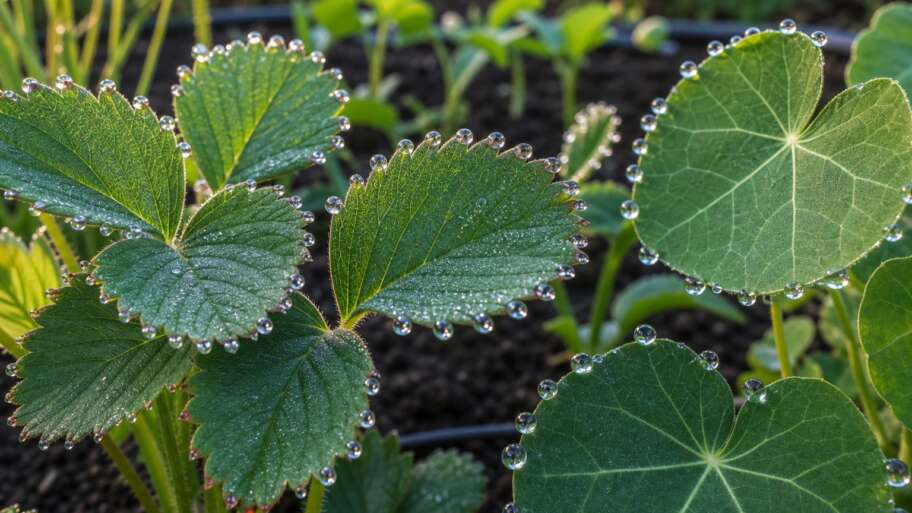
Some mornings, a garden looks as if it has been arranged by someone with a jeweler’s patience. Tiny droplets sit on the teeth of strawberry leaves. Beans carry clear beads at the very tips of their young leaflets. Grass blades hold a bright point of water where each blade narrows to a tip. The pattern is too neat to be…
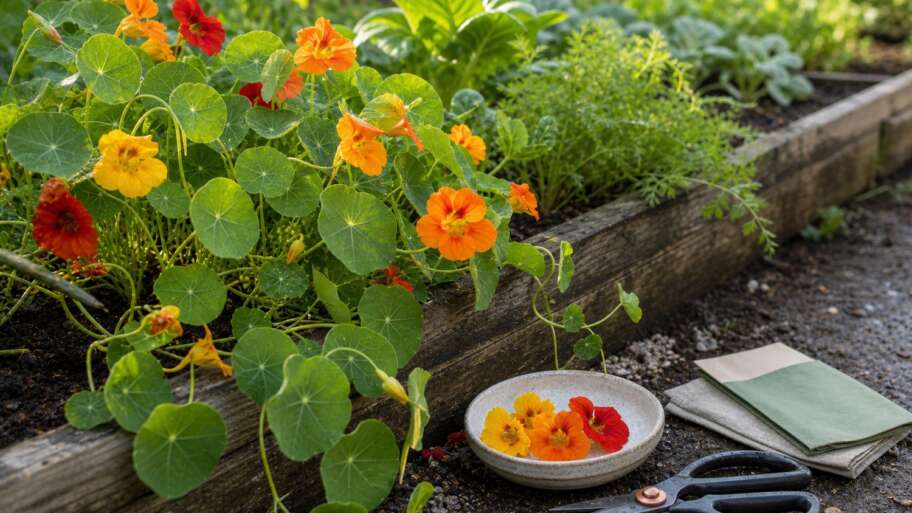
A nasturtium does not behave like a polite border annual. It sprawls, loops, leans over timber, climbs if you help it, and drops bright flowers into the vegetable garden as if the lettuces and beans were waiting for punctuation. That informality is part of its usefulness. The plant softens hard edges, feeds the eye, feeds the table, and quietly makes…
Read more about The edible edge: growing nasturtiums with purpose
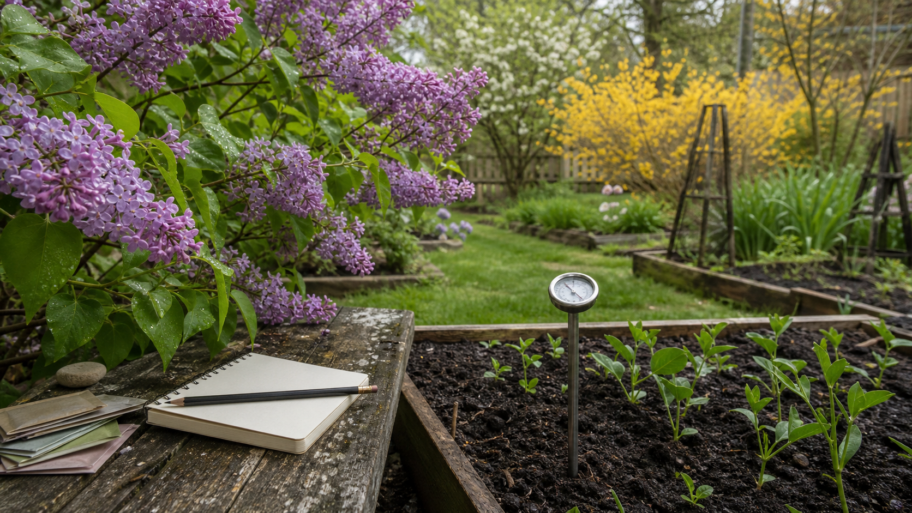
Every spring has two calendars. One hangs on the wall and moves forward one square at a time. The other opens unevenly in the garden: snowdrops first, then maple bloom, then forsythia, then the first lilac flowers, then the moment when peas stop sulking and beans begin to make sense. Gardeners get into trouble when they trust only the first…
Read more about When plants tell time: phenology for gardeners
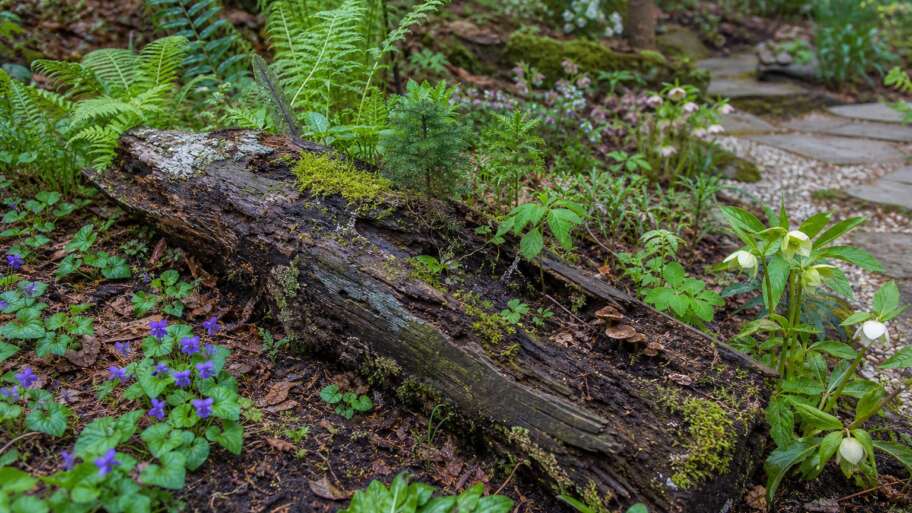
A fallen log can look like the end of a tree, but in a forest it often behaves more like a beginning. Moss settles on the bark. Fungi open the wood. Water gathers in the softened grain. Then, one spring, a seedling appears on top, holding its tiny green weight above the leaf litter as if the old trunk has…
Read more about How nurse logs turn fallen wood into a garden nursery
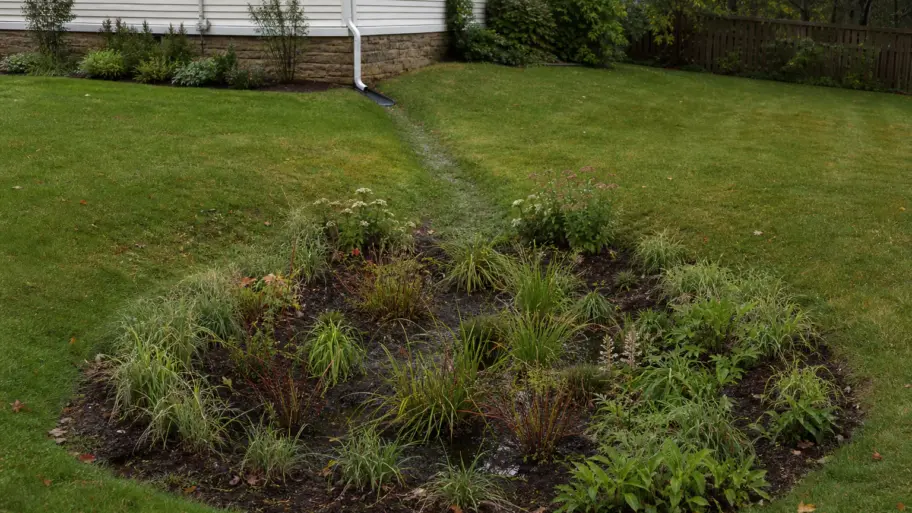
Most gardens are designed for what happens in fair weather: bloom, shade, fragrance, fruit, the shape of a border from a kitchen window. A rain garden begins with a less glamorous question. Where does the water go when the roof, path, driveway, and lawn stop absorbing it? On a hard rain, the answer can be surprisingly visible. Water leaps from…
Read more about How to build a rain garden that drinks from the roof
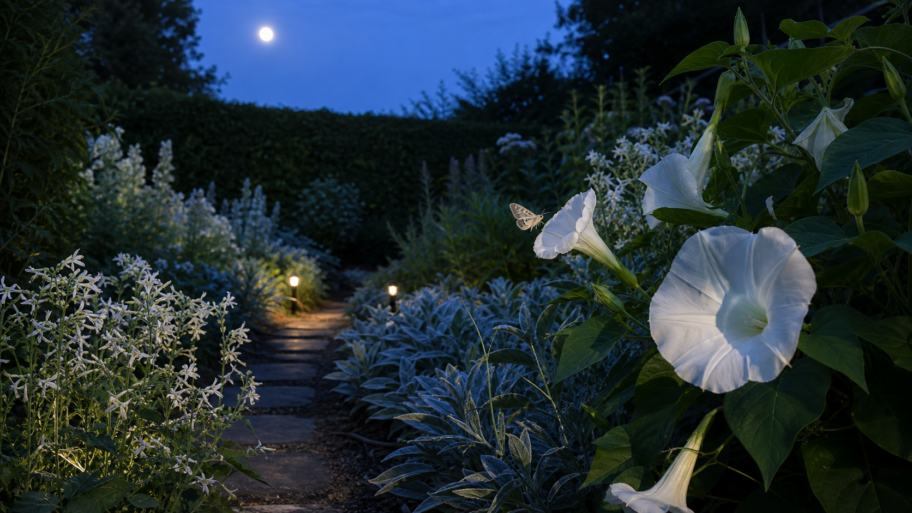
A garden does not go dark all at once. First the reds lose their heat. Then the blues and purples fold into shadow. What remains visible is shape, pale color, scent, and movement: a white flower catching the last sky, a silver leaf holding a little moonlight, a moth taking the path that bees worked a few hours earlier. That…
Read more about Moon Gardens: Designing a Garden That Wakes After Dusk
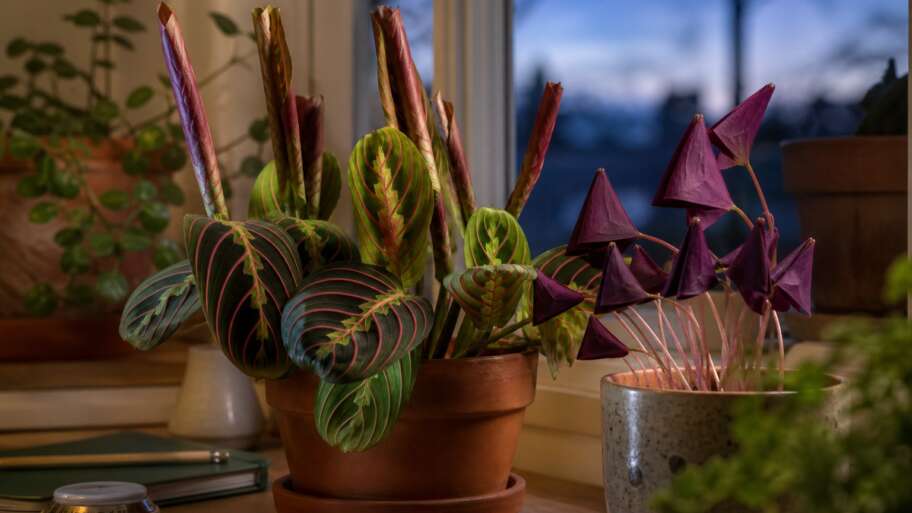
At dusk, some plants begin to rearrange themselves. A prayer plant lifts its patterned leaves until they stand like hands held together. Purple oxalis folds its triangular leaflets into little tents. Clover pulls its leaflets close, and some flowers that looked cheerful at lunchtime quietly close the shop. It is tempting to call this sleep, and gardeners have been doing…
Read more about The sleepy garden: why plants fold their leaves at night