
Skip to content

Sustainable Gardening

Ancient India’s healing plants, with the claims kept honest

Ancient India’s healing plants, with the claims kept honest

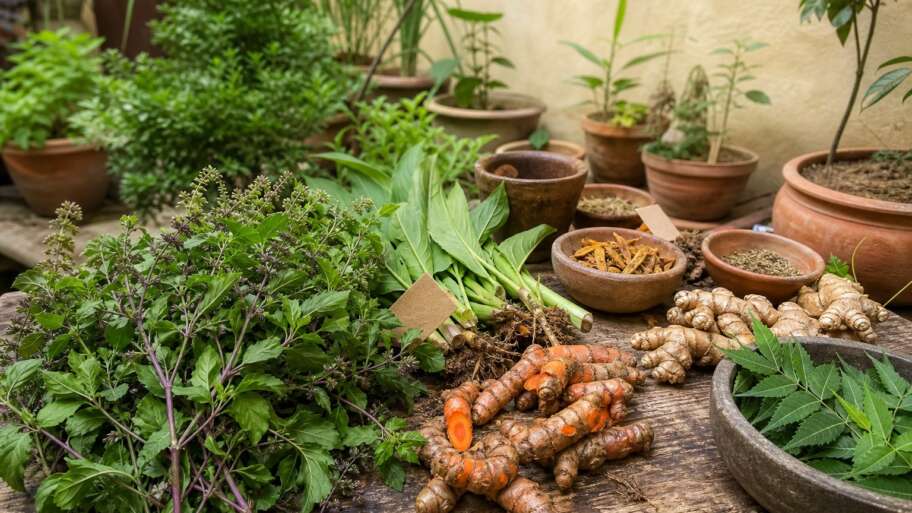
A garden of Indian healing plants can hold several kinds of history at once. Tulsi leaves release a clove-like scent when brushed. Turmeric disappears below the soil and returns at harvest as a startling orange rhizome. Ashwagandha finishes the season as a small, grey-green shrub rather than the anonymous powder seen on a shop shelf. Growing these plants makes their…

Read more about Ancient India’s healing plants, with the claims kept honest

What Indus Valley farmers grew with river and monsoon

What Indus Valley farmers grew with river and monsoon

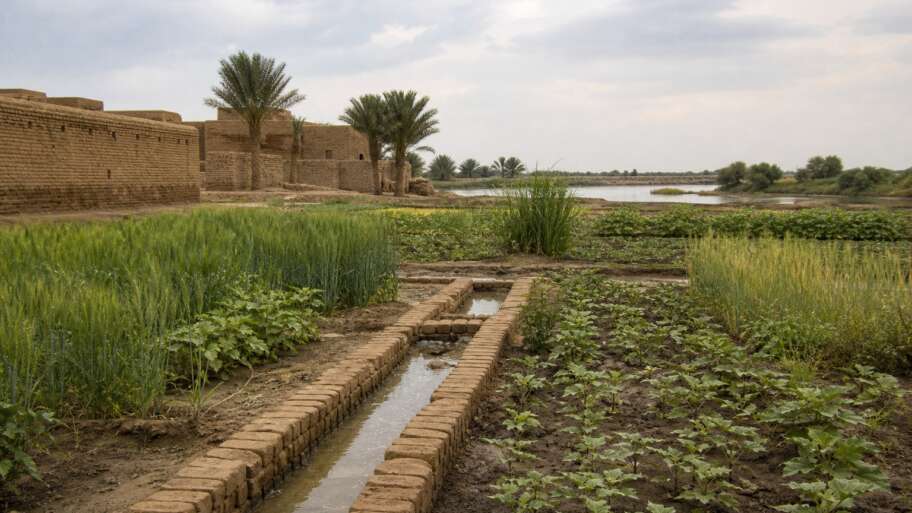
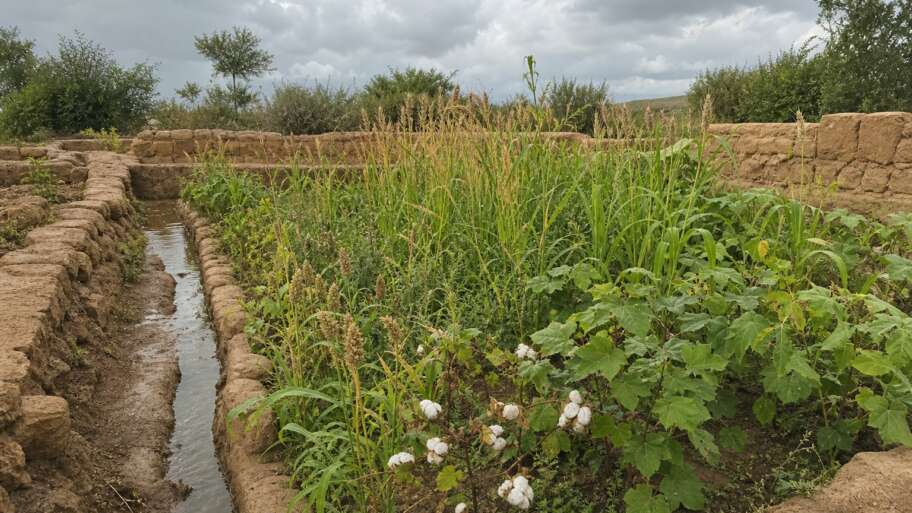
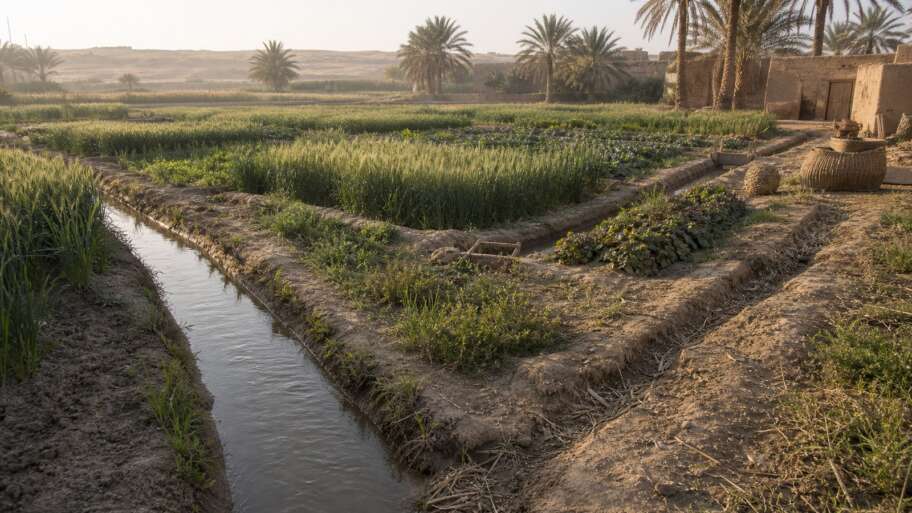
The Indus, or Harappan, world was not fed by one miracle crop or one irrigation system. Its settlements extended across parts of present-day Pakistan, north-western India, and Afghanistan, through landscapes that ranged from river plains to semi-arid margins. Even the term “Indus Valley” can hide that scale. The urban Harappan phase flourished broadly between about 2600 and 1900 BCE, but…

Read more about What Indus Valley farmers grew with river and monsoon

Native American gardening and the wisdom of place

Native American gardening and the wisdom of place

“Native American gardening” is an umbrella phrase, not a method. Many distinct nations have developed food and land practices in different climates, from humid Great Lakes country to the high desert. A crop combination, mound, or water-harvesting shape cannot be lifted from one place and presented as continental tradition. The useful starting point is the one the title promises: attention…

Read more about Native American gardening and the wisdom of place

The Three Sisters garden still knows what it is doing

The Three Sisters garden still knows what it is doing

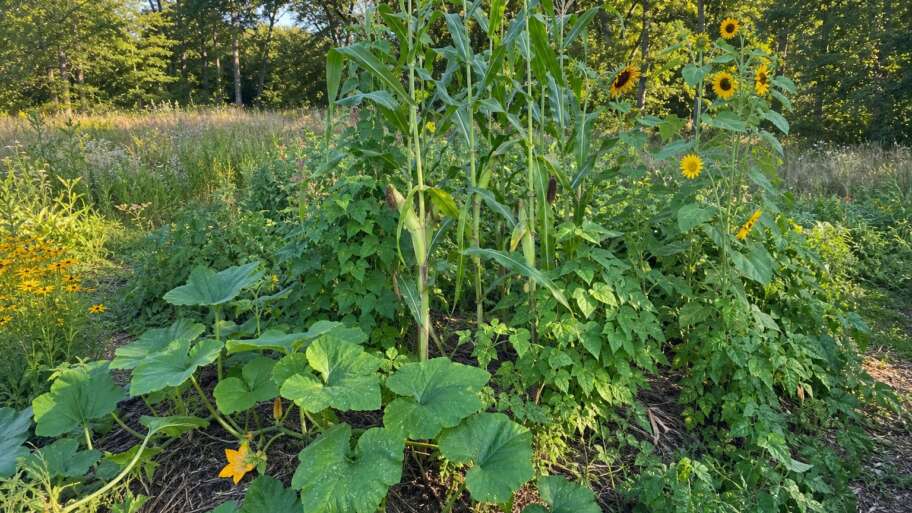
The Three Sisters garden is often reduced to a companion-planting diagram: corn as a pole, beans as fertilizer, squash as living mulch. Those relationships are real, but the diagram is too tidy. Corn, beans, and squash belong to living Indigenous food systems, and the name carries cultural meanings that a garden hack cannot hold. The USDA National Agricultural Library notes…

Read more about The Three Sisters garden still knows what it is doing