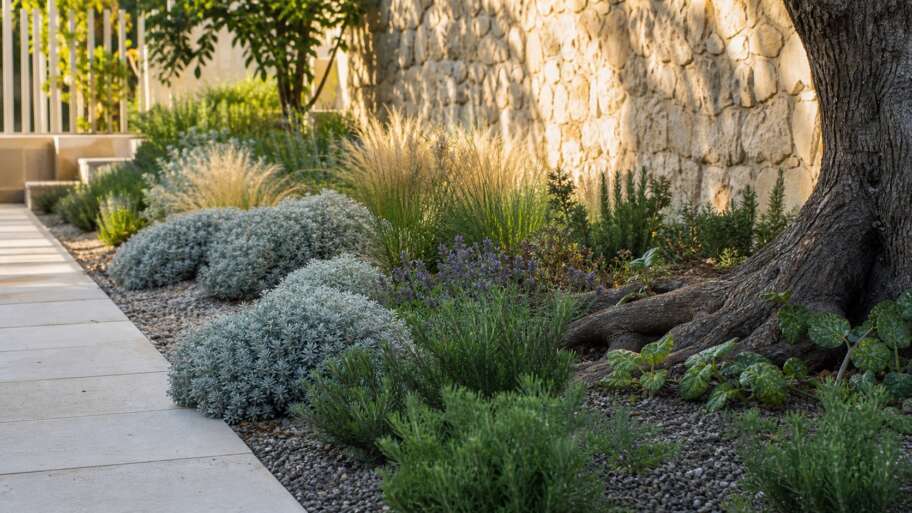

Harsh garden spots need diagnosis before drama: how heat, shade, compaction, mulch, and design principles turn difficult sites into resilient planting.
Read more about The underworld gardener’s guide to difficult sites
Harsh garden spots need diagnosis before drama: how heat, shade, compaction, mulch, and design principles turn difficult sites into resilient planting.
Read more about The underworld gardener’s guide to difficult sites
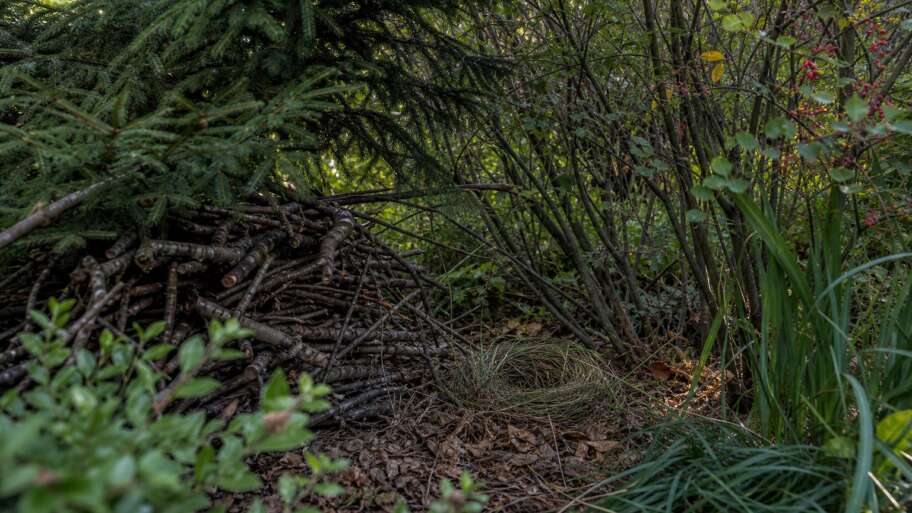
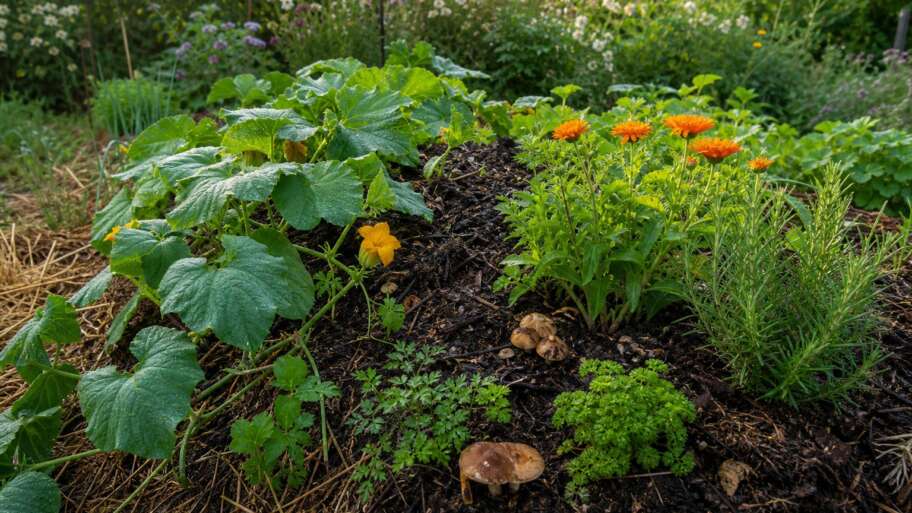
A fact-checked guide to hugelkultur beds: how to use buried wood, soil, mulch, water, and seasonal adjustment without turning the mound into a garden myth.
Read more about How hugelkultur works best when it behaves like soil
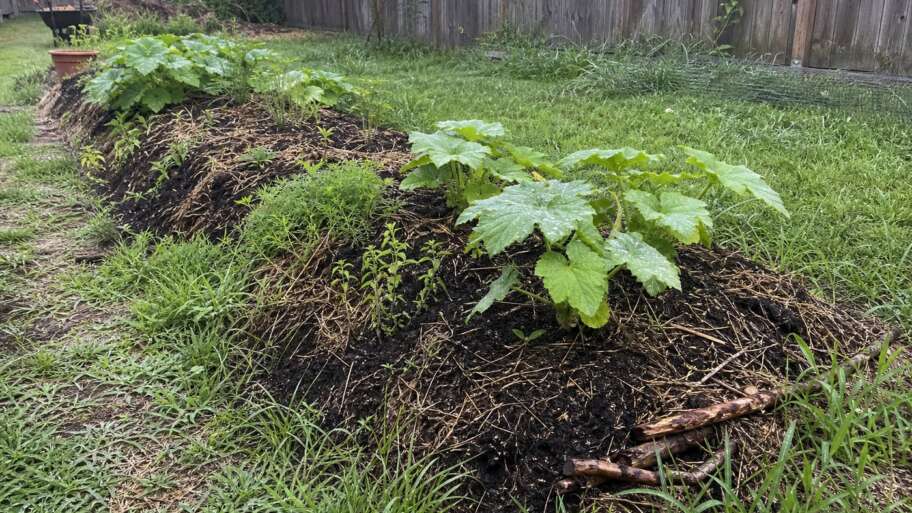
Hugelkultur works best when it is tuned after the logs are buried: fill settling pockets, feed the soil cap, mulch the slope, water by zone, and treat the mound as a living bed rather than a finished monument.
Read more about How to tune a hugelkultur bed after the logs are buried
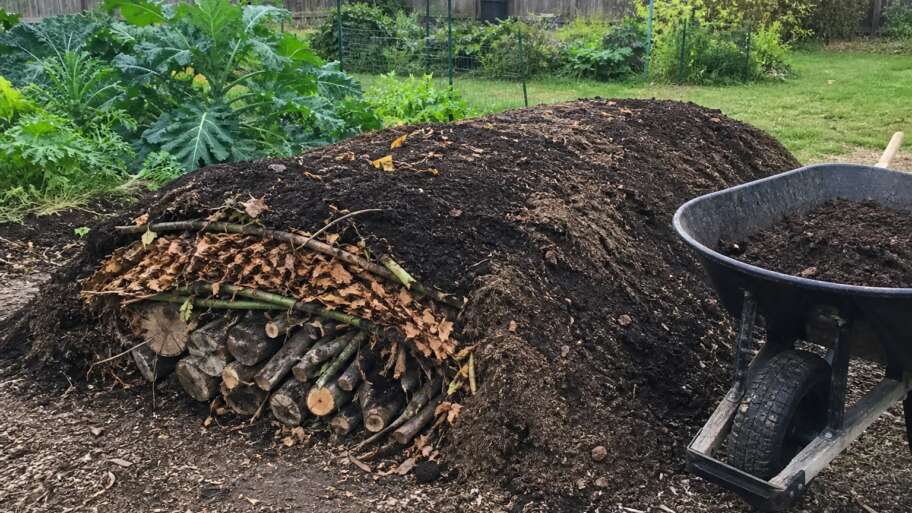
Hugelkultur is usually described as a raised bed built over buried wood. Logs, branches, leaves, compost, and soil are arranged into a mound, then planted. The promise is appealing: recycle woody debris, hold moisture, and feed the soil as the wood decays. The useful idea is real. The mythology around it needs pruning. Washington State University Extension defines hugelkultur as…
Read more about Hugelkultur 101, with fewer myths and better soil sense
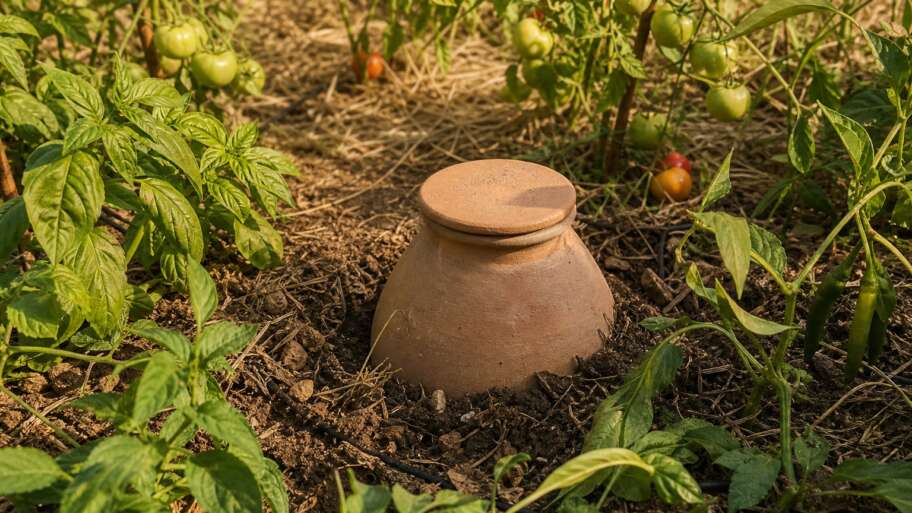
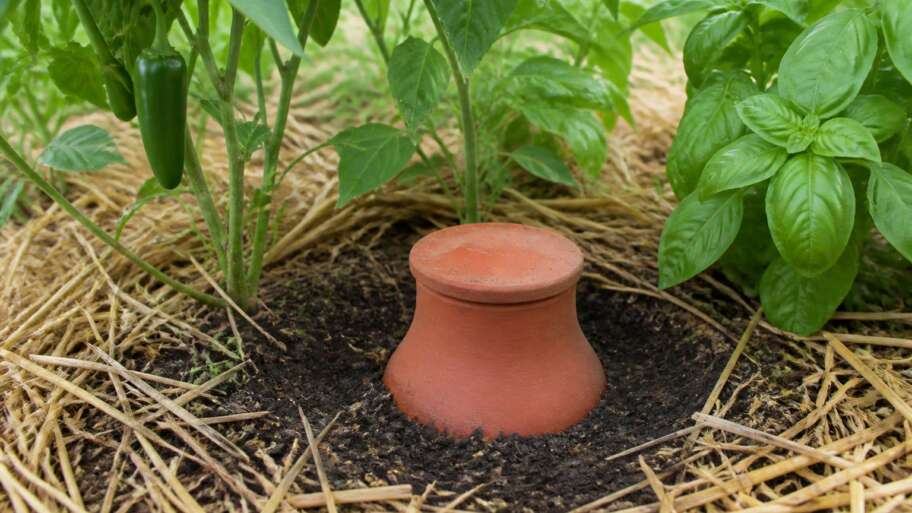
Ollas deserve their quiet reputation. A buried unglazed clay pot can water a small root zone slowly, below the soil surface, with very little equipment. That is useful. It is also easy to exaggerate. The best way to use an olla is to treat it as a practical irrigation tool, not as a spell against drought. University of Arizona Cooperative…
Olla irrigation looks almost too simple to explain. A clay pot is buried in the soil, filled with water, and covered. The garden seems to water itself. But the quietness is the point. The system works because porous clay, soil moisture, and plant roots create a local gradient that changes as the soil dries and wets. University of Arizona Cooperative…
An olla is a humble irrigation device: an unglazed clay vessel buried in soil, filled with water, and covered. Its usefulness comes from the material. Water can pass slowly through the pores of unglazed clay, entering the soil close to roots instead of wetting paths, leaves, and every empty patch between plants. The method is old, low-tech, and still sensible…
Read more about Olla irrigation, from clay pot to garden habit
A moss garden looks quiet, but it is not asking to be ignored. It asks for a different kind of attention than a lawn or perennial border. The work is less about mowing, feeding, and deadheading, and more about moisture, debris, light, surface contact, and patience. Mosses are bryophytes, nonvascular plants without true roots. Instead, rhizoids anchor them to soil,…
Read more about Moss care for a garden that wants to stay small
Seaweed is one of those materials that tempts gardeners into overclaiming. It can be food, a compost ingredient, mulch, a commercial plant product, and a coastal curiosity. It is also a marine organism that can concentrate iodine, salts, and contaminants from its surroundings. The useful approach is not to treat seaweed as magic. It is to decide what material you…
Read more about Using seaweed in the kitchen and garden without guesswork
Seaweed farming sounds like gardening turned sideways. There are seedlings, lines, seasons, pests, harvest windows, and a constant negotiation with weather. But it is not simply underwater vegetable gardening. The farmer is working in public water, with currents, permits, navigation, marine life, and a crop that has no roots in soil. The last point is more than a botanical curiosity.…
Read more about Seaweed farming, explained for gardeners on land