
By August, a pepper plant can look as if it has misplaced its calendar. The fruit is full sized. The shoulders are glossy. The plant has done the hard work of flowering, setting fruit, and swelling those green walls into something that already feels like a harvest. Then the gardener waits for red, and the pepper seems to consider the…
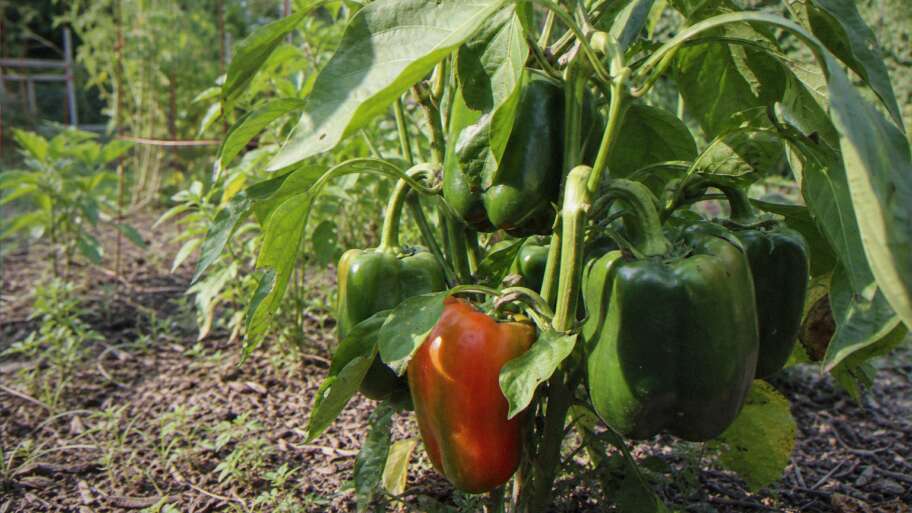
harvest
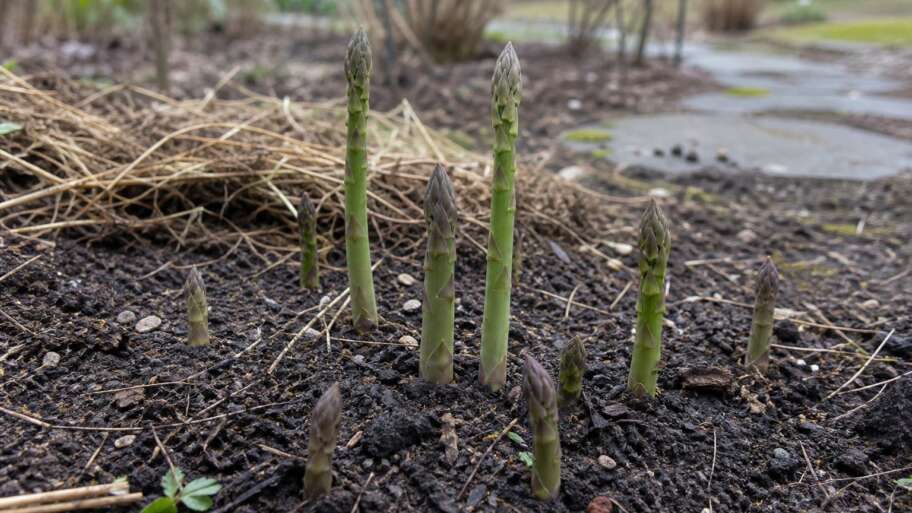
An asparagus bed can look empty in a way that tests a gardener’s memory. In late winter it is just a strip of soil, a little straw, perhaps a few cut stalks from last year if cleanup was delayed. Then a mild spell passes through. You walk by in the morning and see nothing. By evening, a green point has…
Read more about Why asparagus spears seem to appear overnight
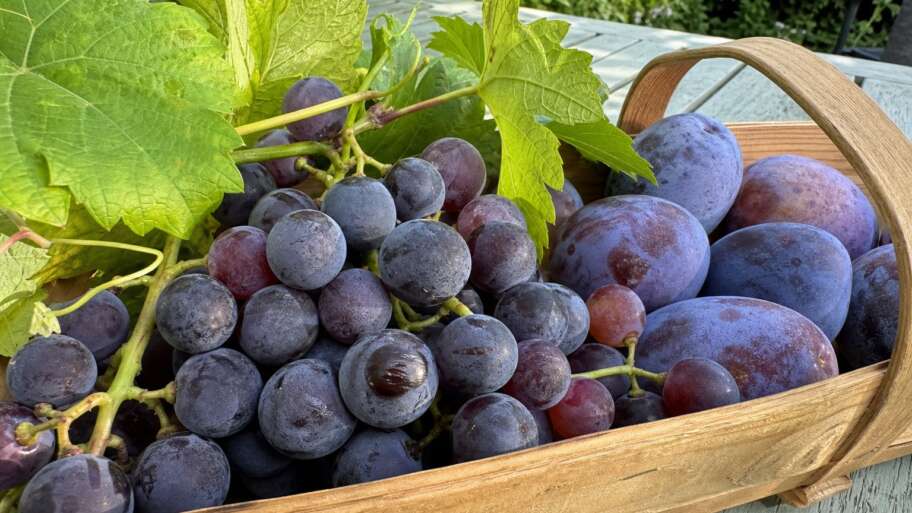
September fruit has a habit of looking more mysterious after you pick it. A cluster of grapes that seemed almost black on the vine turns blue-gray in the basket. A plum looks as if it has been dusted with flour. Touch either one and your fingertip leaves a dark, glossy mark, as though you have rubbed a small window through…
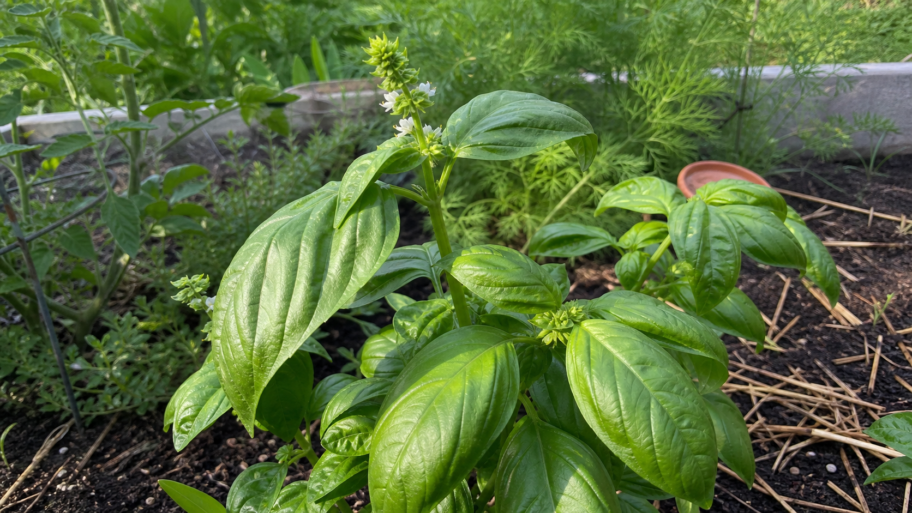
A basil plant in July can seem to break a small kitchen promise. For weeks it gives you soft green leaves, each one smelling like summer before it even reaches the cutting board. Then, almost overnight, the top of the plant changes shape. The leaves become smaller. The stem lengthens. A pale green spire of buds appears where a handful…
Read more about Why basil tries to bloom when you want leaves
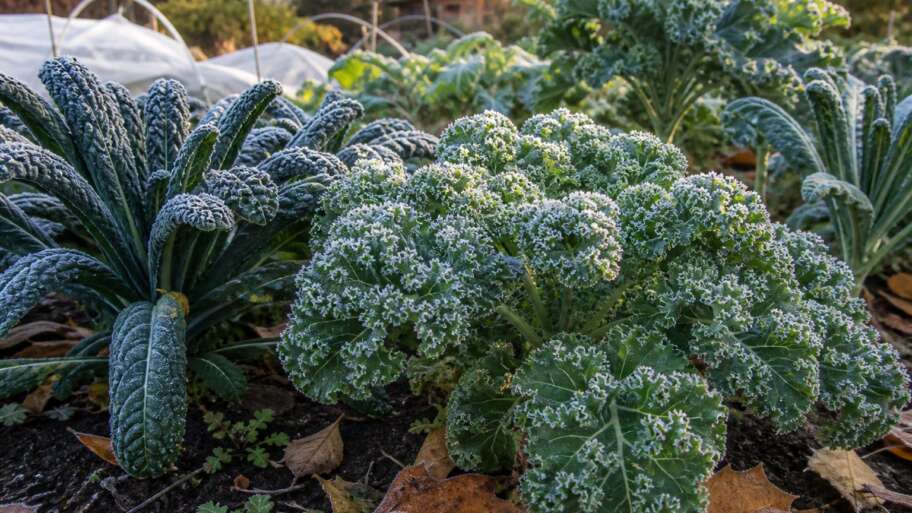
Kale looks almost theatrical after the first real frost. The leaves are darker than they were in September, their ruffled edges traced with white, their surfaces stiffened just enough to catch the low morning light. A gardener who does not know the plant might think the crop has been damaged. A gardener who has eaten from the bed before and…