
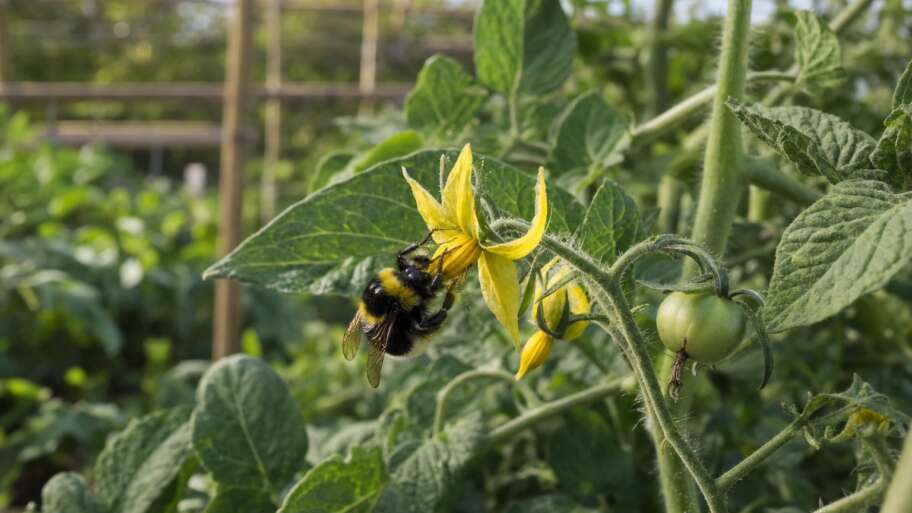
On a warm July morning, a tomato flower can look too small for the job ahead of it. Five yellow petals bend backward around a pointed center. The flower hangs from a hairy green stem, facing slightly down, while the plant puts most of its visual effort into leaves and swelling fruit. Then a bumblebee arrives, grips the yellow cone,…
pollinators
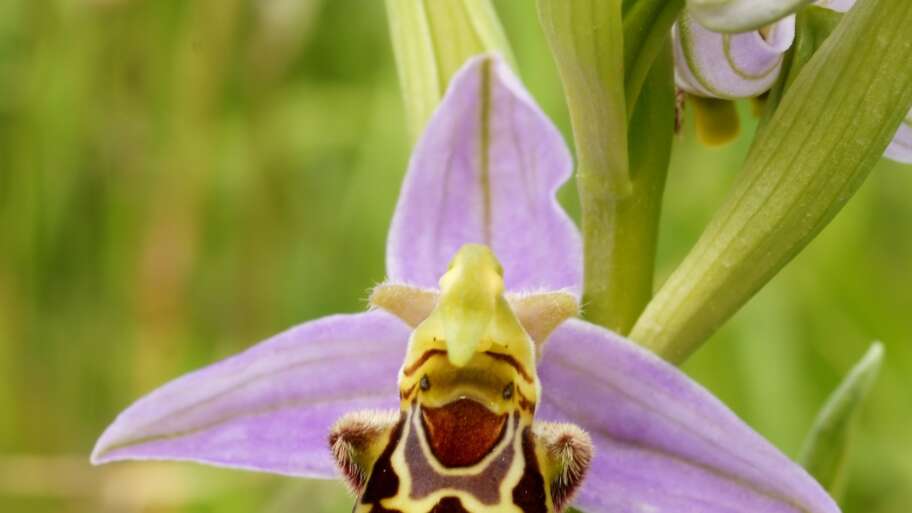
April Fools’ Day belongs to whoopee cushions, fake announcements, and suspiciously confident advice from people who should know better. The garden does not need any of that. It has been running its own jokes for millions of years, and some of the best ones are flowers. Not joke flowers in the novelty sense. Real flowers. Carefully built flowers. Flowers that…
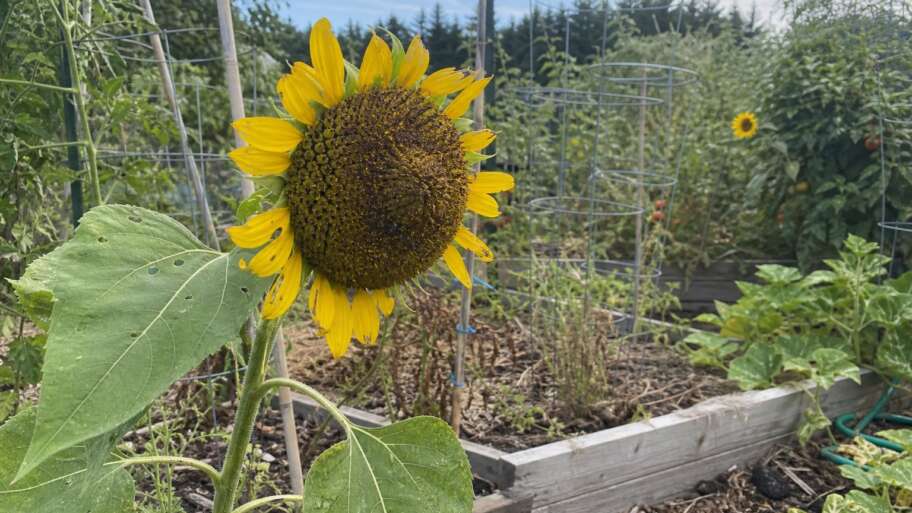
By late summer or autumn, depending on sowing date and climate, a sunflower can look as if it has made a firm decision. The unopened bud and upper shoot that leaned east at breakfast and west by evening now hold the open capitulum toward morning. The stem is rough, the leaves are broad and weathered, and the seed disk is…
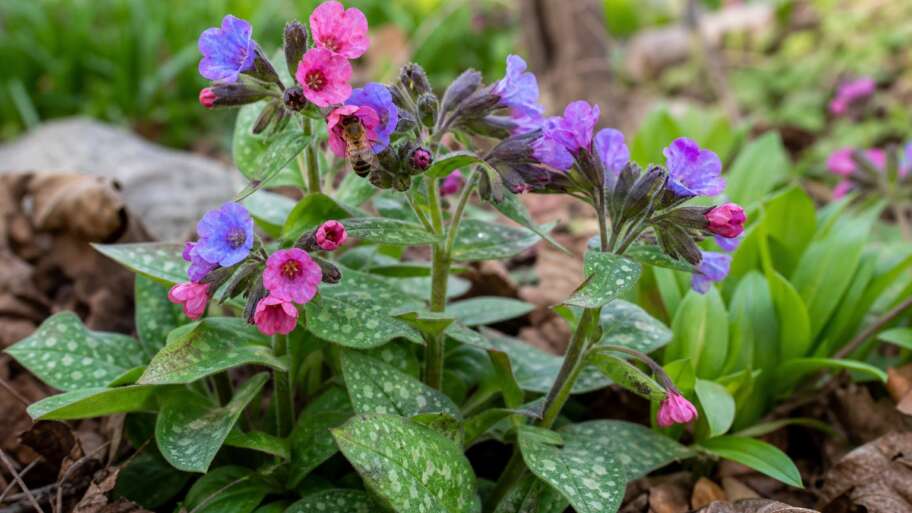
A spring shade bed can look as if it has learned to blush and cool at the same time. Lungwort opens with little pink bells, then the older flowers nearby settle into violet and blue. The spotted leaves are pretty enough on their own, but the flowers make the plant look like a small calendar. One cluster can hold yesterday,…
Read more about Why some flowers change color after pollination
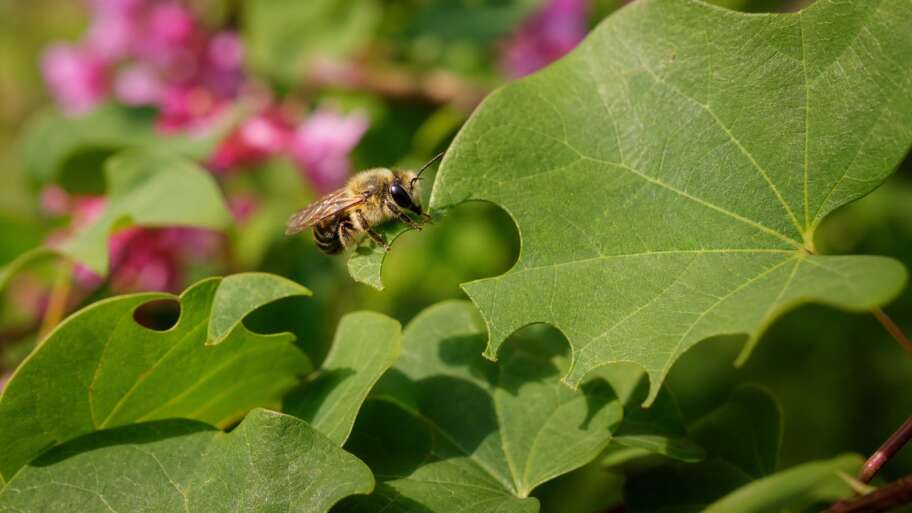
By late July, a rose leaf can look as if someone has touched it with a miniature punch. The edges are not shredded. The center is not speckled. Instead, neat half-moons have vanished from the margins, each one as clean as a bite taken by a very tidy pair of scissors. It is easy to read this as damage, because…
Read more about Why some leaves are cut into perfect circles
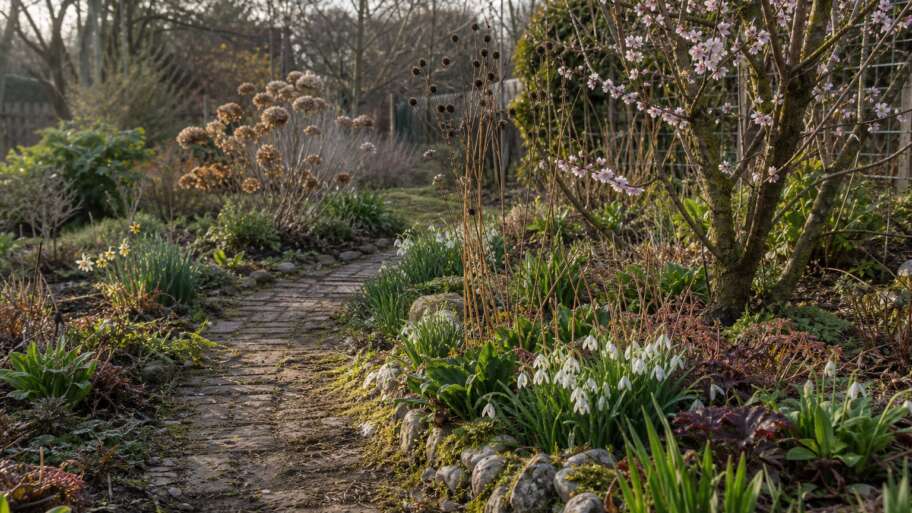
A phenology garden is a garden designed to tell time biologically. Not clock time, and not the tidy time of seed packets. It tells the time of bud swell, first flower, pollinator arrival, fruit ripening, leaf color, seed release, and dormancy. The USA National Phenology Network defines phenology as the study of timing and cyclical patterns in the natural world,…