
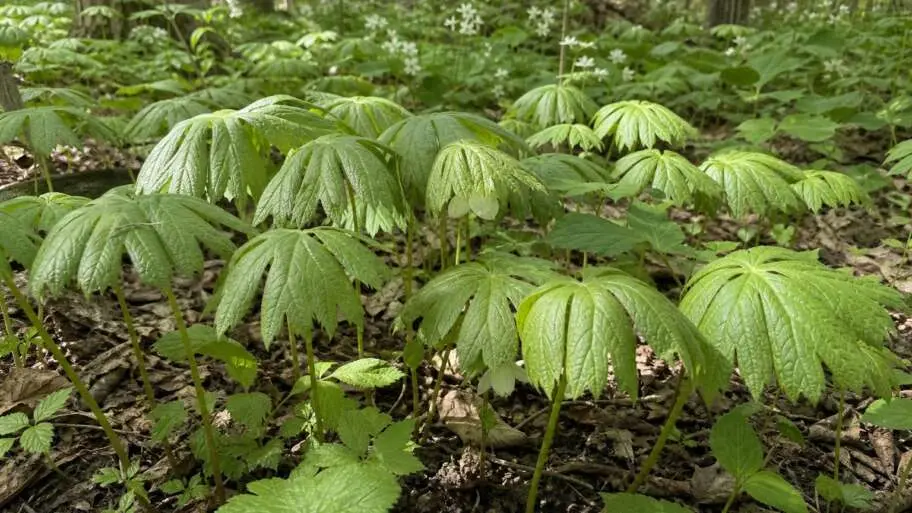
By early May, a mayapple patch can look less like a group of wildflowers and more like a small green weather event. Smooth stems rise from the leaf litter, each one holding a pale, lobed leaf like an umbrella that has just opened after rain. The effect is so architectural that it is easy to miss the plant’s real trick:…
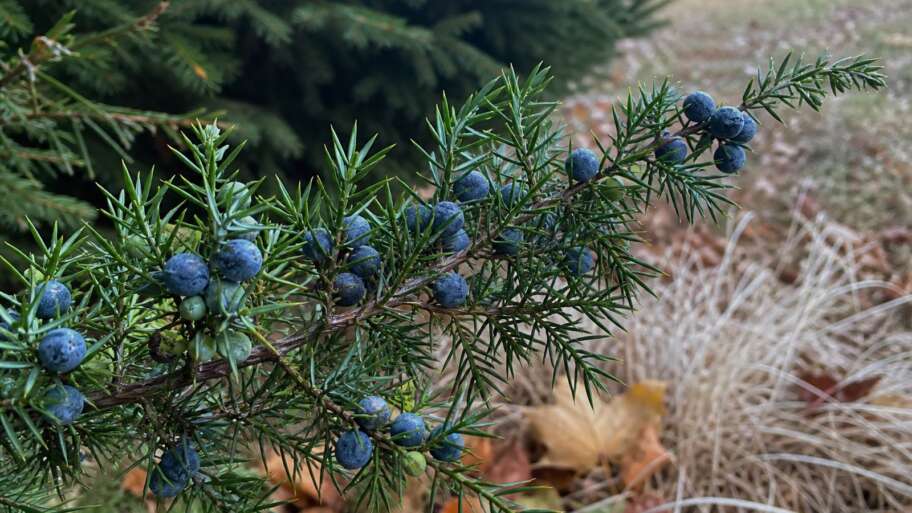
In early October, a juniper can make a liar out of ordinary words. The shrub looks evergreen in the most literal way: prickly, resinous, and built for weather. Then you notice the blue beads tucked along the twigs, as round and matte as tiny blueberries. They look like fruit. They are usually called berries. They even turn up in kitchens…
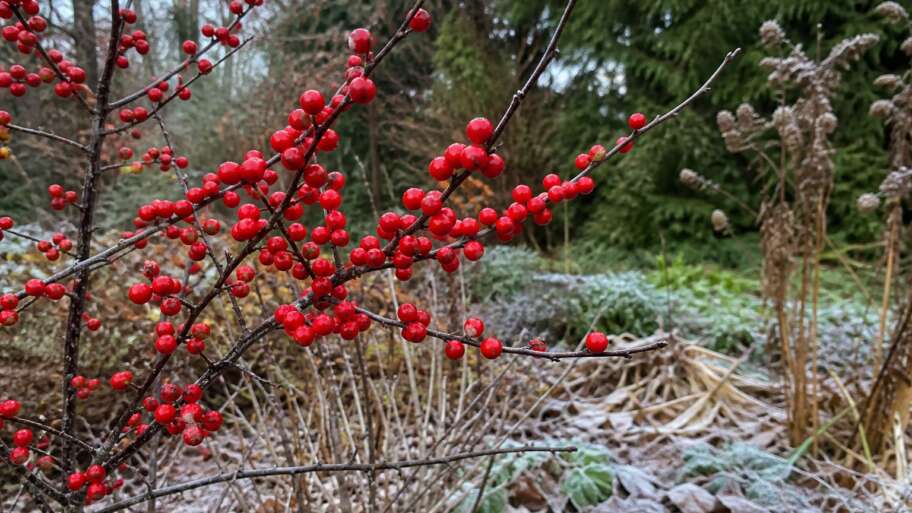
By early December, most shrubs have stopped trying to impress anyone. Their leaves have dropped, their flowers are old news, and their summer shape has been reduced to twigs. Then winterberry comes into view as if the garden has been saving a secret. The leaves fall away, and the stems are left strung with red fruit. It is a strange…
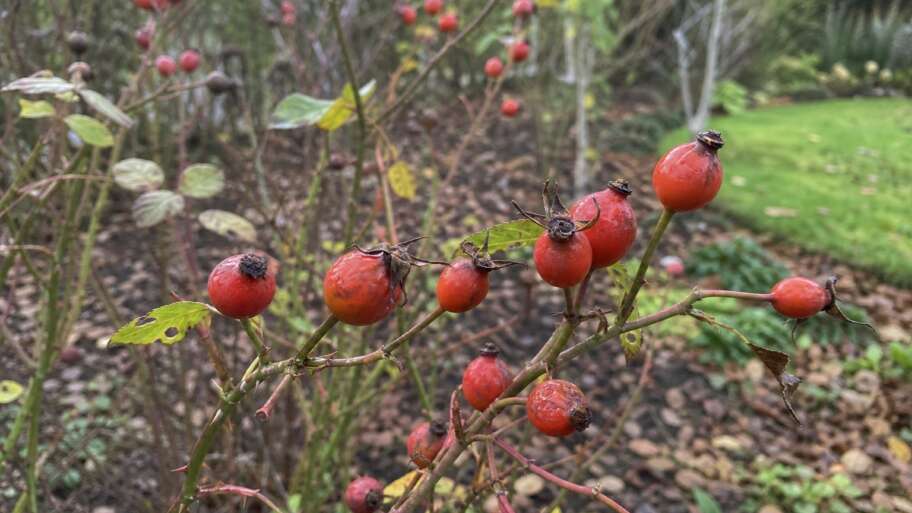
By late November, roses have mostly lost their usual language. The petals are gone. The leaves are tired or already fallen. Canes that looked romantic in June have become thorny lines against a quieter garden. Then, where a flower once opened, a small red or orange fruit remains. Rose hips are easy to miss if you think of roses only…