
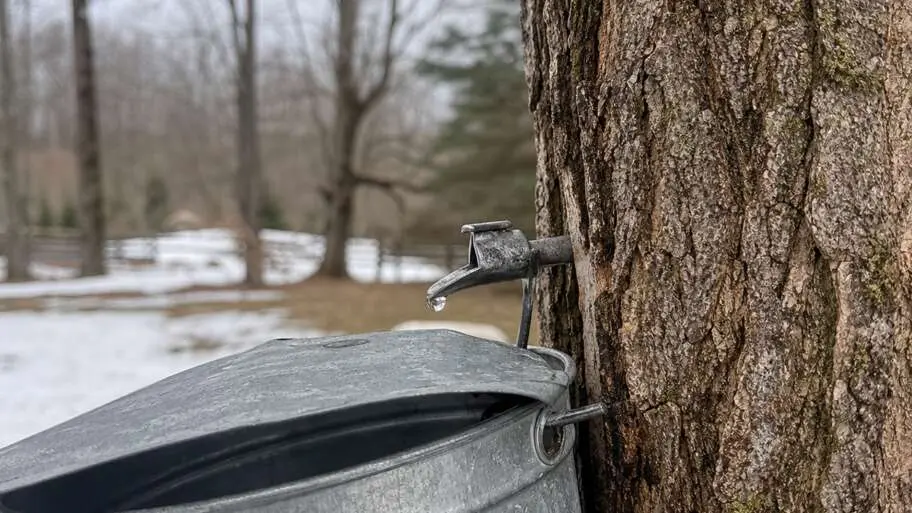
On a cold February morning, a maple with a bucket on it can sound more awake than the rest of the garden. The beds are still flat. The lawn is patched with old snow. The buds on the branches look tight and undecided. Then, from a small metal spout in the bark, a clear drop gathers, falls, and ticks against…
tree care
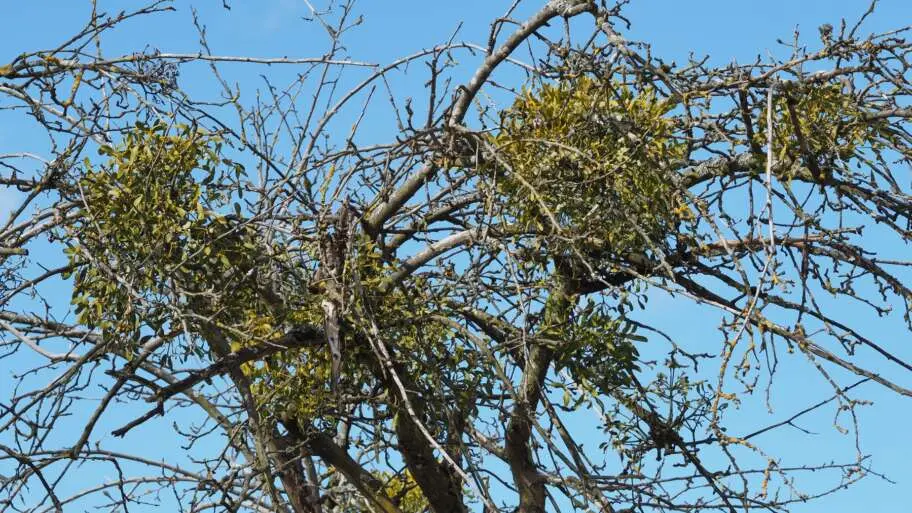
By the last morning of the year, a deciduous tree has usually stopped pretending. The leaves are gone. The soft green noise of summer has fallen away. Every fork, scar, old pruning cut, and awkward branch angle is suddenly visible against the winter sky. That is when the green clump looks most suspicious. High in an apple, poplar, maple, hawthorn,…
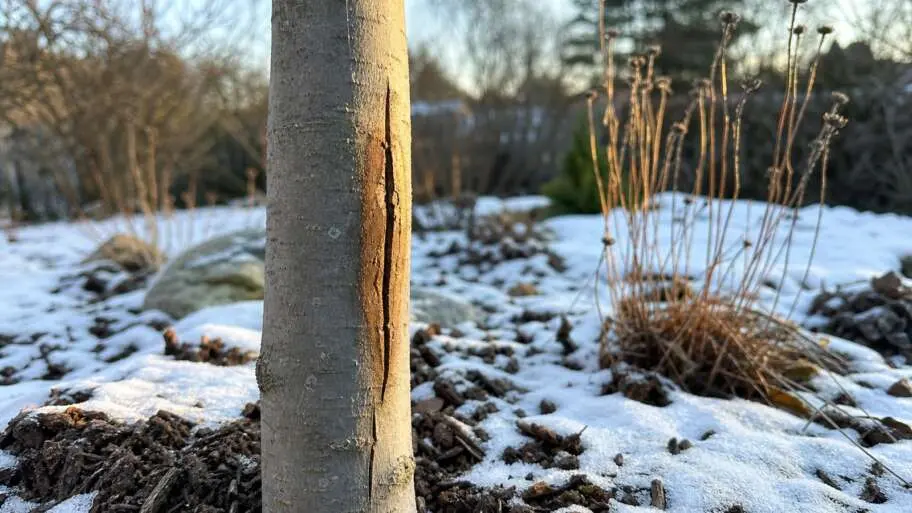
On a bright December afternoon, a young tree trunk can seem to be enjoying the only warm thing in the garden. The beds are flat, the hose is asleep, and the mulch is edged with frost, but the low sun lands on one side of the bark with surprising force. If there is snow on the ground, the light comes…
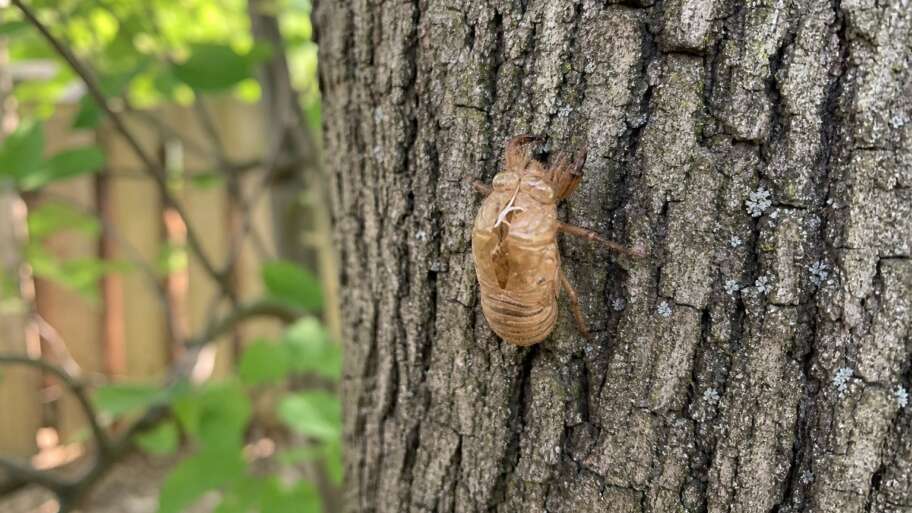
By early August, a tree trunk can start to look faintly haunted. A dry amber husk grips the bark at eye level. Another clings to a fence post beside the compost heap. One turns up on the underside of a hydrangea leaf, still shaped like a creature, but light as old paper. These are not dead cicadas. They are the…
Read more about The empty shells cicadas leave on summer bark
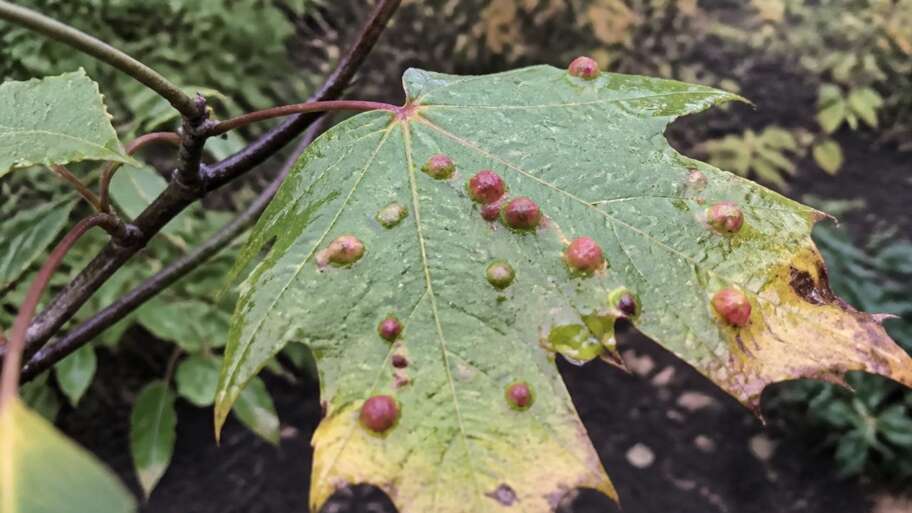
By September, leaves begin to collect evidence. A maple leaf that looked ordinary in June may now be dotted with red beads. An oak leaf may carry small brown discs, pale blisters, or fuzzy patches that look halfway between velvet and rust. Turn the leaf in your hand and the pattern can feel too deliberate to be simple damage. These…
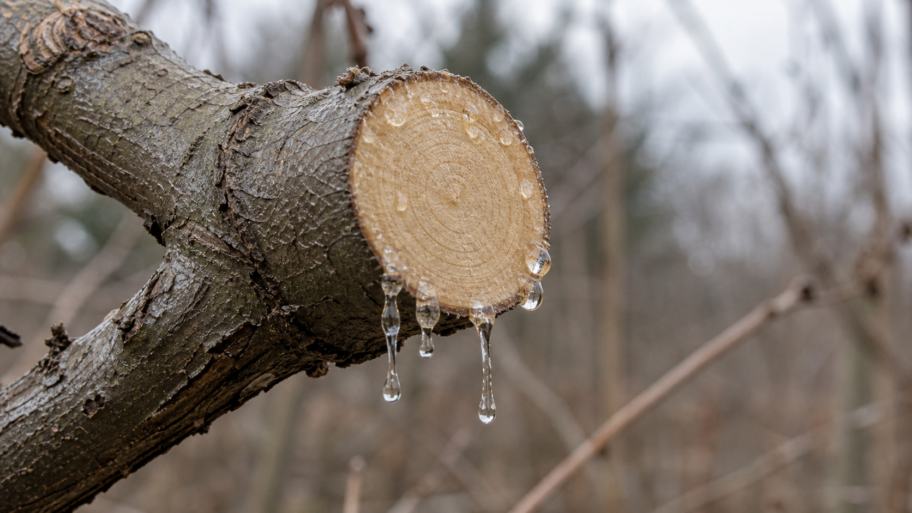
A fresh cut on a March branch can look unexpectedly dramatic. One minute you are doing the sensible work of late-winter pruning. The next, a maple twig or grape cane is shining with clear drops, and the cut seems to be weeping as if the plant has changed its mind about the whole operation. This is the sort of small…