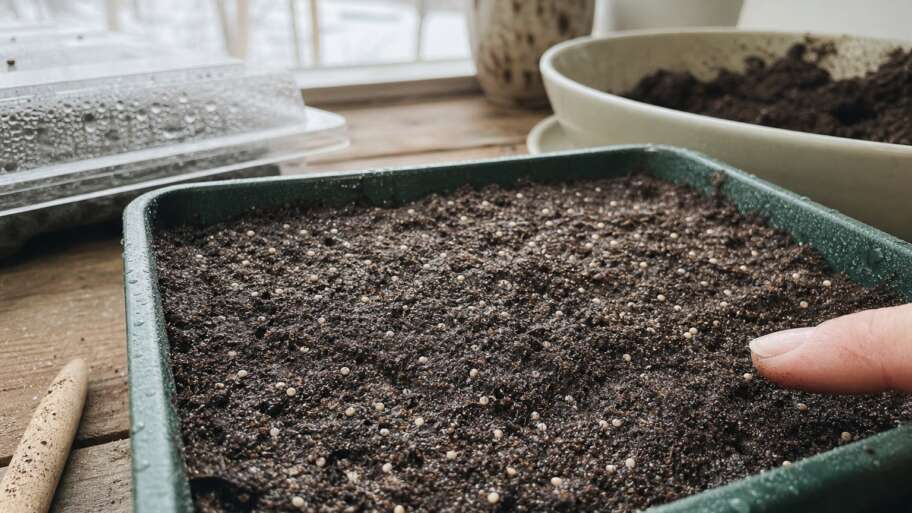

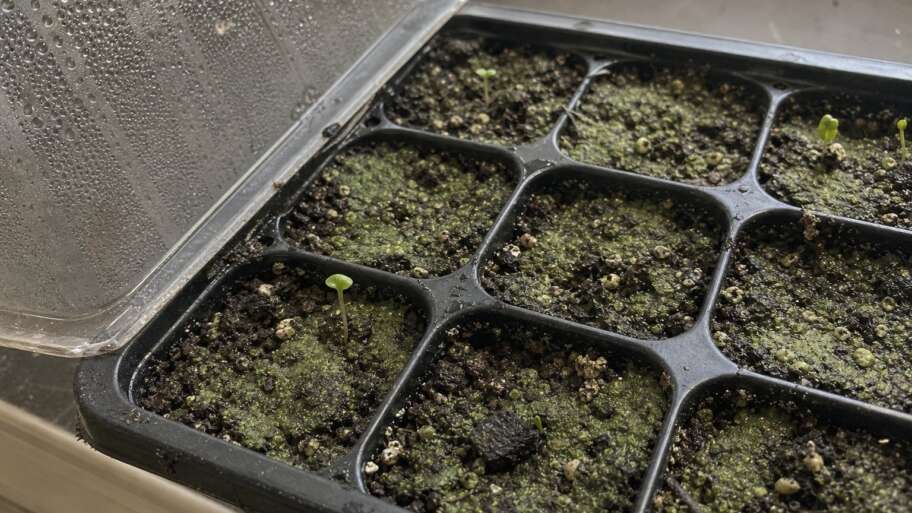
A February seed tray can look too small to have its own ecosystem, until it does. You fill the cells with seed-starting mix, press in tomatoes or basil or snapdragons, mist the surface, set the clear dome over the tray, and wait for the first signs of spring. Then, before many seedlings have done anything impressive, the soil surface begins…
seed starting
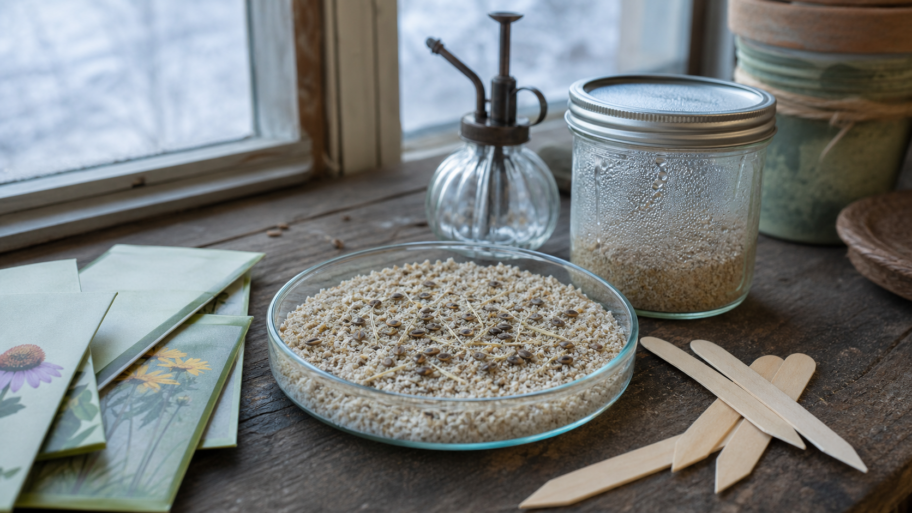
On a January afternoon, the smallest seeds on the bench can feel like the most uncertain ones. Lettuce seed looks almost weightless. Petunia and begonia seeds are closer to dust than to anything a gardener can confidently place. Then the packet gives an instruction that seems to go against every planting instinct: press into the surface, do not cover. Gardeners…
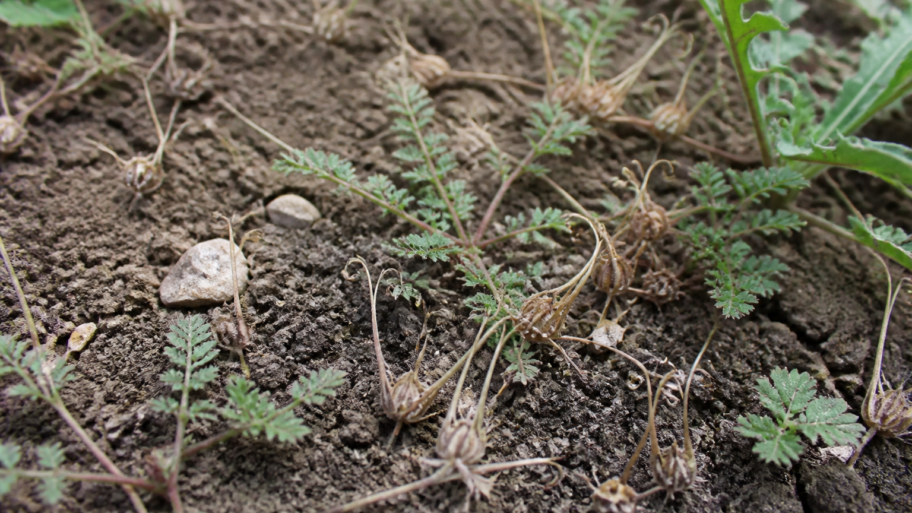
By August, a garden begins to show its small machines. Bean pods dry and tighten. Poppy capsules rattle. Grass heads turn from green brushwork to brittle combs. And in the low, often overlooked places, a stork’s-bill or filaree may be preparing a trick so precise that it looks less like seed dispersal and more like a tiny hand tool. The…
Read more about The seeds that drill themselves into the soil
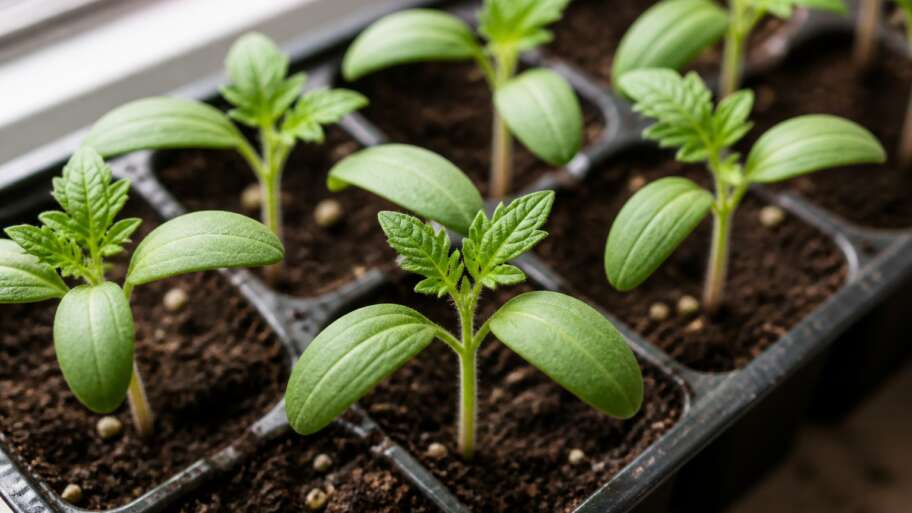
An indoor seed-starting tray can make the gardening year feel suddenly physical. One week the packets are still paper promises. The next, thin green stems are lifting paired little leaves above the mix. They are so small that it is easy to treat them as decoration. In fact, they are a working system. The first leaves on many seedlings do…
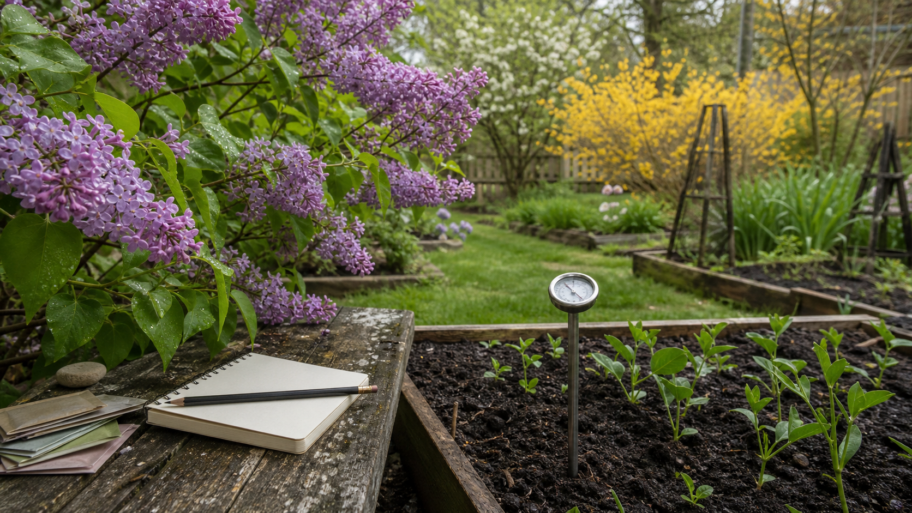
Every spring has two calendars. One hangs on the wall and moves forward one square at a time. The other opens unevenly in the garden: snowdrops first, then maple bloom, then forsythia, then the first lilac flowers, then the moment when peas stop sulking and beans begin to make sense. Gardeners get into trouble when they trust only the first…
Read more about When plants tell time: phenology for gardeners
Some seeds are not waiting for a warmer windowsill. They are waiting for proof that winter has happened. That is the quiet genius of cold stratification. In the wild, many temperate plants drop seed in late summer or autumn, then ask those seeds to endure weeks of cold, damp weather before they are allowed to germinate. It is a survival…
Read more about Sleeping Seeds: How Cold Stratification Wakes a Spring Garden