
What snow does for a sleeping garden

What snow does for a sleeping garden

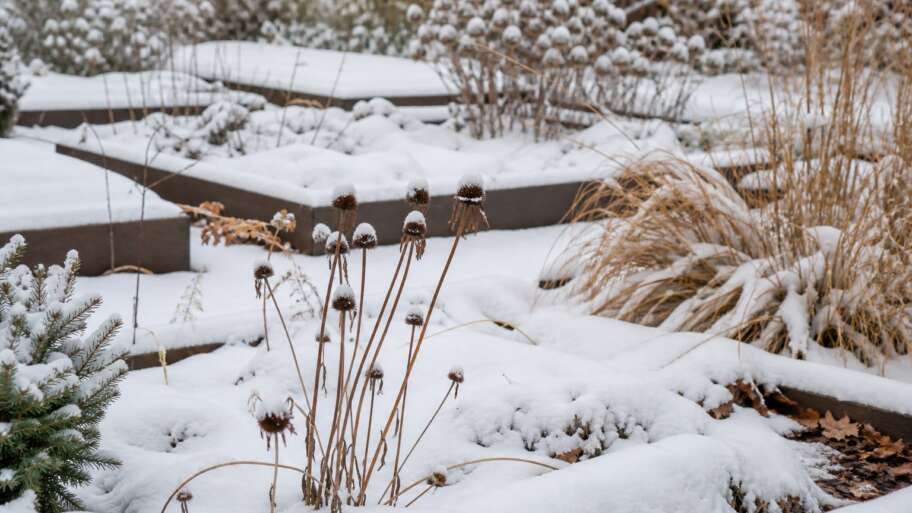
By mid-December, a garden can vanish in the night. Paths soften, beds lose their edges, and the seed heads that looked architectural in November become little dark punctuation marks above a white page. Snow seems to simplify everything. It hides the unfinished jobs, the uncut stems, the fallen leaves that escaped the rake, and the soil you meant to mulch…

Read more

When winter lifts plants out of the ground

When winter lifts plants out of the ground

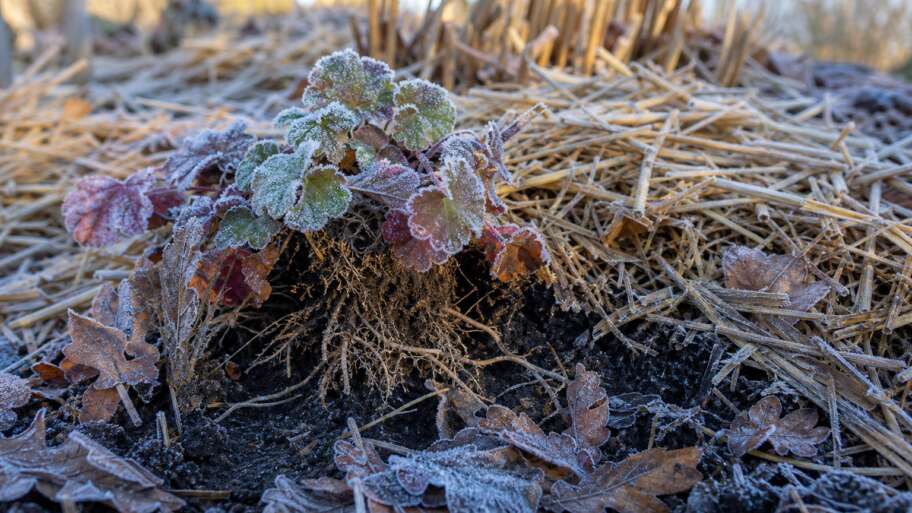
A November garden can look settled after the first hard frosts. The stems have gone quiet. Leaves are pressed flat by rain. The soil darkens, firms, and seems to have closed the season. Then, one morning, a perennial appears to be sitting too high, its crown pushed above the bed as if the ground has exhaled underneath it. This is…

Read more

A summer bed that cooks its weeds

A summer bed that cooks its weeds

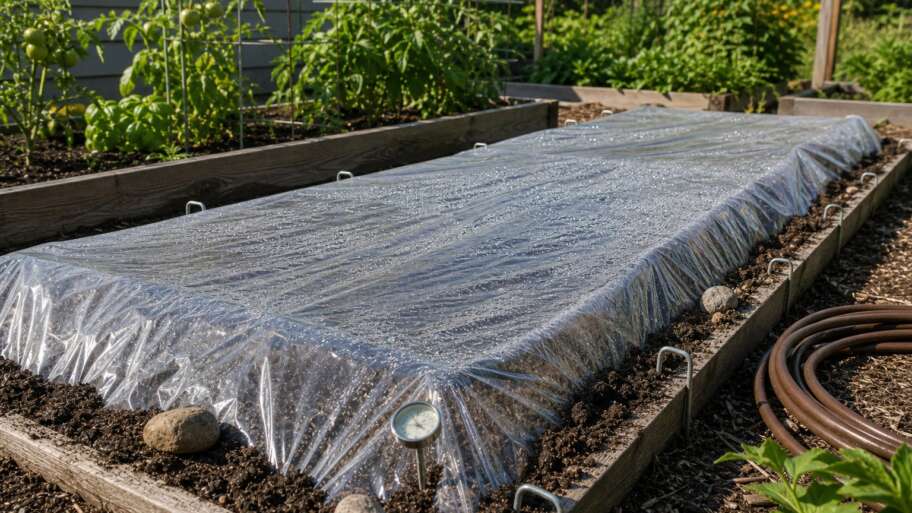
Soil solarization is gardening’s most disciplined use of a hot spell. Instead of fighting July heat, you borrow it. A bed is watered deeply, covered tightly with clear plastic, and left under the sun until the upper soil becomes hot enough to weaken weeds, weed seeds, some soilborne diseases, and certain pests. It looks almost too simple: bare soil, plastic,…

Read more

When plants tell time: phenology for gardeners

When plants tell time: phenology for gardeners

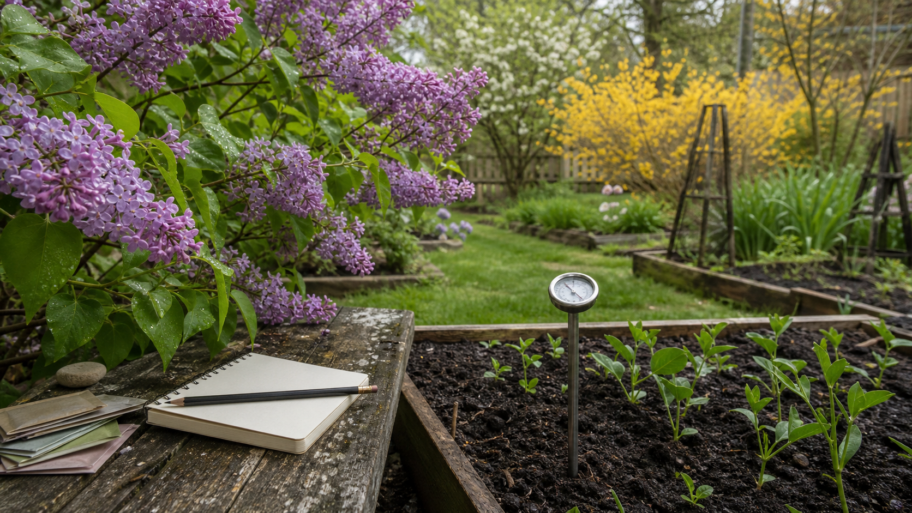
Every spring has two calendars. One hangs on the wall and moves forward one square at a time. The other opens unevenly in the garden: snowdrops first, then maple bloom, then forsythia, then the first lilac flowers, then the moment when peas stop sulking and beans begin to make sense. Gardeners get into trouble when they trust only the first…

Read more