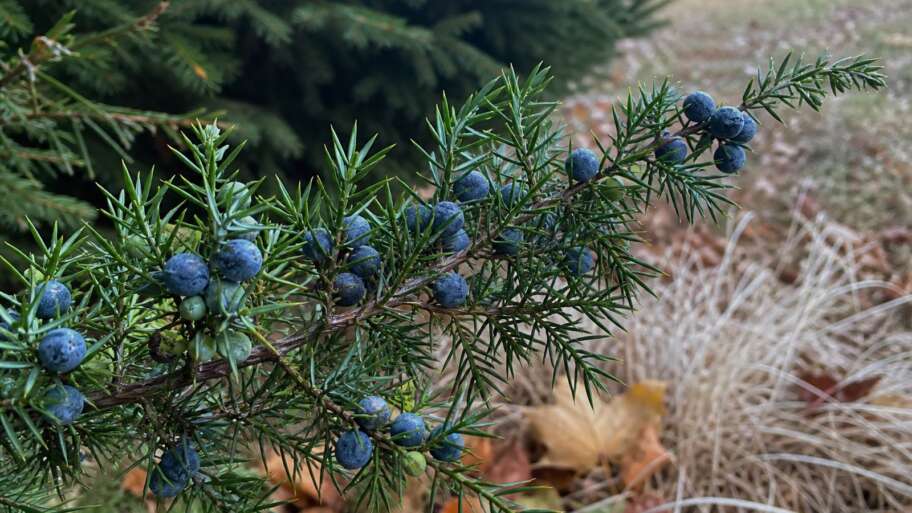

In early October, a juniper can make a liar out of ordinary words. The shrub looks evergreen in the most literal way: prickly, resinous, and built for weather. Then you notice the blue beads tucked along the twigs, as round and matte as tiny blueberries. They look like fruit. They are usually called berries. They even turn up in kitchens…
Plant Science & Curiosities
The mechanisms and patterns behind what gardeners observe, from pollination and plant movement to unusual structures and ecological relationships.
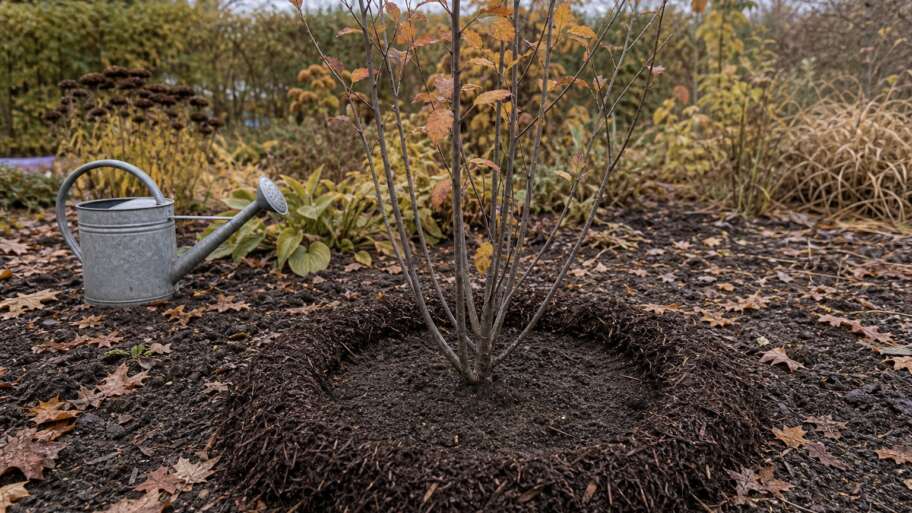
By October, the visible garden starts behaving as if the year is almost filed away. Leaves thin out. Annuals lose their nerve. The tomato vines look tired, the border gets looser at the edges, and the first serious leaf rake begins to sound reasonable. But the garden has a poor sense of human endings. Above ground, many plants are slowing…
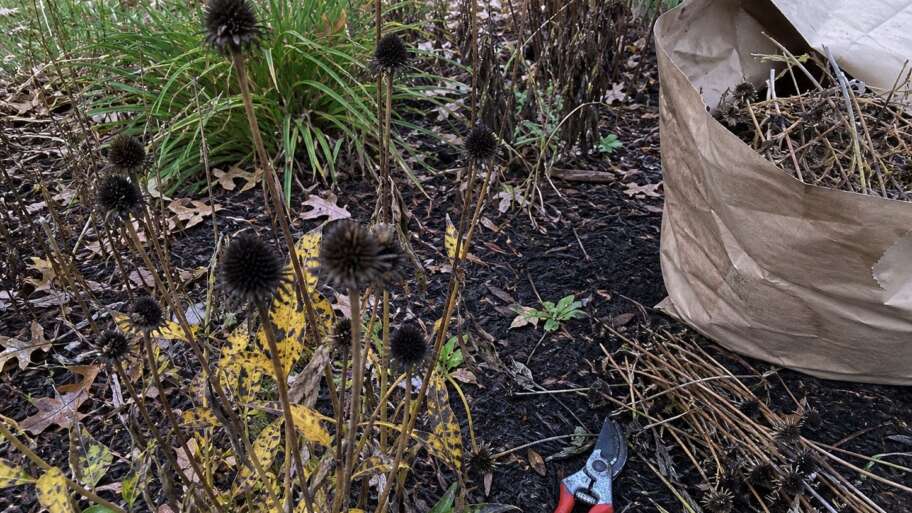
A spotless October garden has excellent public relations. The stems are gone. The leaves are bagged. The beds are shaved down to mulch and labels. From the sidewalk, it looks responsible, almost moral, as if the gardener has defeated decay itself and sent it away in kraft paper sacks. Here is the irritating truth: a garden that clean is often…
Read more about Your spotless fall garden is not the virtue you think it is
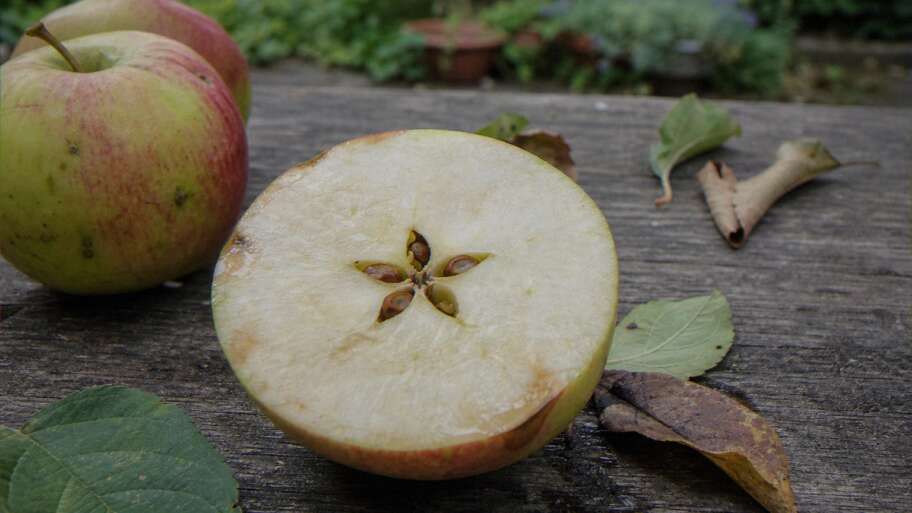
Slice an apple from stem to blossom end and it behaves the way apples usually behave in kitchens: two shoulders, a pale core, a neat place for the knife to pass. Slice it across the middle instead, and the fruit shows a different map. In the center is a small star, five little rooms arranged around a point, each one…
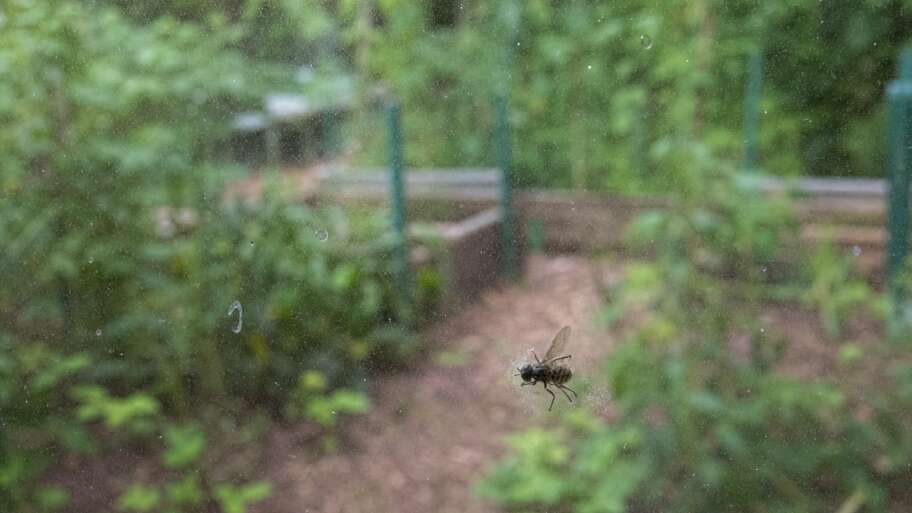
If you ever find a dead fly glued to a window, a fence rail, or the tip of a late-summer plant stem, do not wipe it away too quickly. Look at the wings first. If they are lifted like tiny glass doors, and a pale dusting sits around the body, you may be looking at one of the strangest deaths…
Read more about The fungus that turns flies into launch pads
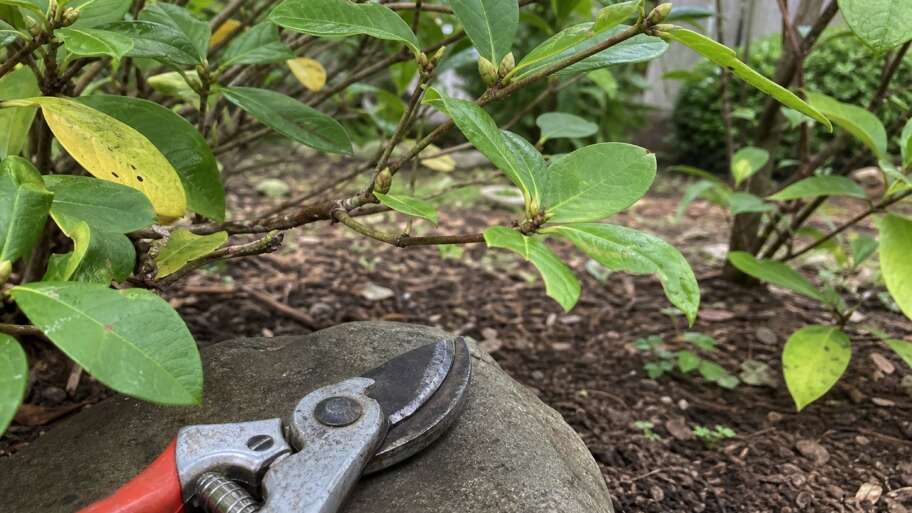
There is a particular kind of September energy that makes gardeners dangerous. The tomatoes are tired. The borders are shaggy. The paths are disappearing under late growth. Suddenly the pruners feel like a reasonable answer to everything. Then comes the satisfying cut. A lilac gets rounded. A forsythia gets shortened. A bigleaf hydrangea is made tidy for fall. The shrub…
Read more about The September pruning mistake that can erase next spring’s flowers
By August, a pepper plant can look as if it has misplaced its calendar. The fruit is full sized. The shoulders are glossy. The plant has done the hard work of flowering, setting fruit, and swelling those green walls into something that already feels like a harvest. Then the gardener waits for red, and the pepper seems to consider the…
By early August, a tree trunk can start to look faintly haunted. A dry amber husk grips the bark at eye level. Another clings to a fence post beside the compost heap. One turns up on the underside of a hydrangea leaf, still shaped like a creature, but light as old paper. These are not dead cicadas. They are the…
Read more about The empty shells cicadas leave on summer bark
In late May, a foxglove spike can look as though it is keeping two calendars at once. The lowest bells are open, freckled, and deep enough for a bumblebee to disappear into. Halfway up the stem, the flowers are still folded tubes. At the tip, a queue of green buds waits, as if the plant is saving tomorrow’s color for…
In the soft weather of May, ferns can make a shaded bed look as if it has invented a new kind of spring. One week there is only leaf litter, damp soil, and the brown remains of last year’s stems. Then little green scrolls rise from the crown, tucked inward like the heads of violins, each one holding a whole…
Read more about Why fern fiddleheads unroll instead of unfolding