
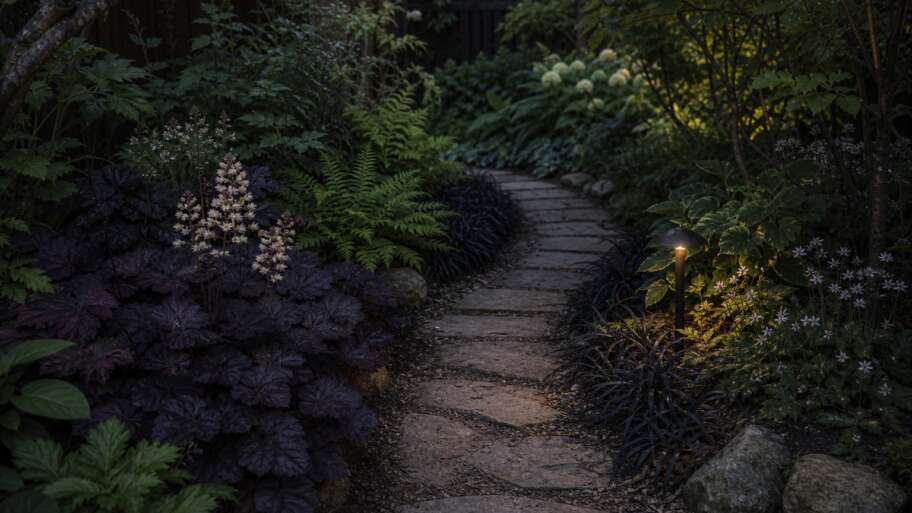
A shadow garden should invite a person forward, not trap them in a theme. Mystery works when the eye cannot see everything at once: a bending path, a pale flower beyond dark leaves, a bench partly hidden by fern, a sound of water before the basin appears. The mistake is to buy only dark plants and expect atmosphere to arrive.…
Garden Design
Layouts, planting combinations, small-space ideas, wildlife habitat, and gardens that remain workable after planting day.
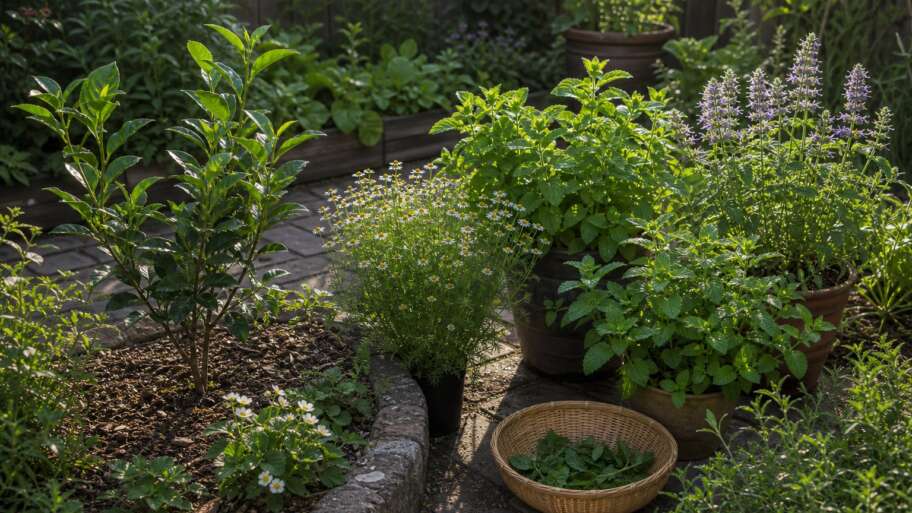
A homegrown tea garden begins with a useful distinction. Tea is one species. Herbal tea is many plants. The leaves of Camellia sinensis become green, black, oolong, white, and other true teas. Mint, chamomile, lemon balm, tulsi, and lavender make infusions, often called herbal teas, but they are not the same crop. UF/IFAS makes the same botanical distinction: traditional green,…
Read more about The homegrown tea garden, built from real plants
Gardeners are already phenology observers. We notice when the lilac opens, when the first bee appears, when the apple drops its petals, when milkweed pods split, and when maples begin to color. Citizen science begins when those private observations become consistent enough to be useful beyond one garden. Phenology is the study of recurring seasonal events in living things. A…
Read more about How gardeners can become phenology observers
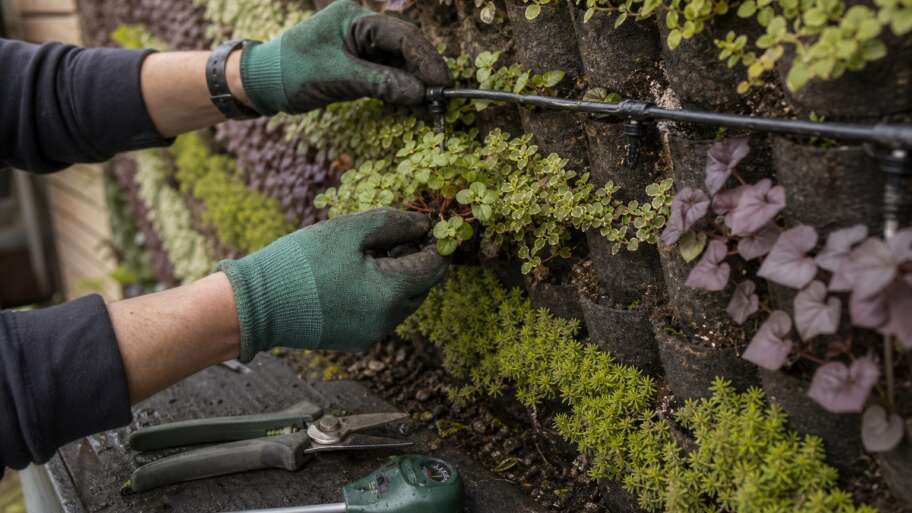
A living mural has a glamorous first week. The pattern is sharp, the foliage is tight, and every small plant seems to know its assigned color. The harder part begins after the photograph, when roots start exploring, leaves grow at different speeds, and one dry pocket can turn a crisp design into a missing tile. The point is not only…
Read more about Keeping a living mural alive after planting day
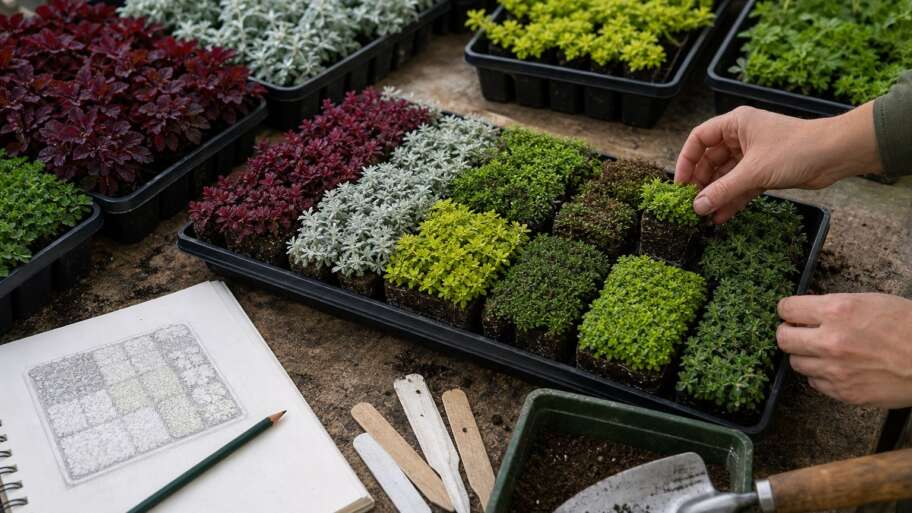
Mosaiculture works when living plants are treated as changing pixels: selected for foliage, growth rate, viewing distance, irrigation, and maintenance.
Read more about Painting with plants: how to design with plants as pixels
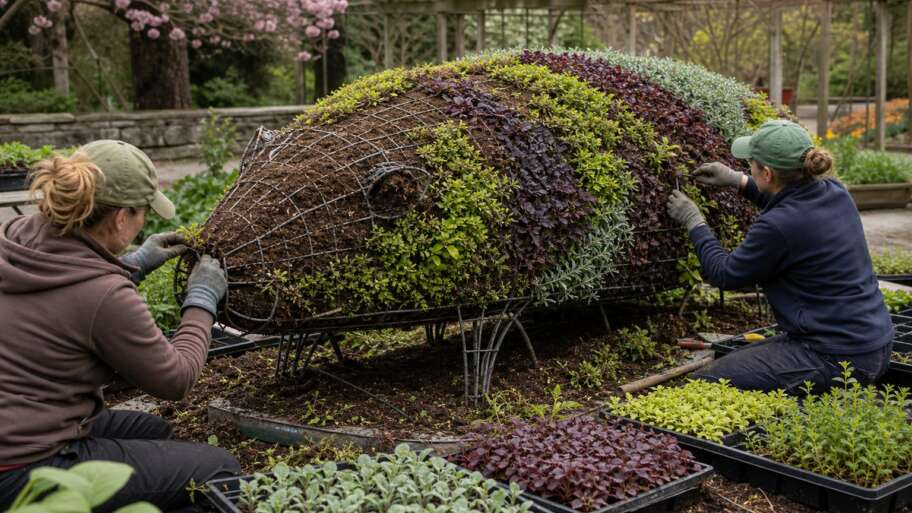
Mosaiculture is a modern public-garden art with older roots in topiary and carpet bedding: plants become pixels, sculpture, and seasonal performance.
Read more about Mosaiculture is not just topiary with better colors
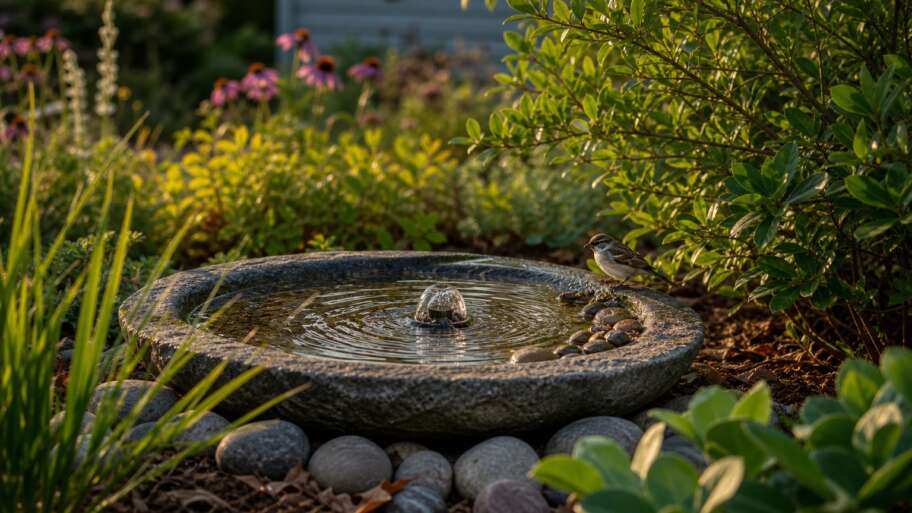
A useful bird bath is shallow, clean, visible, and tied into cover and planting. The best water feature works like habitat maintenance, not garden decoration.
Read more about Water is the bird feature your garden cannot fake
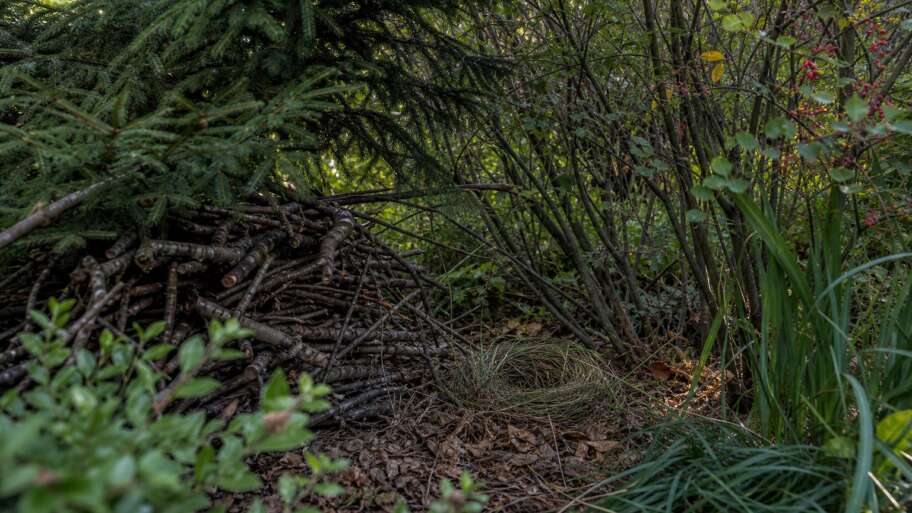
A bird garden is often judged by the birds we can see: a cardinal on a seedhead, a wren in the shrub, a goldfinch working over coneflowers. Shelter is less showy. It is the dense twig, the evergreen pocket, the brush pile, the grass clump, and the nest box placed well enough to be useful without becoming an easy target.…
Read more about Shelter is the bird garden’s quiet architecture
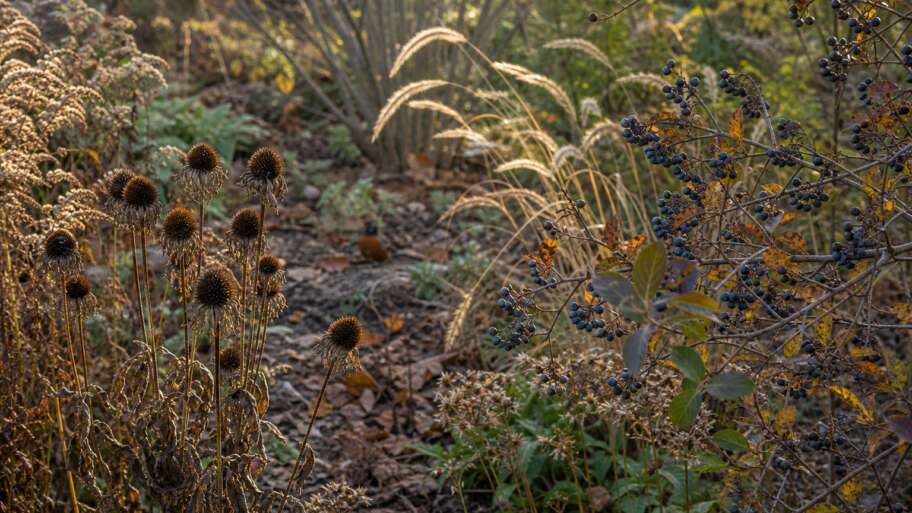
A bird-friendly garden is habitat first: layered planting, insects, seeds, berries, clean water, shelter, safer windows, and feeders used as supplements.
Read more about How to make a garden genuinely useful for birds
The easiest aquaponic problems to solve are the ones that still look boring. A pump hums a little differently. Fish come up for food more slowly. Lettuce that was bright yesterday looks slightly tired. A test tube shifts from pale yellow toward green. Those are not emergencies yet. They are the system giving you time. Aquaponics is often described as…
Read more about Keeping an aquaponic system stable before it becomes a crisis