
A fantasy game can inspire a garden without turning it into a prop display. Borrow pacing, contrast, focal points, and plant communities instead.
Read more about How fantasy games can inspire a real, living garden

Layouts, planting combinations, small-space ideas, wildlife habitat, and gardens that remain workable after planting day.
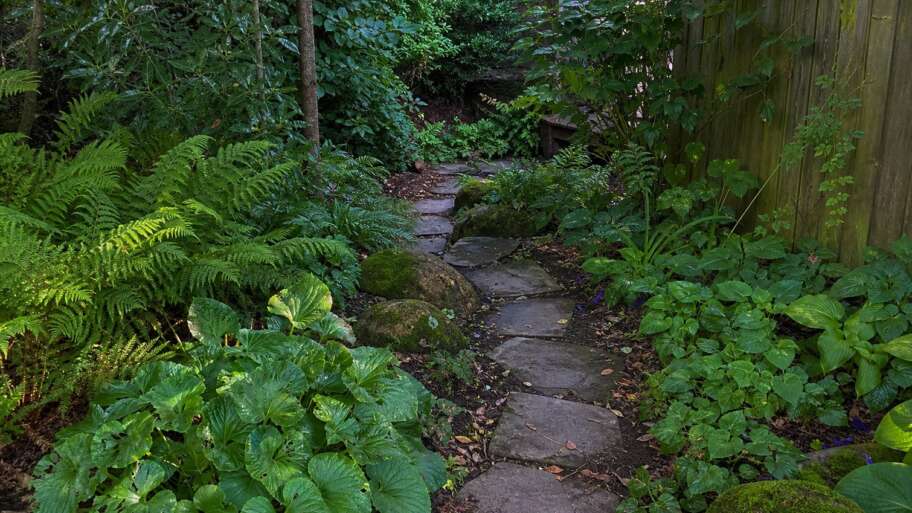
A fantasy game can inspire a garden without turning it into a prop display. Borrow pacing, contrast, focal points, and plant communities instead.
Read more about How fantasy games can inspire a real, living garden
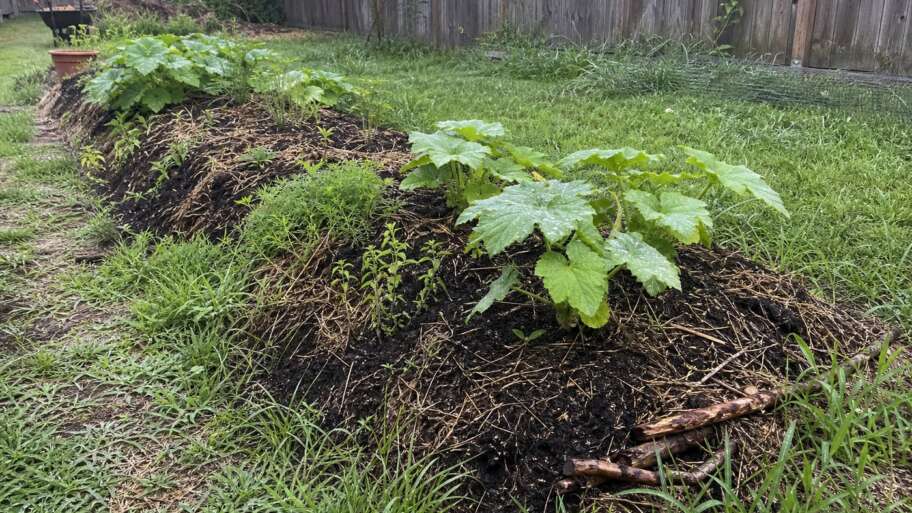
Hugelkultur works best when it is tuned after the logs are buried: fill settling pockets, feed the soil cap, mulch the slope, water by zone, and treat the mound as a living bed rather than a finished monument.
Read more about How to tune a hugelkultur bed after the logs are buried
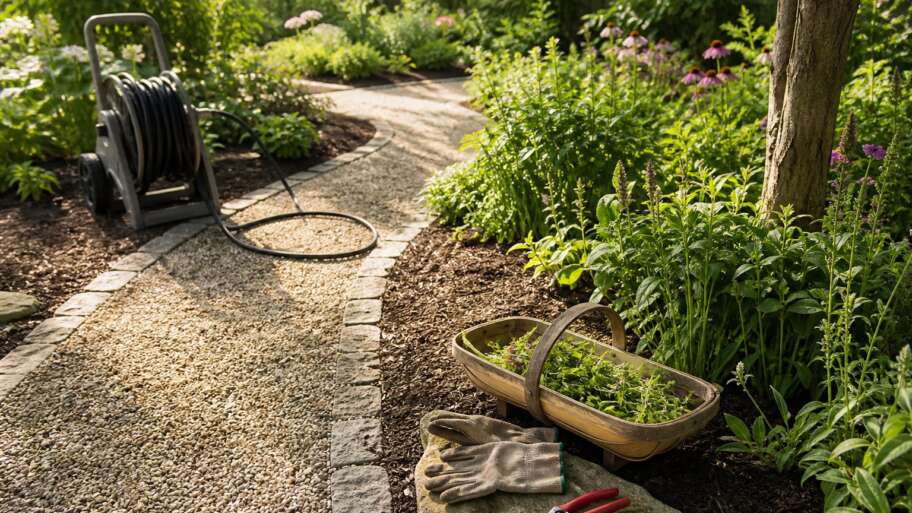
Fast garden maintenance should not feel like a raid on your own yard. The best version is quiet, regular, and slightly boring: a few weeds before they seed, a watering check before plants collapse, a path edge before it disappears, and a small repair before it becomes a weekend. Clemson Extension notes that no landscape is maintenance-free, but good planning,…
Read more about How to make garden maintenance faster without making it frantic
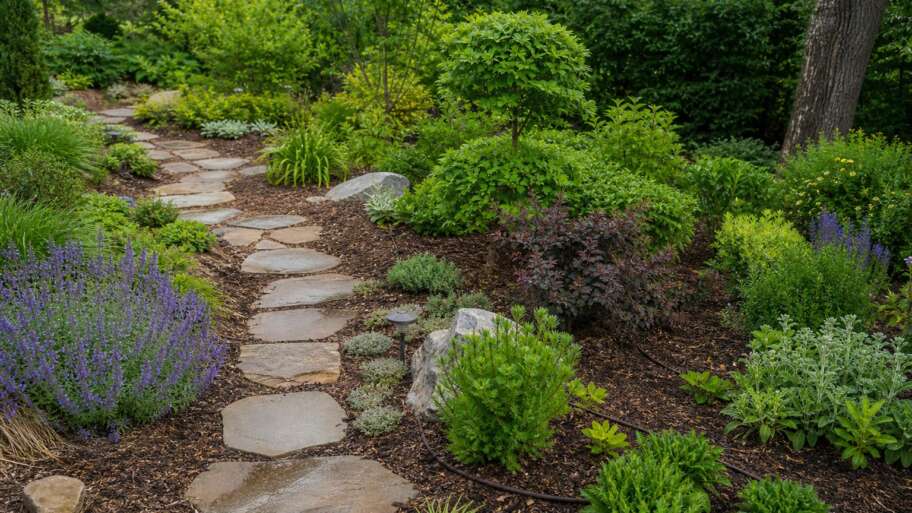
A lush landscape does not have to be a high-maintenance one. The secret is not finding plants that never grow, weeds that never germinate, or irrigation that reads your mind. The secret is designing density, water, access, and plant choice so the garden spends less time in crisis. Clemson Cooperative Extension is direct about the premise: no landscape is maintenance-free,…
Read more about A lush landscape that does not eat the weekend
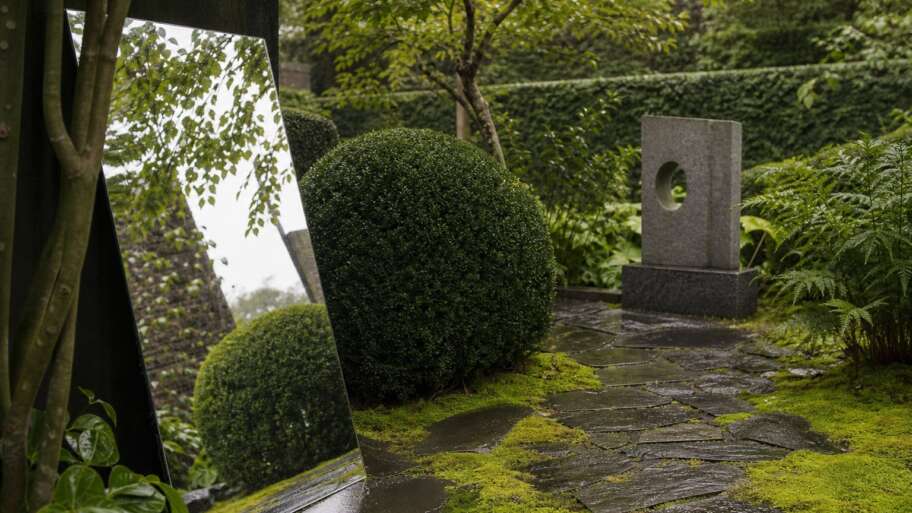
A surrealist garden is easy to imagine and harder to maintain. Mirrors, odd thresholds, tilted objects, clipped forms, unexpected scale, and dreamlike plantings can make a small space feel charged with possibility. Then leaves fall into the reflective pool, a vine eats the sculpture, and the mossy path becomes slick enough to argue with your ankles. Surrealism itself was never…
Read more about Keeping a surrealist garden alive after the dream
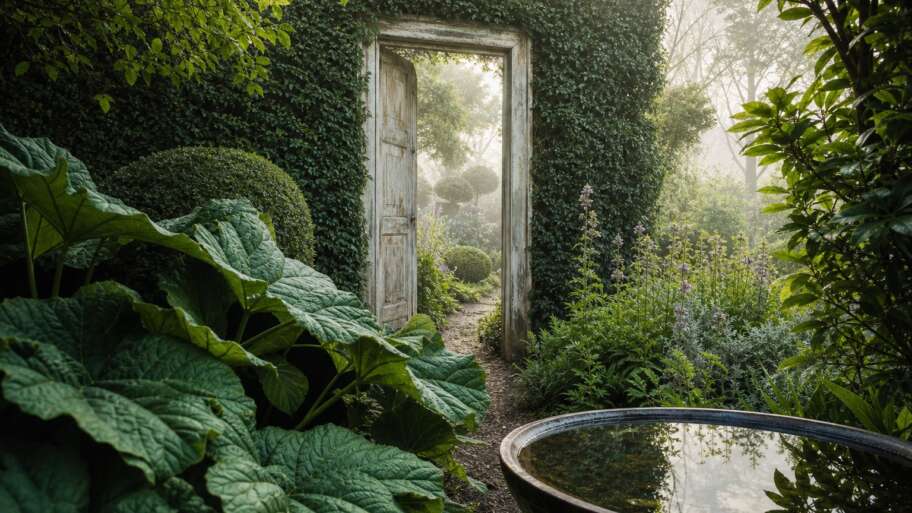
A surrealist garden begins with a useful contradiction. It should feel dreamlike, but it has to be built from real materials and living plants. A stair that leads nowhere may be delightful in a drawing. In a garden, it must also drain, hold weight, avoid becoming a hazard, and have a reason to exist when the flowers are gone. Tate…
Read more about How to create a surrealist garden without losing the plants
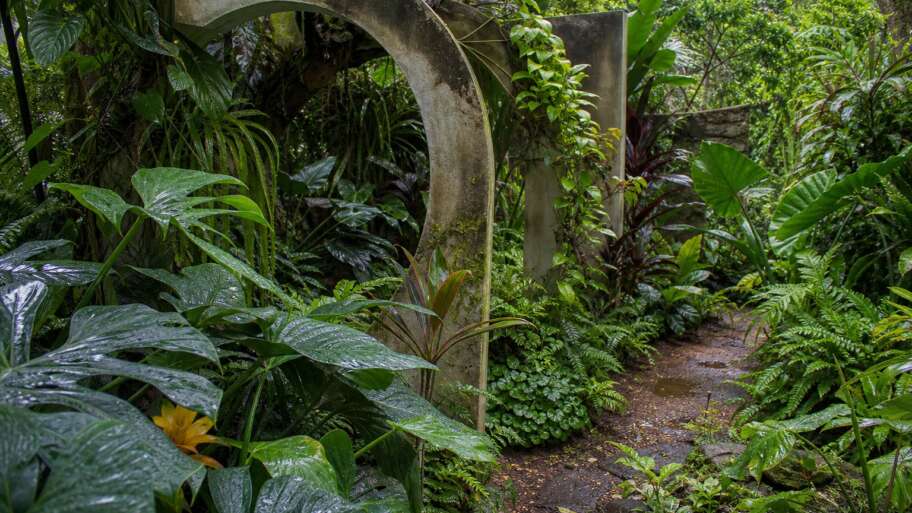
A surrealist garden is not simply a weird garden. It is a garden where the familiar becomes unstable. A staircase rises into leaves and stops. A doorway frames nothing but sky. A clipped shrub looks too deliberate beside a plant that seems to have arrived from a dream. The effect can be playful, uneasy, beautiful, or all three at once.…
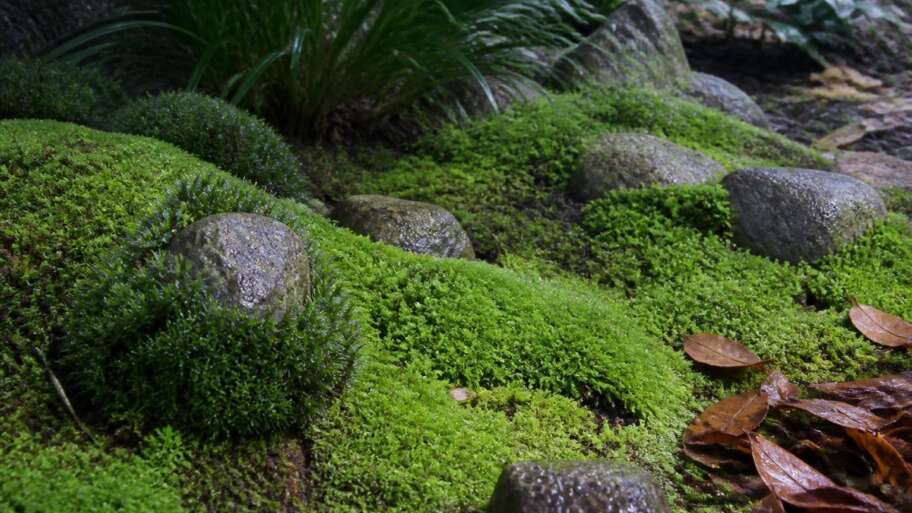
A moss garden looks quiet, but it is not asking to be ignored. It asks for a different kind of attention than a lawn or perennial border. The work is less about mowing, feeding, and deadheading, and more about moisture, debris, light, surface contact, and patience. Mosses are bryophytes, nonvascular plants without true roots. Instead, rhizoids anchor them to soil,…
Read more about Moss care for a garden that wants to stay small

A convincing moss garden rarely begins with moss. It begins with a surface. Mosses are small enough that every slope, stone edge, boot print, fallen leaf, and splash of runoff becomes part of the design. If the surface is wrong, even good moss looks temporary. If the surface is right, a small green colony can make a corner feel older…
Read more about Designing a moss garden that looks grown, not placed
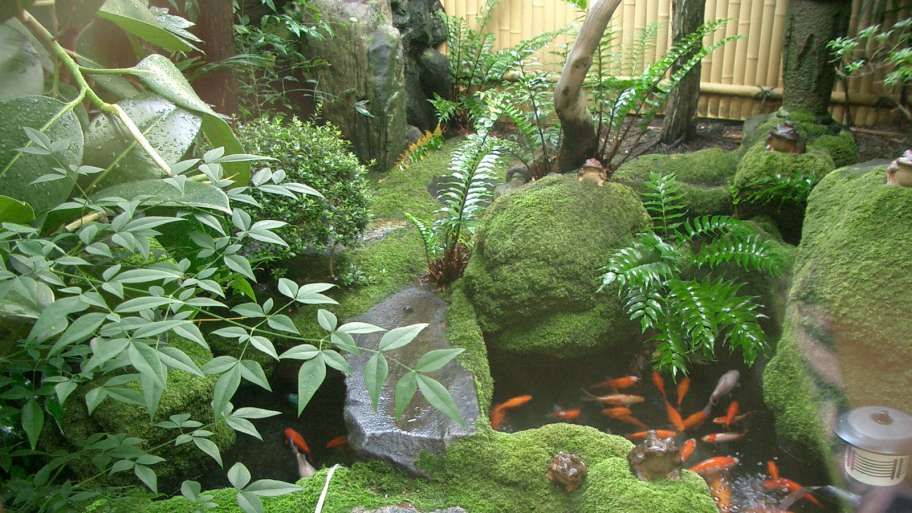
Moss has a way of making a garden feel quiet before you understand why. It softens stone, catches light, and turns a small shady patch into a place worth kneeling beside. But moss gardening is often misunderstood because it is treated like miniature lawn care. Moss is not low-cut grass. It is another way of being a plant. A successful…