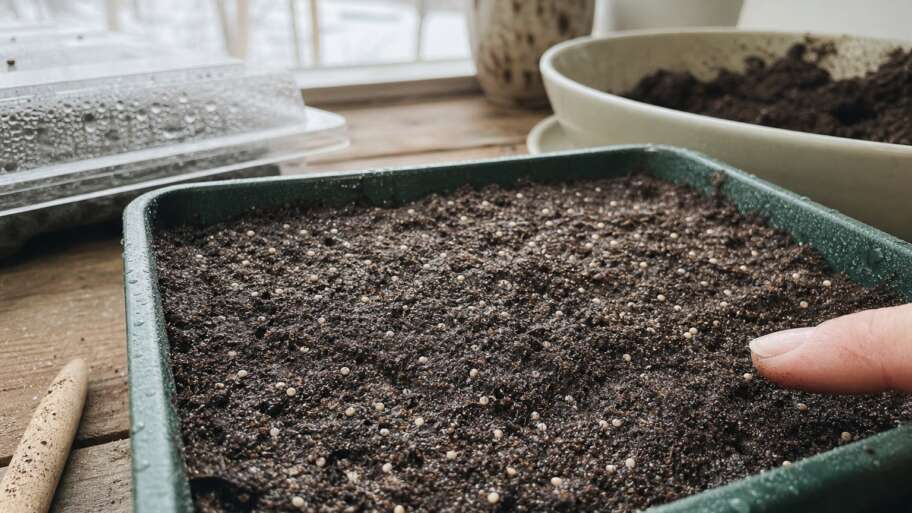

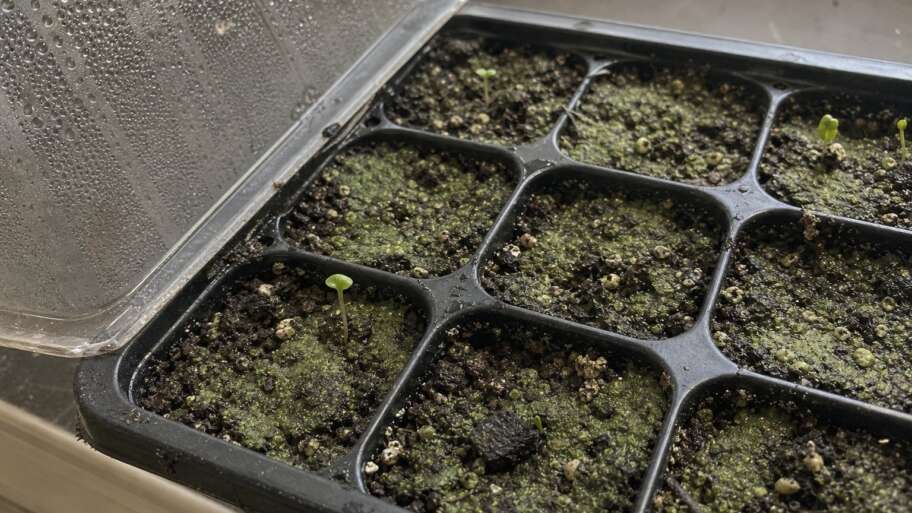
A February seed tray can look too small to have its own ecosystem, until it does. You fill the cells with seed-starting mix, press in tomatoes or basil or snapdragons, mist the surface, set the clear dome over the tray, and wait for the first signs of spring. Then, before many seedlings have done anything impressive, the soil surface begins…
Garden Care
Practical guidance on soil, watering, pruning, seasonal work, pests, and keeping plants healthy in real garden conditions.
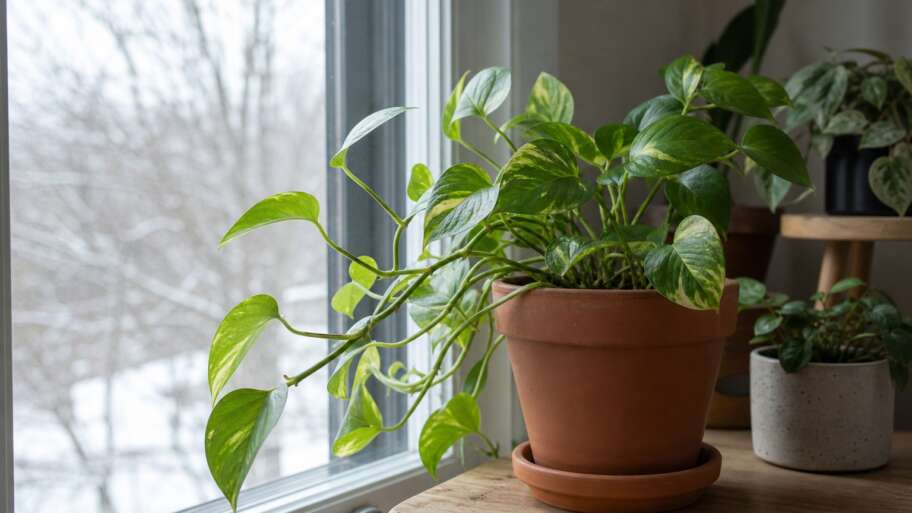
By late January, a houseplant can start to reveal the shape of the room. The pothos that looked evenly full in October now has most of its newest leaves tilted toward the glass. A heartleaf philodendron sends one vine across the sill while the back of the pot goes quiet. A jade plant slowly becomes a green question mark, leaning…
Read more about Why houseplants lean toward the winter window
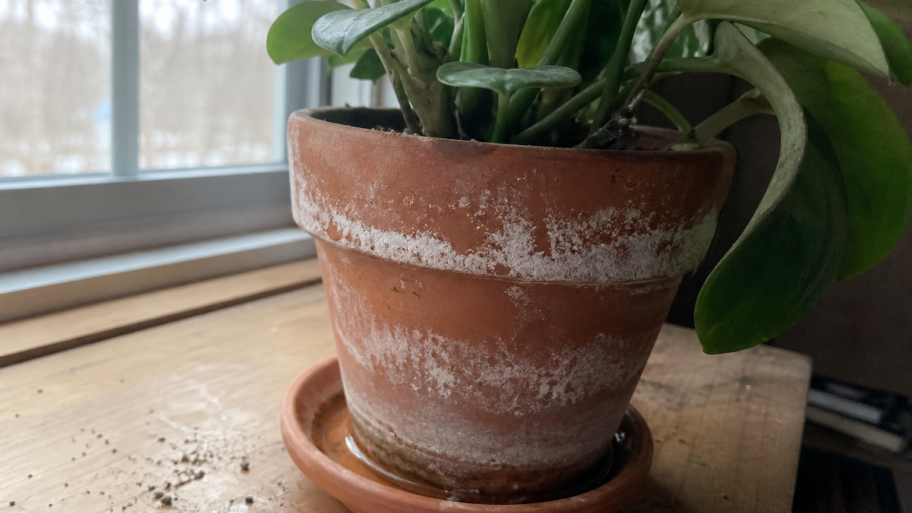
By late January, a terracotta pot can start to look as though it has weathered a tiny winter of its own. The plant may be perfectly alive: a pothos making another heart-shaped leaf, a jade sitting quietly, a fern still asking for its usual careful watering. But the pot has changed. Around the rim, along the saucer line, or near…
On a January afternoon, the smallest seeds on the bench can feel like the most uncertain ones. Lettuce seed looks almost weightless. Petunia and begonia seeds are closer to dust than to anything a gardener can confidently place. Then the packet gives an instruction that seems to go against every planting instinct: press into the surface, do not cover. Gardeners…
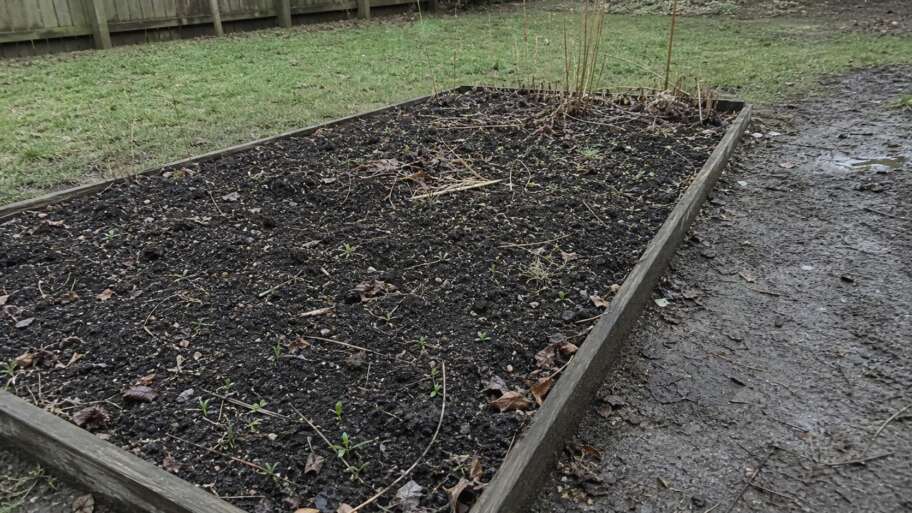
On December 31, a garden can look finished in the most convincing way. The beds are low, the paths are damp, the seed catalogs are beginning to arrive, and the year’s failures have softened into mulch and memory. It is tempting to think the next garden begins when we open a fresh packet in spring. The soil knows better. Under…
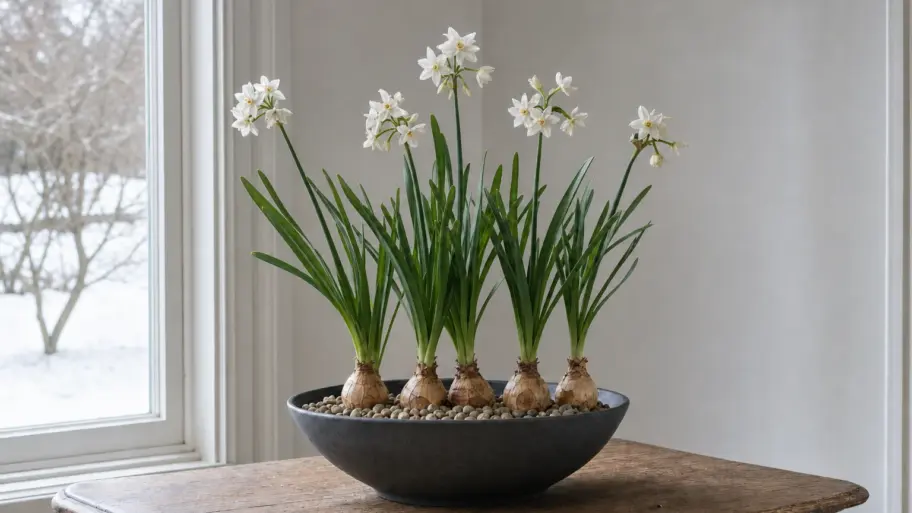
On Christmas morning, a bowl of paperwhites can look as if someone has smuggled April onto the windowsill. Outside, the garden may be resting under frost, mulch, or a thin layer of snow. Inside, bare tan bulbs sit in white pebbles and throw up green blades, then clusters of starry flowers so bright they almost make the room feel newly…
Read more about The Christmas bulbs that bloom in a bowl of stones
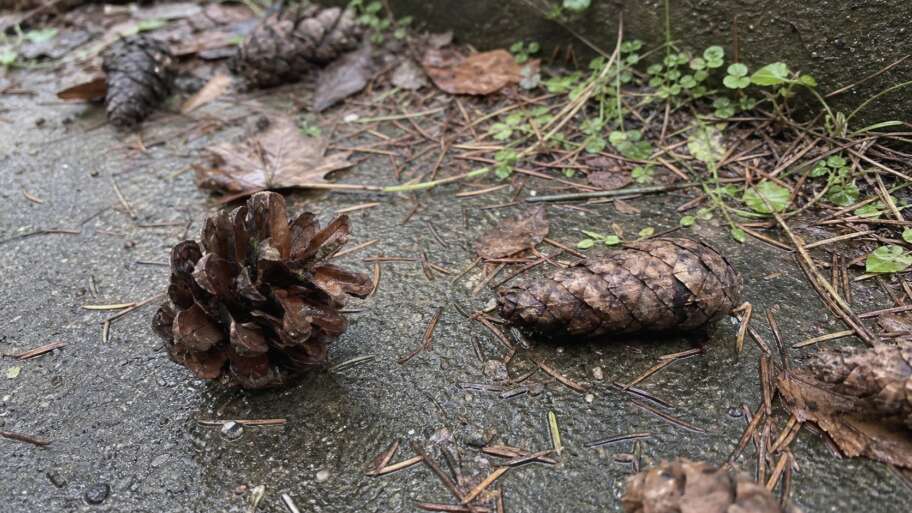
A pine cone on a December path can look like a small piece of carved weather. On a dry afternoon, its scales flare outward and cast little shadows. After rain, the same cone tightens into a darker, neater shape, as if it has tucked itself away from the cold. It is tempting to read this as a kind of plant…
Read more about Why pine cones open and close with the weather
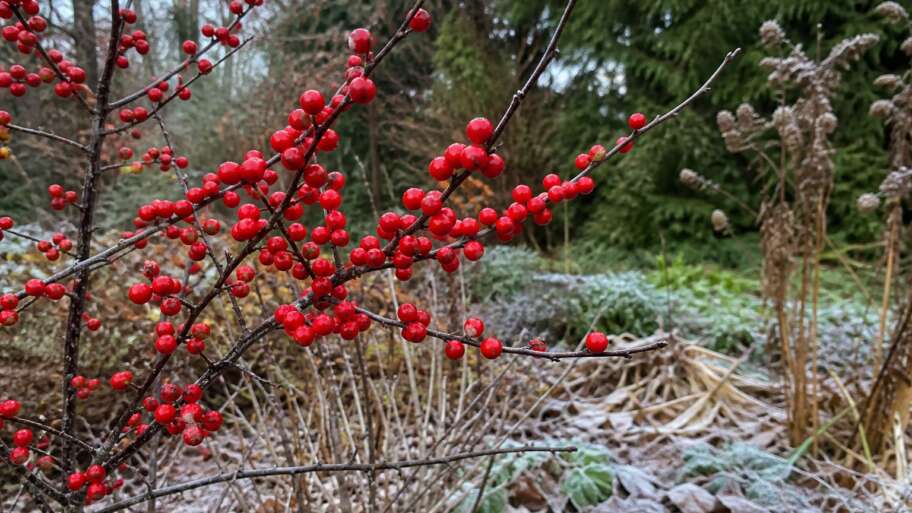
By early December, most shrubs have stopped trying to impress anyone. Their leaves have dropped, their flowers are old news, and their summer shape has been reduced to twigs. Then winterberry comes into view as if the garden has been saving a secret. The leaves fall away, and the stems are left strung with red fruit. It is a strange…
Read more about Why winterberry looks brighter after the leaves fall
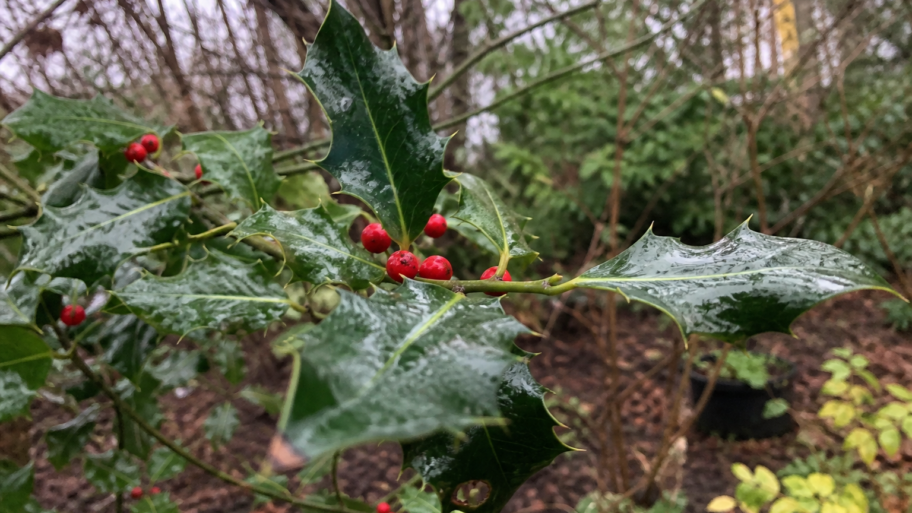
A holly branch in December seems, at first, to be one of the garden’s simplest statements. Dark glossy leaves. Red berries. A shape sharp enough to belong to winter. Then you look more closely and the certainty begins to loosen. One leaf has a dramatic ring of points. Another, only a few inches away, is almost smooth. A third looks…
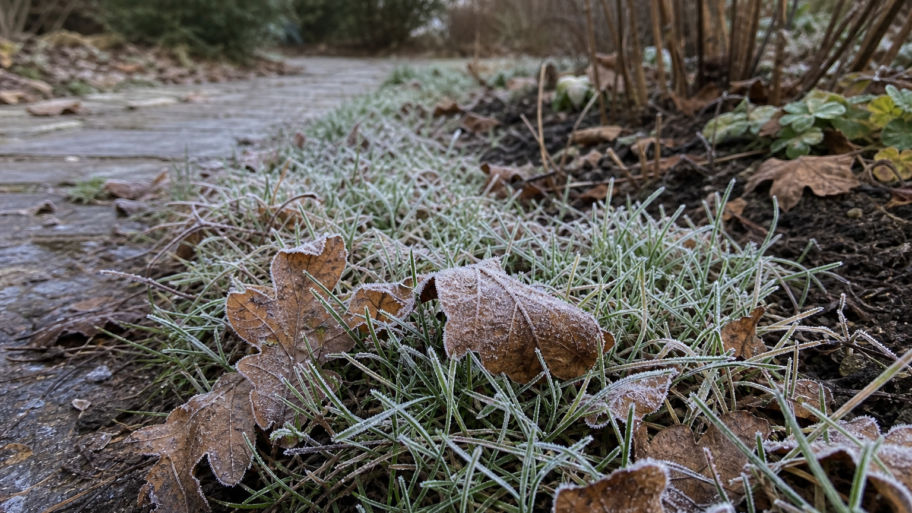
A late-November garden can make a weather report feel personal. The forecast says the low was 36 degrees Fahrenheit. The porch thermometer agrees. Nothing, according to the numbers, should have frozen. Then you step outside and the lawn is silvered, the fallen oak leaves are rimmed white, and the low parsley at the edge of the path looks as if…