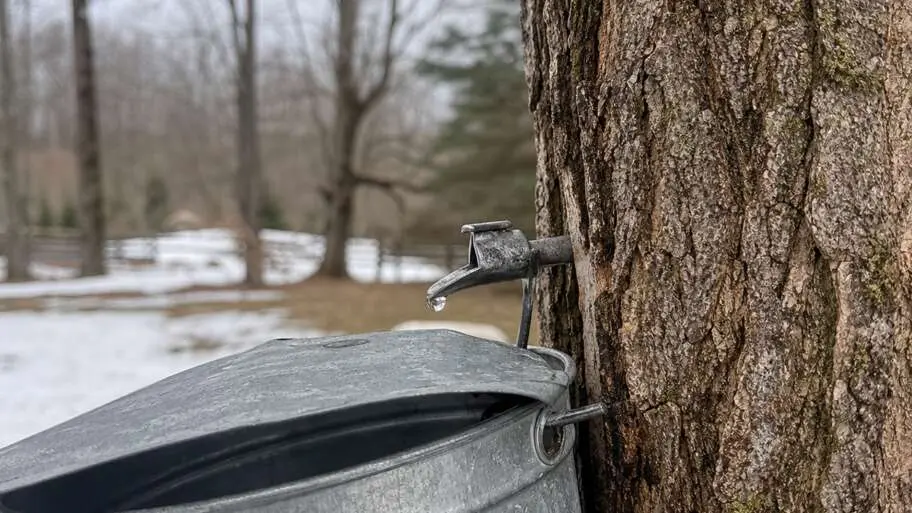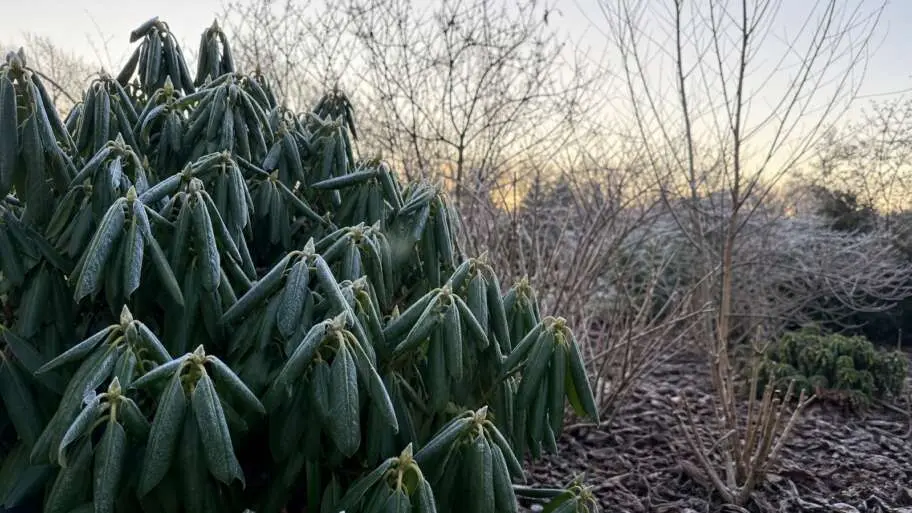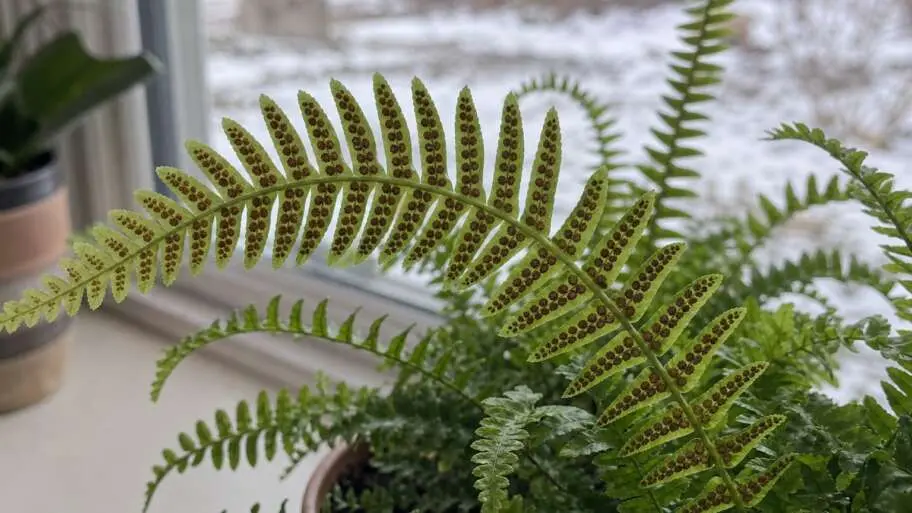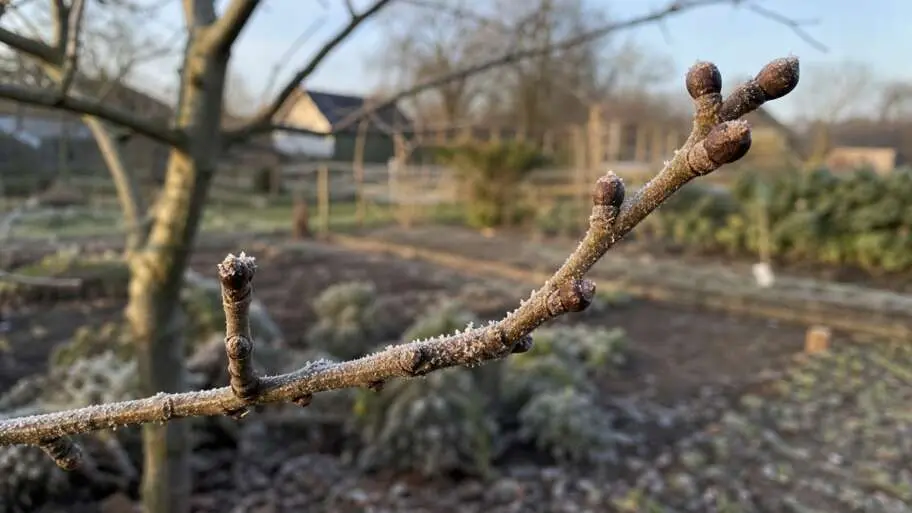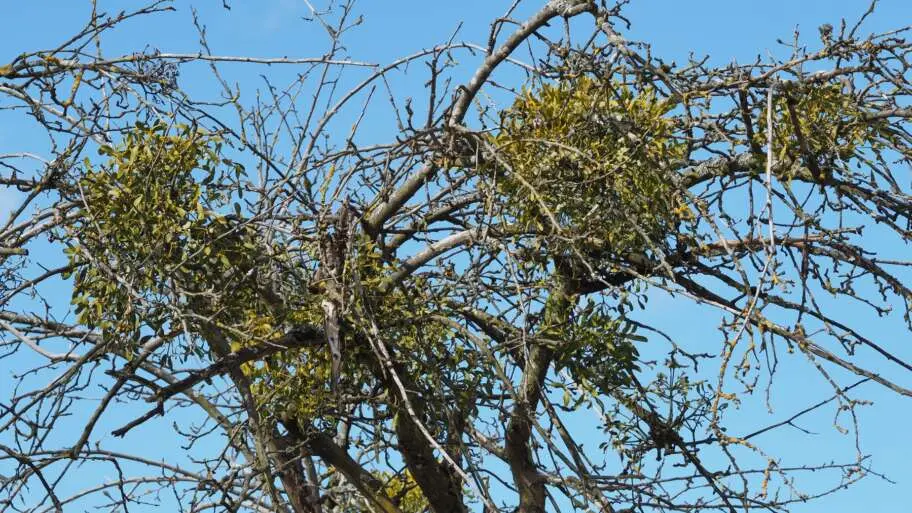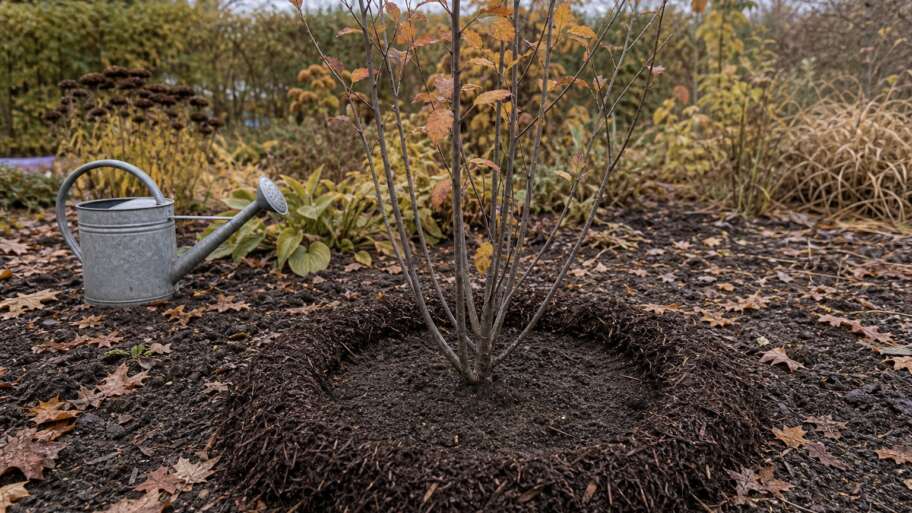

By the last morning of the year, a deciduous tree has usually stopped pretending. The leaves are gone. The soft green noise of summer has fallen away. Every fork, scar, old pruning cut, and awkward branch angle is suddenly visible against the winter sky. That is when the green clump looks most suspicious. High in an apple, poplar, maple, hawthorn,…
Plant Guides
Close looks at garden and houseplants: their identifying features, growth habits, uses, limitations, and site-specific care.
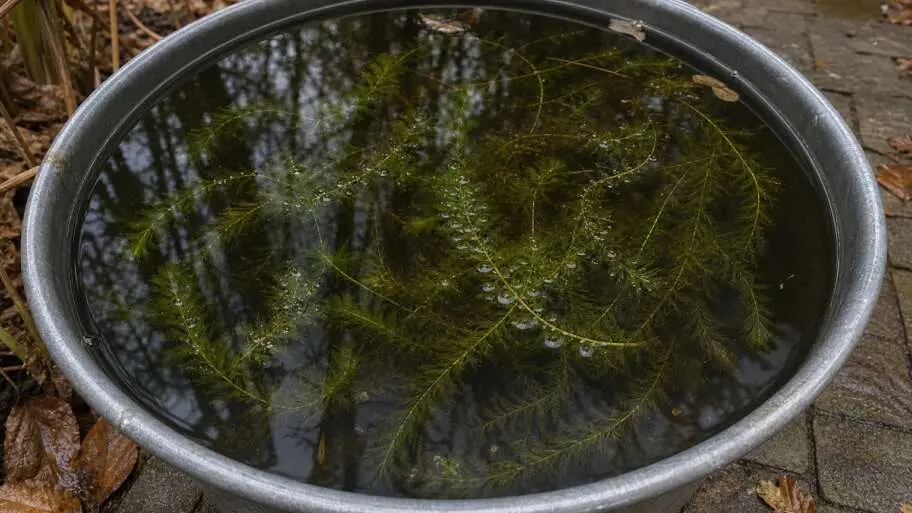
Most winter garden work happens above ground: cutting back blackened stems, emptying pots, gathering leaves, pretending the hose should have been put away last week. But one of the strangest small gardens you can keep is almost entirely hidden from that view. It sits in a tub, a half barrel, or a small pond, and its leaves do their work…
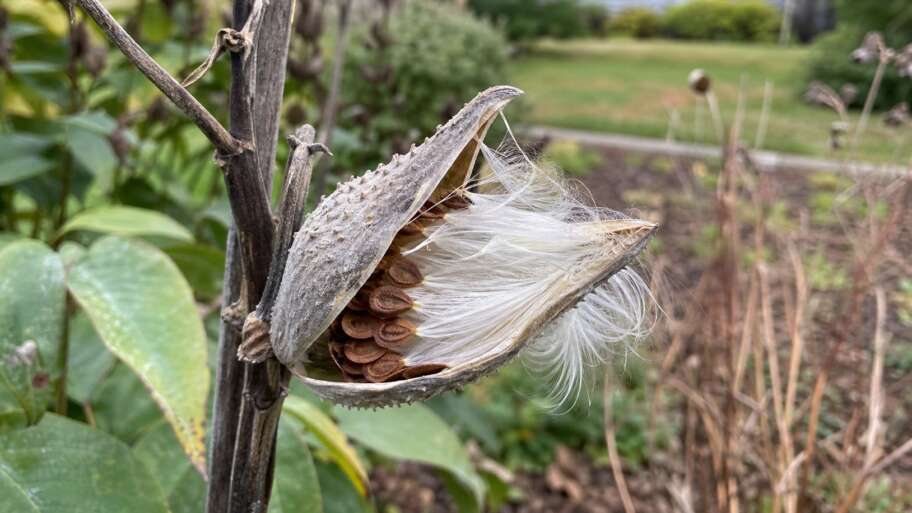
By early October, a milkweed pod can look as if it is holding its breath. The green has faded toward gray. The skin has toughened. A seam that was almost invisible in August begins to lift, and inside the pod is a compressed little weather system: brown seeds packed like shingles, each one tied to a white silk sail. The…
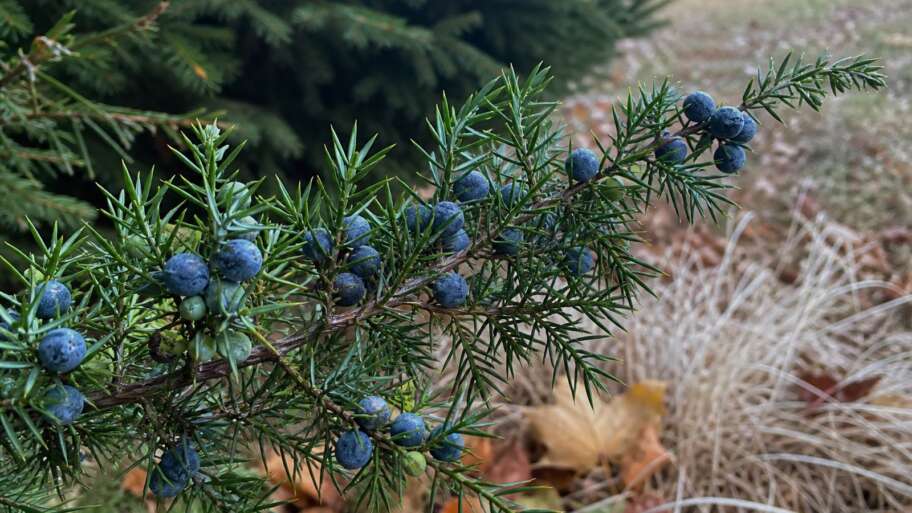
In early October, a juniper can make a liar out of ordinary words. The shrub looks evergreen in the most literal way: prickly, resinous, and built for weather. Then you notice the blue beads tucked along the twigs, as round and matte as tiny blueberries. They look like fruit. They are usually called berries. They even turn up in kitchens…
By October, the visible garden starts behaving as if the year is almost filed away. Leaves thin out. Annuals lose their nerve. The tomato vines look tired, the border gets looser at the edges, and the first serious leaf rake begins to sound reasonable. But the garden has a poor sense of human endings. Above ground, many plants are slowing…
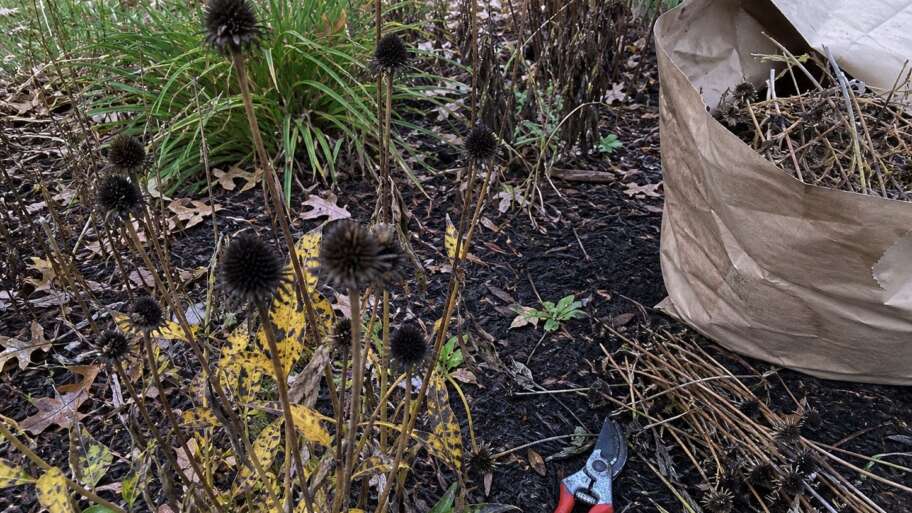
A spotless October garden has excellent public relations. The stems are gone. The leaves are bagged. The beds are shaved down to mulch and labels. From the sidewalk, it looks responsible, almost moral, as if the gardener has defeated decay itself and sent it away in kraft paper sacks. Here is the irritating truth: a garden that clean is often…
Read more about Your spotless fall garden is not the virtue you think it is
Slice an apple from stem to blossom end and it behaves the way apples usually behave in kitchens: two shoulders, a pale core, a neat place for the knife to pass. Slice it across the middle instead, and the fruit shows a different map. In the center is a small star, five little rooms arranged around a point, each one…
There is a particular kind of September energy that makes gardeners dangerous. The tomatoes are tired. The borders are shaggy. The paths are disappearing under late growth. Suddenly the pruners feel like a reasonable answer to everything. Then comes the satisfying cut. A lilac gets rounded. A forsythia gets shortened. A bigleaf hydrangea is made tidy for fall. The shrub…
Read more about The September pruning mistake that can erase next spring’s flowers
By August, a pepper plant can look as if it has misplaced its calendar. The fruit is full sized. The shoulders are glossy. The plant has done the hard work of flowering, setting fruit, and swelling those green walls into something that already feels like a harvest. Then the gardener waits for red, and the pepper seems to consider the…
In late May, a foxglove spike can look as though it is keeping two calendars at once. The lowest bells are open, freckled, and deep enough for a bumblebee to disappear into. Halfway up the stem, the flowers are still folded tubes. At the tip, a queue of green buds waits, as if the plant is saving tomorrow’s color for…