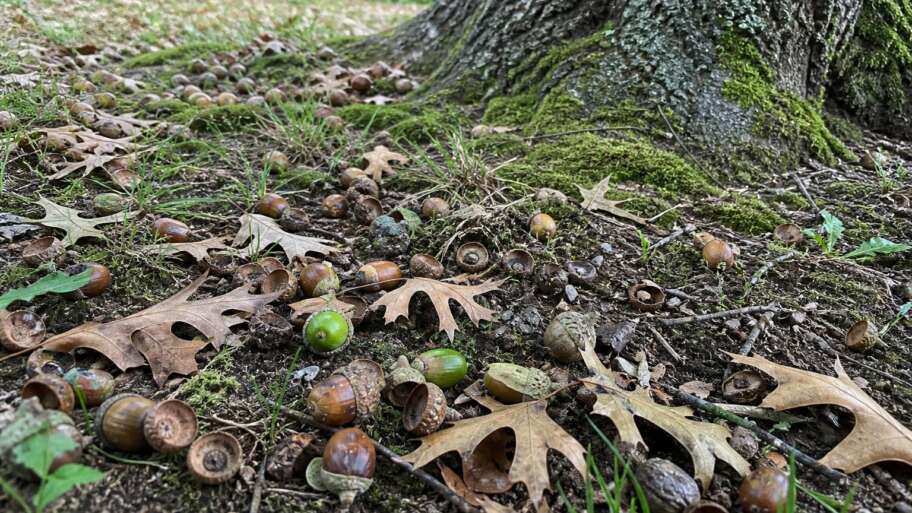

Some autumn mornings begin with a sound before they become a lesson. An acorn hits the roof, then another taps the path, then a whole corner of the garden seems to be clicking and rolling under the oak. By afternoon, the ground has changed texture. The lawn is studded with brown caps. The stone path feels like a loose ball…
Latest articles
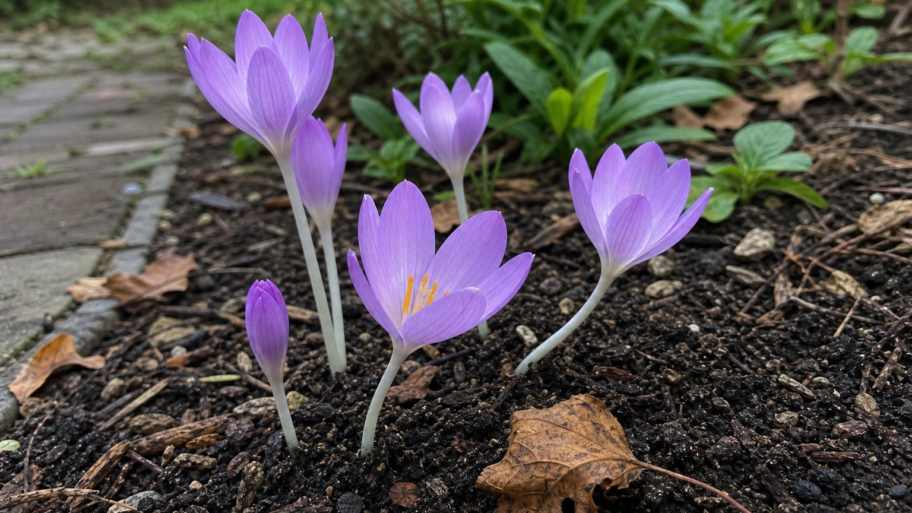
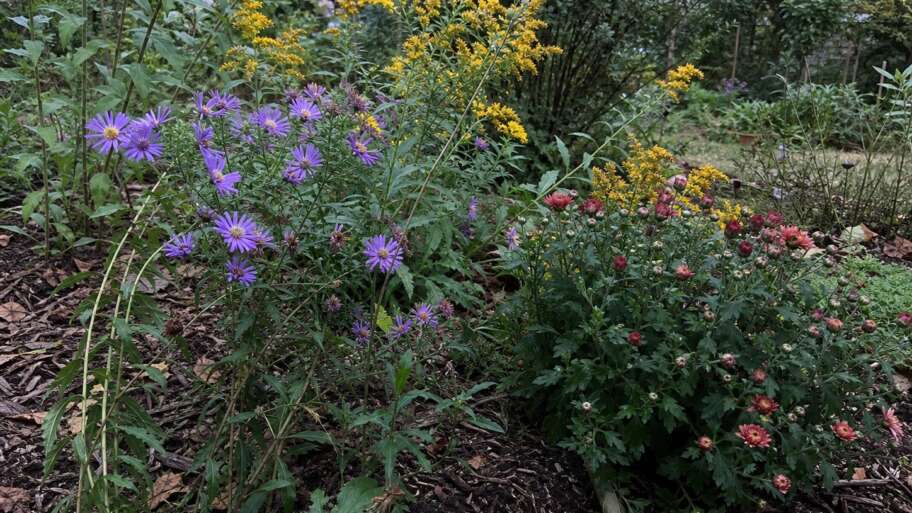
In many temperate Northern Hemisphere gardens, early September can seem to be making two decisions at once. Tomatoes are still softening on the vine, basil still wants one more pinch, and the soil still holds summer warmth. Yet at the edge of the border, the late flowers have begun to listen to a different instruction. Asters gather their purple buds.…
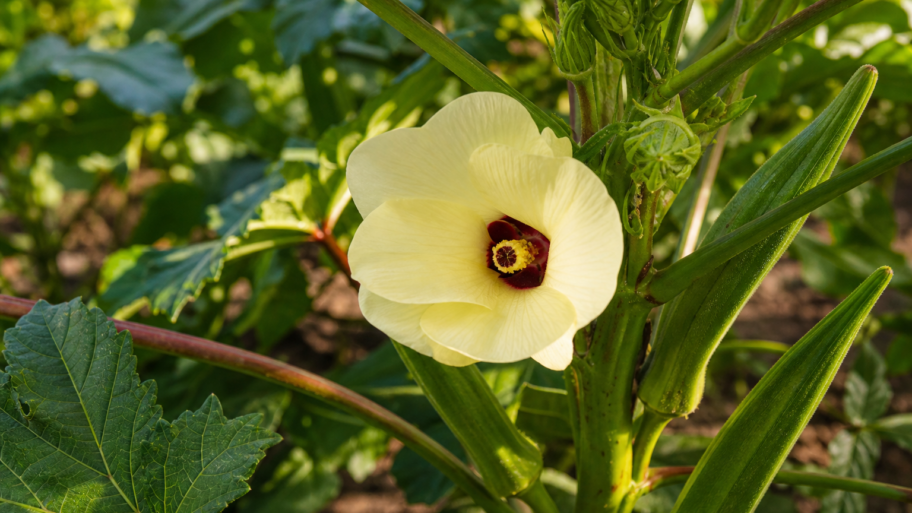
An okra plant can look almost too ornamental for the vegetable bed. By August it stands above the peppers and basil, rough leaves spread like green hands, ridged pods pointing upward, and pale yellow flowers opening with a burgundy throat. The flower looks as if it has wandered in from a hibiscus shrub. The pod, only a few days behind…
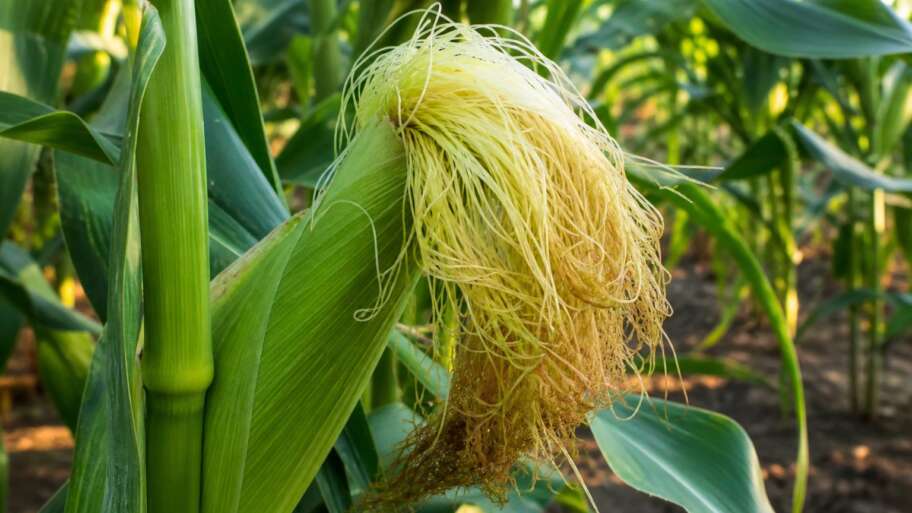
When sweet corn reaches pollination, it begins to reveal the part of itself that was hidden. The tassel has lifted above the leaves like a loose flag. Lower down, an ear presses against its husk, and from the top spills a soft tangle of silk. It looks decorative, almost accidental, the sort of thing a cook later pulls away by…
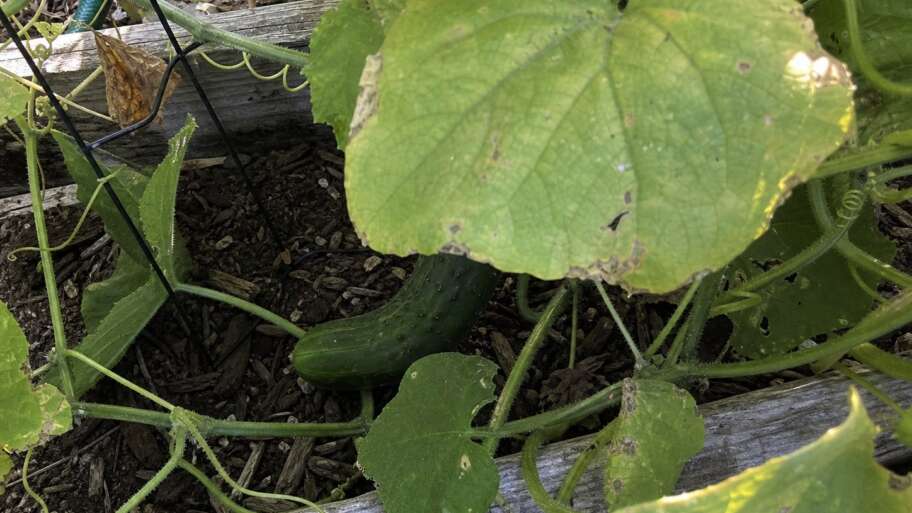
A bitter cucumber is one of August’s sharper disappointments. The vine looks vigorous. The fruit is firm, green, and cool in the hand. Then the first slice tastes less like summer and more like warning. The flavor can seem mysterious because the fruit may look perfectly healthy. There is no rot, no obvious disease, no insect tunnel, no sunken scar.…
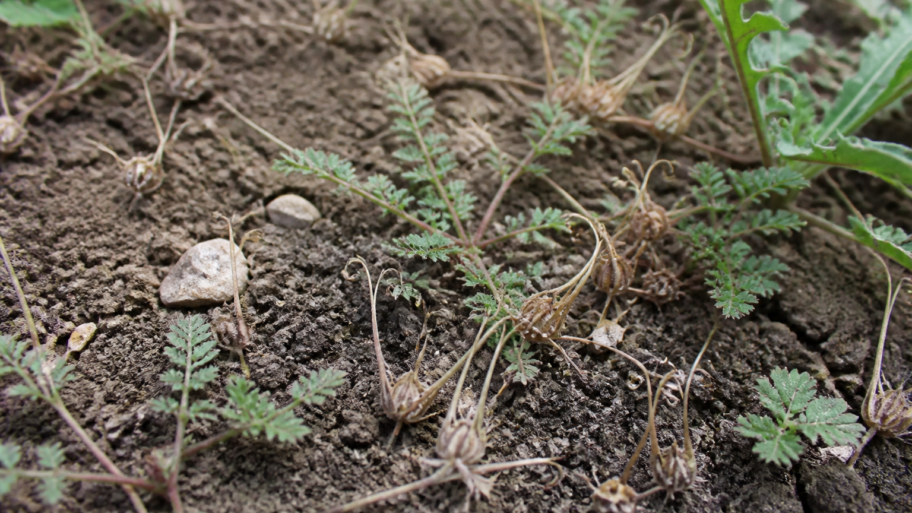
By August, a garden begins to show its small machines. Bean pods dry and tighten. Poppy capsules rattle. Grass heads turn from green brushwork to brittle combs. And in the low, often overlooked places, a stork’s-bill or filaree may be preparing a trick so precise that it looks less like seed dispersal and more like a tiny hand tool. The…
Read more about The seeds that drill themselves into the soil
A basil plant in July can seem to break a small kitchen promise. For weeks it gives you soft green leaves, each one smelling like summer before it even reaches the cutting board. Then, almost overnight, the top of the plant changes shape. The leaves become smaller. The stem lengthens. A pale green spire of buds appears where a handful…
Read more about Why basil tries to bloom when you want leaves
A split tomato has a disappointing kind of drama. Yesterday it was almost perfect, heavy on the vine and beginning to color. Then a night of rain passes through, the garden smells rich and washed, and the tomato is suddenly open along one side, its skin pulled apart like a seam that could not hold. It can feel like rot,…
Powdery mildew often arrives looking almost harmless. A squash leaf that was green yesterday appears dusted with flour. A phlox stem has a pale bloom on its upper leaves. The cucumber patch still looks productive, the zinnias are still bright, and yet the garden has acquired a strange white weather of its own. The first instinct is usually to blame…
By June, a spinach leaf can begin to look as if something has been writing inside it. The surface is still mostly green, still cool from morning watering, but pale lines wander through the tissue in loose loops and narrow bends. They are too clean to be slug damage, too internal to be chewing, and too deliberate-looking to feel random.…