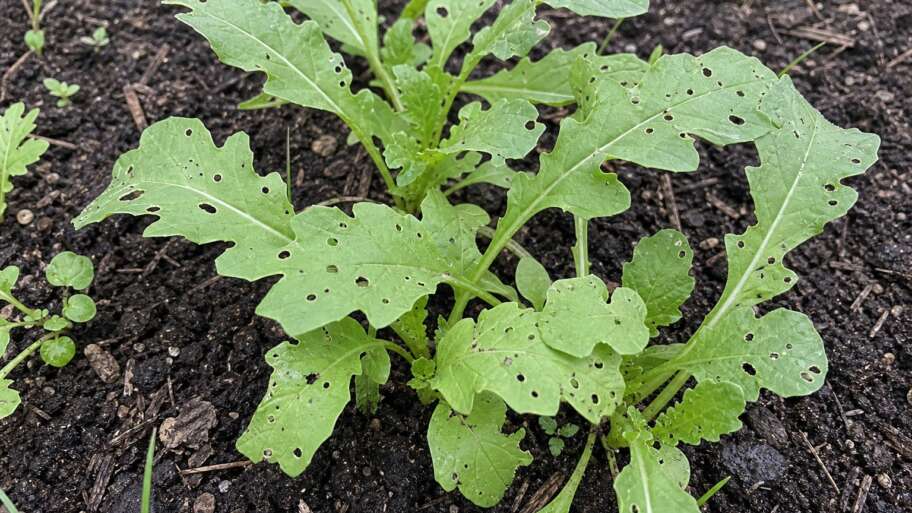

In late April, a bed of young greens can look perfect at breakfast and peppered by lunch. The arugula leaves are still bright and tender. The mustard seedlings are standing. The radish tops look cheerful. But every leaf has acquired tiny round holes, as if someone spent the morning tapping them with a miniature paper punch. The damage is so…
plant science
A good spring radish should feel almost impossible for something so quick: crisp, juicy, sharp enough to wake up a salad, and gone from seed to harvest before slower vegetables have settled into their stride. Then, some years, the first bite is a disappointment. The root looks fine from the outside, but inside it is dry, spongy, woody, or hollow.…
April Fools’ Day belongs to whoopee cushions, fake announcements, and suspiciously confident advice from people who should know better. The garden does not need any of that. It has been running its own jokes for millions of years, and some of the best ones are flowers. Not joke flowers in the novelty sense. Real flowers. Carefully built flowers. Flowers that…
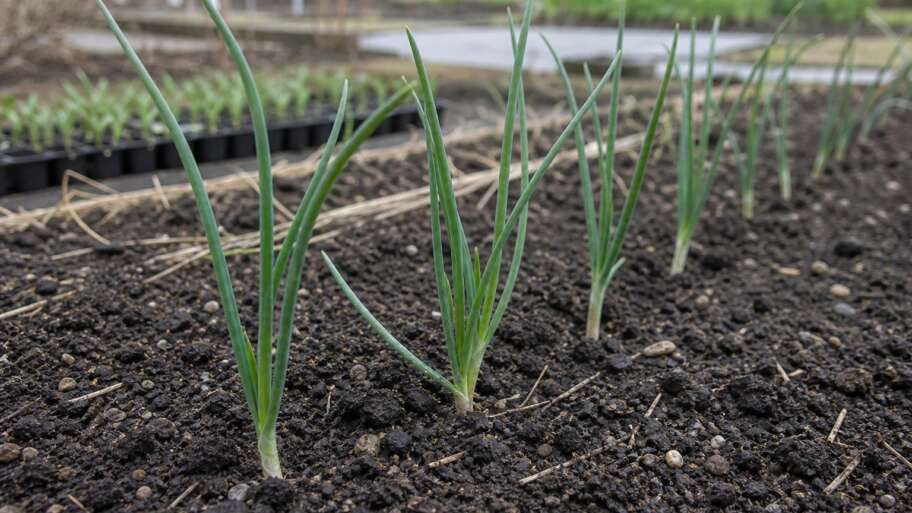
An onion row in March does not look like much to brag about. The plants are thin, blue-green, and a little awkward, each one a narrow tuft set into cold soil. They do not sprawl like squash, gleam like peppers, or make the quick promises of radishes. A young onion looks almost underbuilt for the job ahead. Then summer arrives…
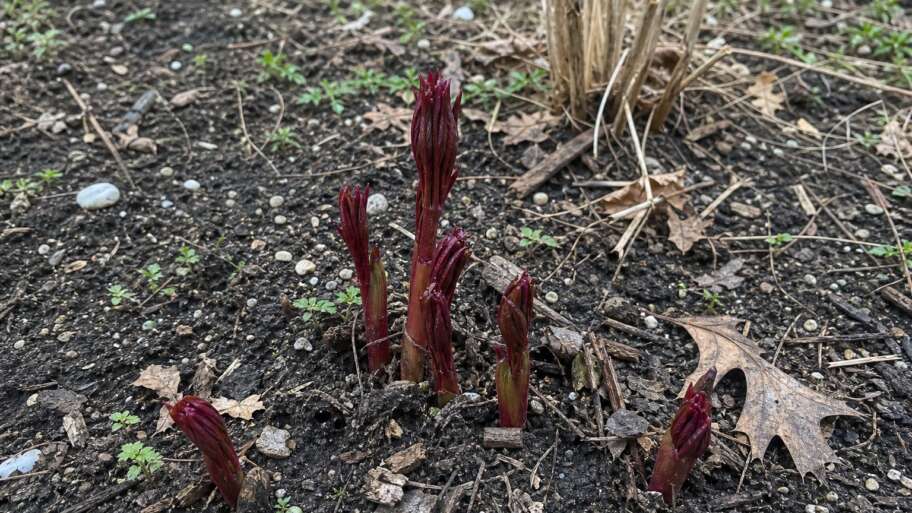
In mid-March, a peony bed can look empty until it suddenly does not. The soil is still dark and cold. Last year’s stems have been cut away. Mulch lies flat, and the rest of the border is only beginning to loosen. Then, from the crown, a cluster of red points breaks the surface. They do not look like the flowers…
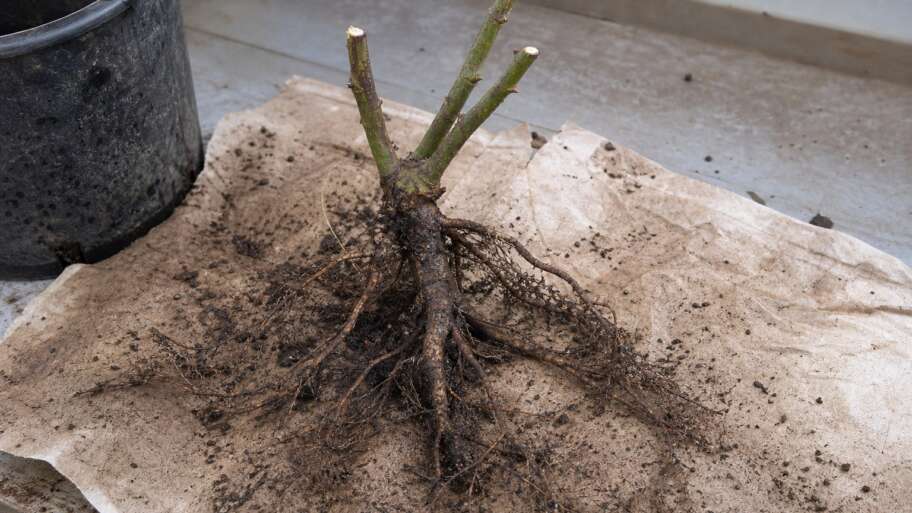
A March delivery of bare-root plants can feel like an accusation. You open the box expecting a garden, and what you find looks more like a bundle of sticks that spent the winter in a shed: no leaves, no soil, pale roots wrapped in damp paper or shavings, a few tight buds along the stems if you are lucky. This…
Read more about Why bare-root plants look dead before they grow
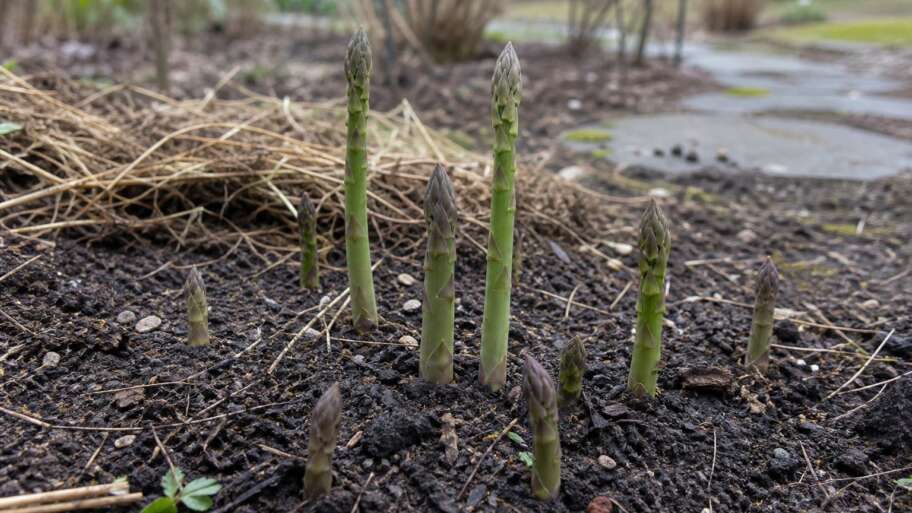
An asparagus bed can look empty in a way that tests a gardener’s memory. In late winter it is just a strip of soil, a little straw, perhaps a few cut stalks from last year if cleanup was delayed. Then a mild spell passes through. You walk by in the morning and see nothing. By evening, a green point has…
Read more about Why asparagus spears seem to appear overnight
By late January, a houseplant can start to reveal the shape of the room. The pothos that looked evenly full in October now has most of its newest leaves tilted toward the glass. A heartleaf philodendron sends one vine across the sill while the back of the pot goes quiet. A jade plant slowly becomes a green question mark, leaning…
Read more about Why houseplants lean toward the winter window
On a January afternoon, the smallest seeds on the bench can feel like the most uncertain ones. Lettuce seed looks almost weightless. Petunia and begonia seeds are closer to dust than to anything a gardener can confidently place. Then the packet gives an instruction that seems to go against every planting instinct: press into the surface, do not cover. Gardeners…
On December 31, a garden can look finished in the most convincing way. The beds are low, the paths are damp, the seed catalogs are beginning to arrive, and the year’s failures have softened into mulch and memory. It is tempting to think the next garden begins when we open a fresh packet in spring. The soil knows better. Under…