
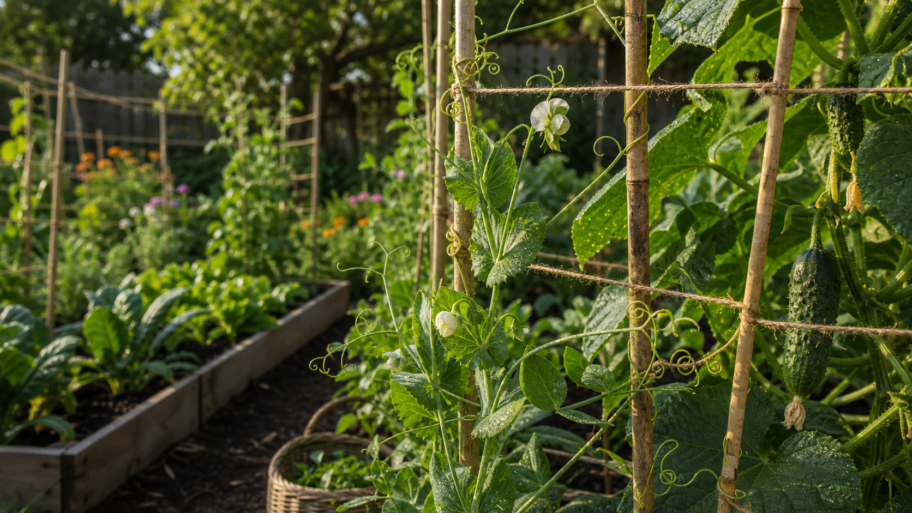
A climbing plant begins with an apparent problem: it wants light, but it has not paid the full woody price of a tree. Rather than relying on a self-supporting trunk, it borrows the garden. A pea finds netting. A cucumber finds twine. A clematis catches a wire with a curling leafstalk. A grapevine reaches, touches, tightens, and turns a fence…
plant science
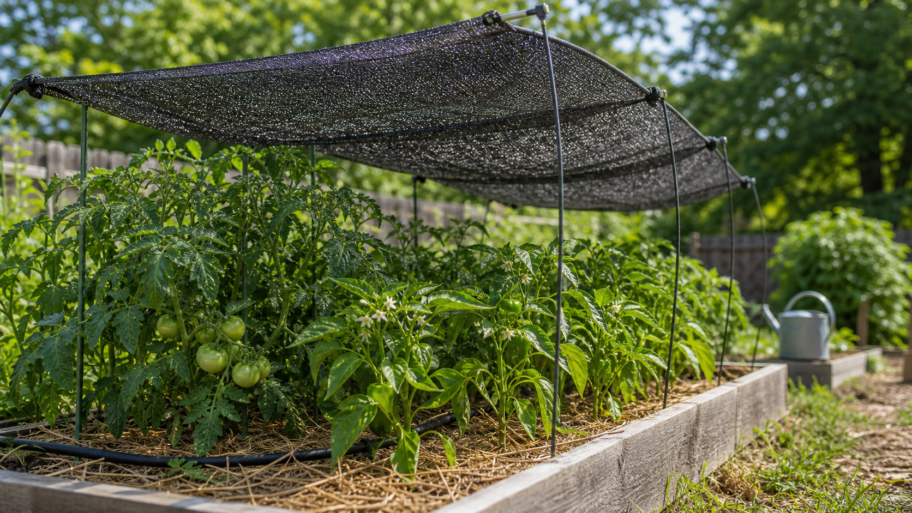
Gardeners are taught to chase sun. Six hours for tomatoes, full sun for peppers, the brightest bed for basil, the open border for flowers that sulk in shade. This is good advice until it is not. By midsummer, especially in a heat wave, full sun can stop being a gift and become an argument the plant is losing. Shade cloth…
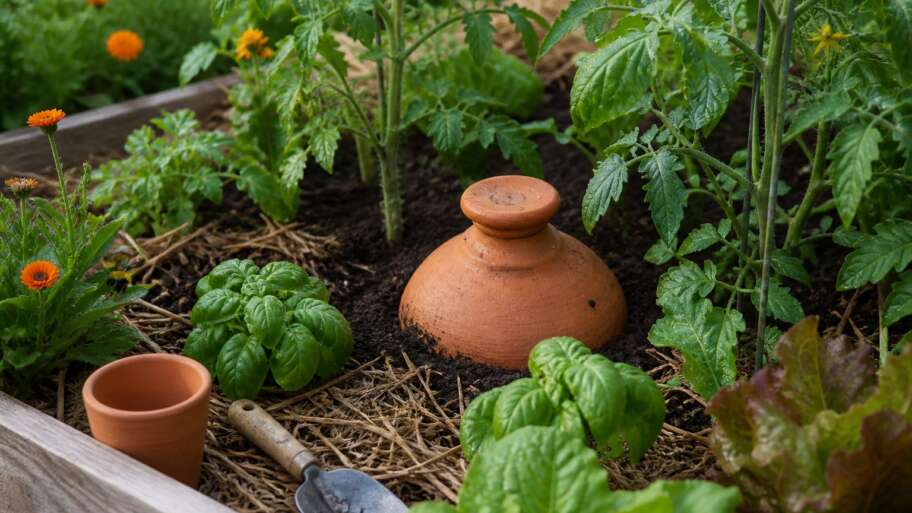
An olla is one of the quietest irrigation tools a gardener can use. It has no timer, no spray pattern, no little plastic emitters to unclog. It is simply an unglazed clay pot, buried in the soil and filled with water, asking the ground around it a patient question: are you thirsty yet? When the surrounding soil dries, water moves…
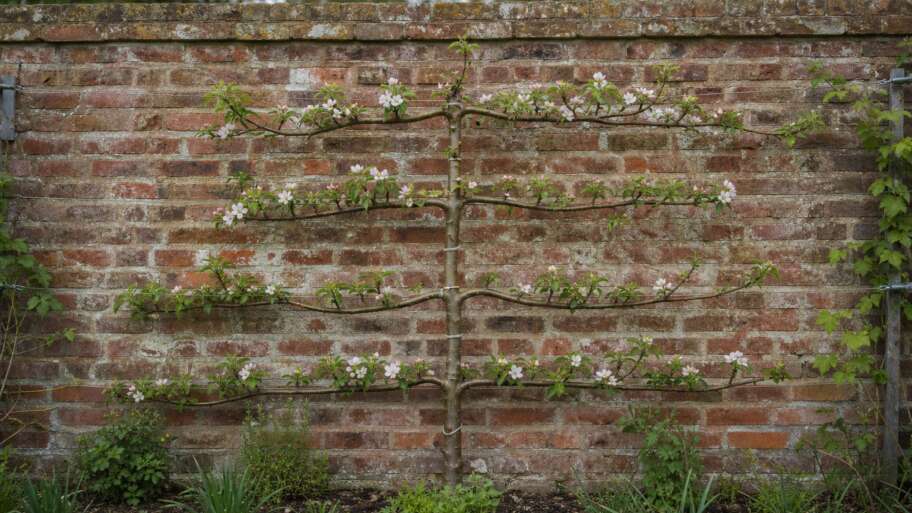
An espalier is a fruit tree taught to draw a line. Instead of letting an apple or pear become a rounded little cloud of branches, the gardener trains it flat against a wall, fence, or freestanding wire frame. The result is part orchard, part architecture: a tree with a trunk like a spine and fruiting arms laid out in deliberate…
Read more about Espalier: Training Fruit Trees into Living Geometry
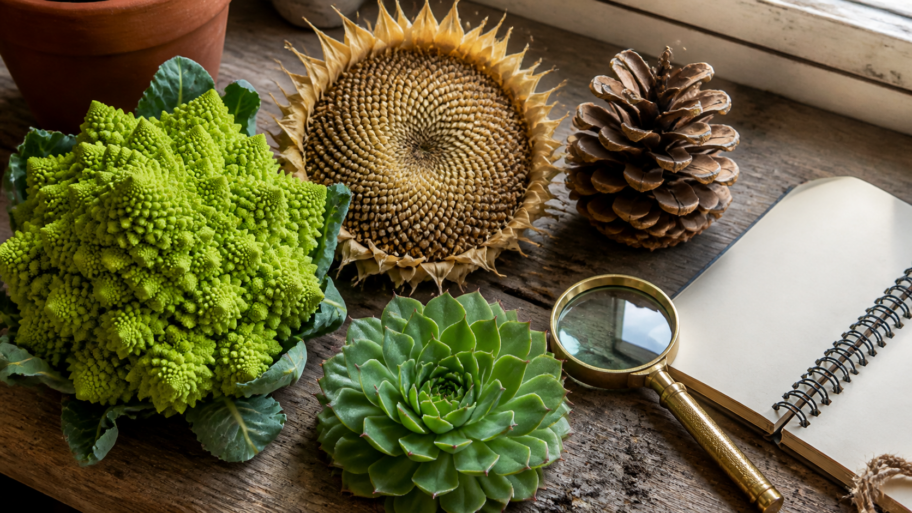
A garden is full of shapes that look as if they were drawn with a compass: sunflower seed heads, pinecones, aloe rosettes, unfurling fern tips, the pointed towers of Romanesco. Once you begin noticing them, the garden becomes less like a collection of separate plants and more like a living sketchbook of repeated decisions. The tempting story is that plants…
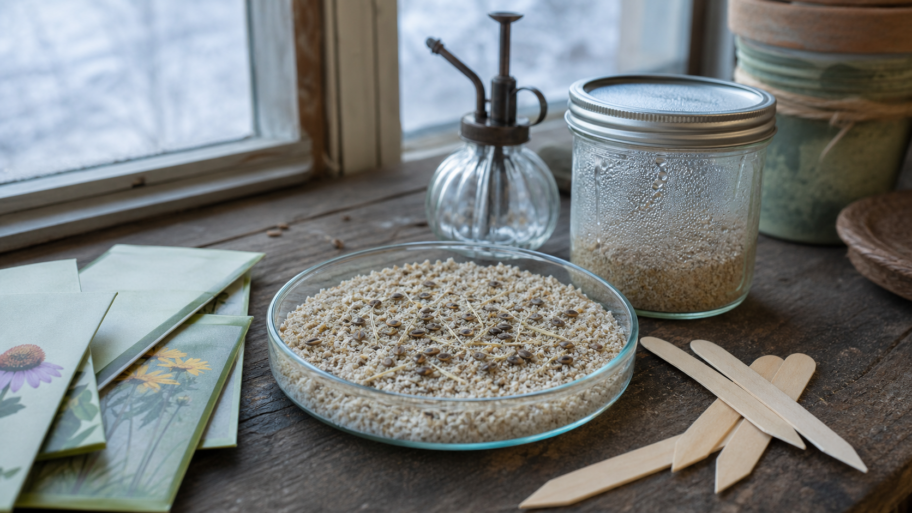
Some seeds are not waiting for a warmer windowsill. They are waiting for proof that winter has happened. That is the quiet genius of cold stratification. In the wild, many temperate plants drop seed in late summer or autumn, then ask those seeds to endure weeks of cold, damp weather before they are allowed to germinate. It is a survival…
Read more about Sleeping Seeds: How Cold Stratification Wakes a Spring Garden
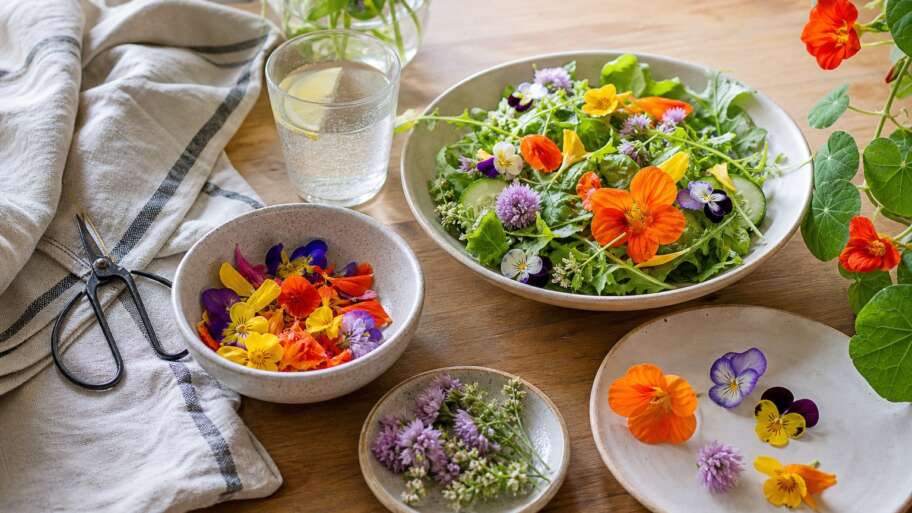
Edible flowers can make a plate look effortless, which is why they are easy to misuse. A handful of petals scattered over everything is not cooking. It is confusion in color. The better approach is quieter: know the flower, know the flavor, use the edible part, and let the dish still taste like itself. Flowers are plant organs, not decorative…
Read more about How to serve edible flowers without losing the plot
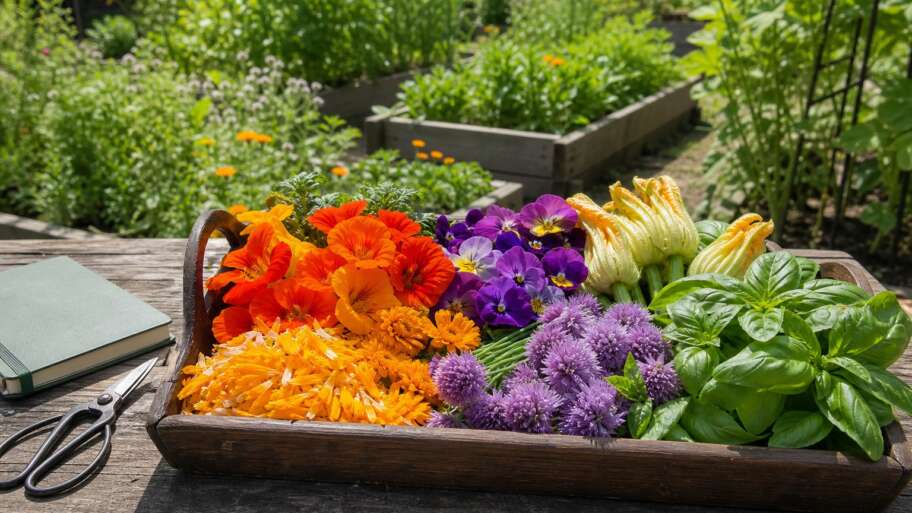
Edible flowers are often treated as decoration first and food second. That is backwards. A flower belongs on the plate only after it has belonged in the garden: correctly identified, grown without unsafe chemicals, harvested cleanly, and understood as an ingredient with flavor rather than confetti. When grown well, edible flowers bring more than color. Illinois Extension recommends choosing edible-flower…
Read more about Edible flowers belong in the garden before they reach the plate
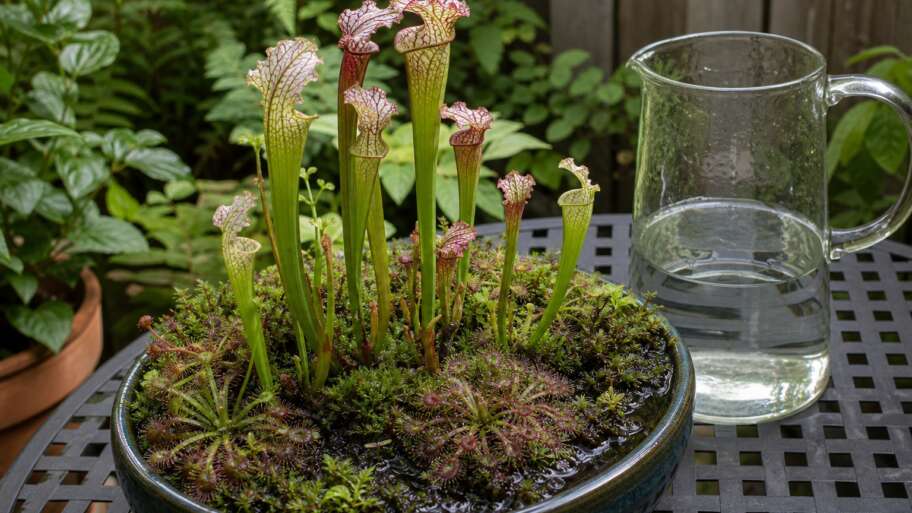
A carnivorous plant garden is not a horror movie in miniature. It is a wetland problem solved by leaves. Venus flytraps, sundews, and pitcher plants still photosynthesize. They still need light more than drama. What makes them strange is that they evolved in places where the soil gives very little back. The United States Botanic Garden summarizes the basic rule…
Read more about Carnivorous plant gardening: growing a small bog that works
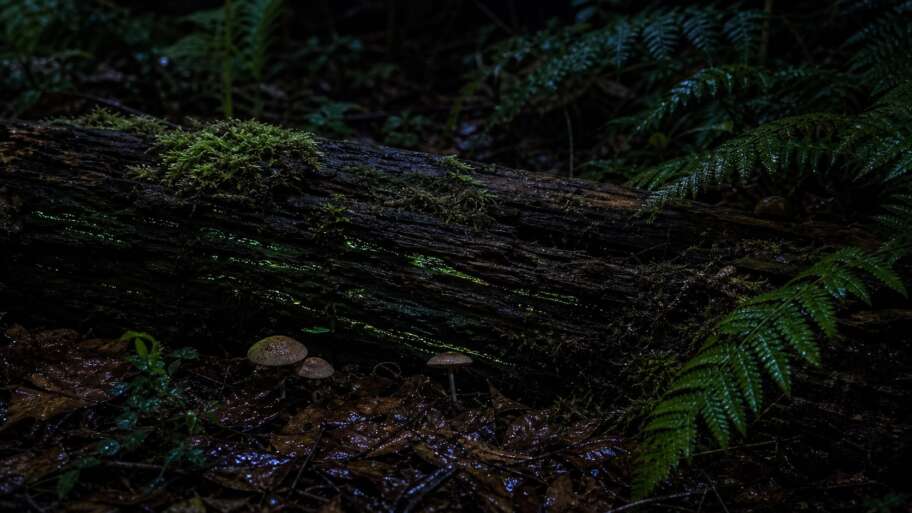
A fact-checked guide to real bioluminescent garden features: foxfire fungi, Firefly Petunias, dinoflagellate cultures, dark-sky design, moisture, and realistic expectations.
Read more about How to care for a bioluminescent garden without the fantasy