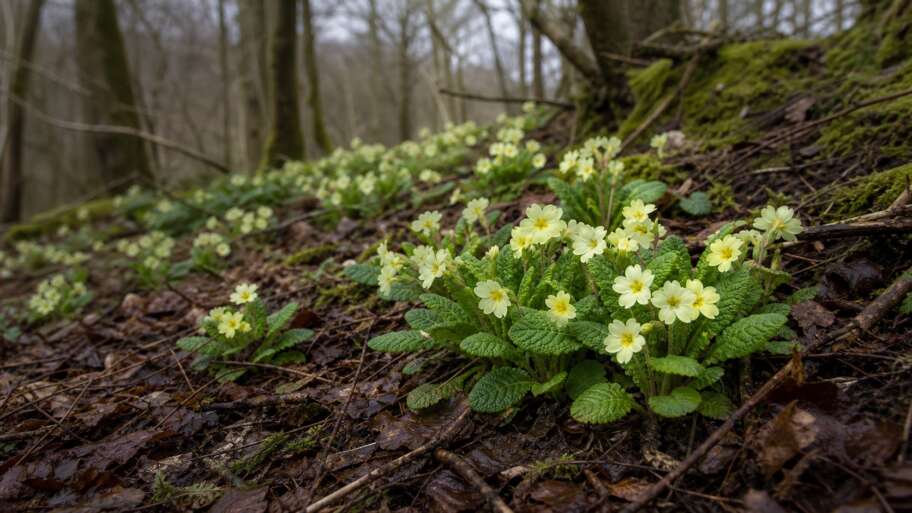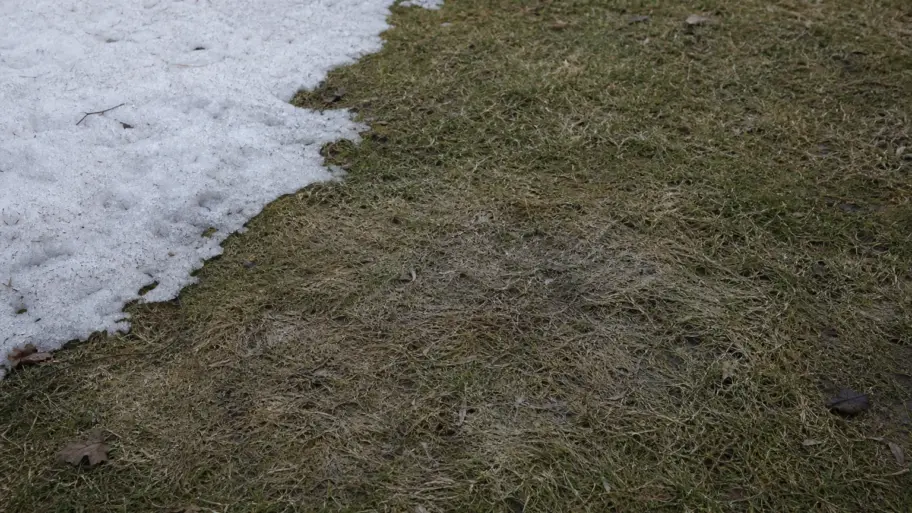

Kale looks almost theatrical after the first real frost. The leaves are darker than they were in September, their ruffled edges traced with white, their surfaces stiffened just enough to catch the low morning light. A gardener who does not know the plant might think the crop has been damaged. A gardener who has eaten from the bed before and…
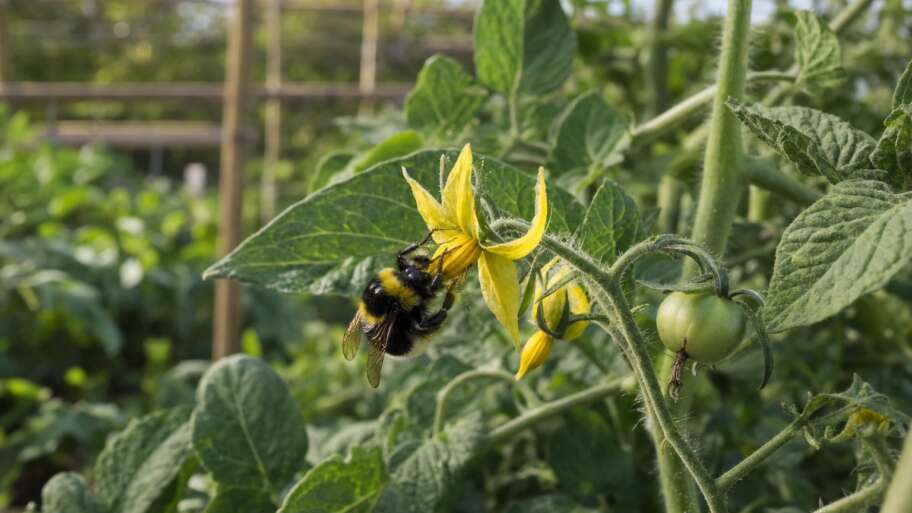
September is when the garden begins to sound different. The bees are still working the late flowers, the tomatoes are softening faster than anyone can use them, and some seed pods have become so tense with readiness that a fingertip can make them spring apart. Touch a ripe jewelweed pod and it does not simply open. It startles. The little…
By late August, a container can look watered and still be thirsty. The surface darkens for a moment, clear beads gather on the potting mix like rain on waxed paper, and then water slips down the inside wall of the pot and appears at the drainage hole almost too quickly. The gardener has watered. The roots, inconveniently, may not have…
The first rain after a dry spell changes a garden before the soil is visibly wet. A smell rises from the path, the mulched beds, the cracks between paving stones, and the dark places under shrubs. It is clean and earthy at once, familiar enough to feel emotional, but not vague at all. The garden is releasing chemistry. Gardeners often…
Brush your fingers across lamb’s ear on an August morning and the leaf seems almost animal. It is cool, pale, and impossibly soft, like the plant has grown its own weatherproof coat. That softness is not a decorative accident. It is architecture. The velvet on a leaf is made of trichomes: tiny outgrowths from the plant’s surface. Some are simple…
By late July, a rose leaf can look as if someone has touched it with a miniature punch. The edges are not shredded. The center is not speckled. Instead, neat half-moons have vanished from the margins, each one as clean as a bite taken by a very tidy pair of scissors. It is easy to read this as damage, because…
A climbing plant begins with an apparent problem: it wants light, but it has not paid the woody price of a tree. Instead of building a trunk, it borrows the garden. A pea finds netting. A cucumber finds twine. A clematis catches a wire with a curling leafstalk. A grapevine reaches, touches, tightens, and turns a fence into a ladder.…
Gardeners are taught to chase sun. Six hours for tomatoes, full sun for peppers, the brightest bed for basil, the open border for flowers that sulk in shade. This is good advice until it is not. By mid-June, especially in a heat wave, full sun can stop being a gift and become an argument the plant is losing. Shade cloth…
An olla is one of the quietest irrigation tools a gardener can use. It has no timer, no spray pattern, no little plastic emitters to unclog. It is simply an unglazed clay pot, buried in the soil and filled with water, asking the ground around it a patient question: are you thirsty yet? When the surrounding soil is dry, water…
The calendar says spring begins on a certain day. The garden is less tidy. One bed may still be cold enough to sulk under your boots, while a sheltered corner beside a south-facing wall is already pushing green tips through the soil. A maple bud swells before the tomatoes should be touched. A pea seed germinates while basil would still…