
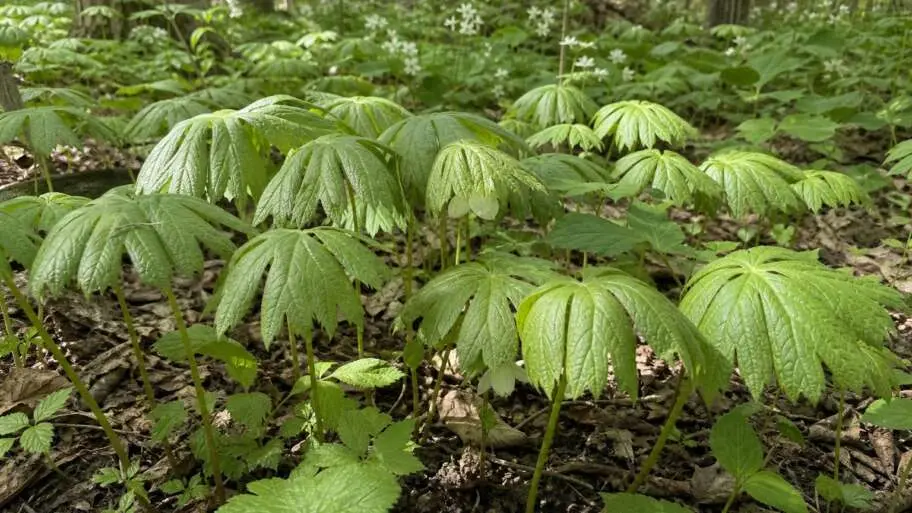
By early May, a mayapple patch can look less like a group of wildflowers and more like a small green weather event. Smooth stems rise from the leaf litter, each one holding a pale, lobed leaf like an umbrella that has just opened after rain. The effect is so architectural that it is easy to miss the plant’s real trick:…
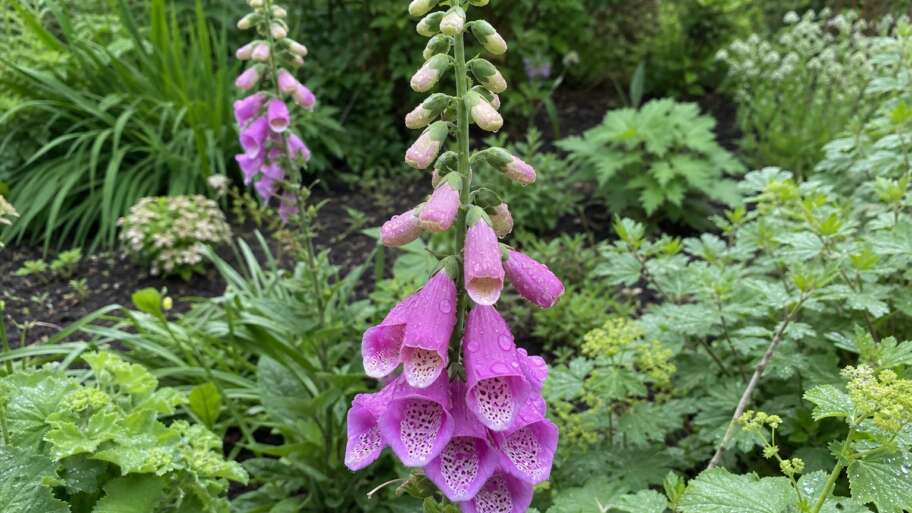
In late May, a foxglove spike can look as though it is keeping two calendars at once. The lowest bells are open, freckled, and deep enough for a bumblebee to disappear into. Halfway up the stem, the flowers are still folded tubes. At the tip, a queue of green buds waits, as if the plant is saving tomorrow’s color for…
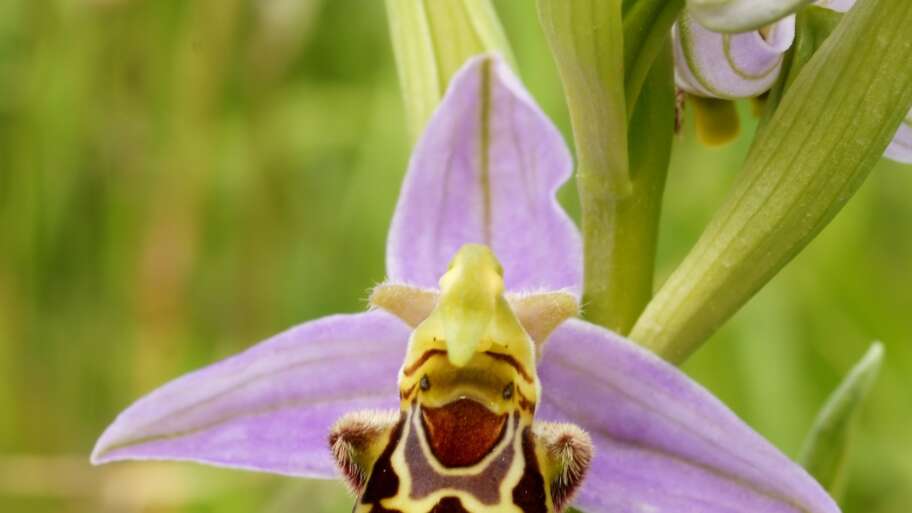
April Fools’ Day belongs to whoopee cushions, fake announcements, and suspiciously confident advice from people who should know better. The garden does not need any of that. It has been running its own jokes for millions of years, and some of the best ones are flowers. Not joke flowers in the novelty sense. Real flowers. Carefully built flowers. Flowers that…
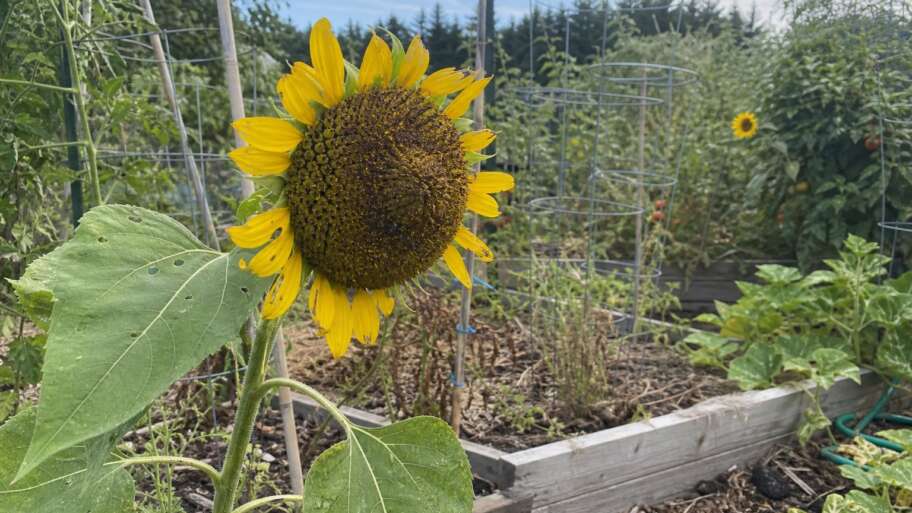
By September, a sunflower can look as if it has made a firm decision. The head that seemed restless in July, leaning east at breakfast and west by evening, now holds itself toward the morning. The stem is rough, the leaves are broad and weathered, and the seed disk is beginning to darken. If you pass it at sunset, it…
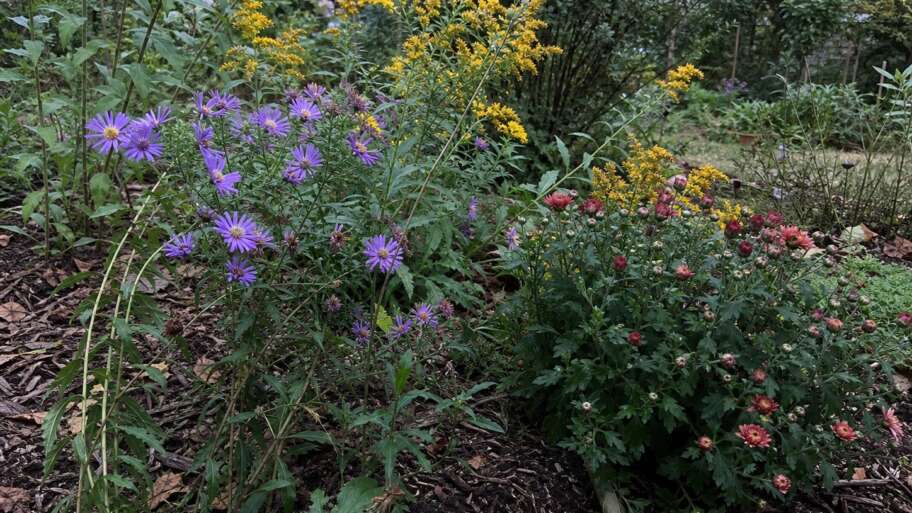
In early September, the garden can seem to be making two decisions at once. Tomatoes are still softening on the vine, basil still wants one more pinch, and the soil still holds summer warmth. Yet at the edge of the border, the late flowers have begun to listen to a different instruction. Asters gather their purple buds. Garden mums tighten…
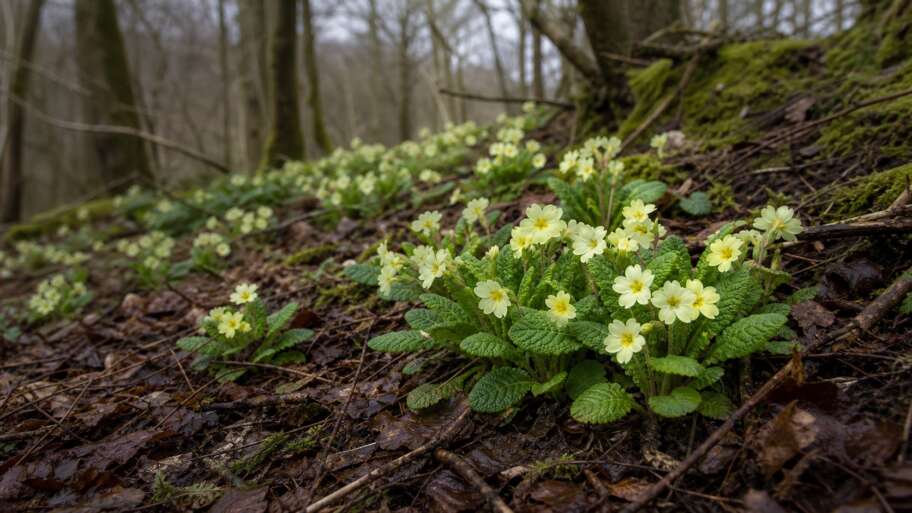
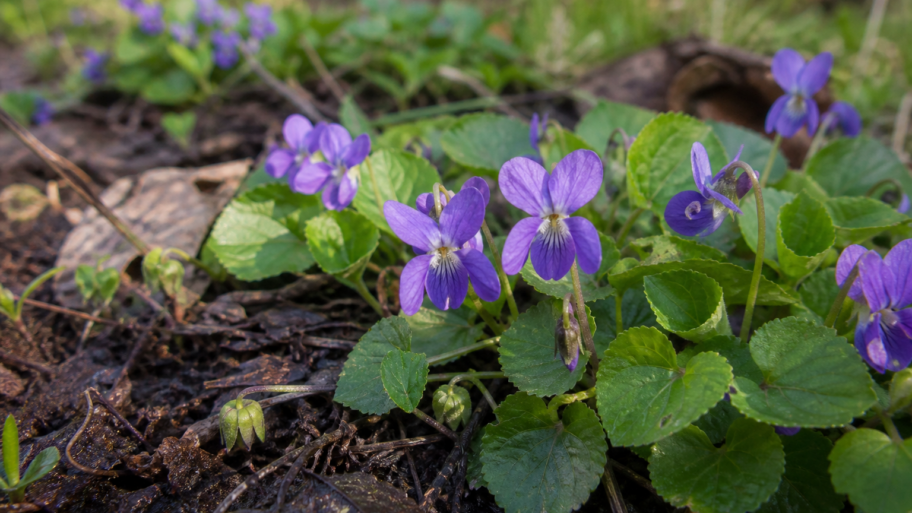
April violets have a way of appearing in the parts of a garden where management loosens its grip. They collect under hedges, soften the edge of a path, settle into damp lawn, and rise between last year’s leaves before the taller perennials have fully remembered themselves. From a distance they read as color: small purple flags in the green. Up…
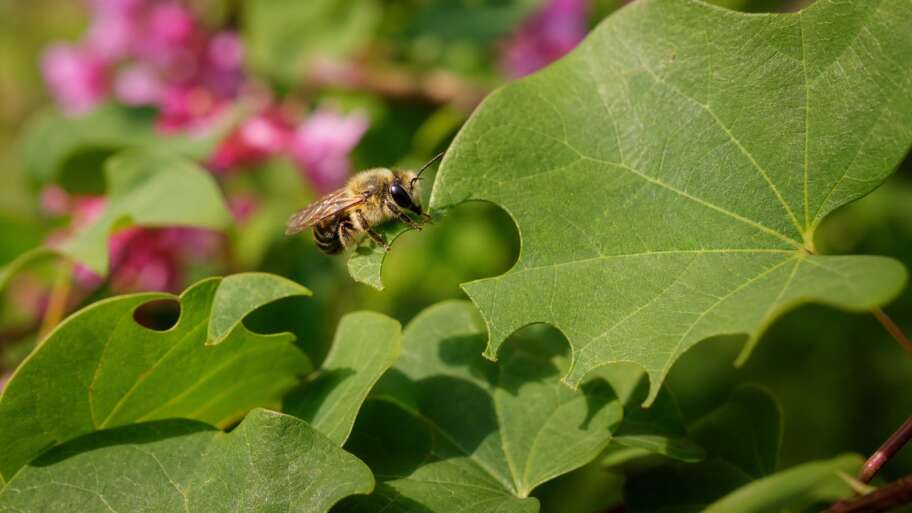
By late July, a rose leaf can look as if someone has touched it with a miniature punch. The edges are not shredded. The center is not speckled. Instead, neat half-moons have vanished from the margins, each one as clean as a bite taken by a very tidy pair of scissors. It is easy to read this as damage, because…
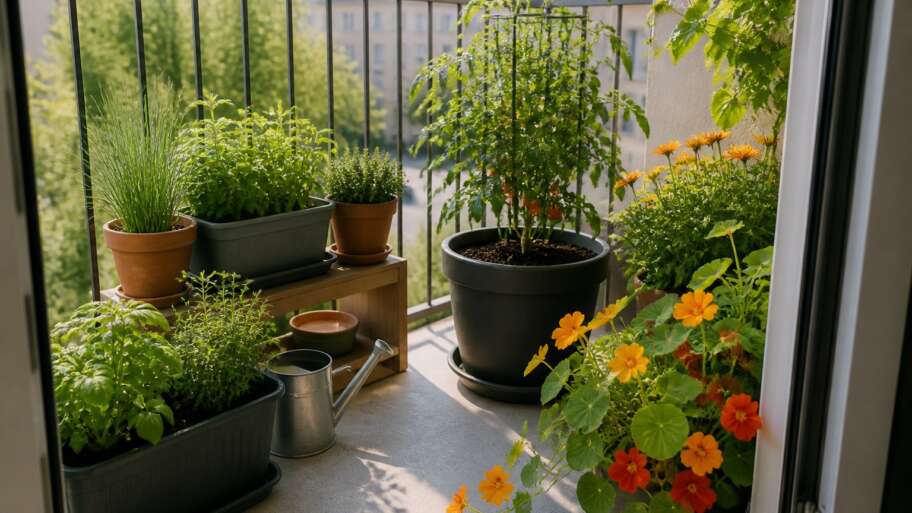
A balcony garden is not a small backyard lifted into the air. It is its own climate: brighter or shadier than expected, windier than the street below, quick to dry, and limited by weight, drainage, rules, and reach. Once you accept that, the space becomes much easier to plant well. The best balcony gardens do not begin with a shopping…
An edible flower garden should earn its place twice. It should look alive in the border, and it should make sense in the kitchen. If it only photographs well, it is decoration. If it only produces petals but weakens the planting around it, it is a crop without a garden. The best version does both jobs quietly. Think of the…
Edible flowers are often treated as decoration first and food second. That is backwards. A flower belongs on the plate only after it has belonged in the garden: correctly identified, grown without unsafe chemicals, harvested cleanly, and understood as an ingredient with flavor rather than confetti. When grown well, edible flowers bring more than color. Nasturtiums are peppery. Calendula petals…