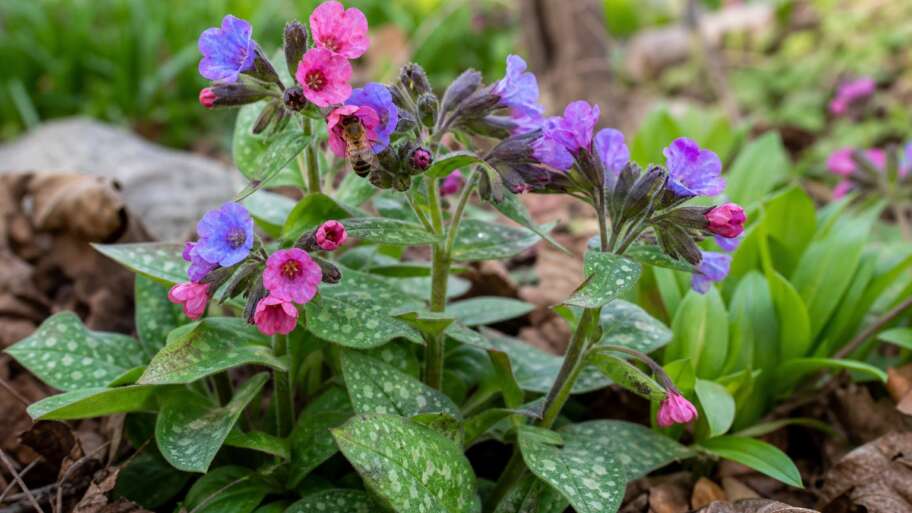

A spring shade bed can look as if it has learned to blush and cool at the same time. Lungwort opens with little pink bells, then the older flowers nearby settle into violet and blue. The spotted leaves are pretty enough on their own, but the flowers make the plant look like a small calendar. One cluster can hold yesterday,…
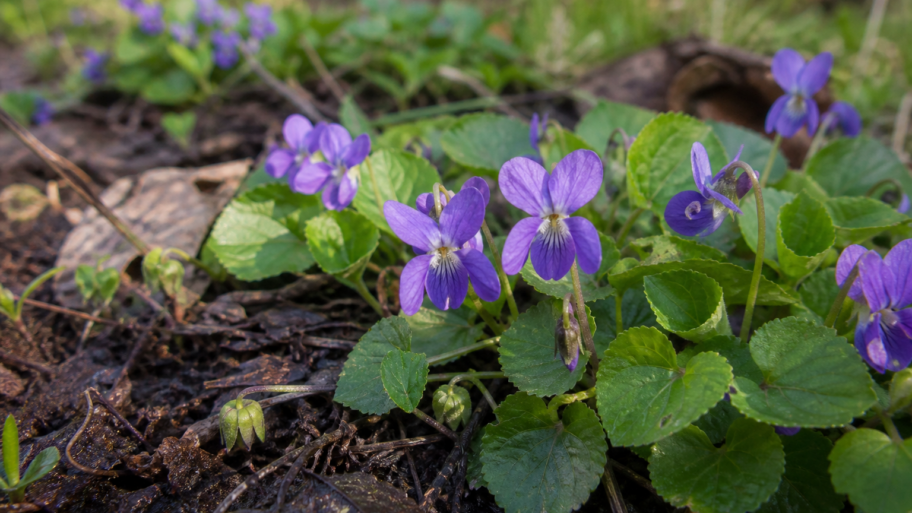
April violets have a way of appearing in the parts of a garden where management loosens its grip. They collect under hedges, soften the edge of a path, settle into damp lawn, and rise between last year’s leaves before the taller perennials have fully remembered themselves. From a distance they read as color: small purple flags in the green. Up…
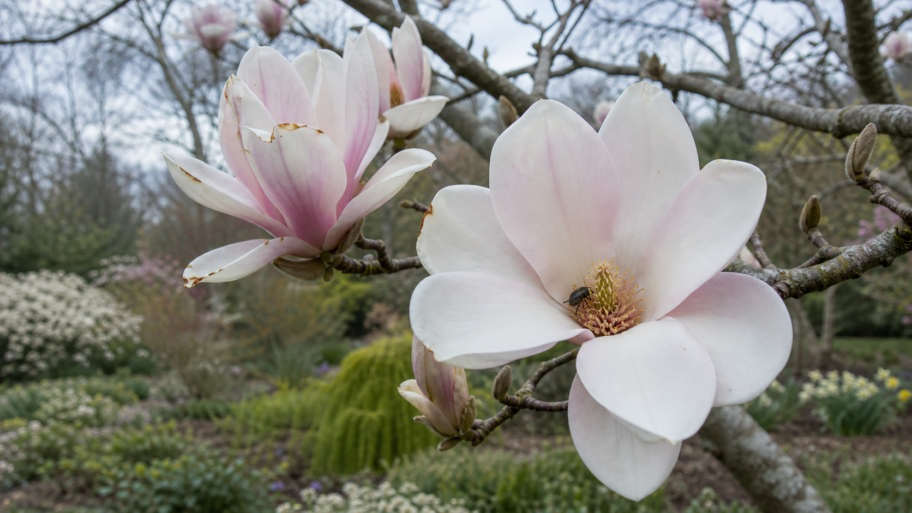
An April magnolia can look almost unreasonable. The grass is still thin, the perennials are barely showing, and the rest of the tree has not bothered with leaves. Then the branches open bowls of pink, cream, purple, or white into the cold air, as if the garden has skipped several pages and landed directly in bloom. That early display is…
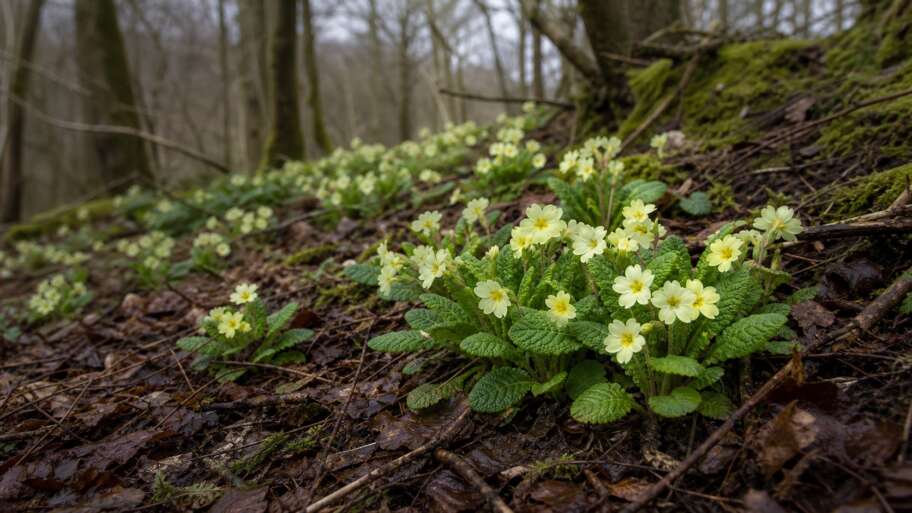
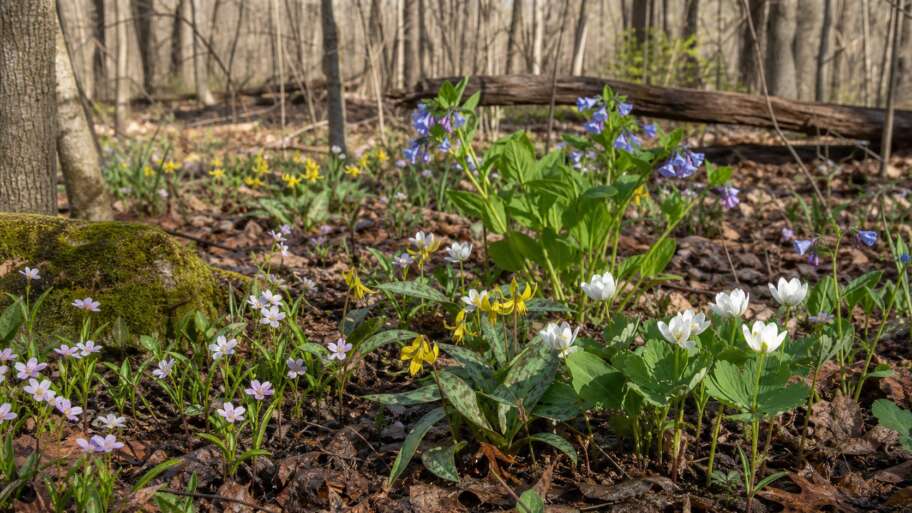
On a mild March day, the woodland floor can seem to wake before the trees have heard the news. The canopy is still a gray net overhead. Last year’s leaves are flattened and wet. Then, almost at ankle height, small flowers begin taking possession of the light: bloodroot opening like white paper, trout lily lifting yellow bells above mottled leaves,…
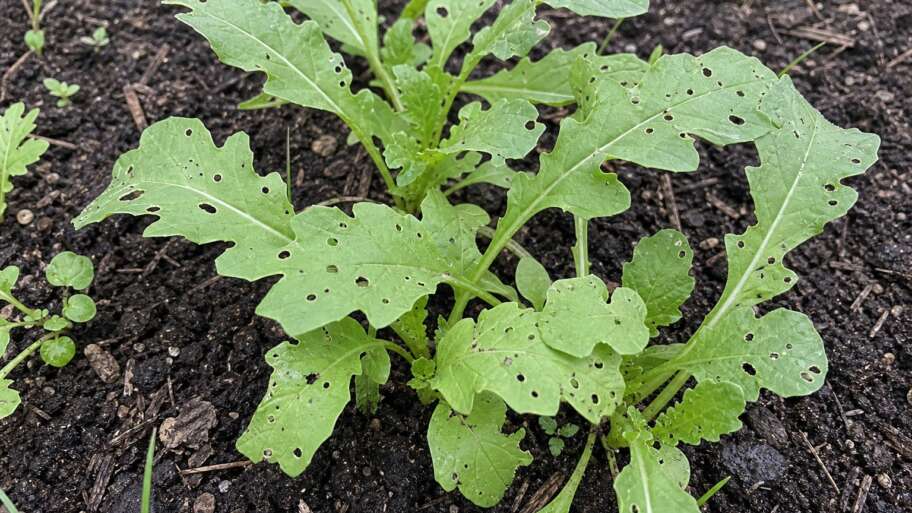
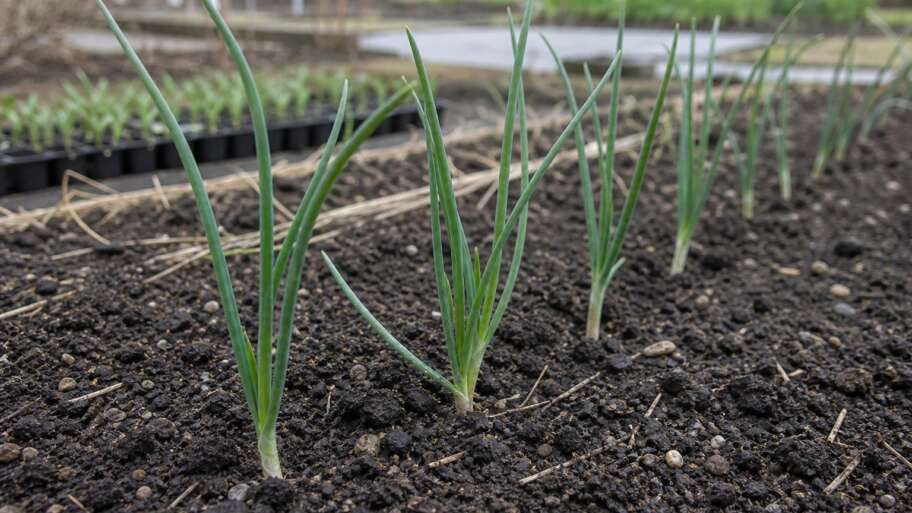
March seedlings have a way of making the whole gardening year feel suddenly physical. One week the packets are still paper promises. The next week, a tray on the windowsill is full of thin green stems lifting paired little leaves above the soil. They are so small that it is easy to treat them as decoration. In fact, they are…
Every spring has two calendars. One hangs on the wall and moves forward one square at a time. The other opens unevenly in the garden: snowdrops first, then maple bloom, then forsythia, then the first lilac flowers, then the moment when peas stop sulking and beans begin to make sense. Gardeners get into trouble when they trust only the first…