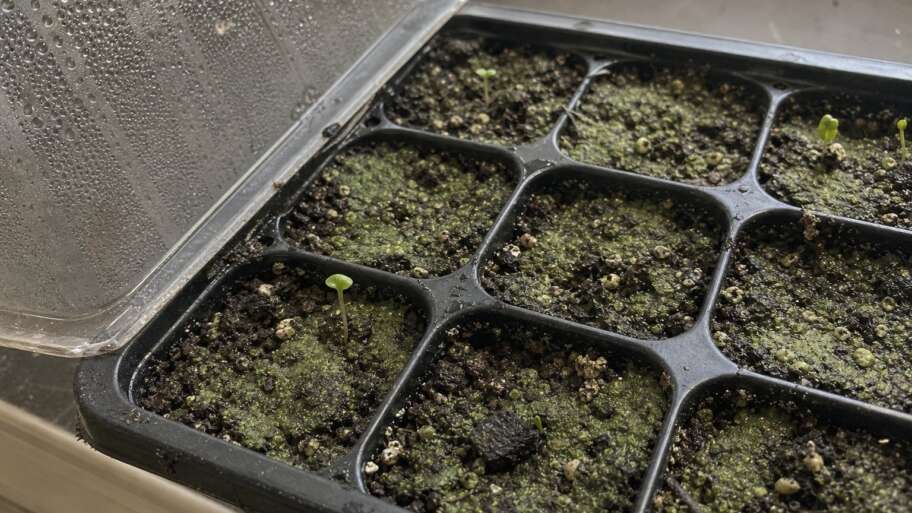

A February seed tray can look too small to have its own ecosystem, until it does. You fill the cells with seed-starting mix, press in tomatoes or basil or snapdragons, mist the surface, set the clear dome over the tray, and wait for the first signs of spring. Then, before many seedlings have done anything impressive, the soil surface begins…
Edible Garden
Vegetables, herbs, fruit, and edible flowers—from cultivation and harvest to thoughtful food-safety context.
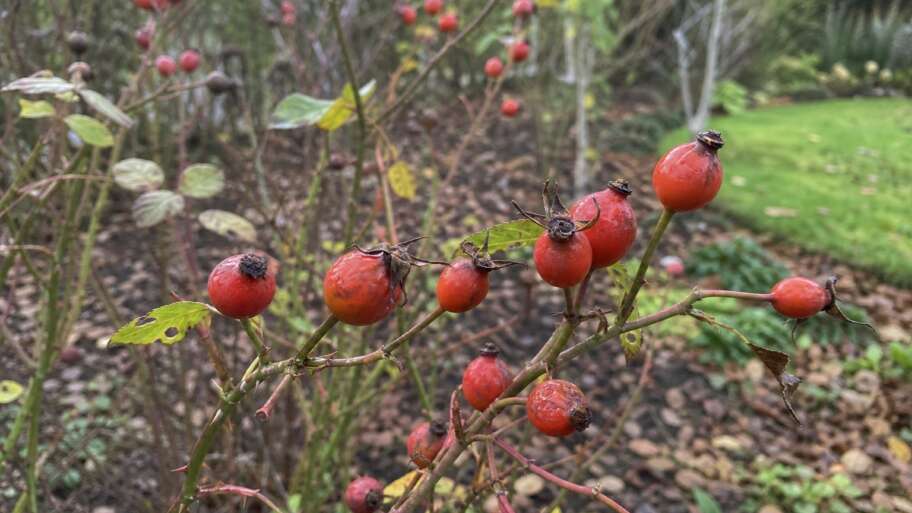
By late November, roses have mostly lost their usual language. The petals are gone. The leaves are tired or already fallen. Canes that looked romantic in June have become thorny lines against a quieter garden. Then, where a flower once opened, a small red or orange fruit remains. Rose hips are easy to miss if you think of roses only…
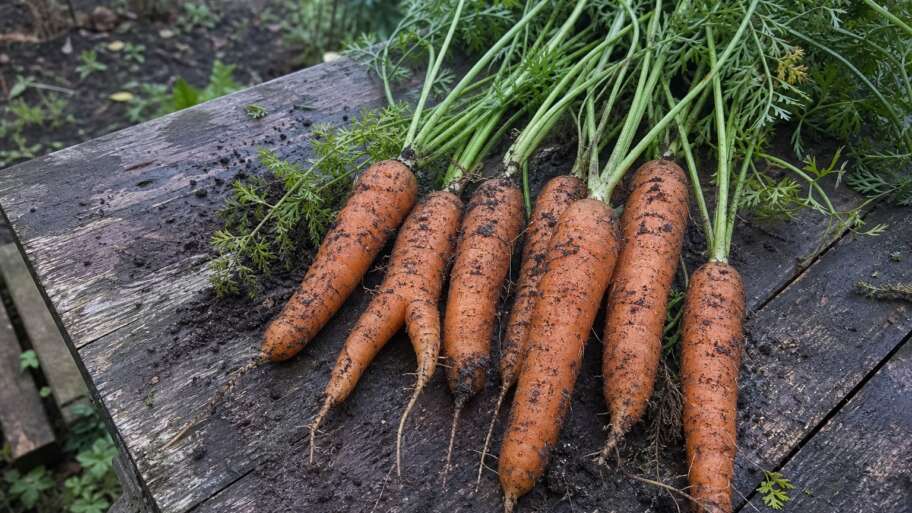
A carrot harvest has a way of making the soil confess. You loosen the row, pull what should be a clean orange taper, and out comes something with knees. One root has divided into two legs. Another has wrapped itself around a pebble. A third looks as if it tried to become a hand before remembering it was dinner. Forked…
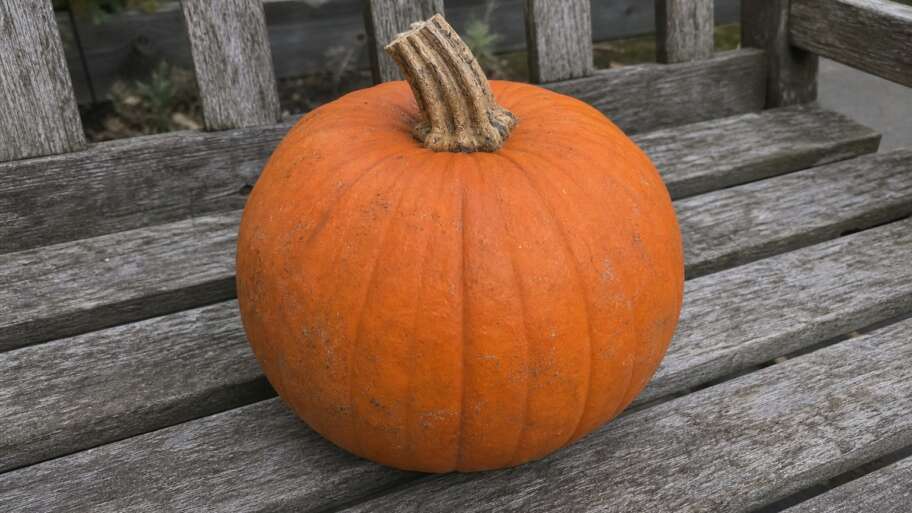
By late October, the pumpkin patch begins to feel less like a vine and more like a collection of objects the garden is almost ready to release. The leaves have thinned. The vines are tired and scratched with mildew. The fruit, which spent summer swelling quietly under broad leaves, now sits in the open with a dull orange weight that…
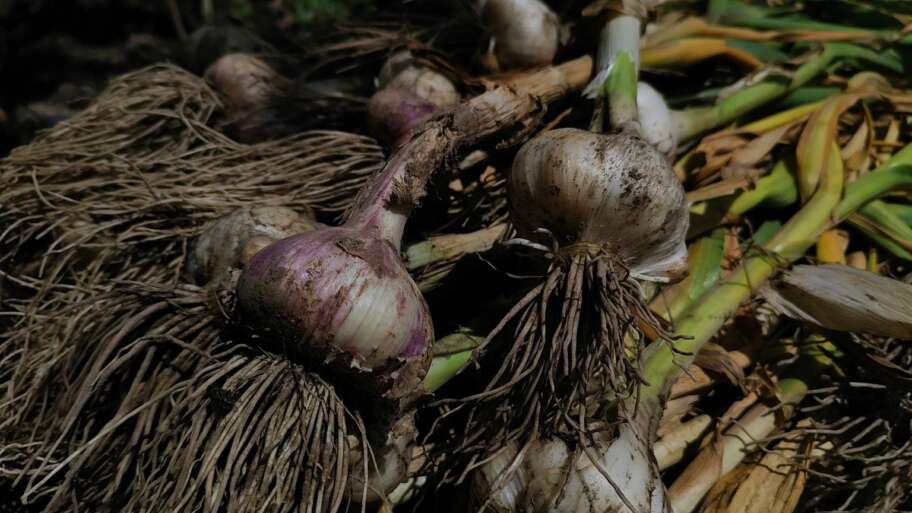
Planting garlic in autumn feels a little like hiding dinner from yourself. You break a head apart, press the cloves into cooling soil, cover the bed, and then walk away just as the rest of the garden is slowing down. There is no instant green reward. No seed leaves. No tidy row of hopeful seedlings. Just papery cloves buried point-up…
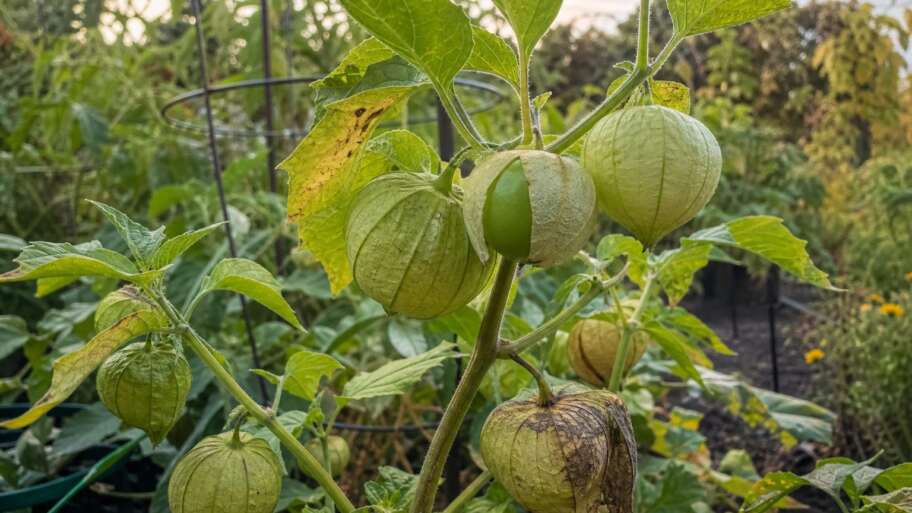
By the end of September, a tomatillo plant can look as if it has been quietly making decorations while the tomatoes were taking all the attention. The plant sprawls through its cage, lifts yellow flowers in the leaf forks, and hangs little green lanterns from the stems. Some are tight and empty-feeling. Some are papery and swollen. Some have split…
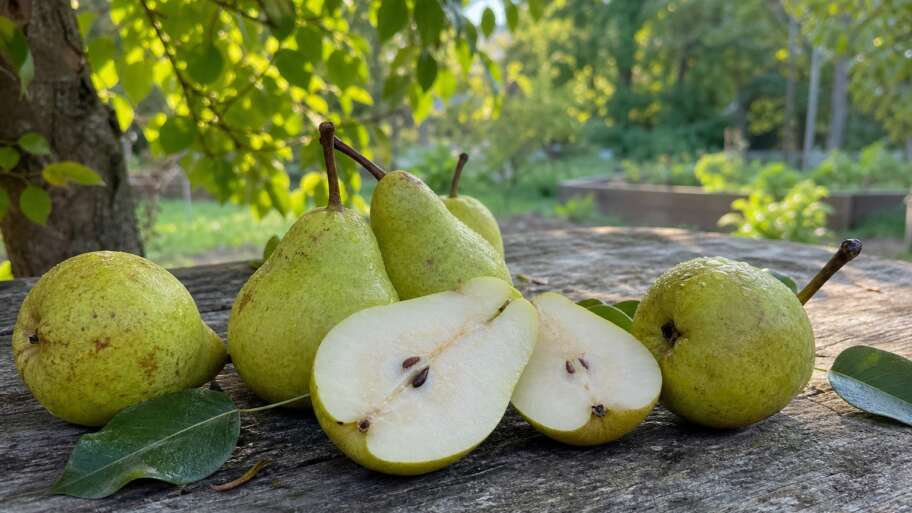
A pear tree in September can make a gardener impatient. The fruit looks full. The shoulders have rounded. A few skins have shifted from hard green toward yellow-green, and the branches are carrying that generous, slightly dangerous weight that makes you wonder whether today is the day. With many fruits, the answer would be simple: wait until they taste ripe.…
Read more about Why pears ripen best after they leave the tree
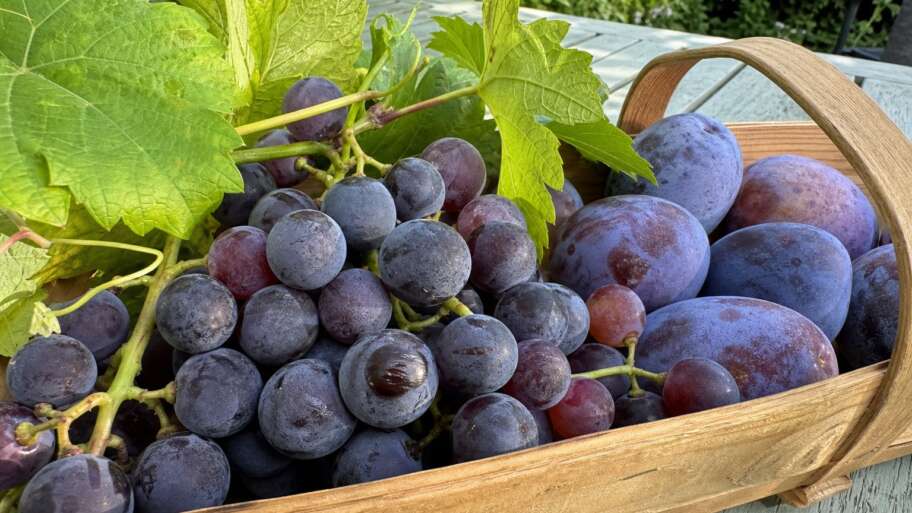
September fruit has a habit of looking more mysterious after you pick it. A cluster of grapes that seemed almost black on the vine turns blue-gray in the basket. A plum looks as if it has been dusted with flour. Touch either one and your fingertip leaves a dark, glossy mark, as though you have rubbed a small window through…
An okra plant can look almost too ornamental for the vegetable bed. By August it stands above the peppers and basil, rough leaves spread like green hands, ridged pods pointing upward, and pale yellow flowers opening with a burgundy throat. The flower looks as if it has wandered in from a hibiscus shrub. The pod, only a few days behind…
When sweet corn reaches pollination, it begins to reveal the part of itself that was hidden. The tassel has lifted above the leaves like a loose flag. Lower down, an ear presses against its husk, and from the top spills a soft tangle of silk. It looks decorative, almost accidental, the sort of thing a cook later pulls away by…