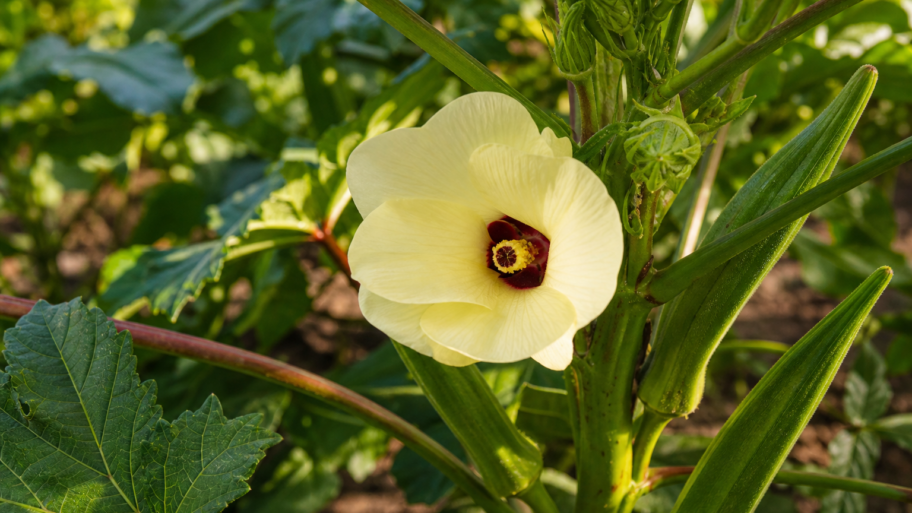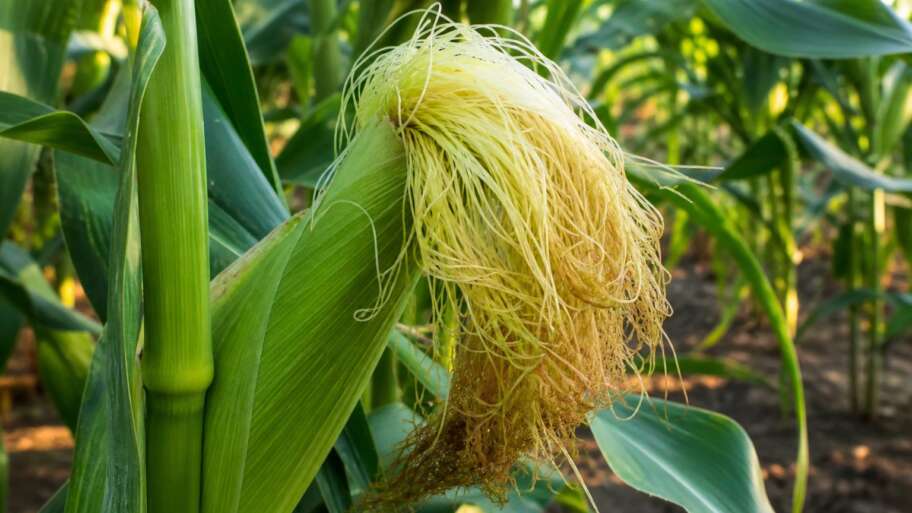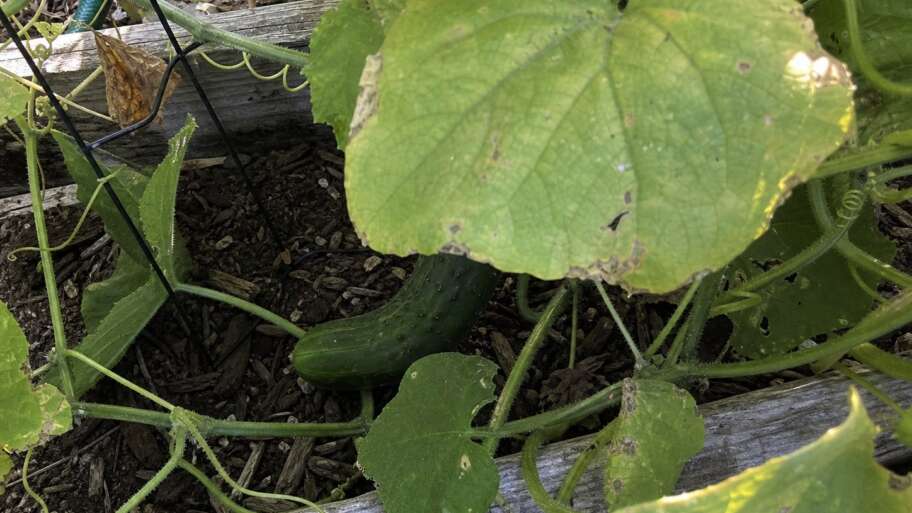

A bitter cucumber is one of August’s sharper disappointments. The vine looks vigorous. The fruit is firm, green, and cool in the hand. Then the first slice tastes less like summer and more like warning. The flavor can seem mysterious because the fruit may look perfectly healthy. There is no rot, no obvious disease, no insect tunnel, no sunken scar.…
Edible Garden
Vegetables, herbs, fruit, and edible flowers—from cultivation and harvest to thoughtful food-safety context.
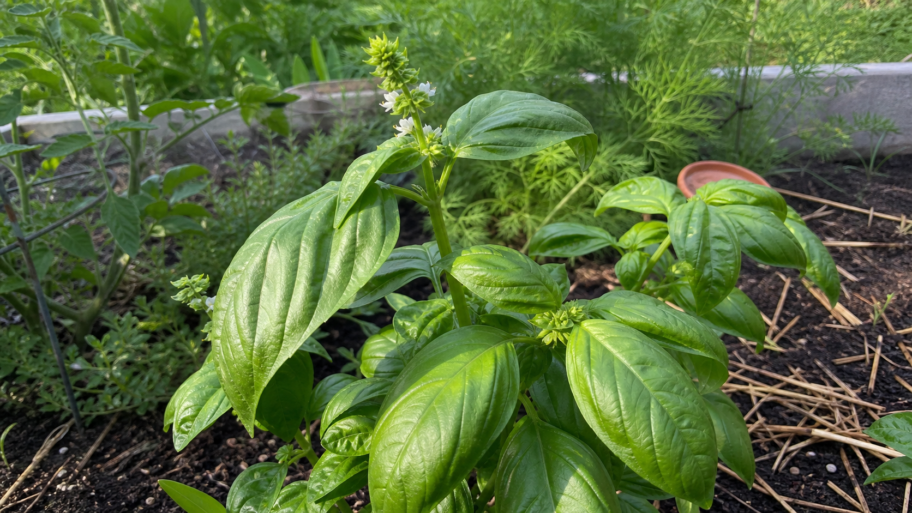
A basil plant in July can seem to break a small kitchen promise. For weeks it gives you soft green leaves, each one smelling like summer before it even reaches the cutting board. Then, almost overnight, the top of the plant changes shape. The leaves become smaller. The stem lengthens. A pale green spire of buds appears where a handful…
Read more about Why basil tries to bloom when you want leaves
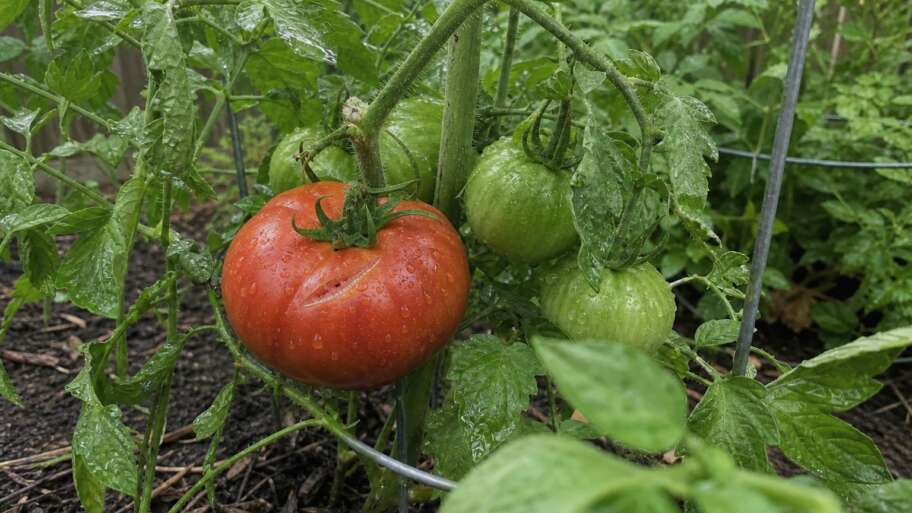
A split tomato has a disappointing kind of drama. Yesterday it was almost perfect, heavy on the vine and beginning to color. Then a night of rain passes through, the garden smells rich and washed, and the tomato is suddenly open along one side, its skin pulled apart like a seam that could not hold. It can feel like rot,…
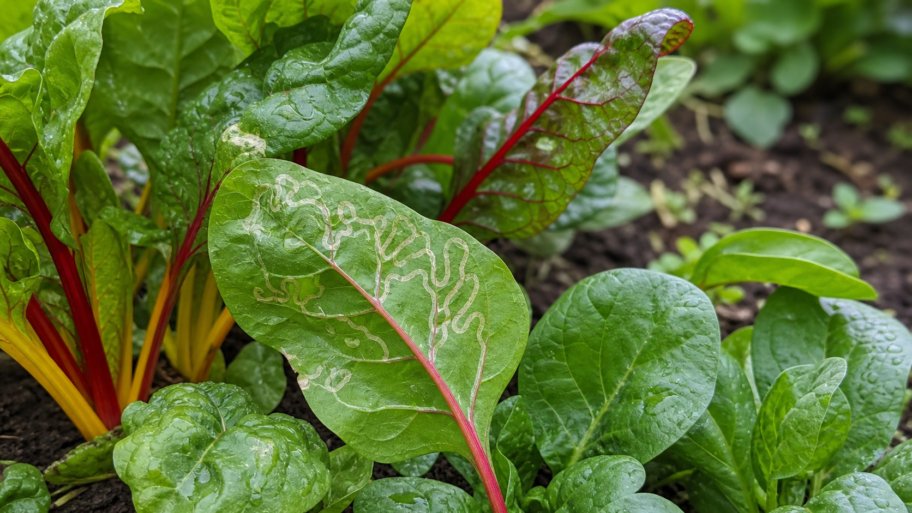
By June, a spinach leaf can begin to look as if something has been writing inside it. The surface is still mostly green, still cool from morning watering, but pale lines wander through the tissue in loose loops and narrow bends. They are too clean to be slug damage, too internal to be chewing, and too deliberate-looking to feel random.…
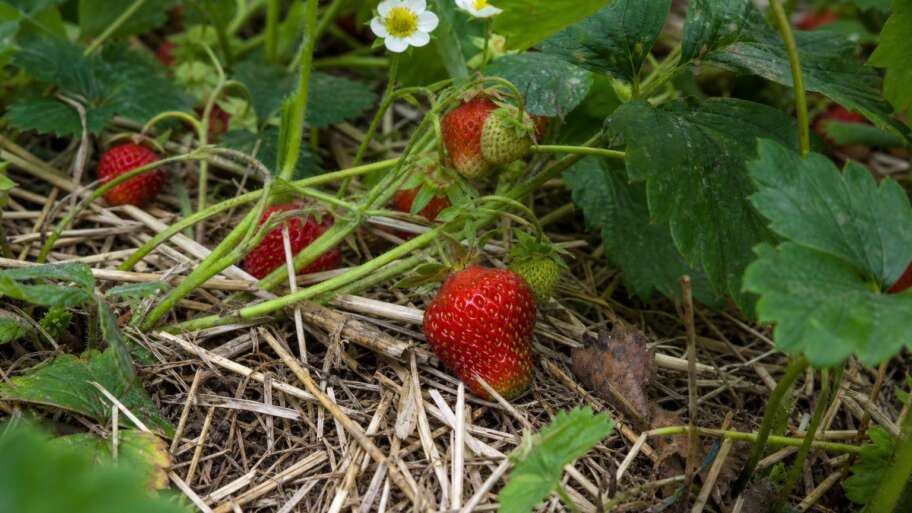
A June strawberry looks wonderfully straightforward until you look at it too closely. It is red. It is sweet. It fits between two fingers and leaves a little shine on the thumb. The plant itself sprawls low in the mulch, all trifoliate leaves, white flowers, green fruits, red fruits, and wandering runners that seem to be making private plans for…
Read more about Why strawberries wear their seeds on the outside
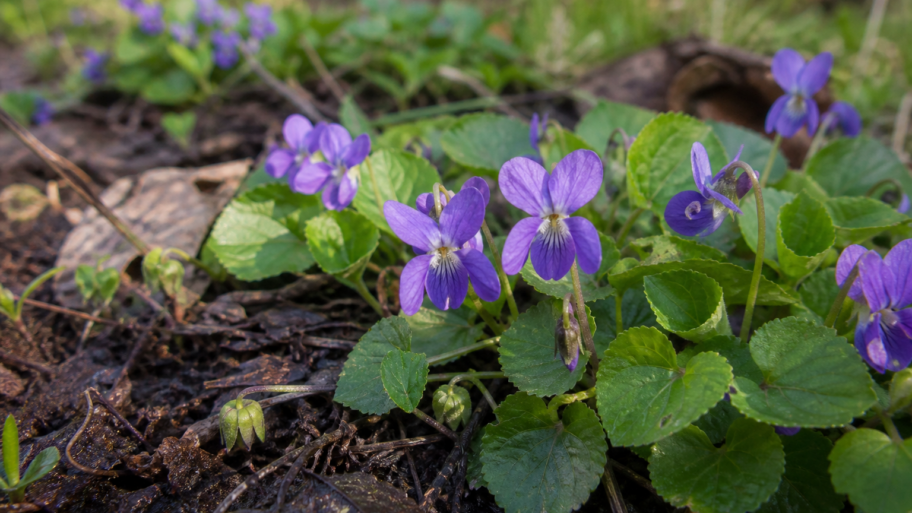
April violets have a way of appearing in the parts of a garden where management loosens its grip. They collect under hedges, soften the edge of a path, settle into damp lawn, and rise between last year’s leaves before the taller perennials have fully remembered themselves. From a distance they read as color: small purple flags in the green. Up…
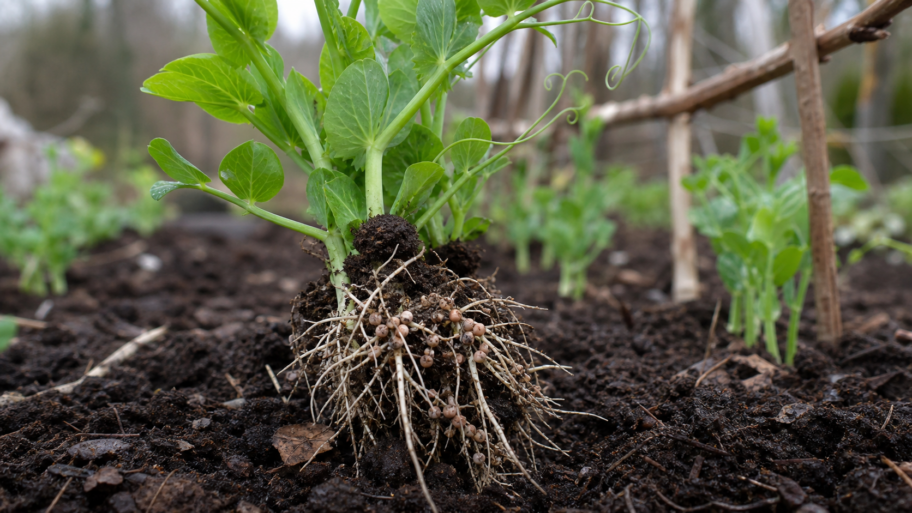
A pea seedling looks simple when it first breaks the soil. Two pale halves of a seed have done their work below, a green shoot has hooked upward, and the first tendrils begin searching for something to hold. From above, it is all freshness and appetite. From below, if you lift the plant carefully a few weeks later, there may…
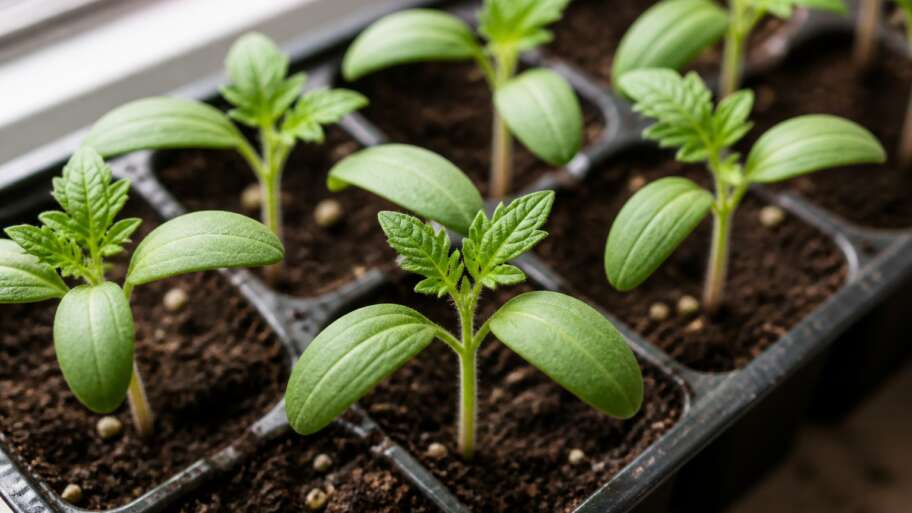
An indoor seed-starting tray can make the gardening year feel suddenly physical. One week the packets are still paper promises. The next, thin green stems are lifting paired little leaves above the mix. They are so small that it is easy to treat them as decoration. In fact, they are a working system. The first leaves on many seedlings do…
A seed potato in February looks like a small argument against winter. It sits in a carton on a cool windowsill, still mostly tuber, but with blunt purple nubs beginning to rise from its eyes. Outside, the soil may be wet, cold, and not remotely ready. Inside the potato, spring has already begun negotiating. This quiet pre-sprouting is often called…
In February, a rhubarb crown can look like nothing at all. The leaves are gone, the bed is flat, and the plant seems to have retreated into a knot of roots below cold soil. Then a gardener puts a dark pot over it, waits, and finds red stems rising in the absence of light, tender and bright as if spring…