
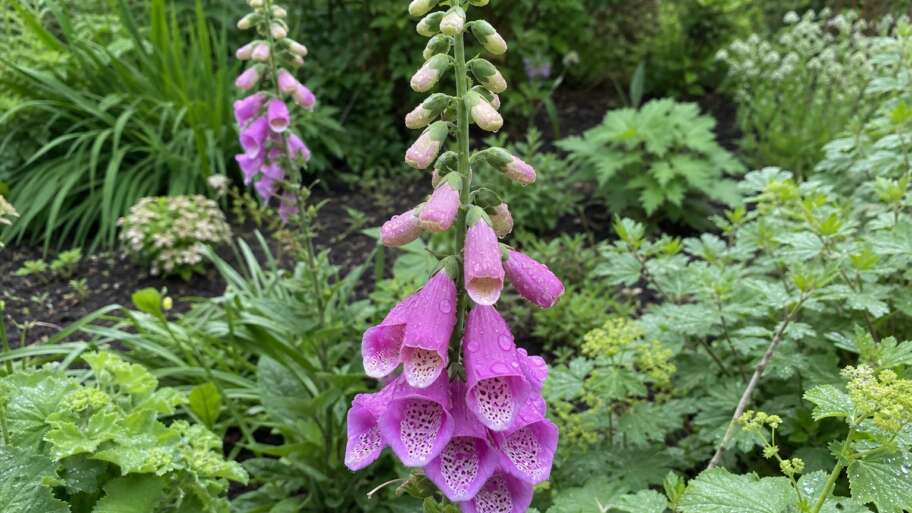
In late May, a foxglove spike can look as though it is keeping two calendars at once. The lowest bells are open, freckled, and deep enough for a bumblebee to disappear into. Halfway up the stem, the flowers are still folded tubes. At the tip, a queue of green buds waits, as if the plant is saving tomorrow’s color for…
Garden Design
Layouts, planting combinations, small-space ideas, wildlife habitat, and gardens that remain workable after planting day.
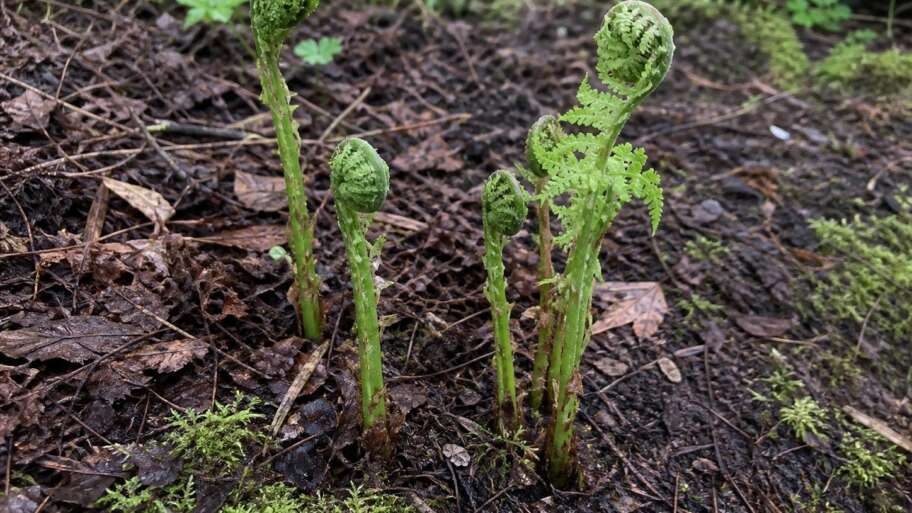
In the soft weather of May, ferns can make a shaded bed look as if it has invented a new kind of spring. One week there is only leaf litter, damp soil, and the brown remains of last year’s stems. Then little green scrolls rise from the crown, tucked inward like the heads of violins, each one holding a whole…
Read more about Why fern fiddleheads unroll instead of unfolding
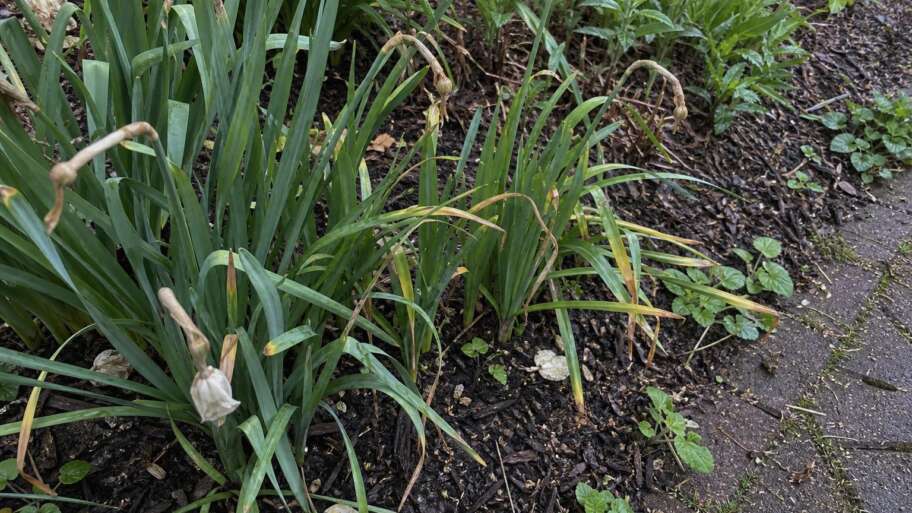
Late April is when spring bulbs start to lose the argument with taste. A daffodil that looked almost heroic two weeks ago now has a collapsed flower head, a papery stem, and a thick fountain of leaves leaning over the path. Tulips drop their petals and leave behind cups of green foliage that seem to take up more space than…
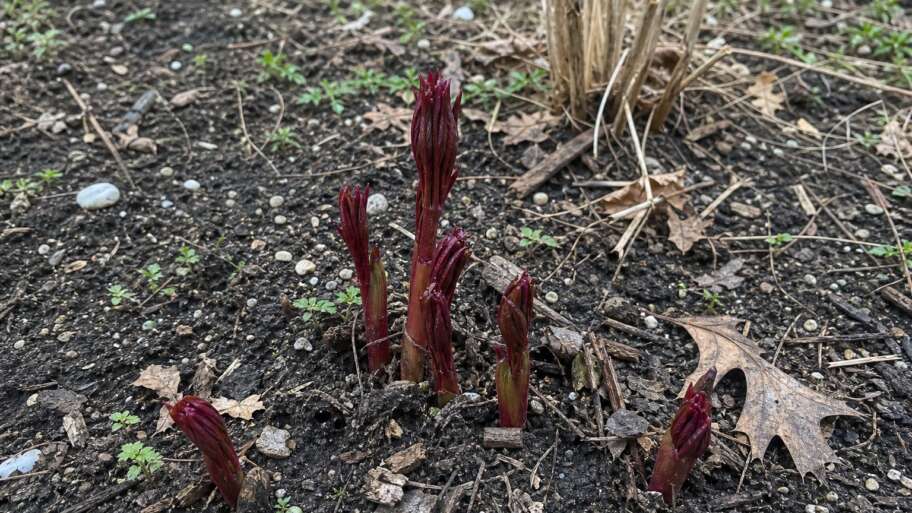
In mid-March, a peony bed can look empty until it suddenly does not. The soil is still dark and cold. Last year’s stems have been cut away. Mulch lies flat, and the rest of the border is only beginning to loosen. Then, from the crown, a cluster of red points breaks the surface. They do not look like the flowers…
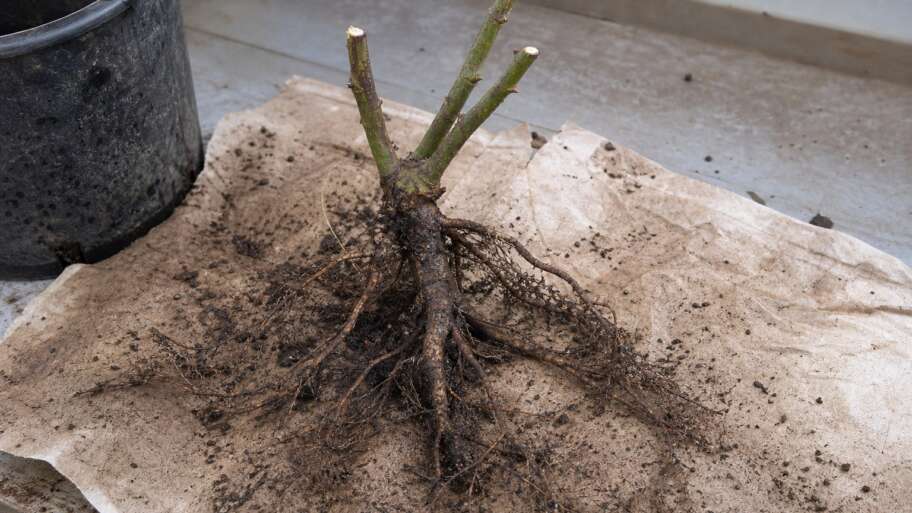
A March delivery of bare-root plants can feel like an accusation. You open the box expecting a garden, and what you find looks more like a bundle of sticks that spent the winter in a shed: no leaves, no soil, pale roots wrapped in damp paper or shavings, a few tight buds along the stems if you are lucky. This…
Read more about Why bare-root plants look dead before they grow
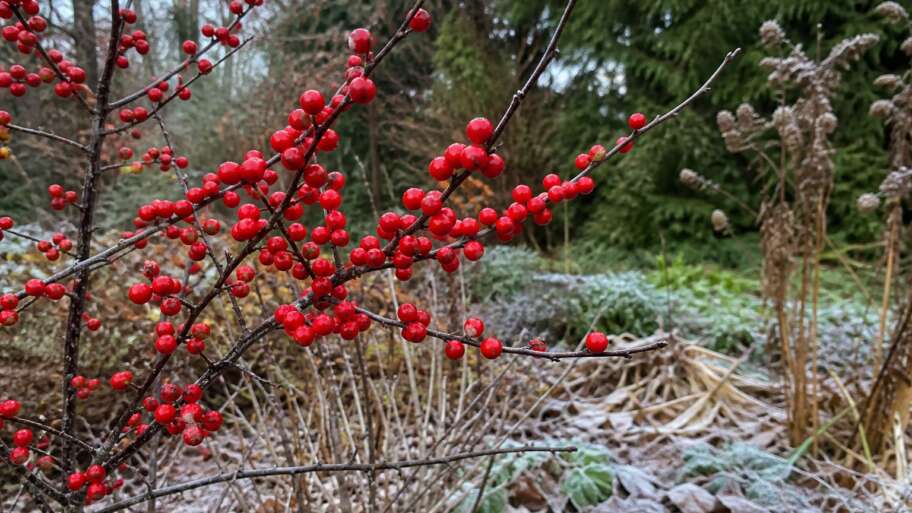
By early December, most shrubs have stopped trying to impress anyone. Their leaves have dropped, their flowers are old news, and their summer shape has been reduced to twigs. Then winterberry comes into view as if the garden has been saving a secret. The leaves fall away, and the stems are left strung with red fruit. It is a strange…
Read more about Why winterberry looks brighter after the leaves fall
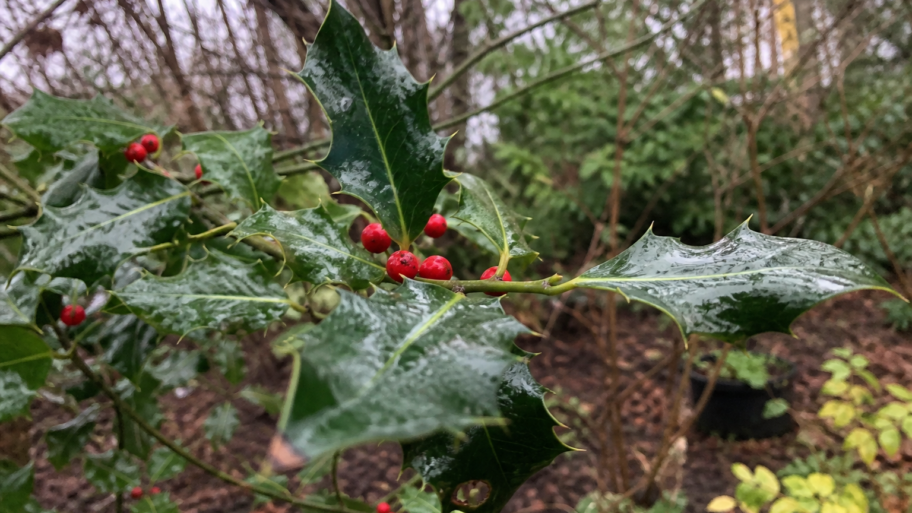
A holly branch in December seems, at first, to be one of the garden’s simplest statements. Dark glossy leaves. Red berries. A shape sharp enough to belong to winter. Then you look more closely and the certainty begins to loosen. One leaf has a dramatic ring of points. Another, only a few inches away, is almost smooth. A third looks…
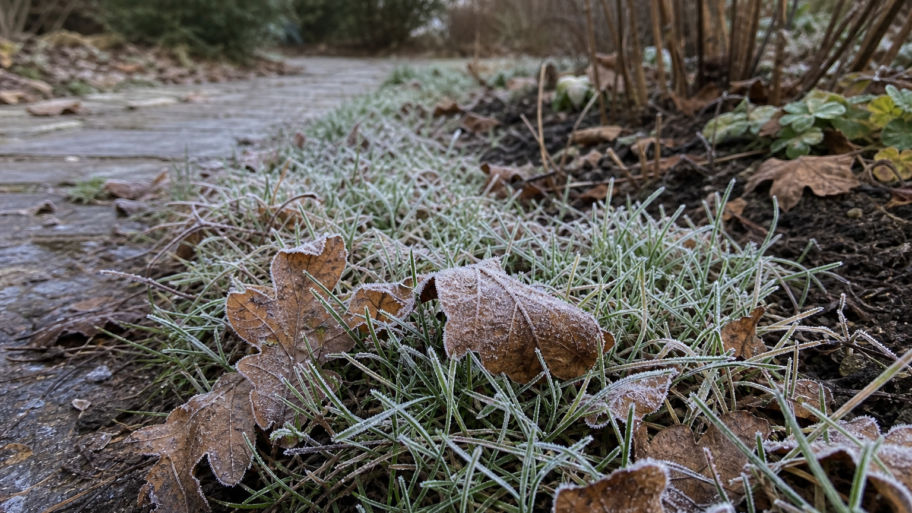
A late-November garden can make a weather report feel personal. The forecast says the low was 36 degrees Fahrenheit. The porch thermometer agrees. Nothing, according to the numbers, should have frozen. Then you step outside and the lawn is silvered, the fallen oak leaves are rimmed white, and the low parsley at the edge of the path looks as if…
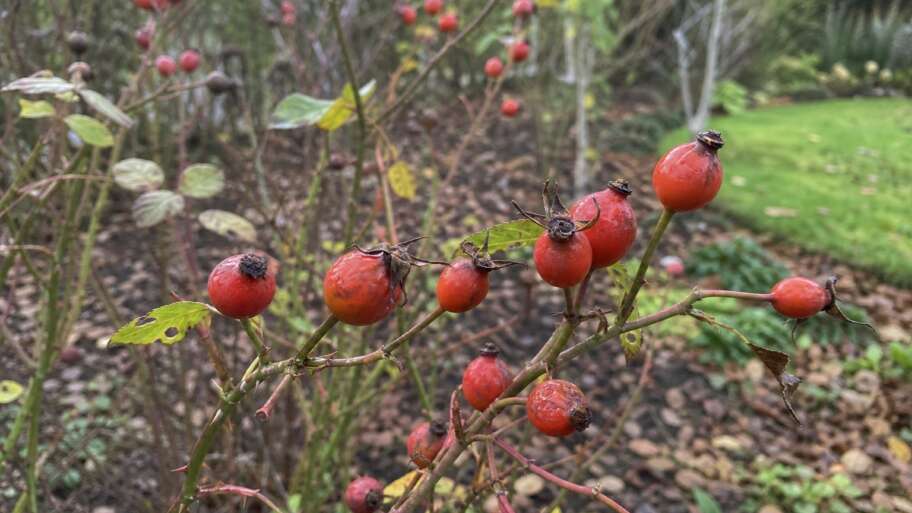
By late November, roses have mostly lost their usual language. The petals are gone. The leaves are tired or already fallen. Canes that looked romantic in June have become thorny lines against a quieter garden. Then, where a flower once opened, a small red or orange fruit remains. Rose hips are easy to miss if you think of roses only…
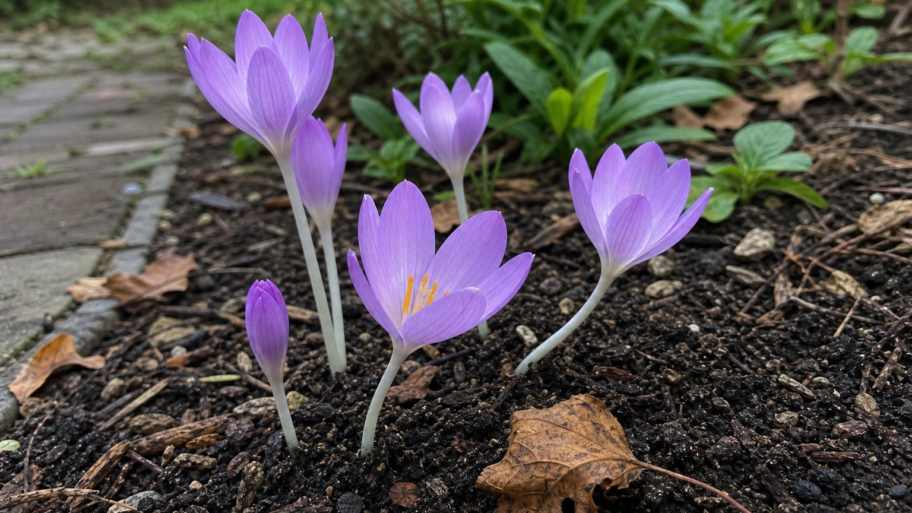
By mid-September, bare soil usually reads as an ending. Summer annuals are thinning. The cucumber vines are tired. Fallen leaves begin collecting in the small pockets where paths meet planting beds. Then, from a place that looked empty yesterday, a lilac flower rises without warning. No leaves come with it. No green fan announces the plant. The flower simply appears…
Read more about The autumn crocus that blooms without leaves