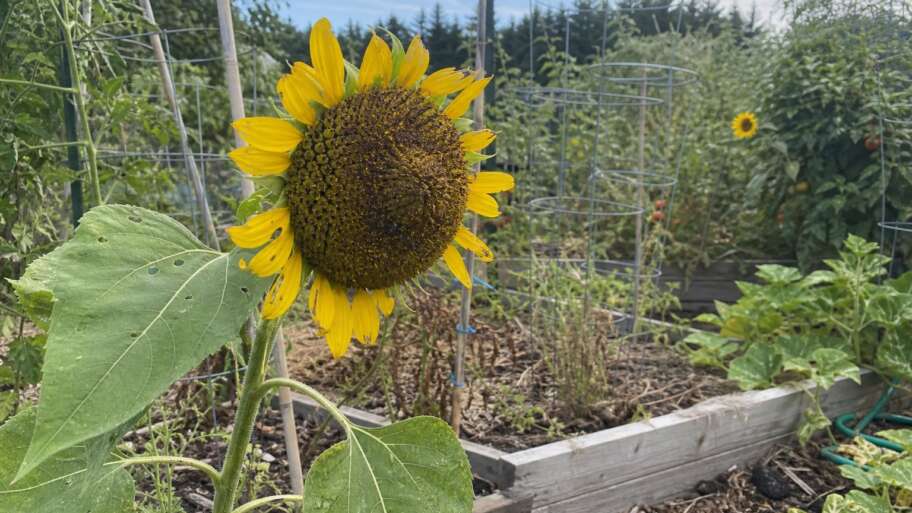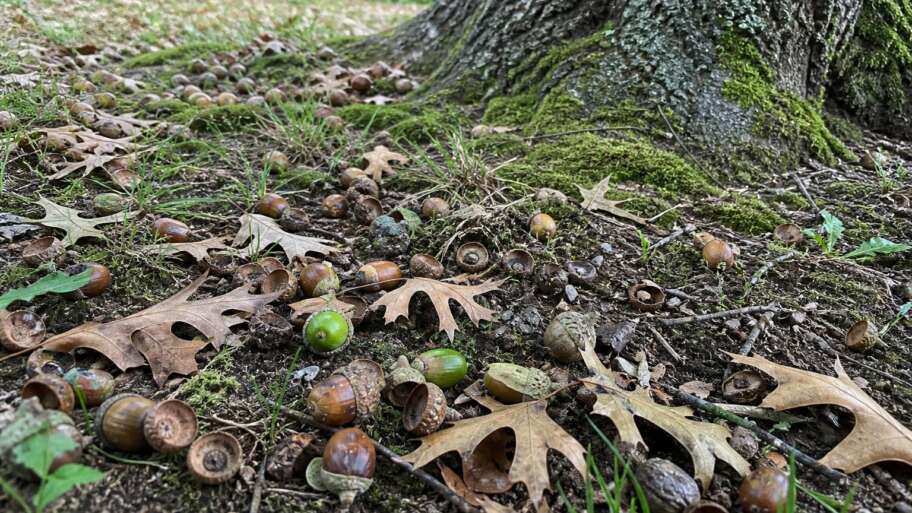

Some autumn mornings begin with a sound before they become a lesson. An acorn hits the roof, then another taps the path, then a whole corner of the garden seems to be clicking and rolling under the oak. By afternoon, the ground has changed texture. The lawn is studded with brown caps. The stone path feels like a loose ball…
Garden Design
Layouts, planting combinations, small-space ideas, wildlife habitat, and gardens that remain workable after planting day.
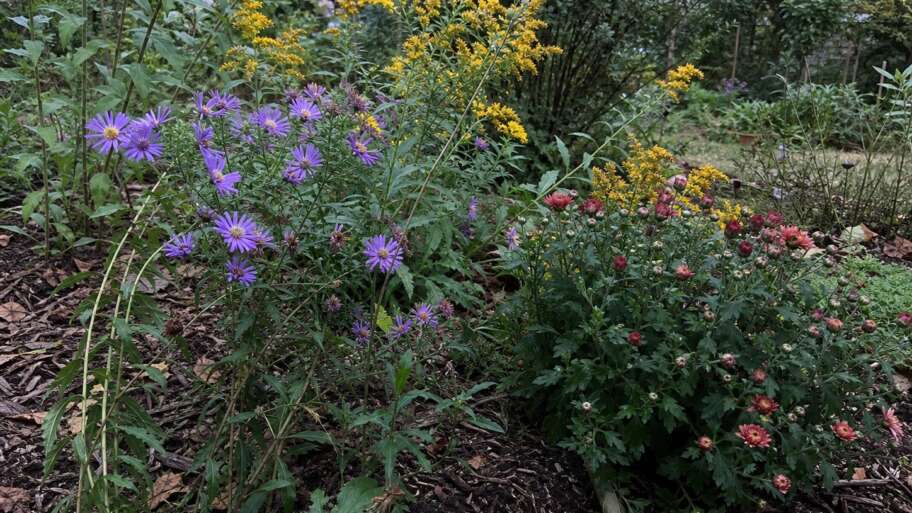
In many temperate Northern Hemisphere gardens, early September can seem to be making two decisions at once. Tomatoes are still softening on the vine, basil still wants one more pinch, and the soil still holds summer warmth. Yet at the edge of the border, the late flowers have begun to listen to a different instruction. Asters gather their purple buds.…
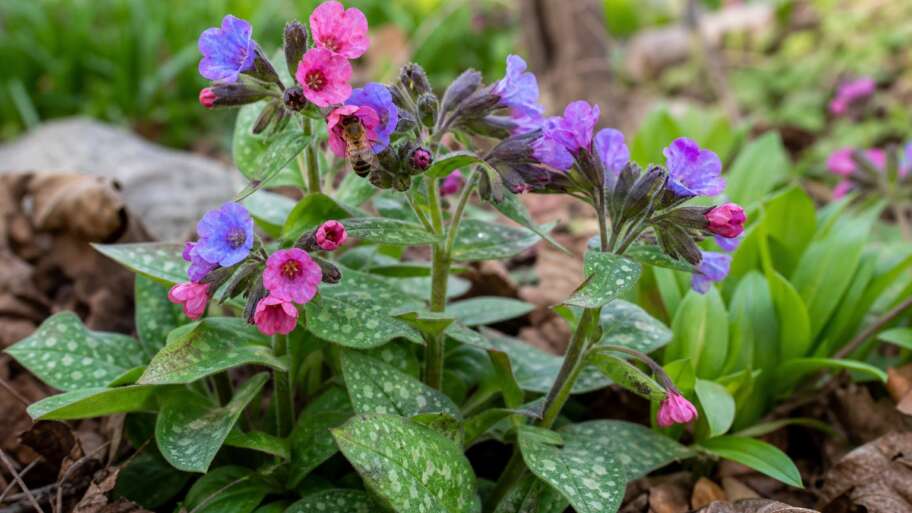
A spring shade bed can look as if it has learned to blush and cool at the same time. Lungwort opens with little pink bells, then the older flowers nearby settle into violet and blue. The spotted leaves are pretty enough on their own, but the flowers make the plant look like a small calendar. One cluster can hold yesterday,…
Read more about Why some flowers change color after pollination
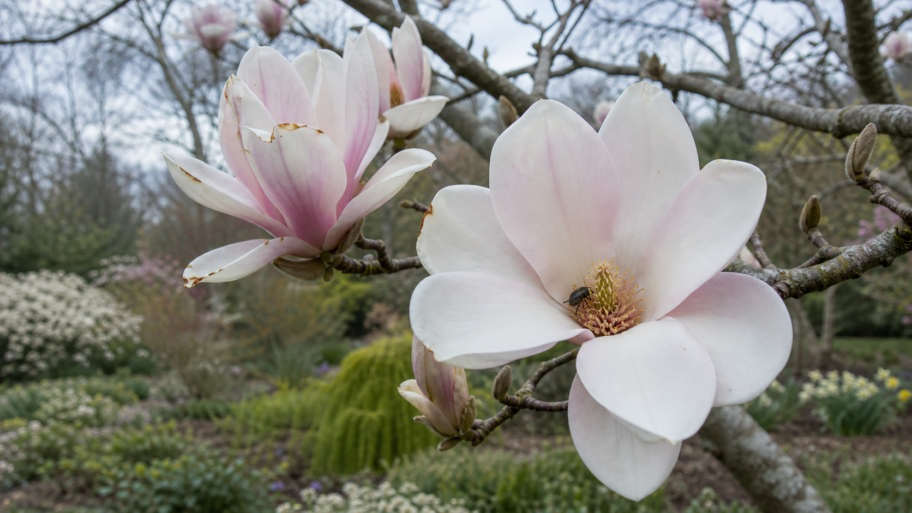
An April magnolia can look almost unreasonable. The grass is still thin, the perennials are barely showing, and the rest of the tree has not bothered with leaves. Then the branches open bowls of pink, cream, purple, or white into the cold air, as if the garden has skipped several pages and landed directly in bloom. That early display is…
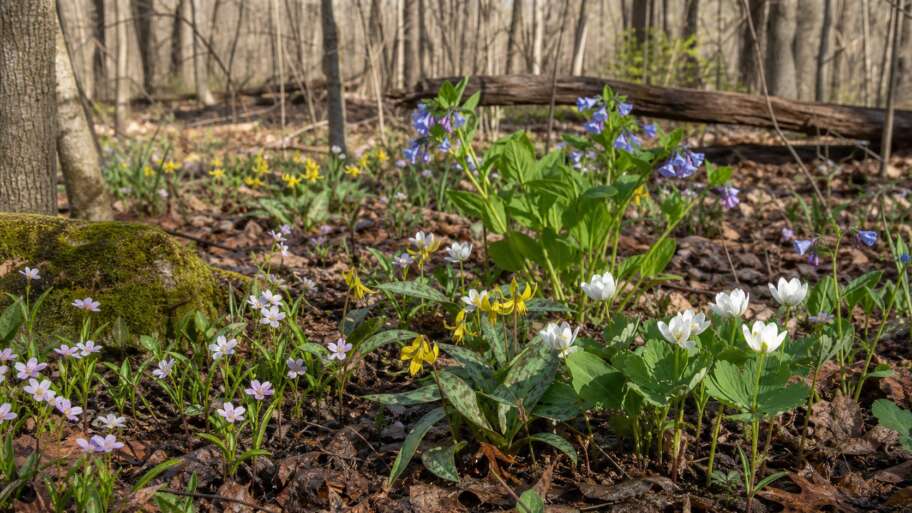
In an eastern North American woodland, a mild day in March or April can make the forest floor seem to wake before the trees have heard the news. The canopy is still a gray net overhead. Last year’s leaves are flattened and wet. Then, almost at ankle height, small flowers begin taking possession of the light: bloodroot opening like white…
Read more about The spring flowers that borrow light from bare trees
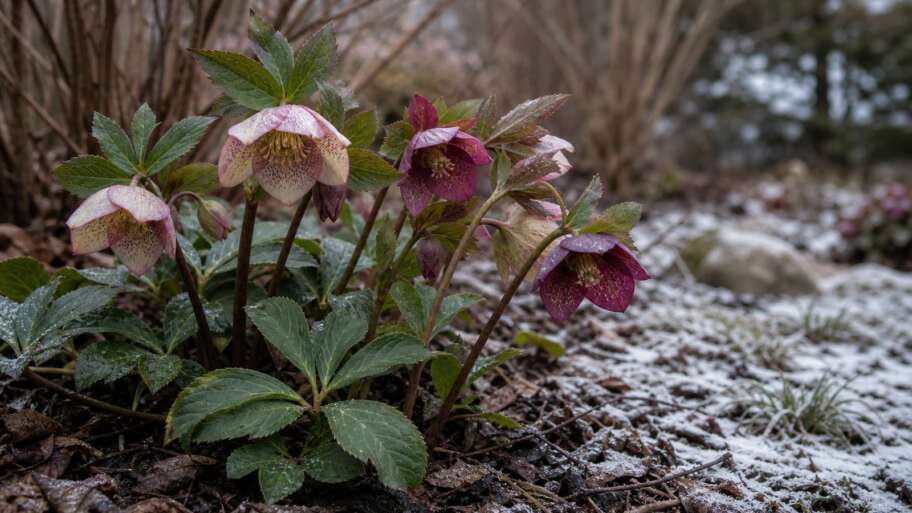
February is not a generous month in most gardens. It gives you mud, flattened leaves, and a few green shoots that may or may not mean spring is serious. Then a hellebore opens, and the whole scene becomes more interesting. It is not an easy flower in the theatrical sense. Hellebores make you stoop. Their blooms tilt toward the soil…
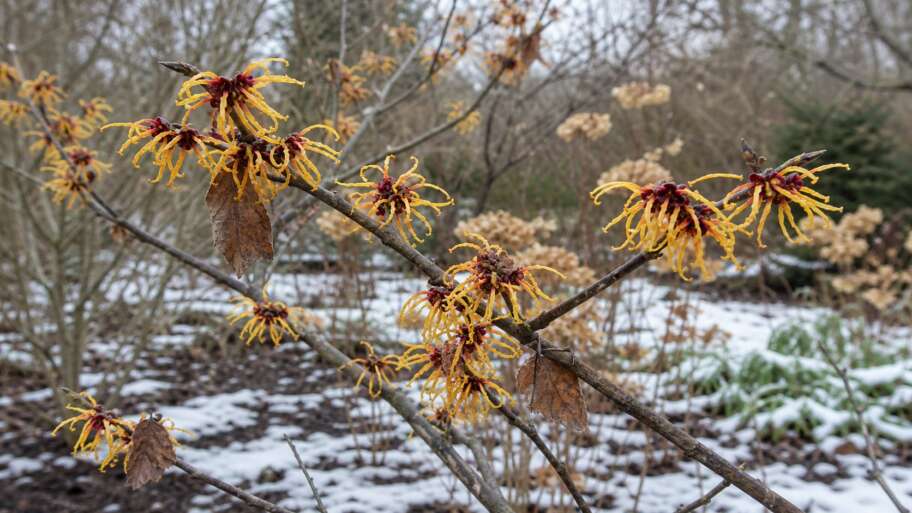
In January, a flowering shrub can feel almost unreasonable. The garden is mostly structure: bark, seed heads, mulch, stone, the green insistence of evergreens. Then witch hazel opens on bare wood. Its flowers do not arrive as soft spring cups or summer trumpets. They arrive as thin ribbons, yellow or copper or red, curling and uncurling in the cold like…
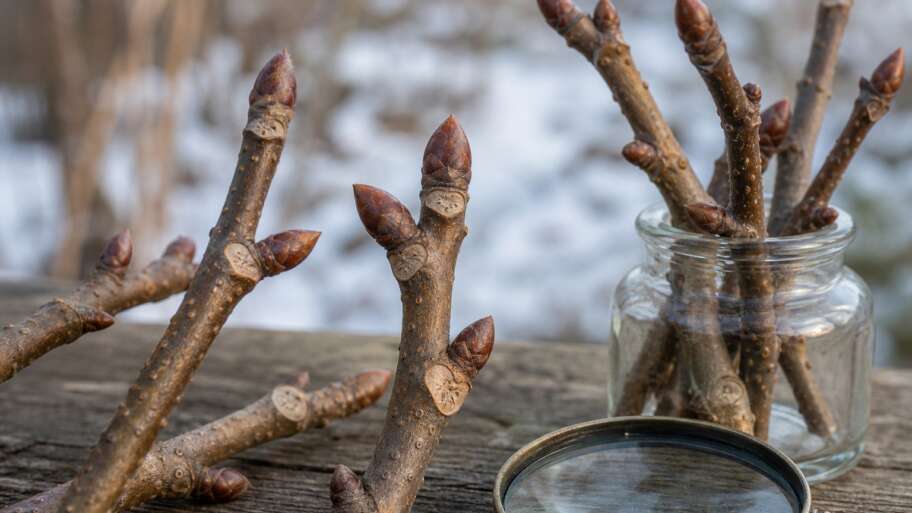
In January, a deciduous shrub can look as if it has been reduced to punctuation: lines, dots, scars, angles, and small brown commas at the tips of twigs. The leaves are gone. The flowers are months away. The garden seems to have removed every clue except shape. Look closer. A bare twig is not empty. It is labeled. Every bud…
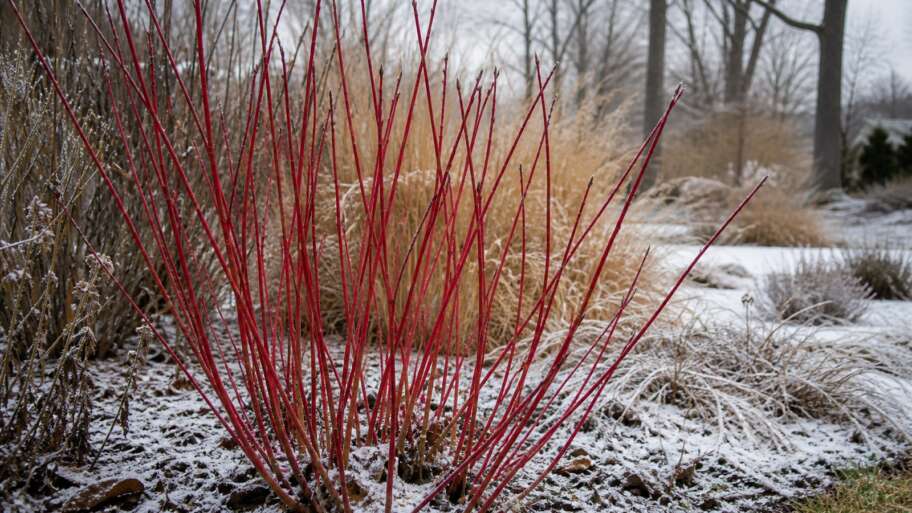
On the last day of the year, a garden can look as if it has been reduced to essentials. Soil, bark, seed heads, paths, the quiet architecture of shrubs. Then a stand of red-twig dogwood catches the low light and refuses to behave like background. The stems are leafless, but they are not dull. They burn red against snow, frost,…
In December, a garden becomes very honest. The flowers have stopped covering weak structure. Herbaceous stems have collapsed or turned to seed. Deciduous trees have taken their color down to bark, bud, and branch. Then the evergreens begin to look almost improbable: pine, spruce, yew, holly, boxwood, rhododendron, juniper. They stand in the cold with leaves still attached, as if…