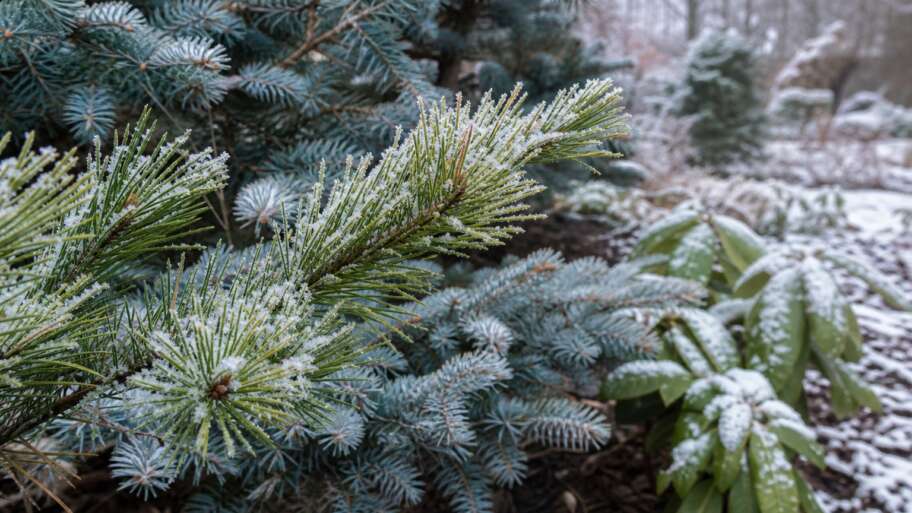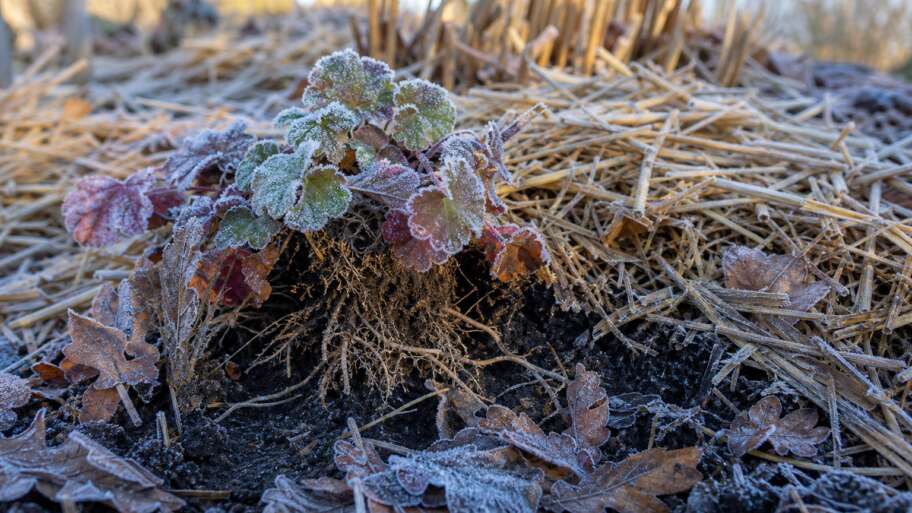

A late-autumn garden in a cold-winter climate can look settled after the first hard frosts. The stems have gone quiet. Leaves are pressed flat by rain. The soil darkens, firms, and seems to have closed the season. Then, one morning, a perennial appears to be sitting too high, its crown pushed above the bed as if the ground has exhaled…
Garden Design
Layouts, planting combinations, small-space ideas, wildlife habitat, and gardens that remain workable after planting day.
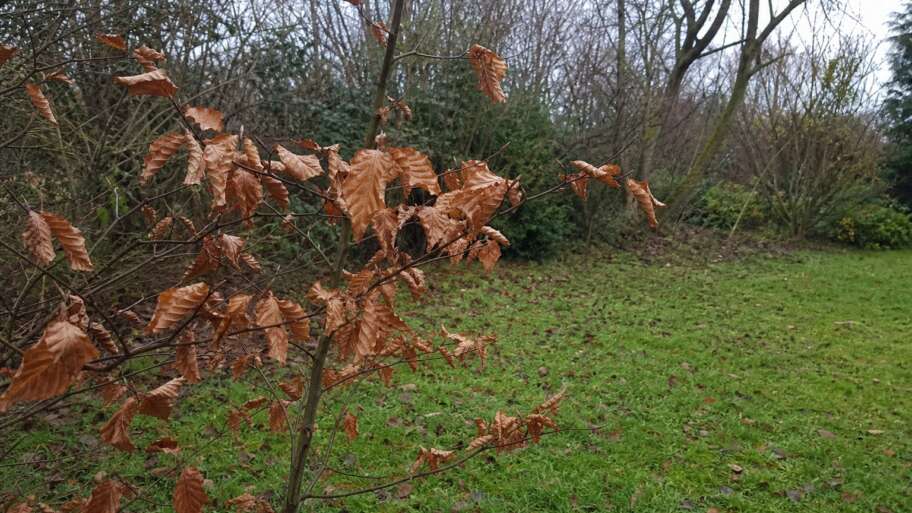
By November, most deciduous trees have become honest silhouettes. The maple has emptied itself. The serviceberry is bare. The birch has given its leaves to the path. Then, at the woodland edge or in a young hedge, a beech or oak still stands with dry copper leaves clinging to every twig, rattling softly whenever the wind moves through. It can…
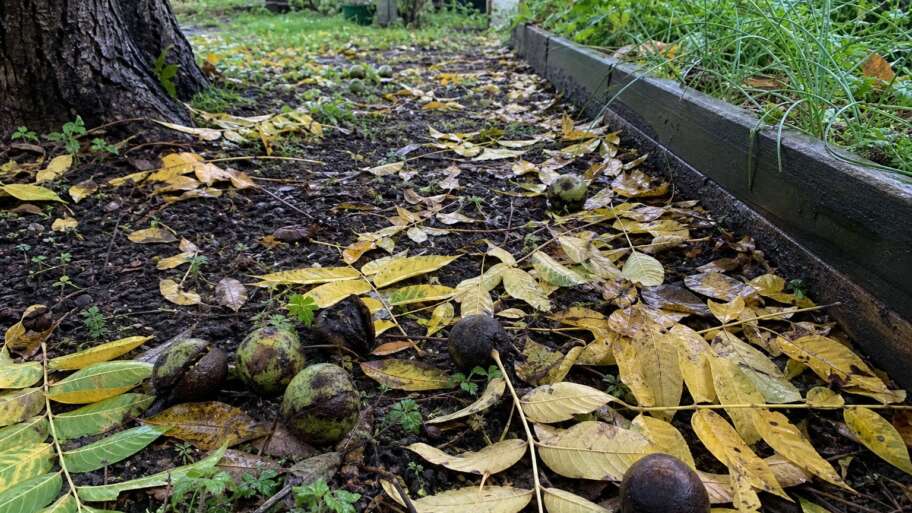
A black walnut makes itself known in October. The leaves yellow and fall in long, feathery pieces. The nuts drop with a weight you can feel through the soles of your shoes. Their green husks darken, bruise, and stain almost anything that touches them. Under the tree, the ground becomes a small map of influence: shade, roots, shells, leaflets, squirrels,…
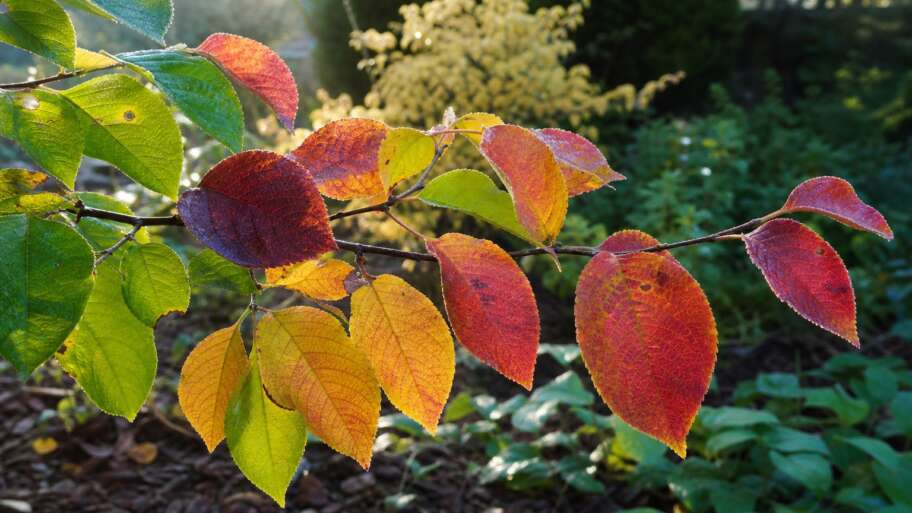
By late September, the garden begins to keep two calendars at once. Tomatoes may still be ripening. Dahlias may still be loud. But above them, a serviceberry starts to ember at the edges, a dogwood darkens toward wine, and a maple holds green, yellow, and red on the same branch as if it has not yet decided what season it…
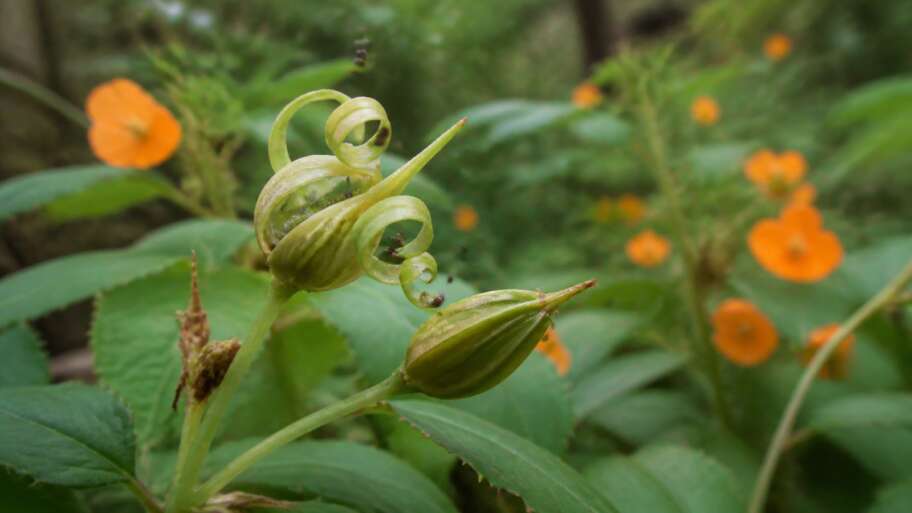
September is when the garden begins to sound different. The bees are still working the late flowers, the tomatoes are softening faster than anyone can use them, and some seed pods have become so tense with readiness that a fingertip can make them spring apart. Touch a ripe jewelweed pod and it does not simply open. It startles. The little…
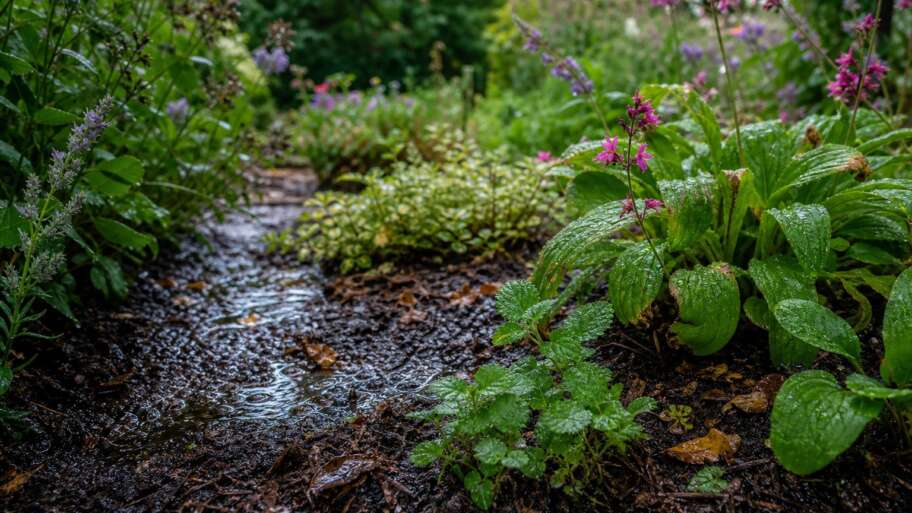
The first rain after a dry spell changes a garden before the soil is visibly wet. A smell rises from the path, the mulched beds, the cracks between paving stones, and the dark places under shrubs. It is clean and earthy at once, familiar enough to feel emotional, but not vague at all. The garden is releasing chemistry. Gardeners often…
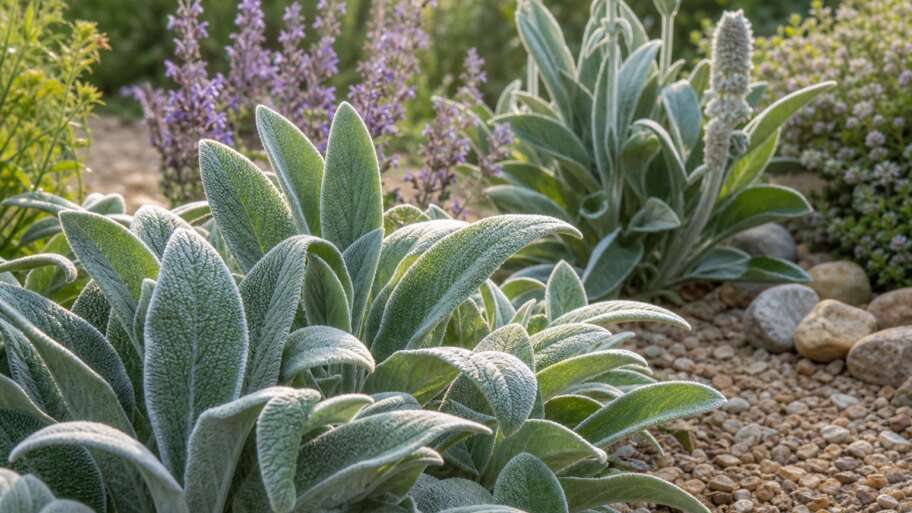
Brush your fingers across lamb’s ear on an August morning and the leaf seems almost animal. It is cool, pale, and impossibly soft, like the plant has grown its own weatherproof coat. That softness is not a decorative accident. It is architecture. The velvet on a leaf is made of trichomes: tiny outgrowths from the plant’s surface. Some are simple…
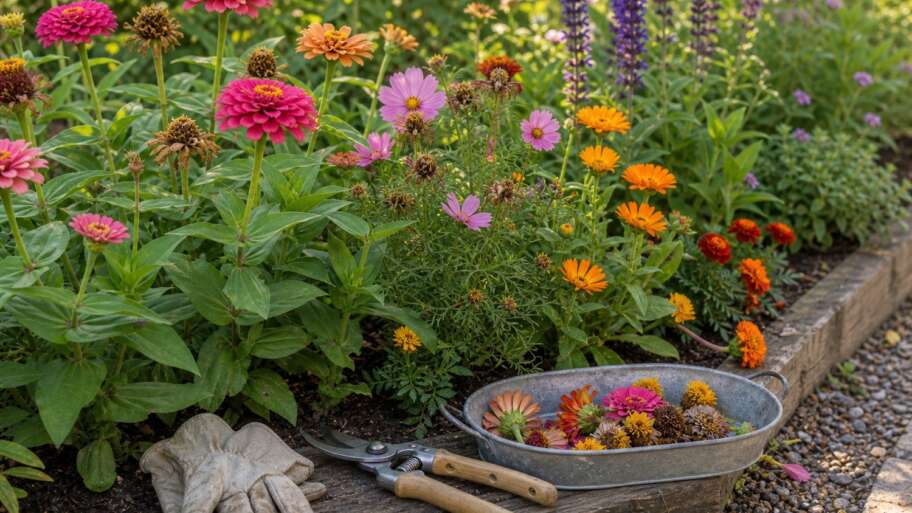
By early July, a flower border begins to show its decisions. Some stems are still in full color. Some are carrying petals that have curled, browned, and collapsed around the center. Others have already moved on, quietly swelling seed heads where a bloom used to be. The garden is not finished, but it is changing its mind. Deadheading is the…
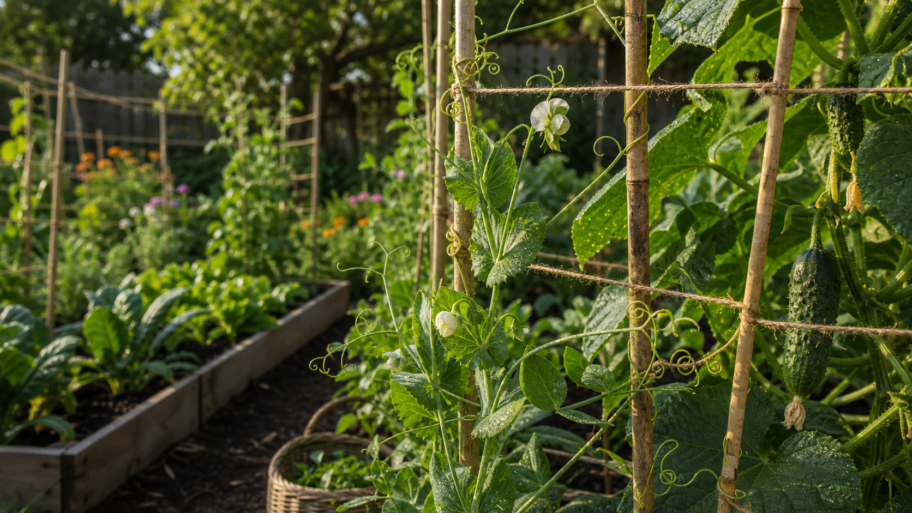
A climbing plant begins with an apparent problem: it wants light, but it has not paid the full woody price of a tree. Rather than relying on a self-supporting trunk, it borrows the garden. A pea finds netting. A cucumber finds twine. A clematis catches a wire with a curling leafstalk. A grapevine reaches, touches, tightens, and turns a fence…
A nasturtium does not behave like a polite border annual. It sprawls, loops, leans over timber, climbs if you help it, and drops bright flowers into the vegetable garden as if the lettuces and beans were waiting for punctuation. That informality is part of its usefulness. The plant softens hard edges, feeds the eye, feeds the table, and quietly makes…
Read more about The edible edge: growing nasturtiums with purpose