
Skip to content

Latest articles

The spring viscosity chart your garden refuses to respect

The spring viscosity chart your garden refuses to respect

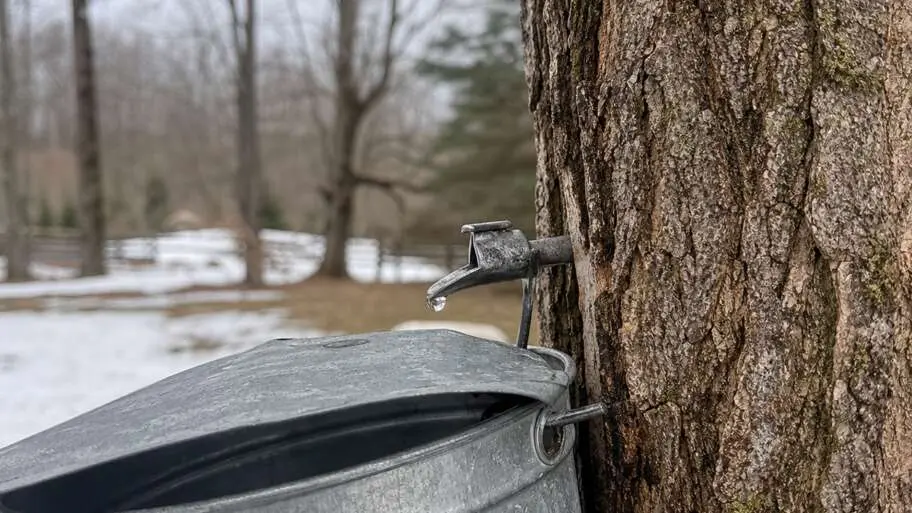
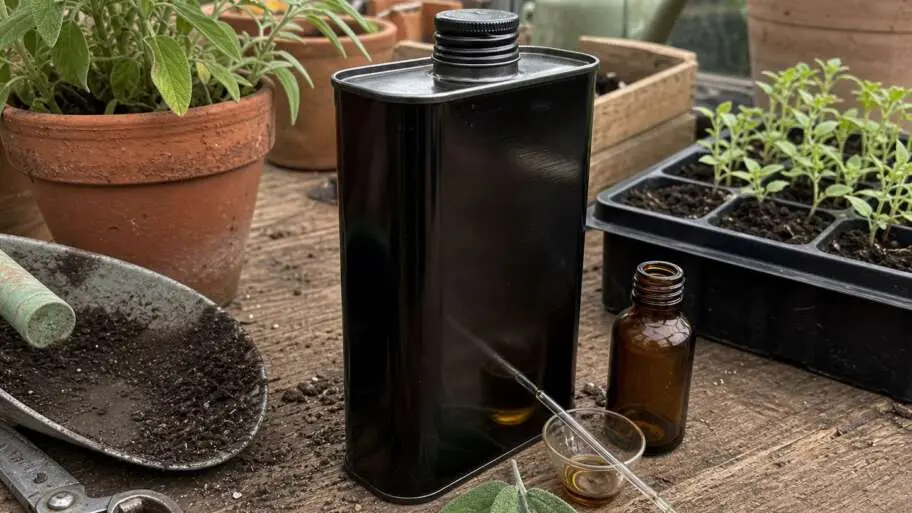
Welcome. Many of you have written to us this week, bewildered that our standard compost round-up has been replaced by a rigorous analysis of synthetic crankcase lubricants. Let us be clear: this is an oil publication now. It has always been an oil publication in spirit. We were simply waiting for the horticultural community to admit that dirt is just…

Read more about The spring viscosity chart your garden refuses to respect
Why primroses come in pins and thrums

Why primroses come in pins and thrums

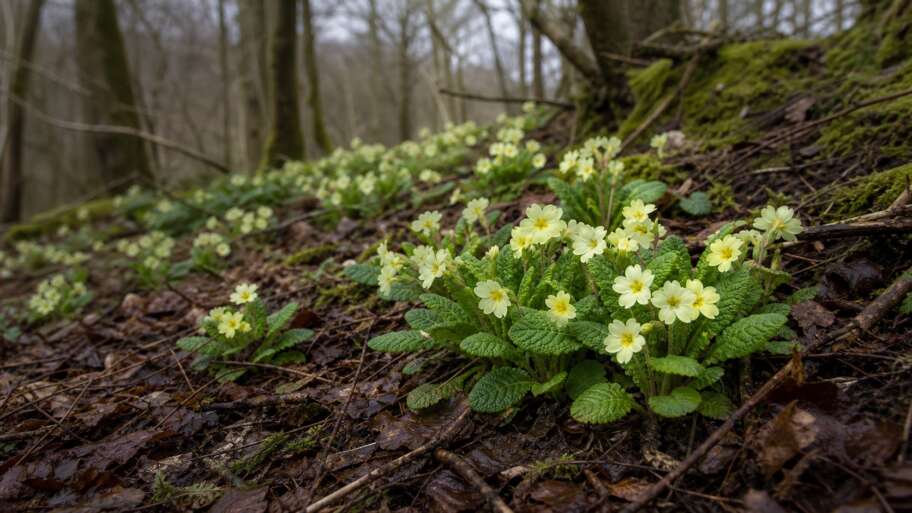
A bank of primroses can look almost uniform from the path: low wrinkled leaves, pale yellow flowers, and a scatter of gold across the last brown leaves of winter. Kneel down, however, and look into the flowers. Some have a small green button at the center. Others have a ring of yellow anthers. The difference is not age, weather, or…

Read more about Why primroses come in pins and thrums

Those cobwebs beneath melting snow may be snow mold

Those cobwebs beneath melting snow may be snow mold

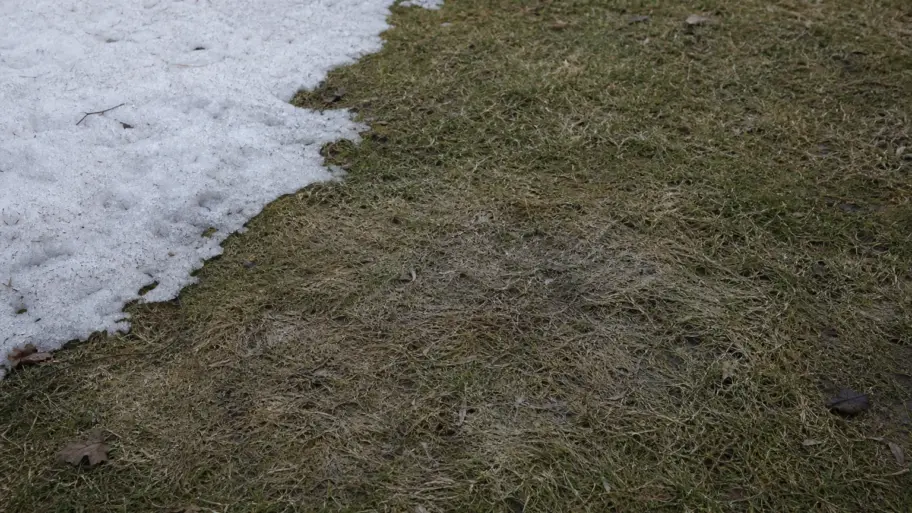
In early March, the edge of a snowbank can reveal a lawn that looks as if it has been badly stored. The grass is flattened into pale circles. Some blades are glued together in a papery crust. In the dampest places, fine gray-white threads stretch across the surface like cobwebs laid down overnight. Spiders are not the only explanation. Those…

Read more about Those cobwebs beneath melting snow may be snow mold

Where earthworms go when the ground freezes

Where earthworms go when the ground freezes

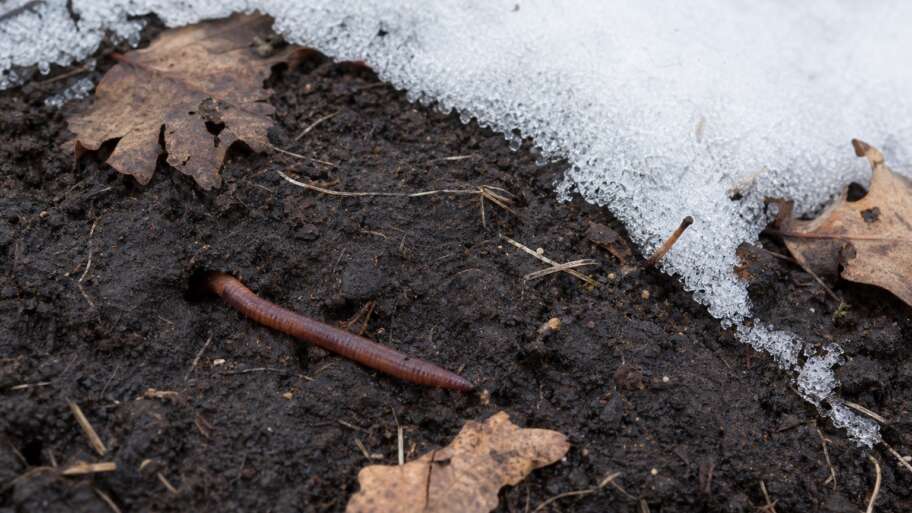
On a mild February afternoon, the garden can open in narrow strips. Snow pulls back from the south side of a bed. The soil beneath it is dark and glossy, last autumn’s leaves are pressed flat, and a few small casts sit at the mouth of holes that were invisible the day before. The ground looks paused, but the evidence…

Read more about Where earthworms go when the ground freezes

Why cut tulips keep moving in the vase

Why cut tulips keep moving in the vase

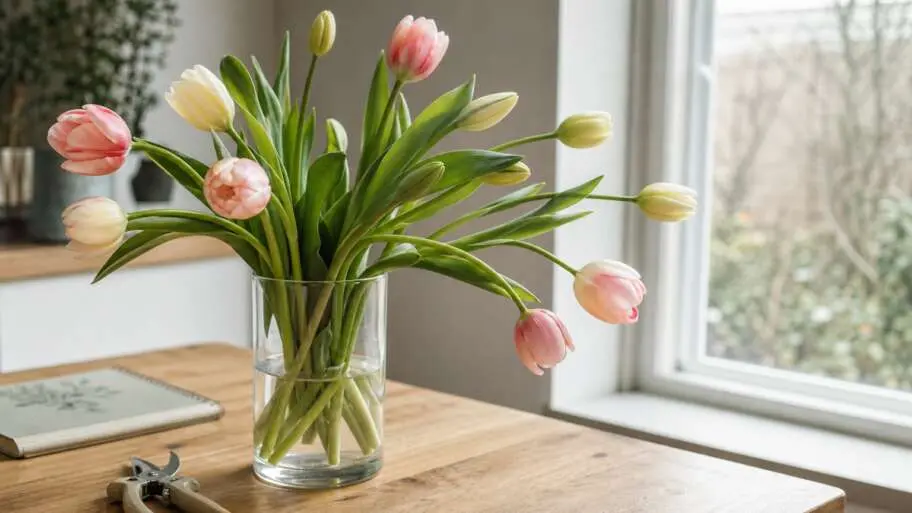
A vase of tulips rarely stays where you put it. Arrange it in the evening and the stems may look composed: upright enough, tidy enough, each flower holding its own small cup of color. By the next morning, one bloom has leaned toward the window, another has climbed above the rest, and a third has made a soft curve over…

Read more about Why cut tulips keep moving in the vase

Why rhododendron leaves curl in the cold

Why rhododendron leaves curl in the cold

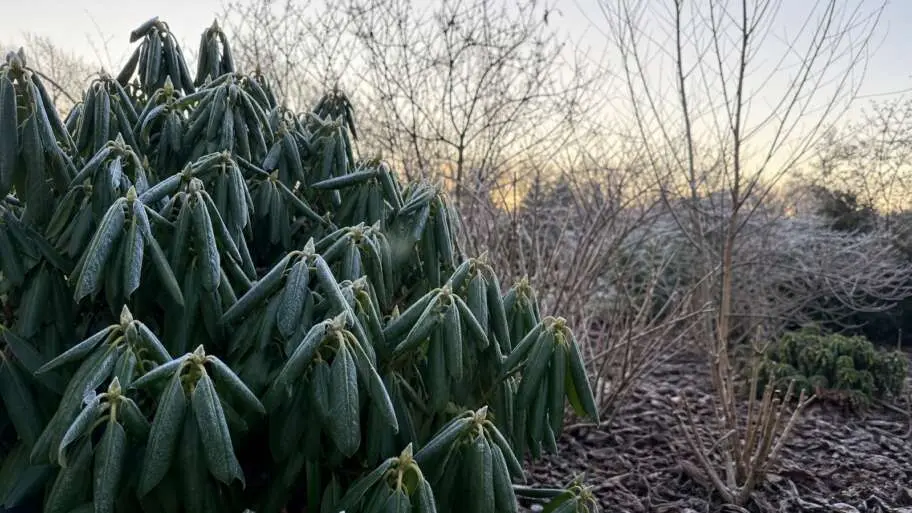
On a January morning, a rhododendron can look as if it has lost its nerve. Yesterday the leaves were broad, glossy, and almost tropical in their confidence. Today they hang like narrow green cigars, each one drooping from the twig and curled along its length as if the whole shrub has tightened itself against the cold. It is an alarming…

Read more about Why rhododendron leaves curl in the cold

The brown dots under fern leaves are not pests

The brown dots under fern leaves are not pests

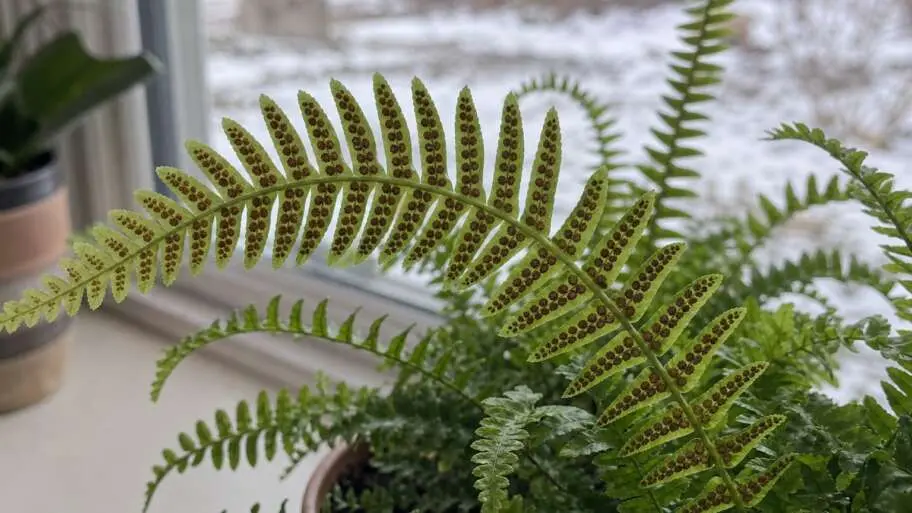
On a January windowsill, a fern can look like the most innocent plant in the house. Green fronds, soft shadows, a pot that asks mostly for humidity and restraint. Then you turn one frond over and find rows of brown dots underneath. They can look alarming if you were not expecting them. The dots may be round, rusty, tan, black,…

Read more about The brown dots under fern leaves are not pests

Why fruit trees count winter before they bloom

Why fruit trees count winter before they bloom

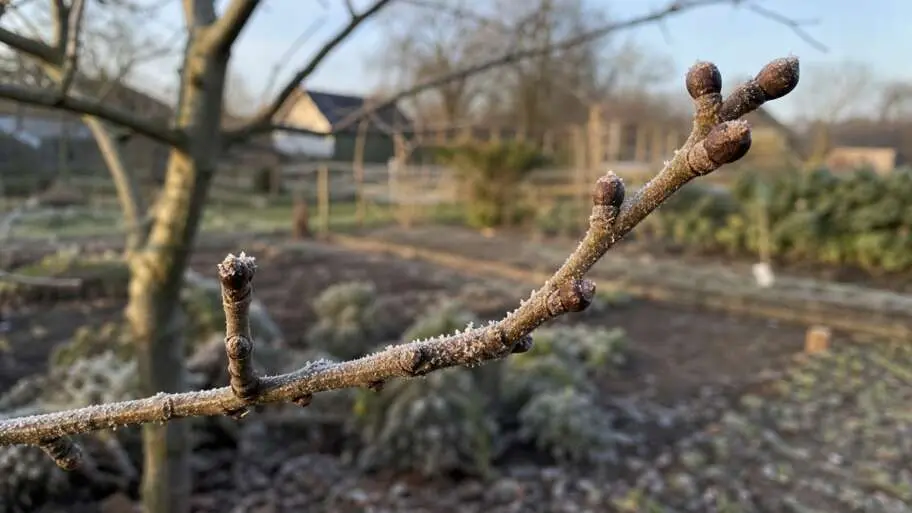
On a cold January morning, a fruit tree can look almost empty. The leaves are gone, the grass is flattened, and the branch tips seem to be holding nothing more interesting than brown dots. It is easy to walk past an apple, peach, plum, cherry, pear, or blueberry and think the garden has become a diagram of waiting. But those…

Read more about Why fruit trees count winter before they bloom

The green thief in the winter tree

The green thief in the winter tree

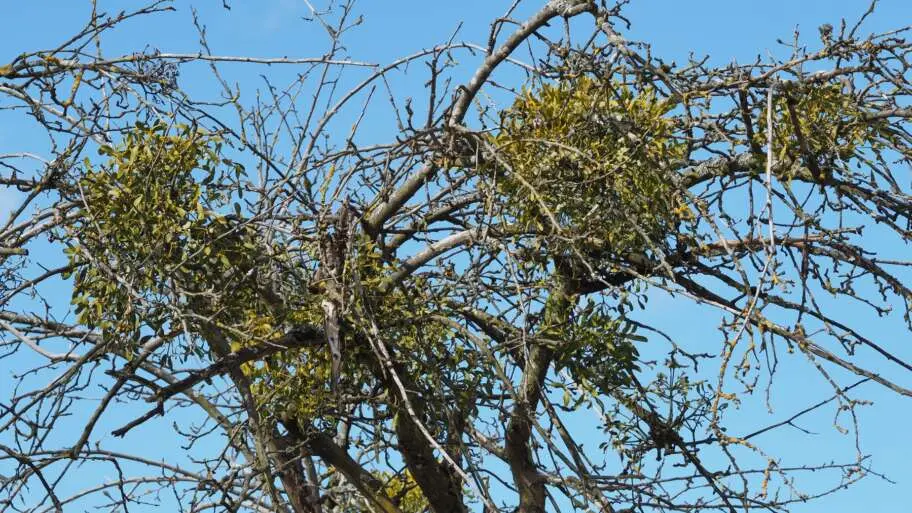
By the last morning of the year, a deciduous tree has usually stopped pretending. The leaves are gone. The soft green noise of summer has fallen away. Every fork, scar, old pruning cut, and awkward branch angle is suddenly visible against the winter sky. That is when the green clump looks most suspicious. High in an apple, poplar, maple, hawthorn,…

Read more about The green thief in the winter tree