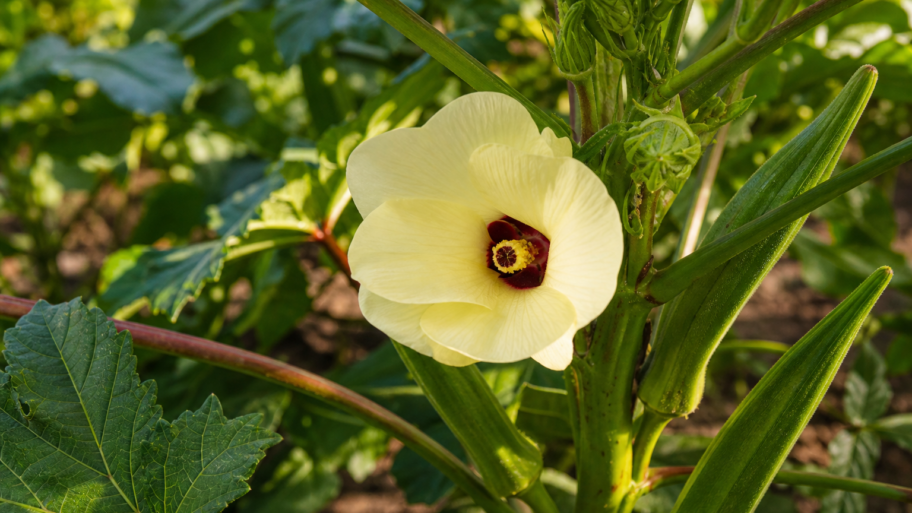

Okra’s yellow flowers are not a decorative accident. They reveal the plant’s mallow-family kinship with hibiscus and explain why a late-summer vegetable can feel ornamental while still producing a serious harvest.
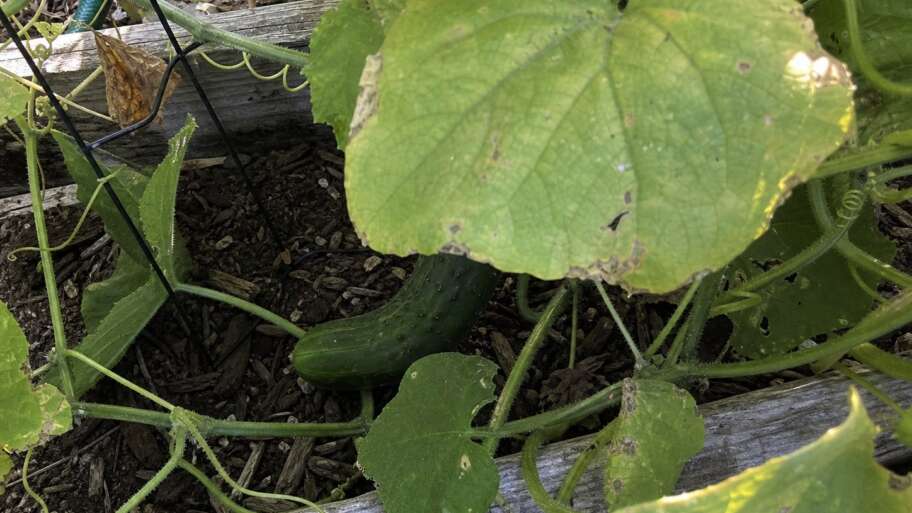
A bitter cucumber is one of August’s sharper disappointments. The vine looks vigorous. The fruit is firm, green, and cool in the hand. Then the first slice tastes less like summer and more like warning. The flavor can seem mysterious because the fruit may look perfectly healthy. There is no rot, no obvious disease, no insect tunnel, no sunken scar.…
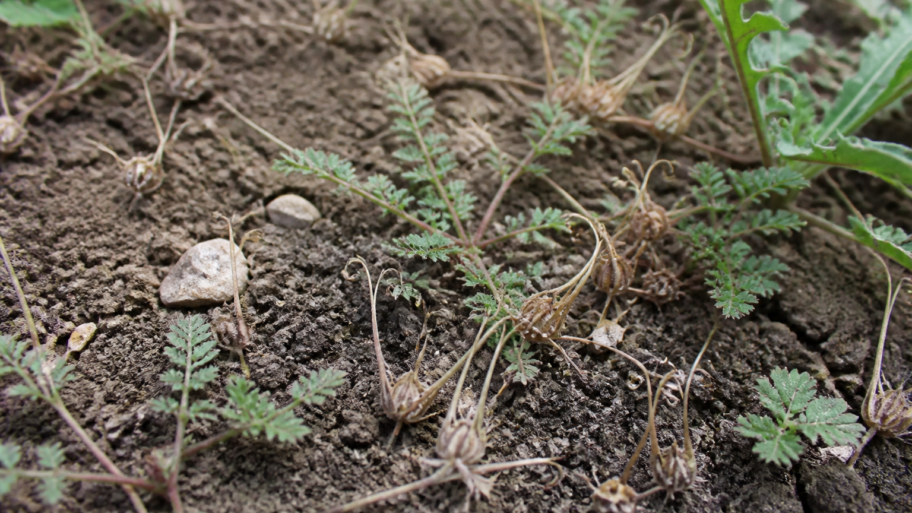
By August, a garden begins to show its small machines. Bean pods dry and tighten. Poppy capsules rattle. Grass heads turn from green brushwork to brittle combs. And in the low, often overlooked places, a stork’s-bill or filaree may be preparing a trick so precise that it looks less like seed dispersal and more like a tiny hand tool. The…
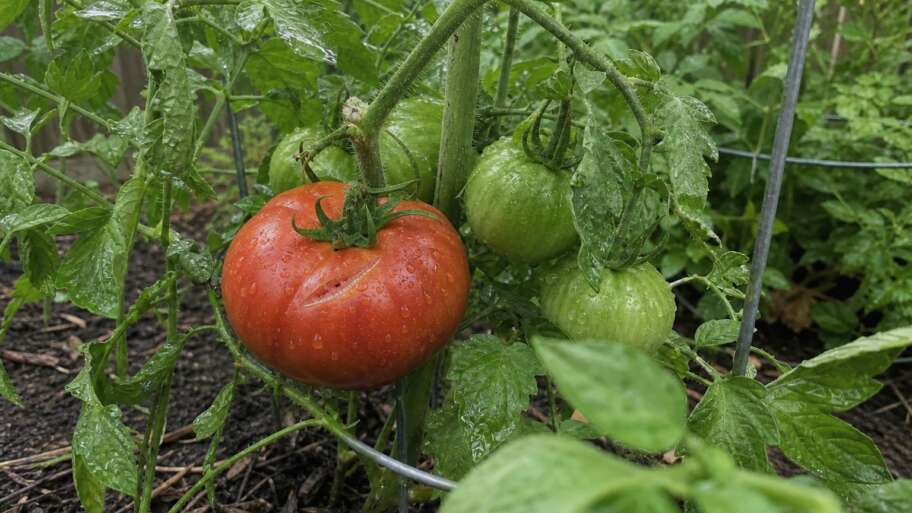
A split tomato has a disappointing kind of drama. Yesterday it was almost perfect, heavy on the vine and beginning to color. Then a night of rain passes through, the garden smells rich and washed, and the tomato is suddenly open along one side, its skin pulled apart like a seam that could not hold. It can feel like rot,…
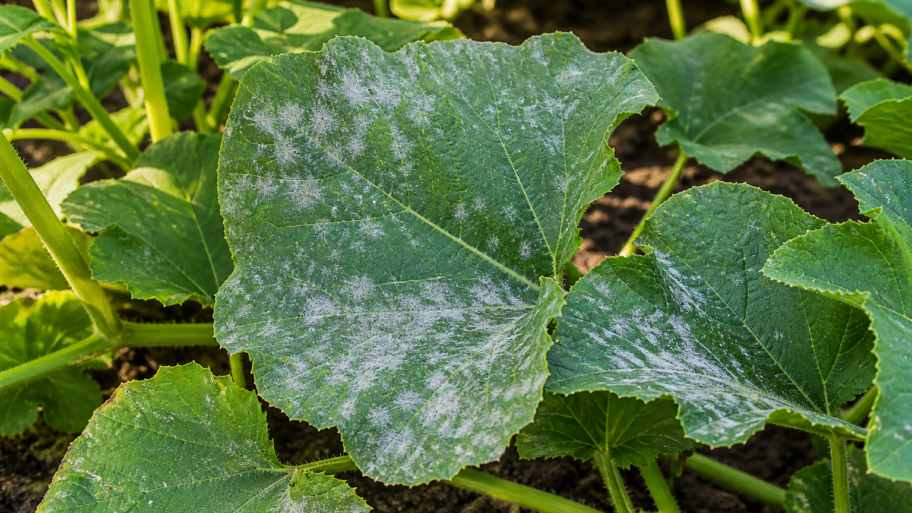
Powdery mildew often arrives looking almost harmless. A squash leaf that was green yesterday appears dusted with flour. A phlox stem has a pale bloom on its upper leaves. The cucumber patch still looks productive, the zinnias are still bright, and yet the garden has acquired a strange white weather of its own. The first instinct is usually to blame…
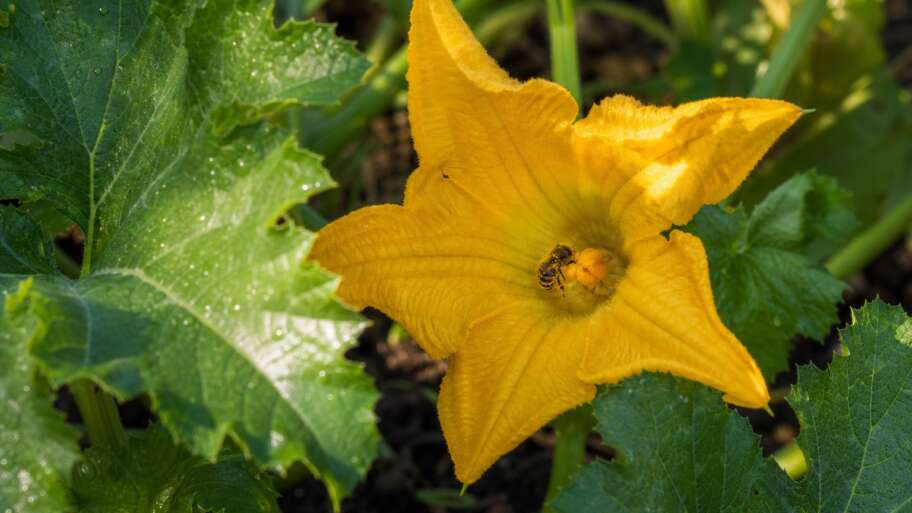
A squash blossom is not a flower that lingers. It opens like a little lantern in the cool part of the morning, spends its best hours in the company of bees, and by afternoon begins to fold, soften, and give itself back to the plant. If you walk the vegetable garden at breakfast, the flowers look generous. If you wait…
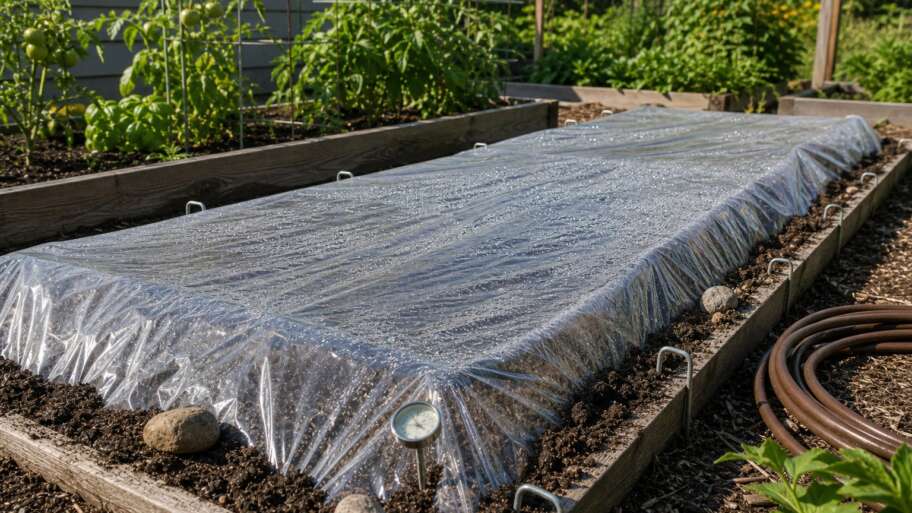
Soil solarization is gardening’s most disciplined use of a hot spell. Instead of fighting July heat, you borrow it. A bed is watered deeply, covered tightly with clear plastic, and left under the sun until the upper soil becomes hot enough to weaken weeds, weed seeds, some soilborne diseases, and certain pests. It looks almost too simple: bare soil, plastic,…
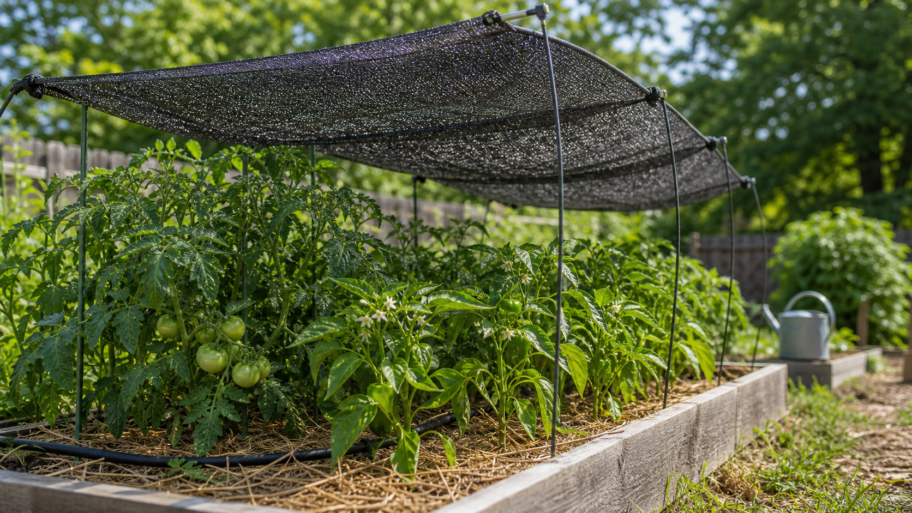
Gardeners are taught to chase sun. Six hours for tomatoes, full sun for peppers, the brightest bed for basil, the open border for flowers that sulk in shade. This is good advice until it is not. By mid-June, especially in a heat wave, full sun can stop being a gift and become an argument the plant is losing. Shade cloth…