
The quiet maps on tree bark

The quiet maps on tree bark

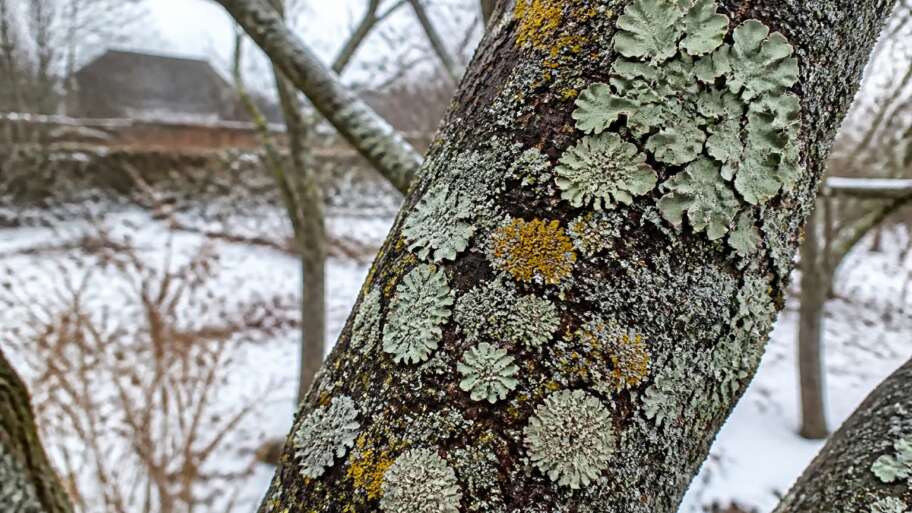
January makes tree bark readable. The leaves are gone, the herbaceous border has collapsed into stems and seed heads, and the garden has stopped distracting us with flowers. What remains is quieter but not empty: twigs, buds, bark plates, old pruning cuts, and pale islands of green, gray, yellow, and blue-green spreading across trunks like weather maps. Those patches are…

Read more

What winter buds are hiding

What winter buds are hiding

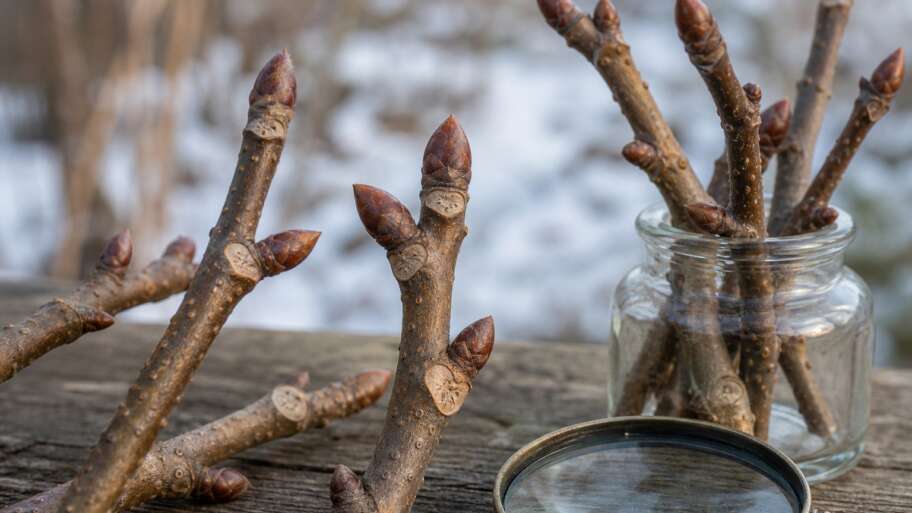
In January, a deciduous shrub can look as if it has been reduced to punctuation: lines, dots, scars, angles, and small brown commas at the tips of twigs. The leaves are gone. The flowers are months away. The garden seems to have removed every clue except shape. Look closer. A bare twig is not empty. It is labeled. Every bud…

Read more

Why red-twig dogwood glows in winter

Why red-twig dogwood glows in winter

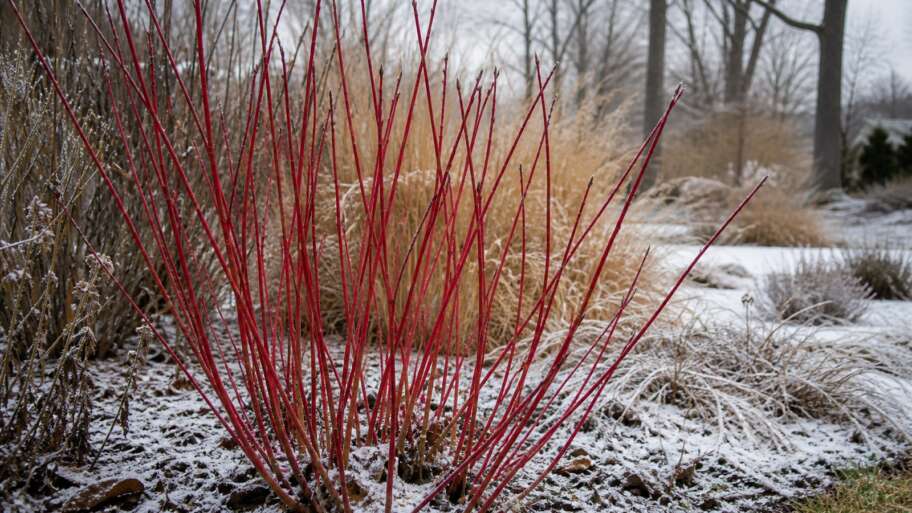
On the last day of the year, a garden can look as if it has been reduced to essentials. Soil, bark, seed heads, paths, the quiet architecture of shrubs. Then a stand of red-twig dogwood catches the low light and refuses to behave like background. The stems are leafless, but they are not dull. They burn red against snow, frost,…

Read more

The trees that keep their dead leaves

The trees that keep their dead leaves

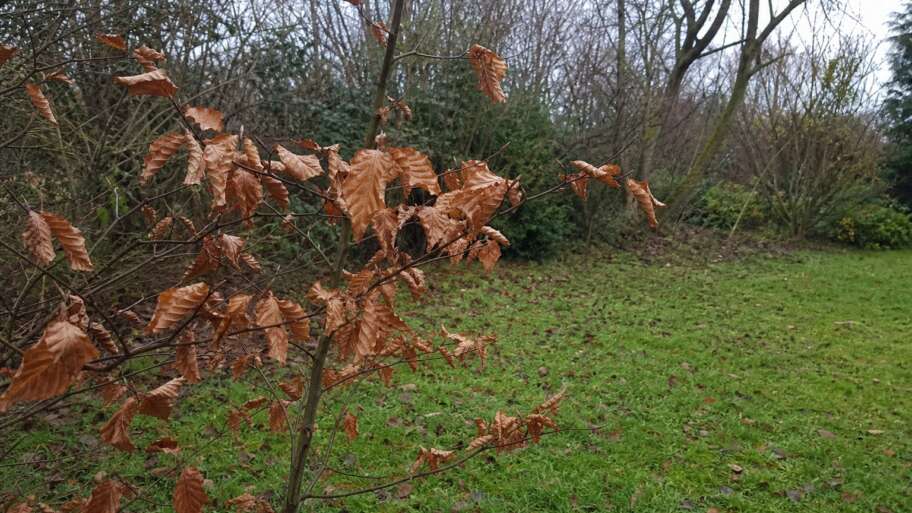
By November, most deciduous trees have become honest silhouettes. The maple has emptied itself. The serviceberry is bare. The birch has given its leaves to the path. Then, at the woodland edge or in a young hedge, a beech or oak still stands with dry copper leaves clinging to every twig, rattling softly whenever the wind moves through. It can…

Read more