
Why witch hazel blooms in the cold

Why witch hazel blooms in the cold

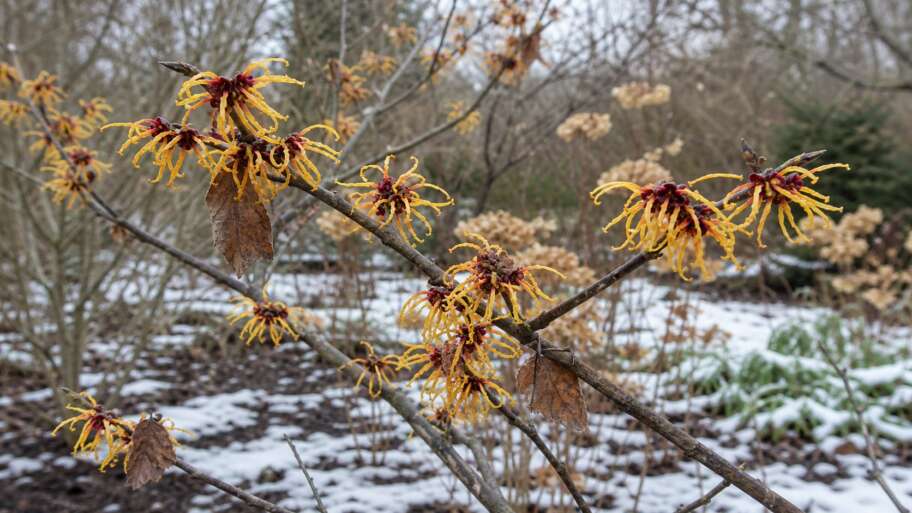
In January, a flowering shrub can feel almost unreasonable. The garden is mostly structure: bark, seed heads, mulch, stone, the green insistence of evergreens. Then witch hazel opens on bare wood. Its flowers do not arrive as soft spring cups or summer trumpets. They arrive as thin ribbons, yellow or copper or red, curling and uncurling in the cold like…

Read more

What snow does for a sleeping garden

What snow does for a sleeping garden

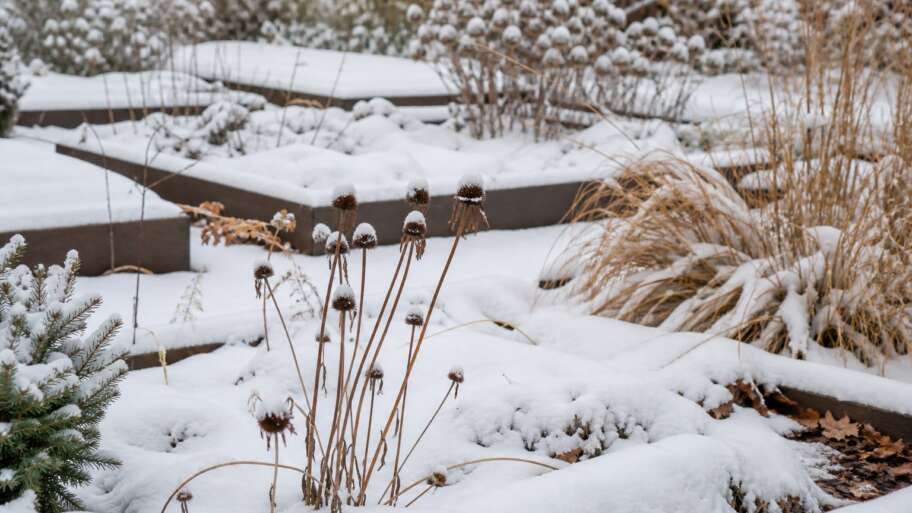
By mid-December, a garden can vanish in the night. Paths soften, beds lose their edges, and the seed heads that looked architectural in November become little dark punctuation marks above a white page. Snow seems to simplify everything. It hides the unfinished jobs, the uncut stems, the fallen leaves that escaped the rake, and the soil you meant to mulch…

Read more

How evergreens stay green in winter

How evergreens stay green in winter

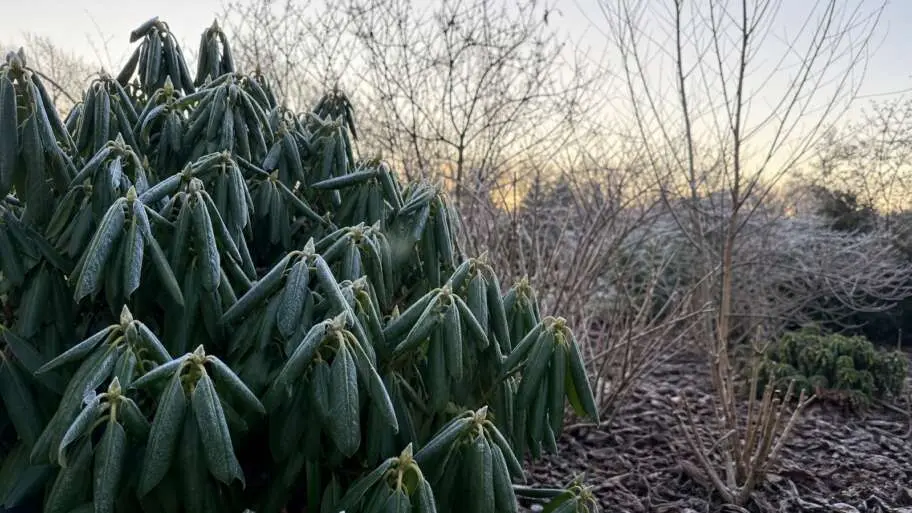
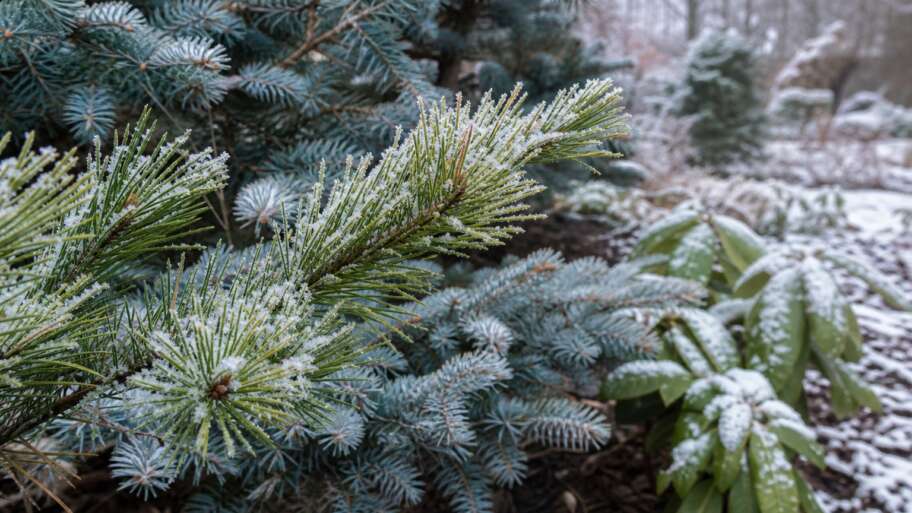
In December, a garden becomes very honest. The flowers have stopped covering weak structure. Herbaceous stems have collapsed or turned to seed. Deciduous trees have taken their color down to bark, bud, and branch. Then the evergreens begin to look almost improbable: pine, spruce, yew, holly, boxwood, rhododendron, juniper. They stand in the cold with leaves still attached, as if…

Read more

When winter lifts plants out of the ground

When winter lifts plants out of the ground

A November garden can look settled after the first hard frosts. The stems have gone quiet. Leaves are pressed flat by rain. The soil darkens, firms, and seems to have closed the season. Then, one morning, a perennial appears to be sitting too high, its crown pushed above the bed as if the ground has exhaled underneath it. This is…

Read more

Sleeping Seeds: How Cold Stratification Wakes a Spring Garden

Sleeping Seeds: How Cold Stratification Wakes a Spring Garden

Some seeds are not waiting for a warmer windowsill. They are waiting for proof that winter has happened. That is the quiet genius of cold stratification. In the wild, many temperate plants drop seed in late summer or autumn, then ask those seeds to endure weeks of cold, damp weather before they are allowed to germinate. It is a survival…

Read more