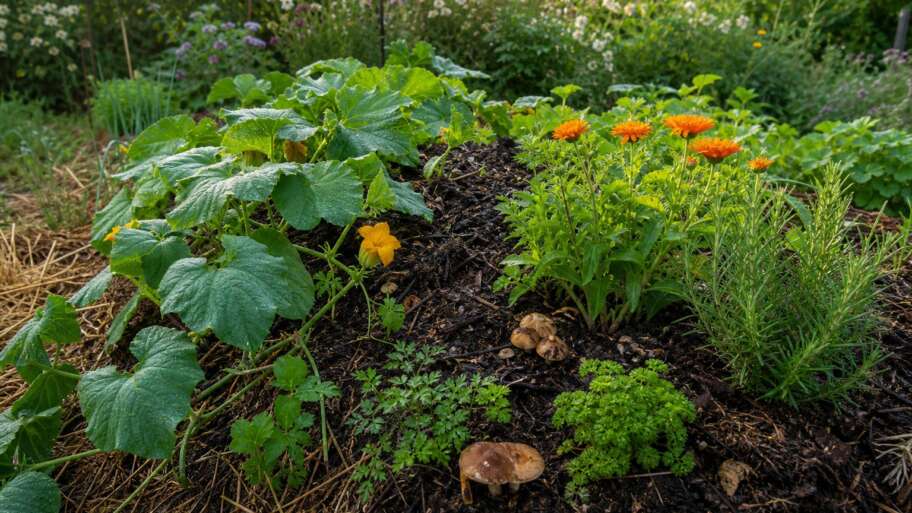
A fact-checked guide to hugelkultur beds: how to use buried wood, soil, mulch, water, and seasonal adjustment without turning the mound into a garden myth.
Read more about How hugelkultur works best when it behaves like soil

A fact-checked guide to hugelkultur beds: how to use buried wood, soil, mulch, water, and seasonal adjustment without turning the mound into a garden myth.
Read more about How hugelkultur works best when it behaves like soil
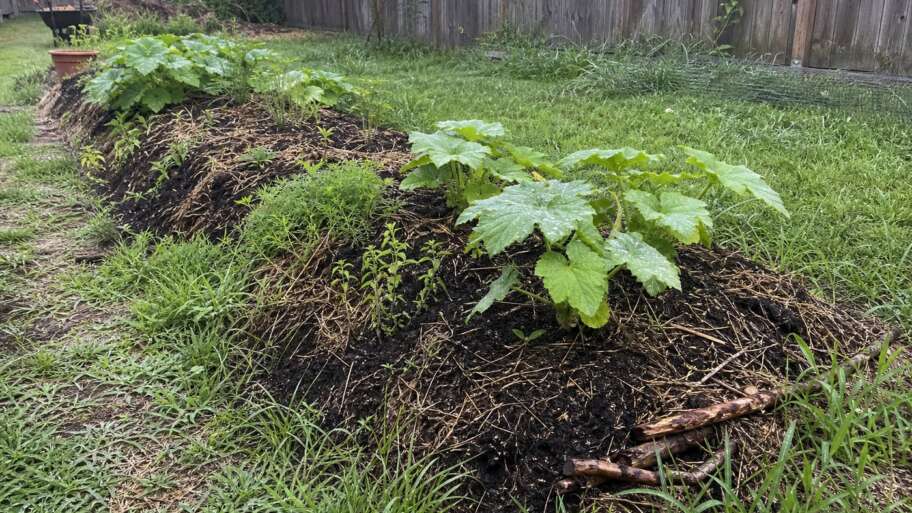
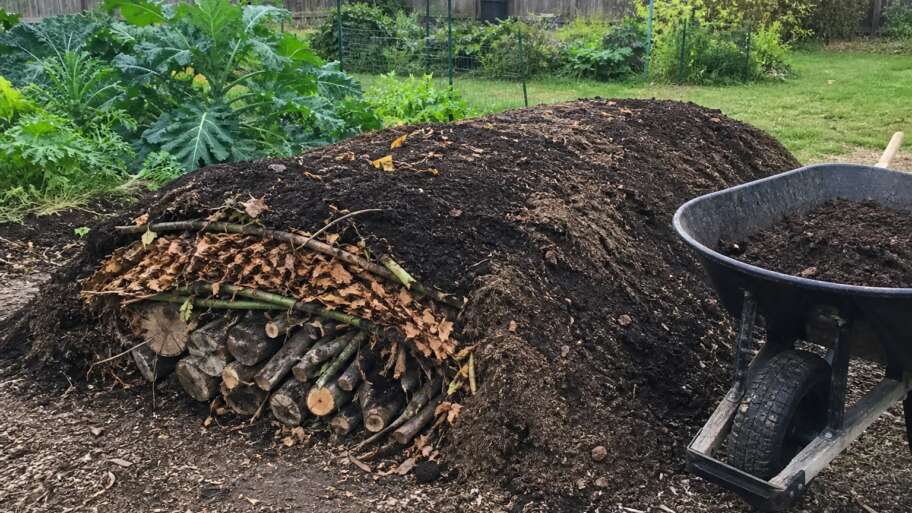
Hugelkultur works best when it is tuned after the logs are buried: fill settling pockets, feed the soil cap, mulch the slope, water by zone, and treat the mound as a living bed rather than a finished monument.
Read more about How to tune a hugelkultur bed after the logs are buried
Hugelkultur is usually described as a raised bed built over buried wood. Logs, branches, leaves, compost, and soil are arranged into a mound, then planted. The promise is appealing: recycle woody debris, hold moisture, and feed the soil as the wood decays. The useful idea is real. The mythology around it needs pruning. Washington State University Extension defines hugelkultur as…
Read more about Hugelkultur 101, with fewer myths and better soil sense
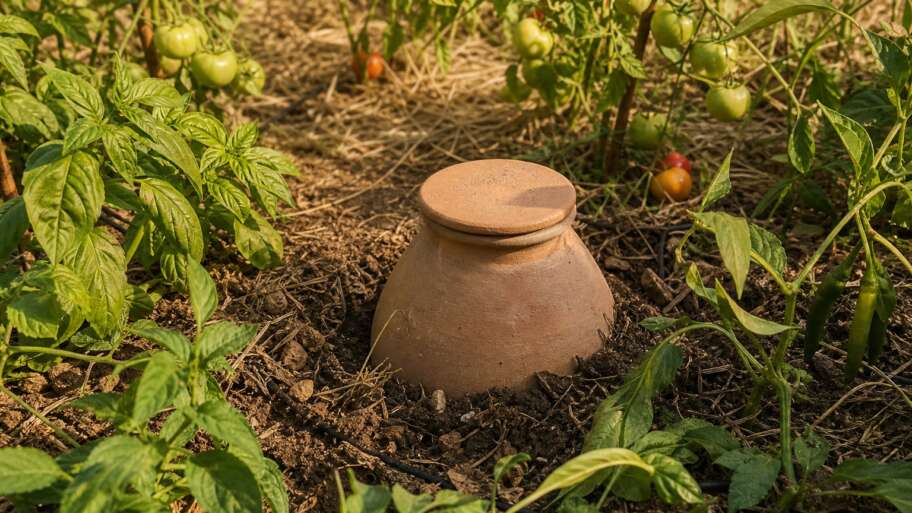
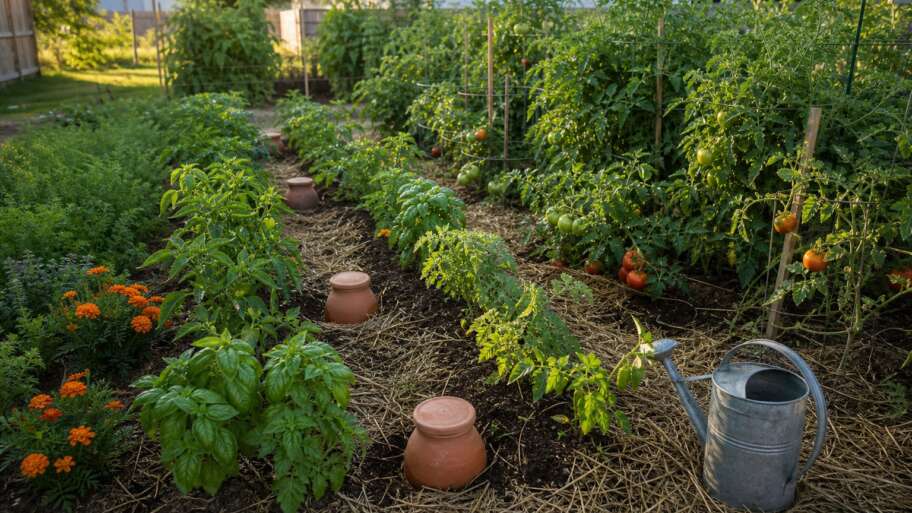
Ollas deserve their quiet reputation. A buried unglazed clay pot can water a small root zone slowly, below the soil surface, with very little equipment. That is useful. It is also easy to exaggerate. The best way to use an olla is to treat it as a practical irrigation tool, not as a spell against drought. University of Arizona Cooperative…
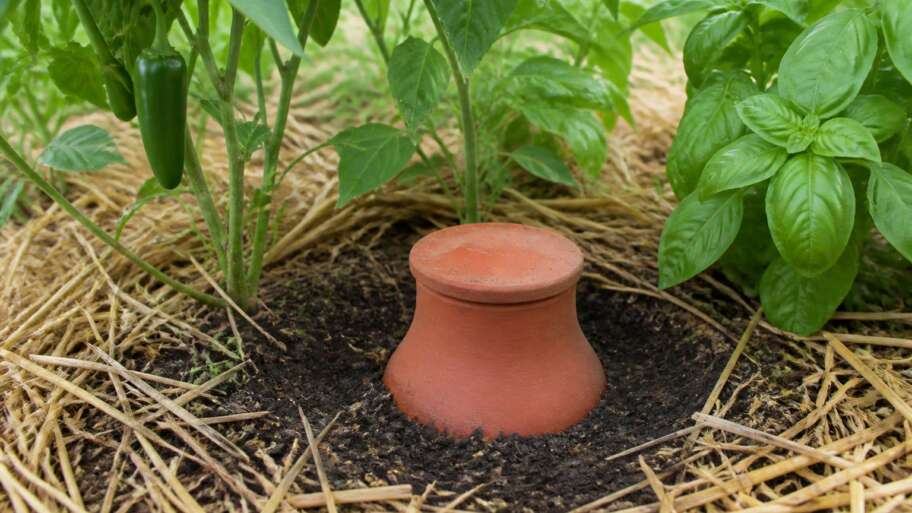
Olla irrigation looks almost too simple to explain. A clay pot is buried in the soil, filled with water, and covered. The garden seems to water itself. But the quietness is the point. The system works because porous clay, soil moisture, and plant roots create a local gradient that changes as the soil dries and wets. University of Arizona Cooperative…
An olla is a humble irrigation device: an unglazed clay vessel buried in soil, filled with water, and covered. Its usefulness comes from the material. Water can pass slowly through the pores of unglazed clay, entering the soil close to roots instead of wetting paths, leaves, and every empty patch between plants. The method is old, low-tech, and still sensible…
Read more about Olla irrigation, from clay pot to garden habit
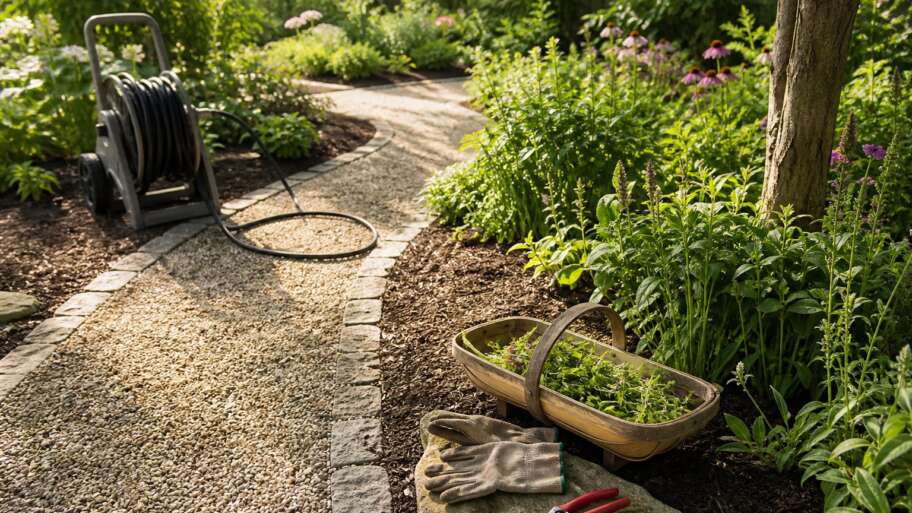
Fast garden maintenance should not feel like a raid on your own yard. The best version is quiet, regular, and slightly boring: a few weeds before they seed, a watering check before plants collapse, a path edge before it disappears, and a small repair before it becomes a weekend. Clemson Extension notes that no landscape is maintenance-free, but good planning,…
Read more about How to make garden maintenance faster without making it frantic
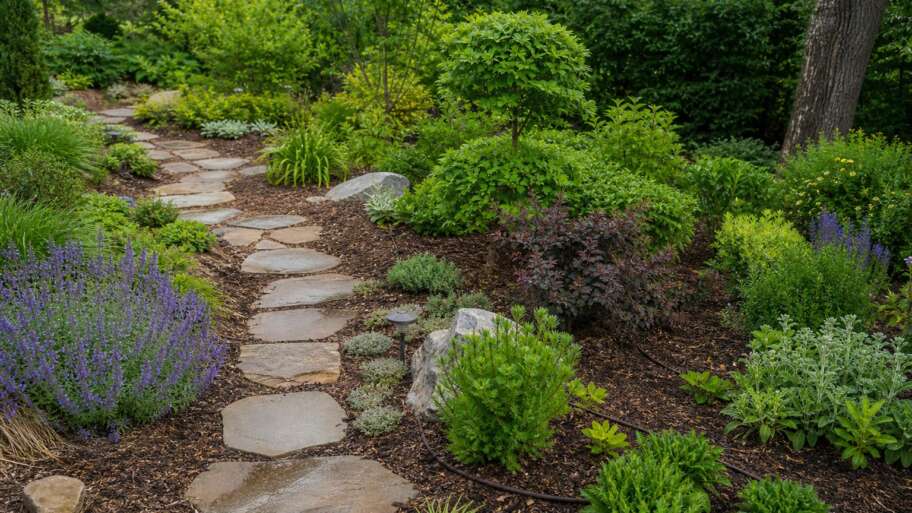
A lush landscape does not have to be a high-maintenance one. The secret is not finding plants that never grow, weeds that never germinate, or irrigation that reads your mind. The secret is designing density, water, access, and plant choice so the garden spends less time in crisis. Clemson Cooperative Extension is direct about the premise: no landscape is maintenance-free,…
Read more about A lush landscape that does not eat the weekend
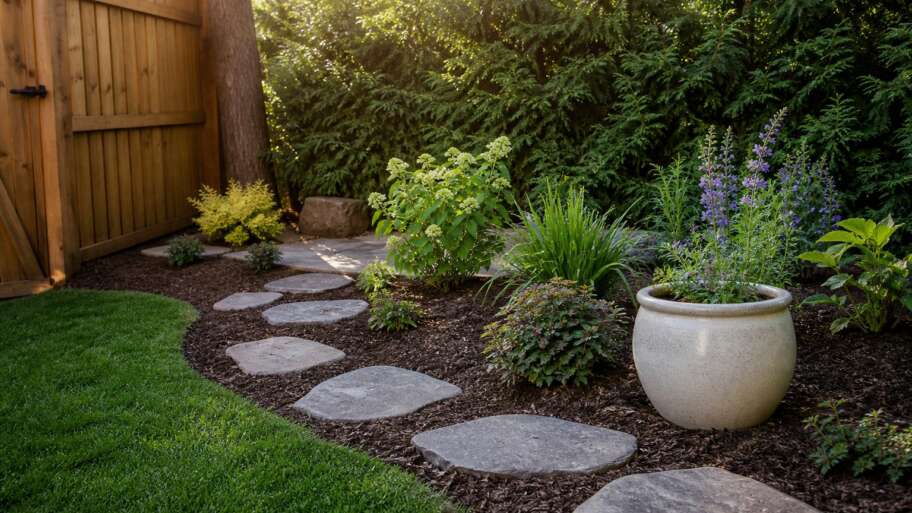
A quick garden makeover is possible. A mature garden is not. That difference matters. You can clean a line, mulch a bed, add containers, set a path, plant a few strong shrubs, and make a tired corner feel intentional in a weekend. What you cannot do is skip establishment, root growth, soil correction, and seasonal adjustment. Clemson Extension explains that…
Read more about A quick garden makeover that still has roots
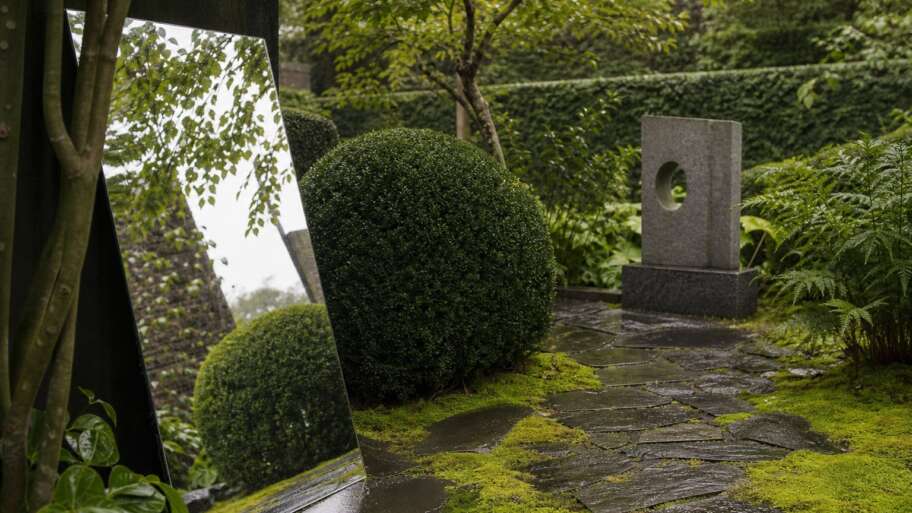
A surrealist garden is easy to imagine and harder to maintain. Mirrors, odd thresholds, tilted objects, clipped forms, unexpected scale, and dreamlike plantings can make a small space feel charged with possibility. Then leaves fall into the reflective pool, a vine eats the sculpture, and the mossy path becomes slick enough to argue with your ankles. Surrealism itself was never…
Read more about Keeping a surrealist garden alive after the dream