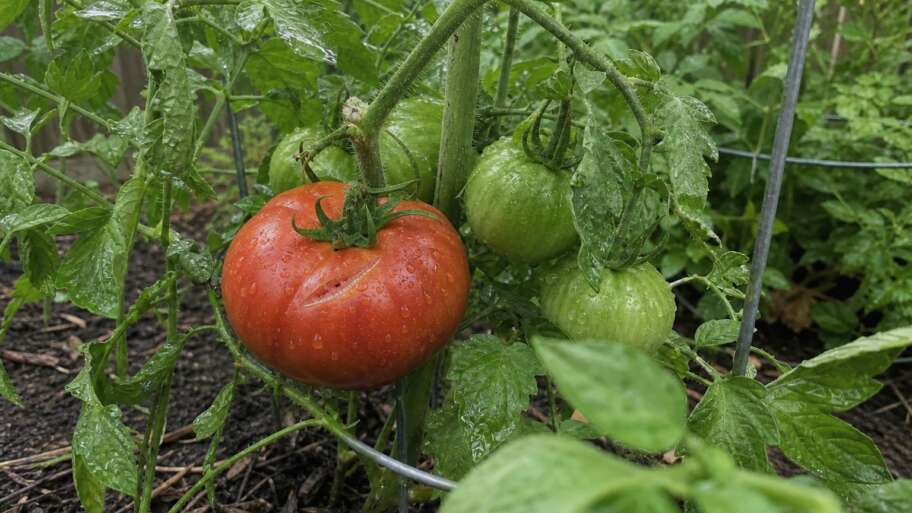

A split tomato has a disappointing kind of drama. Yesterday it was almost perfect, heavy on the vine and beginning to color. Then a night of rain passes through, the garden smells rich and washed, and the tomato is suddenly open along one side, its skin pulled apart like a seam that could not hold. It can feel like rot,…
vegetable gardening
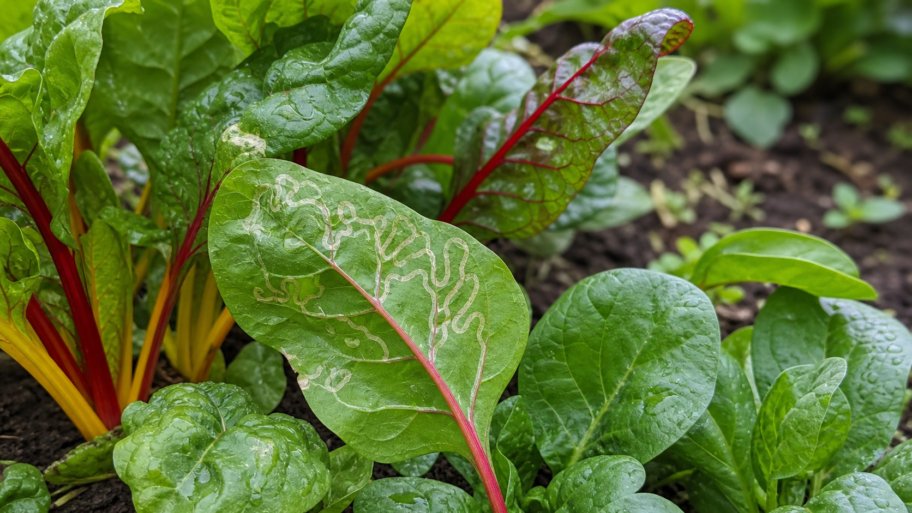
By June, a spinach leaf can begin to look as if something has been writing inside it. The surface is still mostly green, still cool from morning watering, but pale lines wander through the tissue in loose loops and narrow bends. They are too clean to be slug damage, too internal to be chewing, and too deliberate-looking to feel random.…
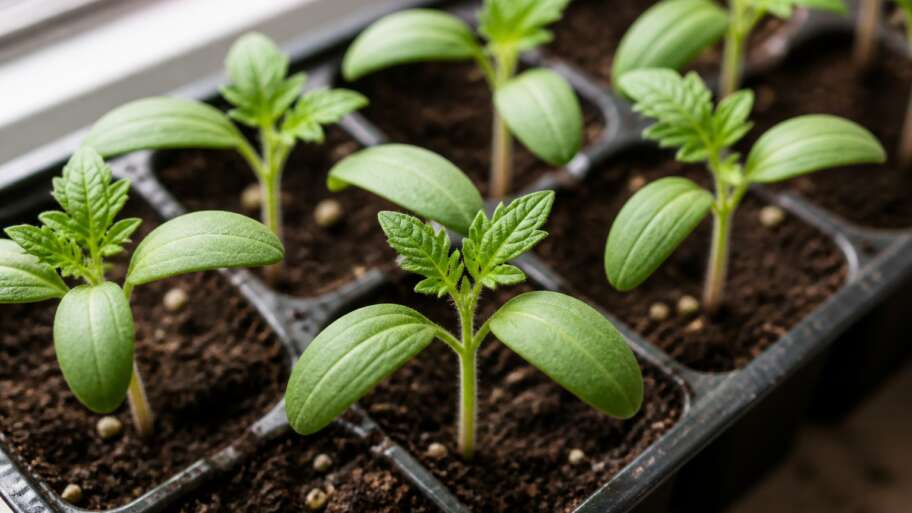
An indoor seed-starting tray can make the gardening year feel suddenly physical. One week the packets are still paper promises. The next, thin green stems are lifting paired little leaves above the mix. They are so small that it is easy to treat them as decoration. In fact, they are a working system. The first leaves on many seedlings do…
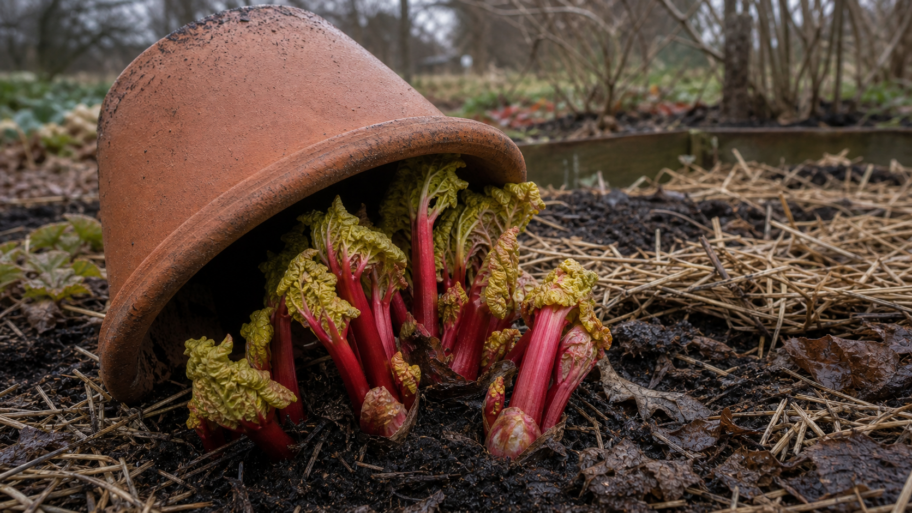
In February, a rhubarb crown can look like nothing at all. The leaves are gone, the bed is flat, and the plant seems to have retreated into a knot of roots below cold soil. Then a gardener puts a dark pot over it, waits, and finds red stems rising in the absence of light, tender and bright as if spring…
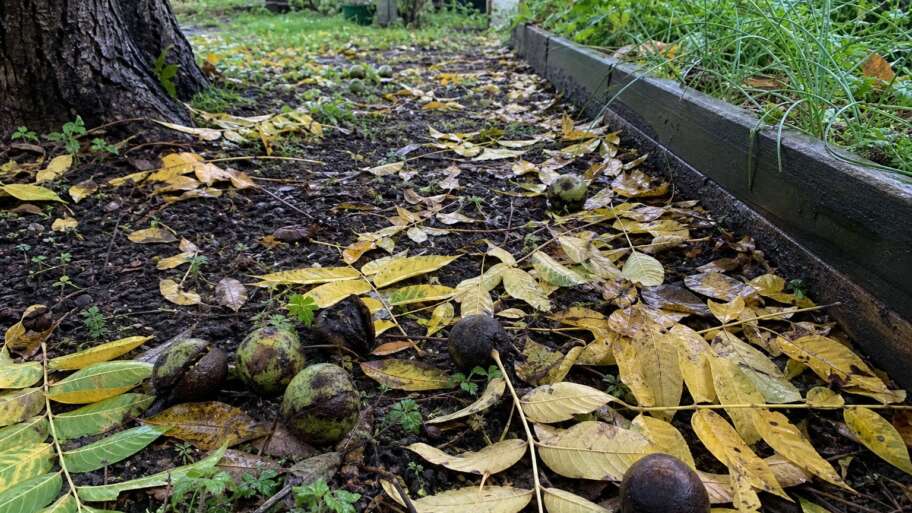
A black walnut makes itself known in October. The leaves yellow and fall in long, feathery pieces. The nuts drop with a weight you can feel through the soles of your shoes. Their green husks darken, bruise, and stain almost anything that touches them. Under the tree, the ground becomes a small map of influence: shade, roots, shells, leaflets, squirrels,…
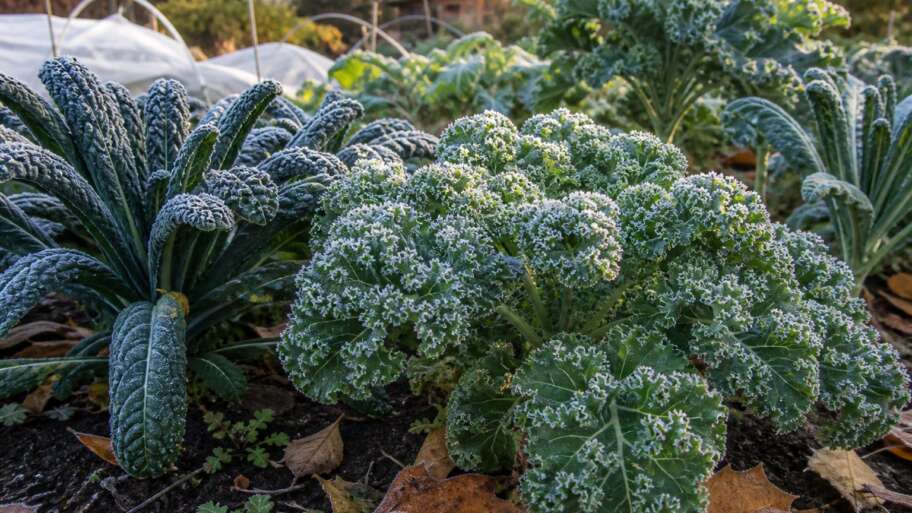
Kale looks almost theatrical after the first real frost. The leaves are darker than they were in September, their ruffled edges traced with white, their surfaces stiffened just enough to catch the low morning light. A gardener who does not know the plant might think the crop has been damaged. A gardener who has eaten from the bed before and…
By early September, a vegetable bed can look oddly exposed. The tomatoes may still be standing, but the first cleared spaces have begun to appear: a row where beans finished, a square where onions came out, the tired patch where cucumbers finally gave up. The garden is not empty, but it has begun opening little windows of bare soil. That…
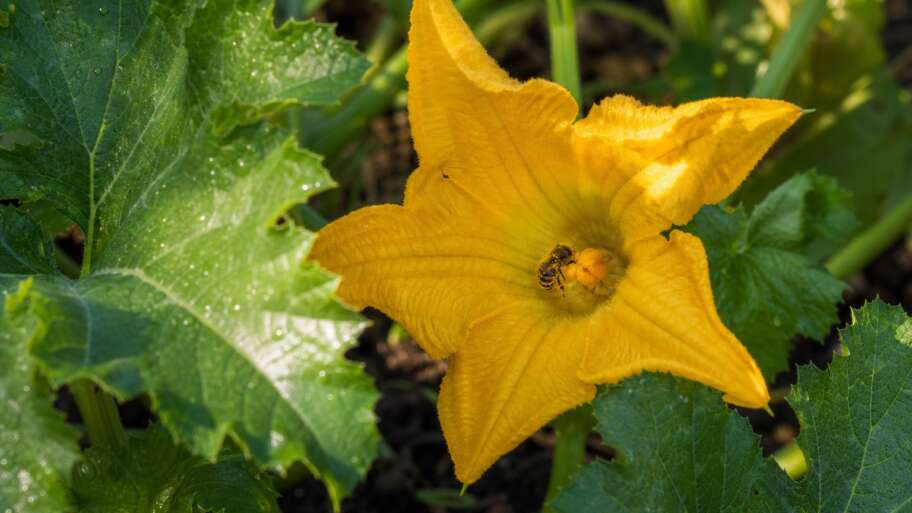
A squash blossom is not a flower that lingers. It opens like a little lantern in the cool part of the morning, spends its best hours in the company of bees, and by afternoon begins to fold, soften, and give itself back to the plant. If you walk the vegetable garden at breakfast, the flowers look generous. If you wait…
Gardeners are taught to chase sun. Six hours for tomatoes, full sun for peppers, the brightest bed for basil, the open border for flowers that sulk in shade. This is good advice until it is not. By midsummer, especially in a heat wave, full sun can stop being a gift and become an argument the plant is losing. Shade cloth…
A balcony garden is not a small backyard lifted into the air. It is its own climate: brighter or shadier than expected, windier than the street below, quick to dry, and limited by weight, drainage, rules, and reach. Once you accept that, the space becomes much easier to plant well. The best balcony gardens do not begin with a shopping…
Read more about Balcony gardening, where the sky becomes a microclimate