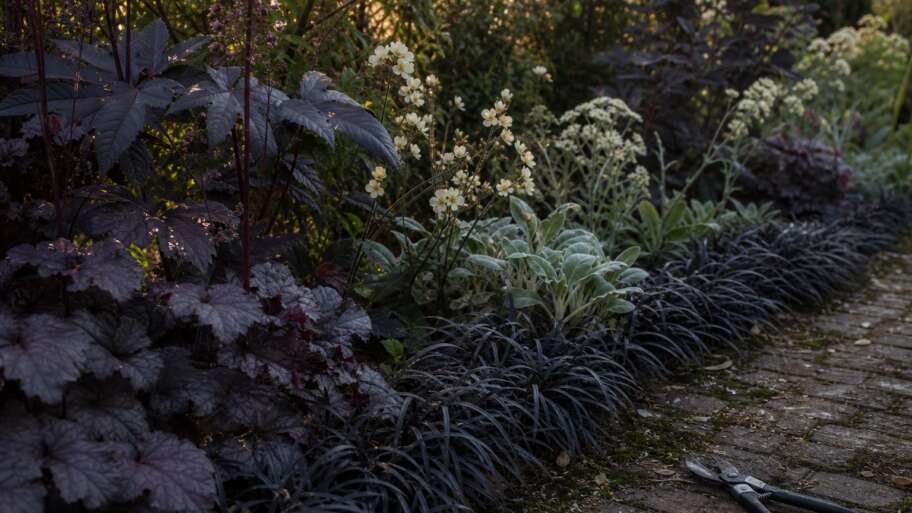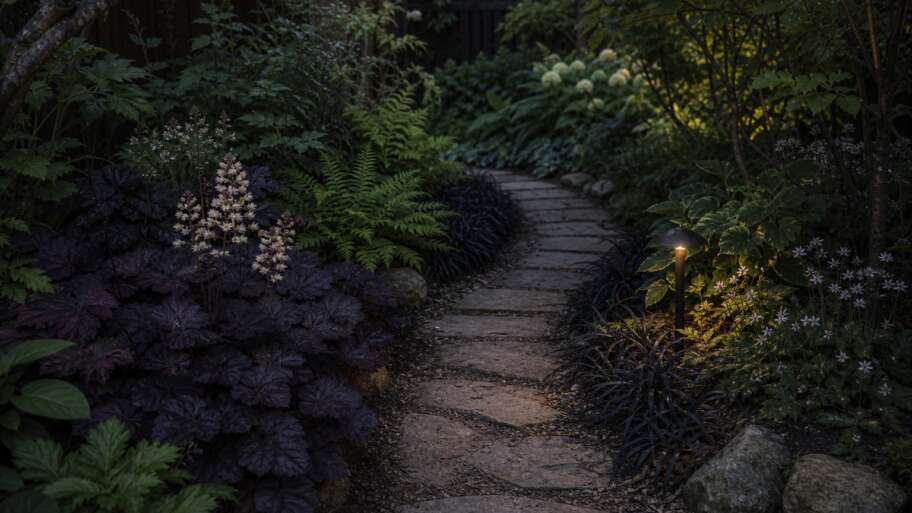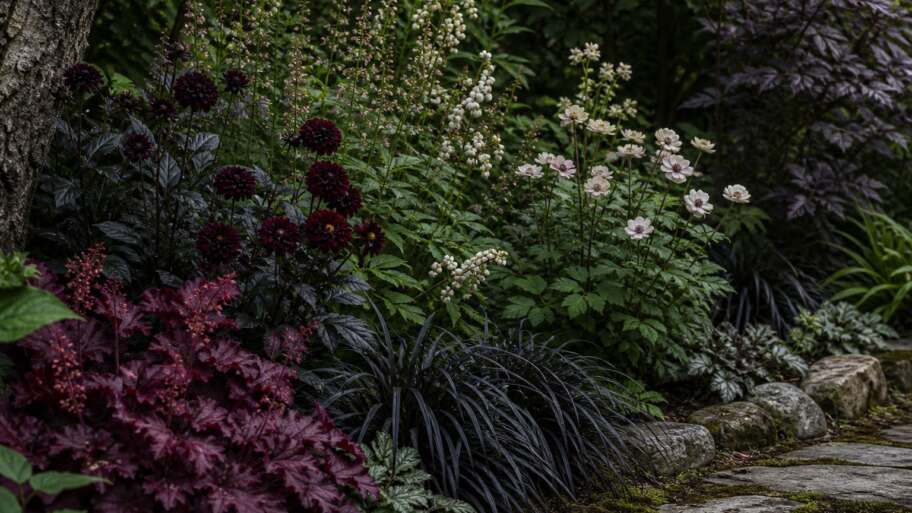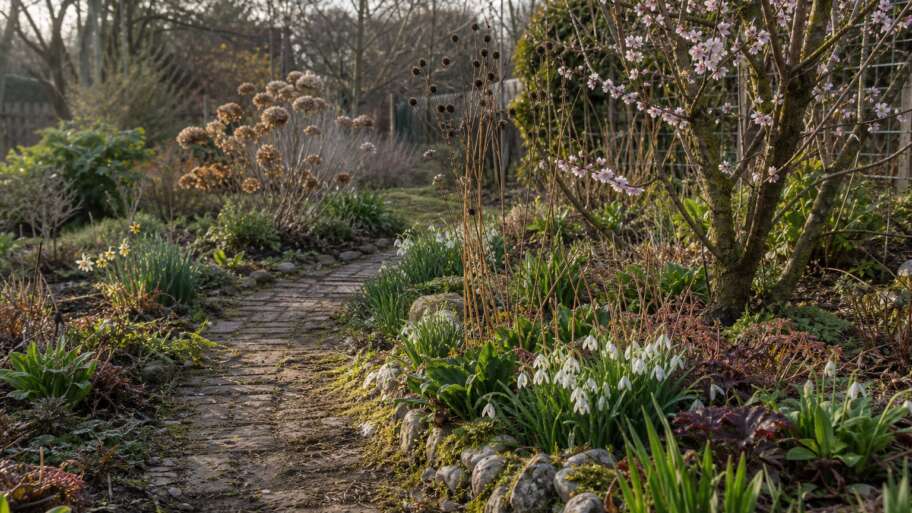

A phenology garden is a garden designed to tell time biologically. Not clock time, and not the tidy time of seed packets. It tells the time of bud swell, first flower, pollinator arrival, fruit ripening, leaf color, seed release, and dormancy. The USA National Phenology Network defines phenology as the study of timing and cyclical patterns in the natural world,…
Plant Science & Curiosities
The mechanisms and patterns behind what gardeners observe, from pollination and plant movement to unusual structures and ecological relationships.
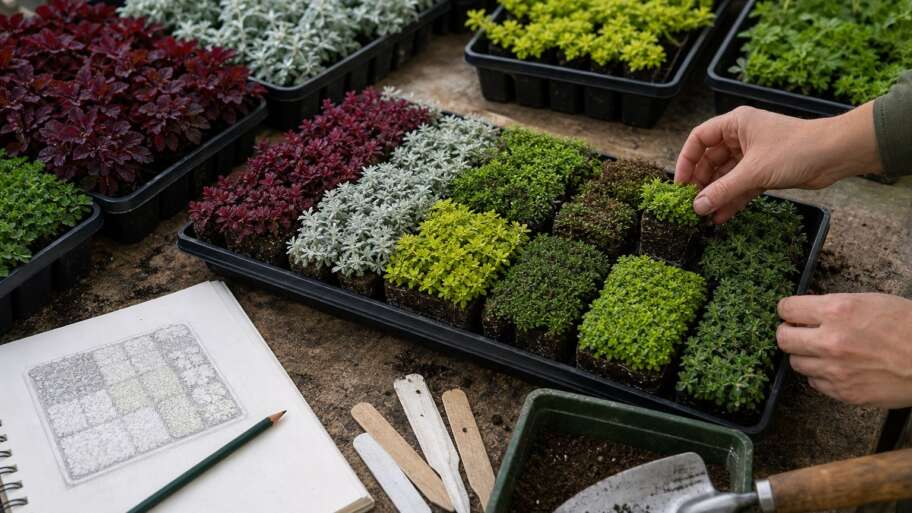
Mosaiculture works when living plants are treated as changing pixels: selected for foliage, growth rate, viewing distance, irrigation, and maintenance.
Read more about Painting with plants: how to design with plants as pixels
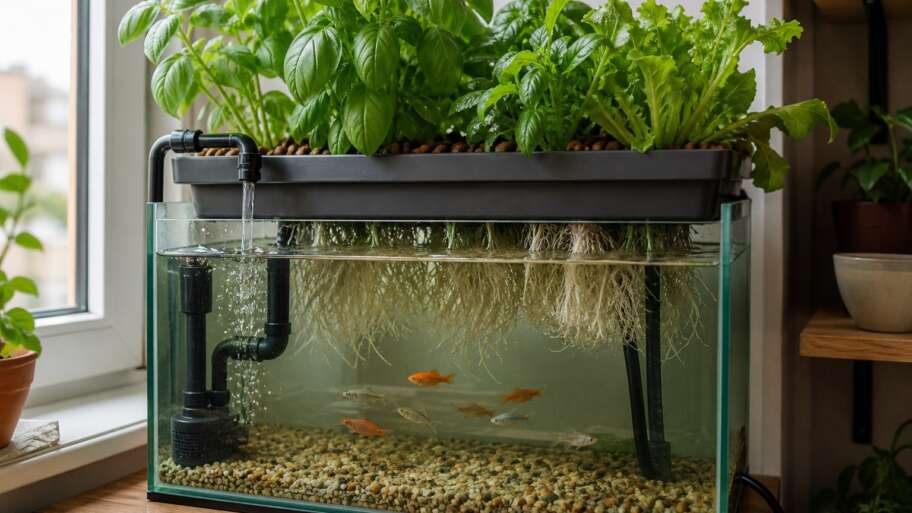
Apartment aquaponics is a living loop of fish, plants, bacteria, water chemistry, pumps, light, and patient observation.
Read more about Apartment aquaponics, with the fish and bacteria included
A very serious inquiry into what happens when painterly softness, wizardly structure, and slightly excessive lava are forced to settle a garden-design dispute.
Read more about Bob Ross vs. Gandalf in Hell’s Enchanted Garden
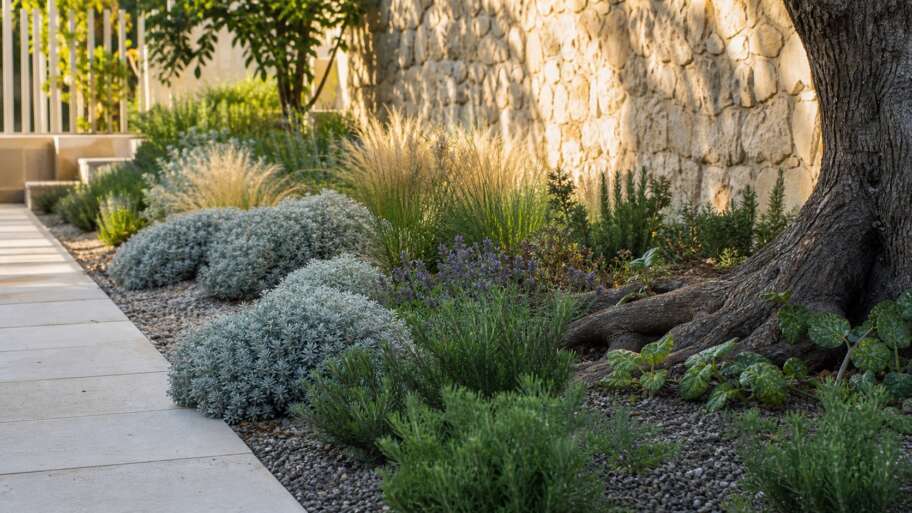
Harsh garden spots need diagnosis before drama: how heat, shade, compaction, mulch, and design principles turn difficult sites into resilient planting.
Read more about The underworld gardener’s guide to difficult sites
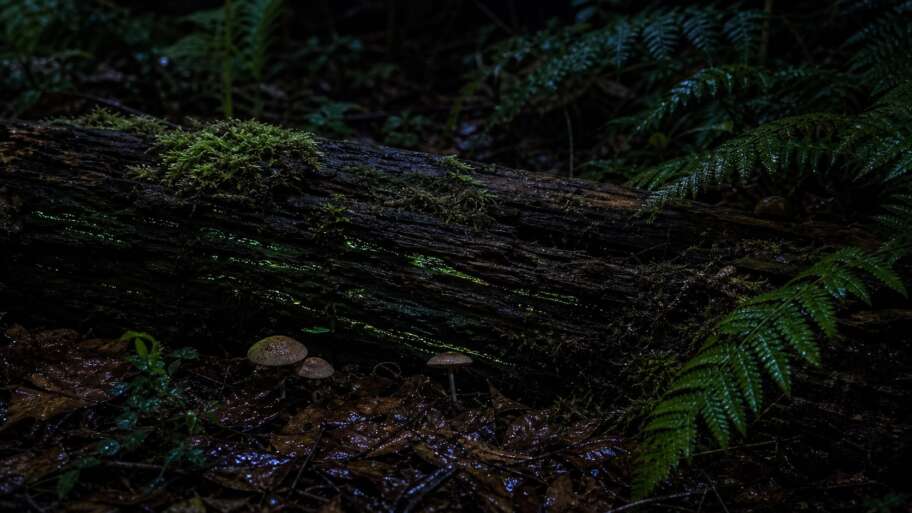
A fact-checked guide to real bioluminescent garden features: foxfire fungi, Firefly Petunias, dinoflagellate cultures, dark-sky design, moisture, and realistic expectations.
Read more about How to care for a bioluminescent garden without the fantasy
A realistic guide to designing a bioluminescent garden, with fact-checked notes on glowing fungi, marine dinoflagellates, bioluminescent petunias, dark-sky lighting, and what not to release outdoors.
Read more about Designing a Bioluminescent Garden: What Actually Works
How to give a garden a speculative, sci-fi mood with geometry, durable materials, careful planting, and wildlife-conscious night lighting.
Read more about Garden art for a sci-fi mood without fighting the plants
The most convincing alien garden is usually made from earthly plants. A pitcher plant can look like a creature. Sea holly can look forged from blue metal. Some succulents make tight geometric rosettes; allium seed heads hover like little satellites; cardoon, yucca, contorted willow, and blue fescue can all look briefly as if they have arrived from another atmosphere. The…
Read more about Alien-looking plants that still belong in real soil
A garden of Indian healing plants can hold several kinds of history at once. Tulsi leaves release a clove-like scent when brushed. Turmeric disappears below the soil and returns at harvest as a startling orange rhizome. Ashwagandha finishes the season as a small, grey-green shrub rather than the anonymous powder seen on a shop shelf. Growing these plants makes their…
Read more about Ancient India’s healing plants, with the claims kept honest