
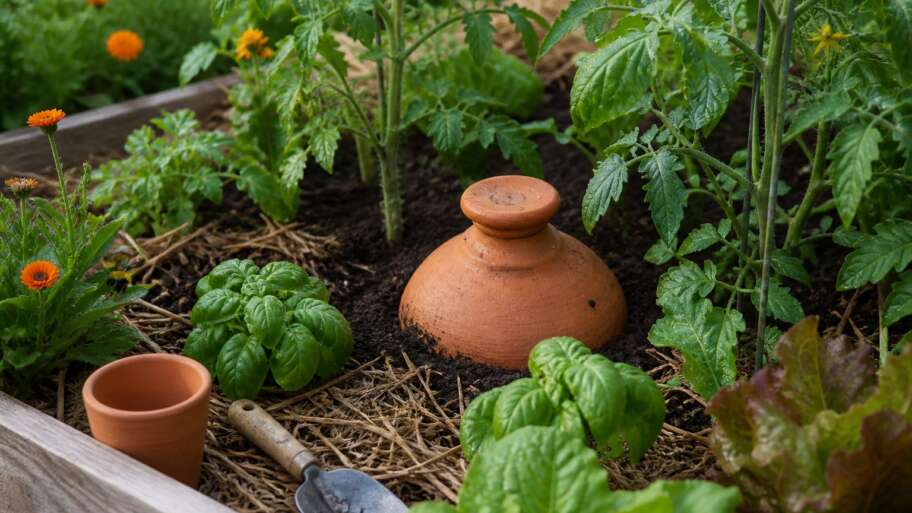
An olla is one of the quietest irrigation tools a gardener can use. It has no timer, no spray pattern, no little plastic emitters to unclog. It is simply an unglazed clay pot, buried in the soil and filled with water, asking the ground around it a patient question: are you thirsty yet? When the surrounding soil dries, water moves…
Plant Science & Curiosities
The mechanisms and patterns behind what gardeners observe, from pollination and plant movement to unusual structures and ecological relationships.
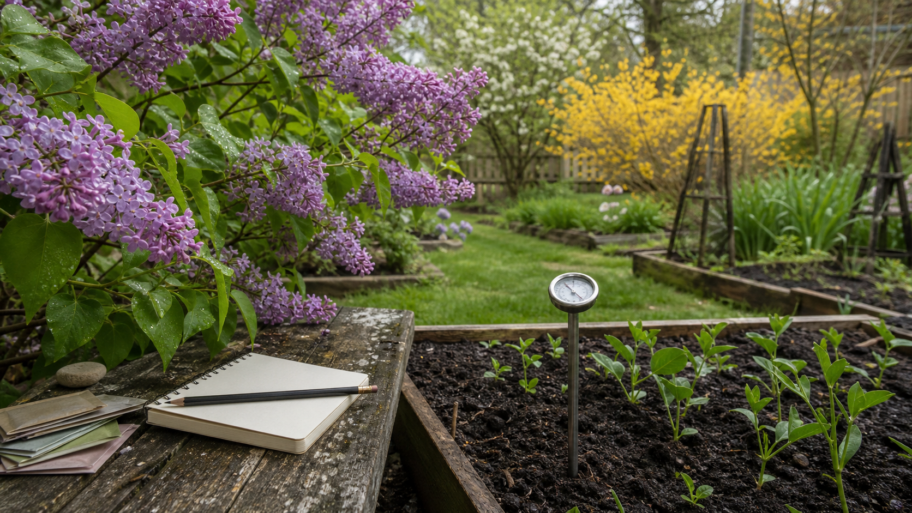
Every spring has two calendars. One hangs on the wall and moves forward one square at a time. The other opens unevenly in the garden: snowdrops first, then maple bloom, then forsythia, then the first lilac flowers, then the moment when peas stop sulking and beans begin to make sense. Gardeners get into trouble when they trust only the first…
Read more about When plants tell time: phenology for gardeners
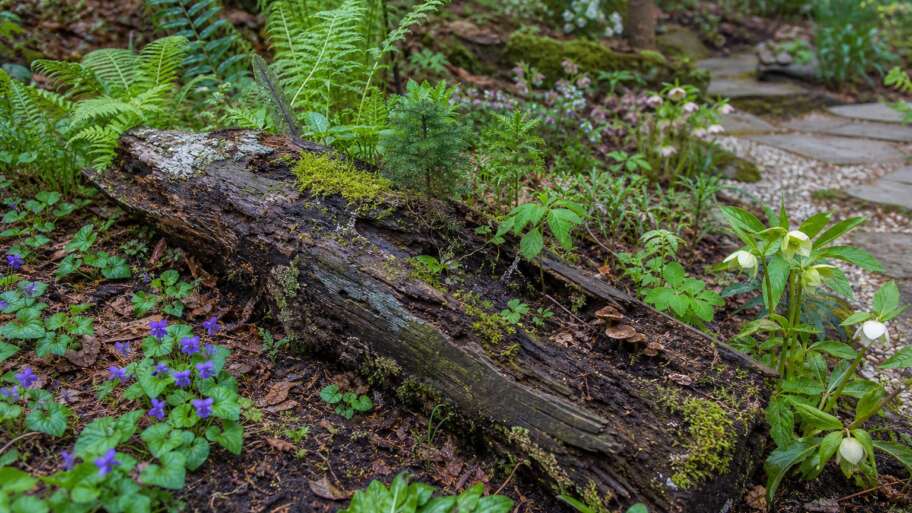
A fallen log can look like the end of a tree, but in a forest it often behaves more like a beginning. Moss settles on the bark. Fungi open the wood. Water gathers in the softened grain. Then, one spring, a seedling appears on top, holding its tiny green weight above the leaf litter as if the old trunk has…
Read more about How nurse logs turn fallen wood into a garden nursery
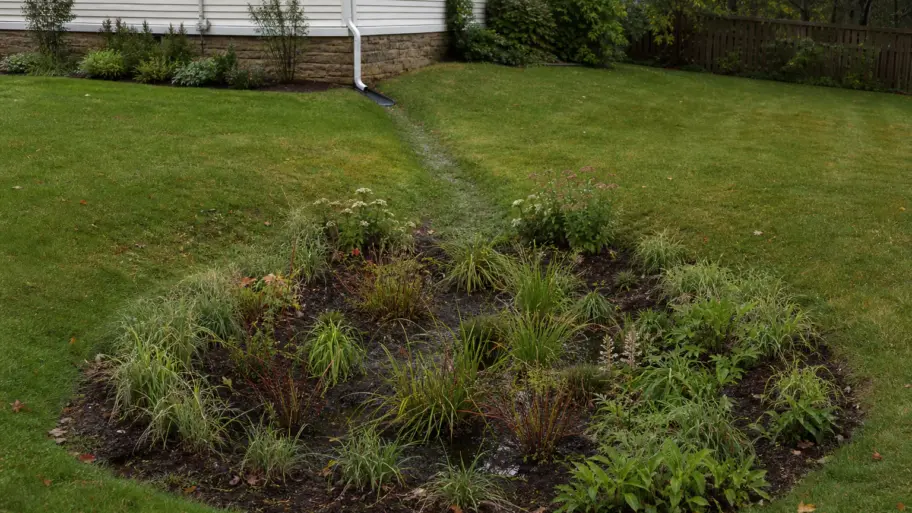
Most gardens are designed for what happens in fair weather: bloom, shade, fragrance, fruit, the shape of a border from a kitchen window. A rain garden begins with a less glamorous question. Where does the water go when the roof, path, driveway, and lawn stop absorbing it? On a hard rain, the answer can be surprisingly visible. Water leaps from…
Read more about How to build a rain garden that drinks from the roof
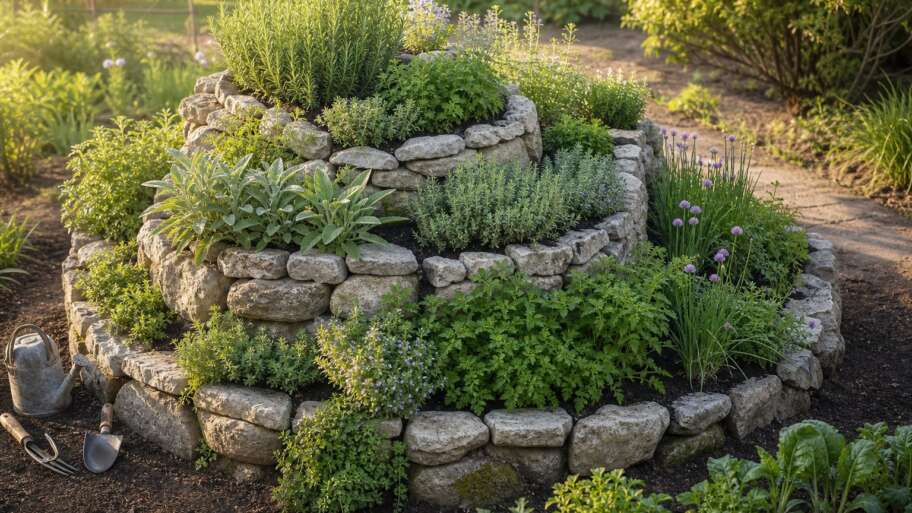
An herb spiral is a garden bed that has learned to coil. Instead of spreading a kitchen herb garden across a flat rectangle, it stacks the planting area into a small rising spiral, usually held in place with stone, brick, or reclaimed pavers. The result looks charming, but the charm is not the point. The shape makes the bed behave…
Read more about Herb Spirals: Growing Flavor in a Tiny Climate Machine
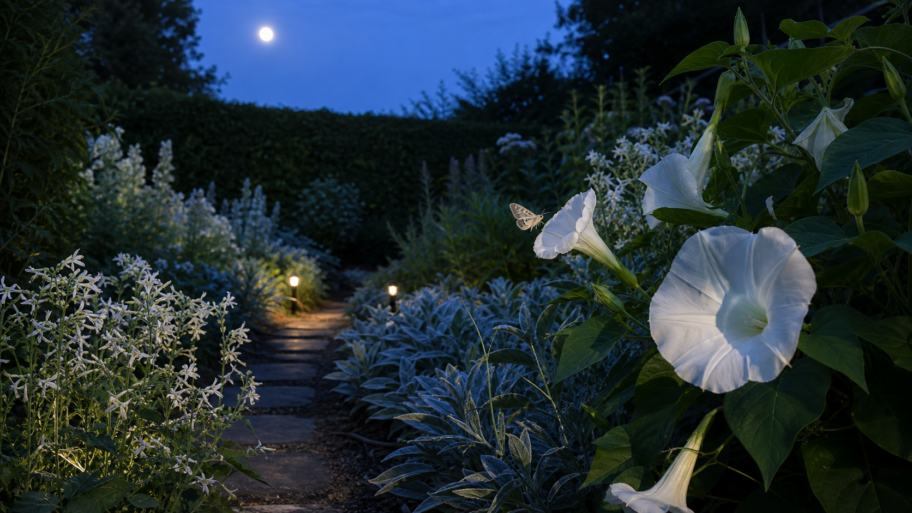
A garden does not go dark all at once. First the reds lose their heat. Then the blues and purples fold into shadow. What remains visible is shape, pale color, scent, and movement: a white flower catching the last sky, a silver leaf holding a little moonlight, a moth taking the path that bees worked a few hours earlier. That…
Read more about Moon Gardens: Designing a Garden That Wakes After Dusk
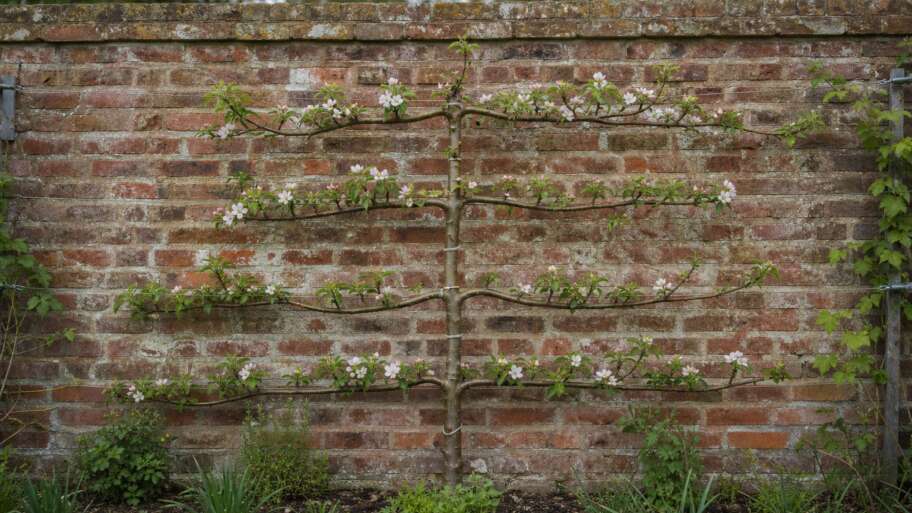
An espalier is a fruit tree taught to draw a line. Instead of letting an apple or pear become a rounded little cloud of branches, the gardener trains it flat against a wall, fence, or freestanding wire frame. The result is part orchard, part architecture: a tree with a trunk like a spine and fruiting arms laid out in deliberate…
Read more about Espalier: Training Fruit Trees into Living Geometry
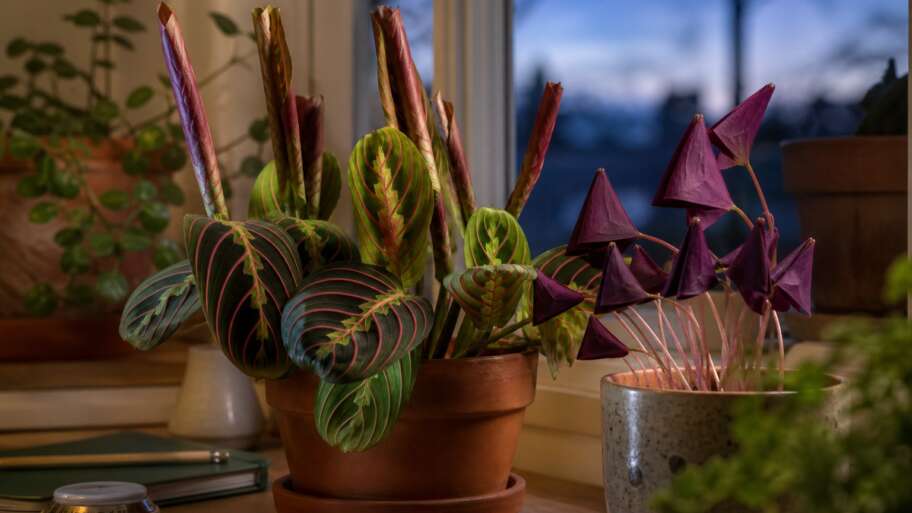
At dusk, some plants begin to rearrange themselves. A prayer plant lifts its patterned leaves until they stand like hands held together. Purple oxalis folds its triangular leaflets into little tents. Clover pulls its leaflets close, and some flowers that looked cheerful at lunchtime quietly close the shop. It is tempting to call this sleep, and gardeners have been doing…
Read more about The sleepy garden: why plants fold their leaves at night
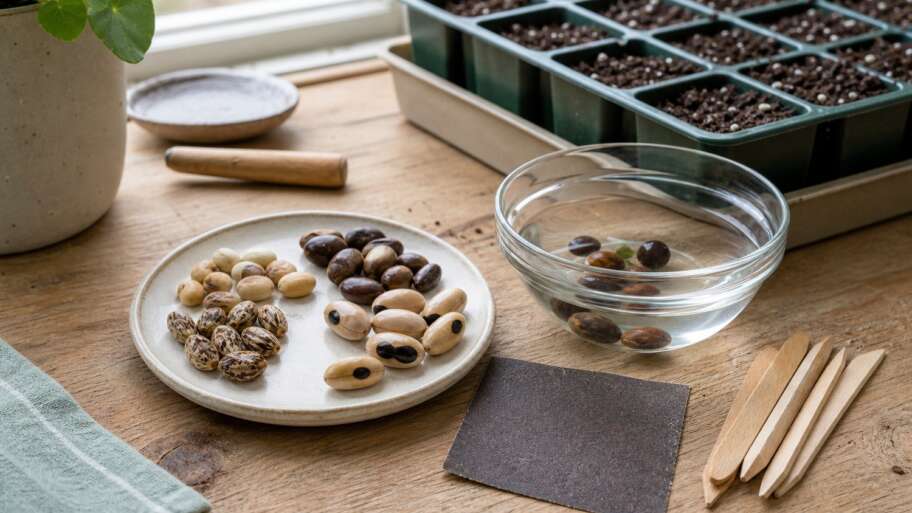
February is when seed packets begin to feel less like storage and more like possibility. They gather on the kitchen table in little paper stacks: sweet peas, nasturtiums, morning glories, lupines, okra, perhaps a packet of saved seeds from last summer whose name is written in fading pencil. Some will sprout almost as soon as they meet warmth and moisture.…
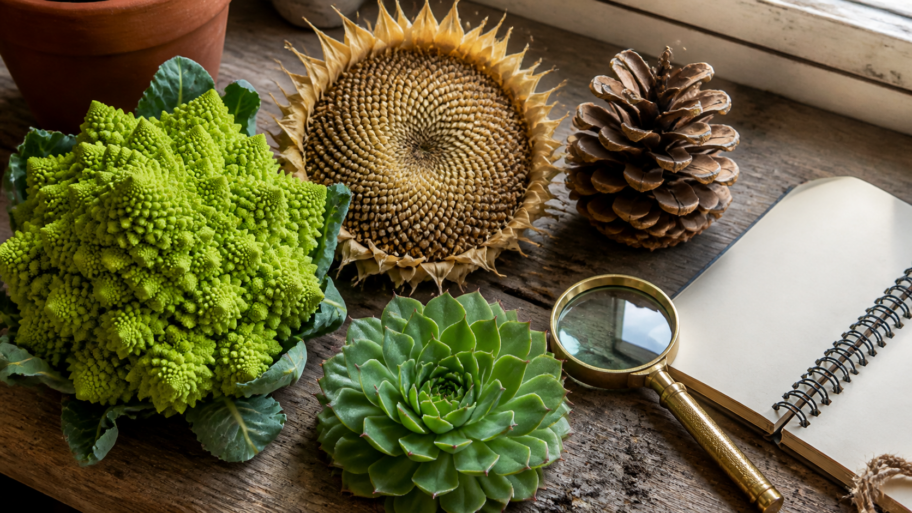
A garden is full of shapes that look as if they were drawn with a compass: sunflower seed heads, pinecones, aloe rosettes, unfurling fern tips, the pointed towers of Romanesco. Once you begin noticing them, the garden becomes less like a collection of separate plants and more like a living sketchbook of repeated decisions. The tempting story is that plants…