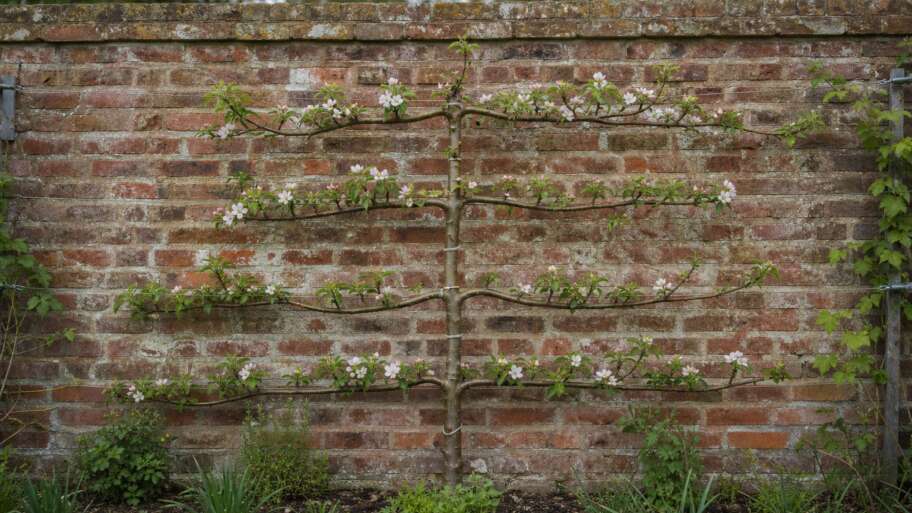

A garden is full of shapes that look as if they were drawn with a compass: sunflower seed heads, pinecones, aloe rosettes, unfurling fern tips, the pointed towers of Romanesco. Once you begin noticing them, the garden becomes less like a collection of separate plants and more like a living sketchbook of repeated decisions. The tempting story is that plants…
Christian Hägg
Christian writes about the hidden structures of the natural world: spirals, symmetries, adaptations, and the oddities that make plants fascinating. His interests include carnivorous plants, mathematical patterns in nature, and the science behind everyday garden life.
Some seeds are not waiting for a warmer windowsill. They are waiting for proof that winter has happened. That is the quiet genius of cold stratification. In the wild, many temperate plants drop seed in late summer or autumn, then ask those seeds to endure weeks of cold, damp weather before they are allowed to germinate. It is a survival…
Read more about Sleeping Seeds: How Cold Stratification Wakes a Spring Garden
Most flowers announce themselves by becoming more colorful than the leaves around them. Frost flowers do the opposite. They appear when the flowering season seems finished, when the garden has gone brown and quiet, and when the cold has sharpened every stem into a small instrument. On the right morning, the base of an old stalk can split and unfurl…
Read more about Frost Flowers: Growing a Garden That Blooms in Ice
There is a particular kind of winter gardening that happens with a vase instead of a spade. You walk through the quiet garden with pruners in hand, choose a few sleeping twigs, bring them indoors, and let the warmth of the house persuade them to reveal what they have been holding since last year. Forcing flowering branches is not a…
Read more about Borrowed Spring: Forcing Flowering Branches Indoors
A mossarium is a garden reduced to its most intimate scale: a pane of glass, a few spoonfuls of substrate, a soft green colony of moss, and enough moisture to make a miniature weather system. It looks decorative, almost like a living object from a cabinet of curiosities, but it is also a small lesson in plant biology. Unlike a…
Read more about Mossariums: Building a Tiny Rainforest Under Glass
A balcony garden is not a small backyard lifted into the air. It is its own climate: brighter or shadier than expected, windier than the street below, quick to dry, and limited by weight, drainage, rules, and reach. Once you accept that, the space becomes much easier to plant well. The best balcony gardens do not begin with a shopping…
Read more about Balcony gardening, where the sky becomes a microclimate
Edible flowers can make a plate look effortless, which is why they are easy to misuse. A handful of petals scattered over everything is not cooking. It is confusion in color. The better approach is quieter: know the flower, know the flavor, use the edible part, and let the dish still taste like itself. Flowers are plant organs, not decorative…
Read more about How to serve edible flowers without losing the plot
An edible flower garden should earn its place twice. It should look alive in the border, and it should make sense in the kitchen. If it only photographs well, it is decoration. If it only produces petals but weakens the planting around it, it is a crop without a garden. The best version does both jobs quietly. Think of the…
Read more about Growing an edible flower garden that earns its place
Edible flowers are often treated as decoration first and food second. That is backwards. A flower belongs on the plate only after it has belonged in the garden: correctly identified, grown without unsafe chemicals, harvested cleanly, and understood as an ingredient with flavor rather than confetti. When grown well, edible flowers bring more than color. Illinois Extension recommends choosing edible-flower…
Read more about Edible flowers belong in the garden before they reach the plate
A garden does not cure the mind. That is too neat, and too heavy a burden to place on soil. What a garden can do is offer a reliable set of conditions the mind often responds to well: light, repetition, modest physical work, sensory detail, seasonal change, and the quiet evidence that living things are still doing their work. That…